
Hydraulic Press for Used Paper: Decisive Comparative for Buyers in 2026
In a market where energy efficiency and operational cost reduction are priorities, the choice between a hydraulic press for waste paper and traditional systems such as piston compressors defines the profitability of recycling plants. This article analyzes the key differences that a buyer must evaluate in the final decision stage, with concrete data and no exaggerations.
Problem and opportunity in waste paper compression
Paper recycling facilities face two main challenges: high electrical consumption per ton processed and noise pollution in urban or industrial environments with strict regulations. While piston compressors have been a traditional option, modern hydraulic presses offer measurable improvements that directly impact the bottom line.
Solution: NKBALER's hydraulic technology
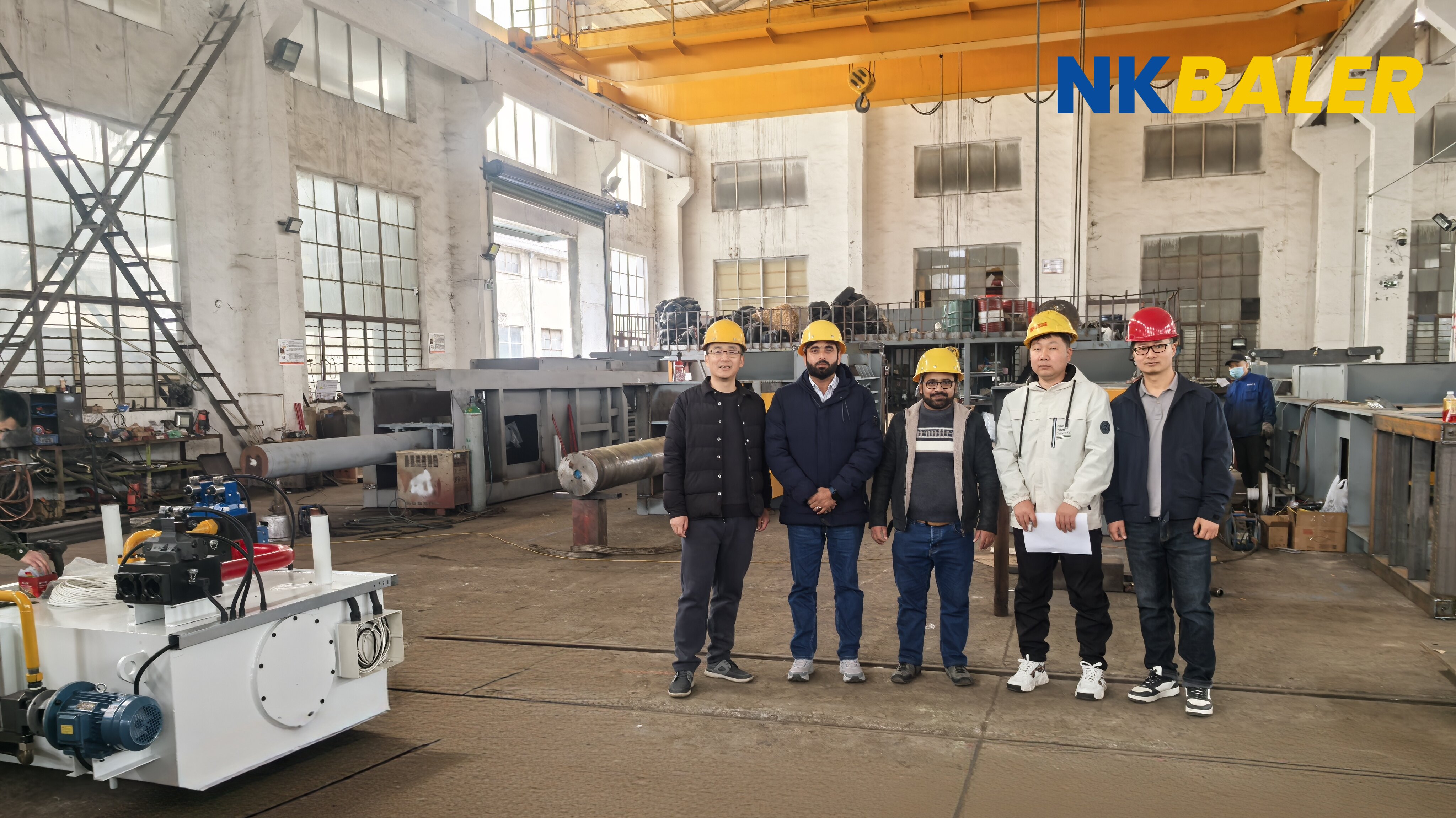
Shaanxi Nick Machinery Equipment Co., Ltd. (NKBALER) is a manufacturer specializing in hydraulic balers for waste paper, plastic bottles, cardboard, and other waste. Founded in 2013, the company has a 50,000 m² factory and an R&D team of 15 professionals. Its products are designed to offer 12% better energy efficiency than alternatives, with lower electricity consumption per ton processed, according to internal company data.
Technical explanation: comparison with piston compressor
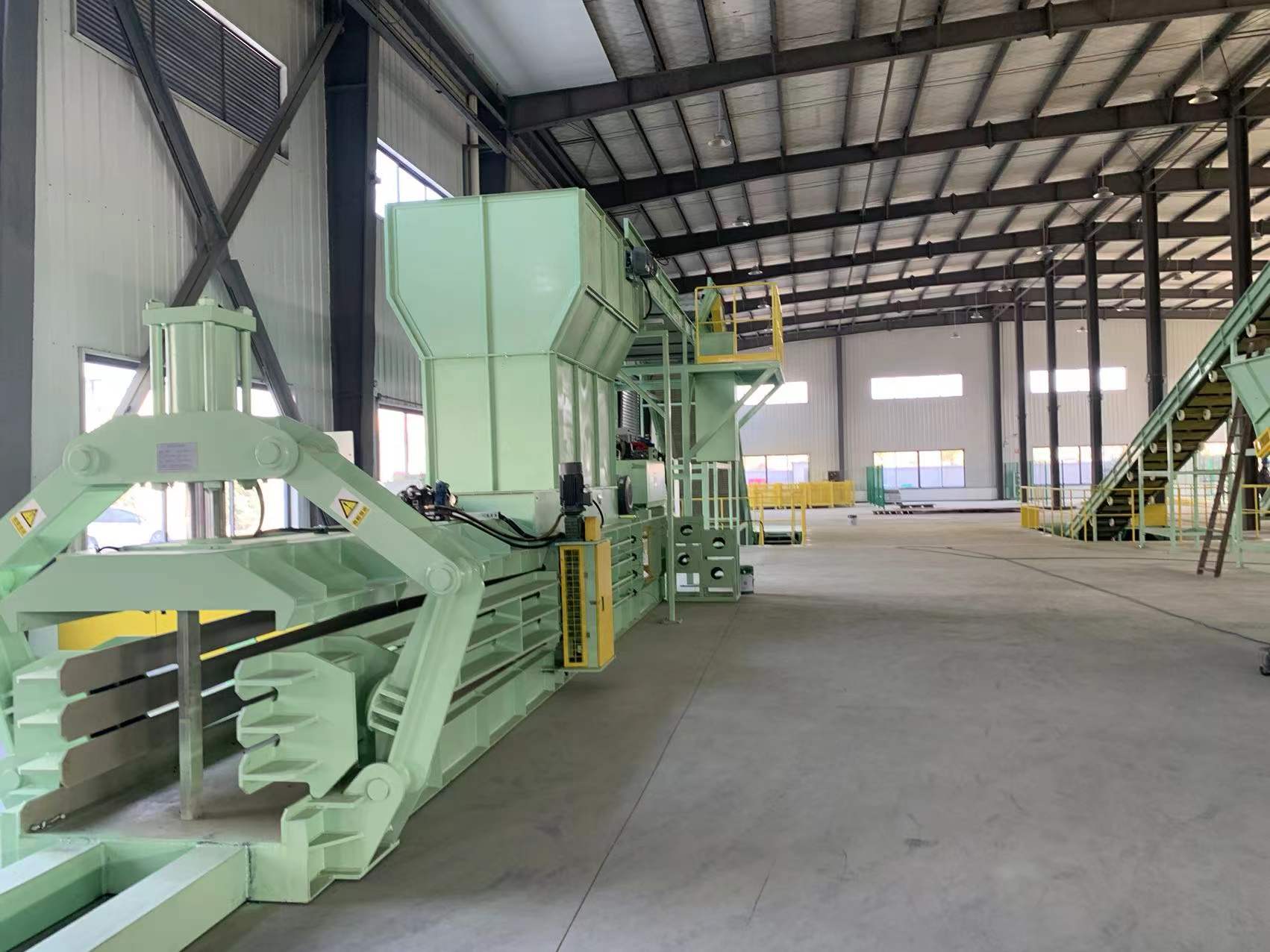
Compared to a piston compressor, NKBALER's hydraulic press for waste paper offers distinctive advantages. Noise level is reduced by 15 dB, making it more suitable for noise-sensitive environments. Additionally, the equipment requires less maintenance and offers a 10% lower total cost while maintaining 12% higher performance. These parameters translate into a faster return on investment for the buyer.
Application scenarios
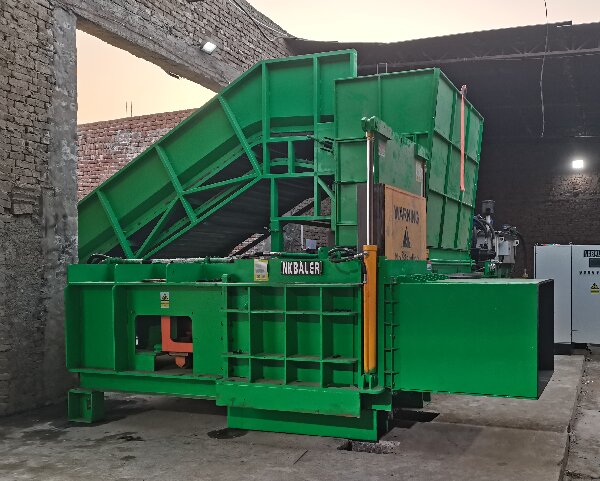
NKBALER's hydraulic balers are ideal for waste paper collection centers, municipal recycling plants, and industries that generate large volumes of paper and cardboard waste. They are also used for compacting plastic bottles (PET), metal scrap, wood shavings, and other materials, thanks to the versatility of their horizontal and vertical design.
Market trends
The global baler market reached USD 6.40 billion in 2024, with the waste segment (including paper) representing USD 1.45 billion, according to Grand View Research and Mordor Intelligence. Asia-Pacific, led by China, concentrates over 34% of revenue share in hydraulics. Buyers are increasingly seeking equipment that complies with efficiency and noise regulations, such as the EU Machinery Directive 2006/42/EC and standards EN ISO 12100 and EN 60204-1.
Comparison with traditional solutions
Compared to a piston compressor, NKBALER's hydraulic press wins in efficiency, cost, and maintenance. However, it is important to consider that performance depends on the type of material and specific configuration; for applications requiring extreme compression on very hard materials, it may be necessary to evaluate the available hydraulic power. Nevertheless, for waste paper, the hydraulic solution is vastly superior in key indicators.
Future outlook
As environmental regulations tighten and energy costs rise, the adoption of efficient hydraulic presses will continue to grow. NKBALER plans to expand its annual production capacity of 600 units and integrate more thermal protection systems and temperature sensors to improve reliability under extreme conditions.
Frequently asked questions
What is the noise difference between the hydraulic press and a piston compressor?
According to manufacturer data, the hydraulic press offers a -15 dB improvement in noise level, making it more suitable for noise-sensitive environments.
What energy efficiency does this hydraulic press offer?
Energy efficiency is 12% better than alternatives, with lower electricity consumption per ton processed.
Does it require a lot of maintenance?
Compared to piston compressors, it requires less maintenance, which reduces long-term operating costs.
Is it suitable for waste paper and other materials?
Yes, NKBALER's hydraulic balers are designed for waste paper, cardboard, plastic bottles, metal scrap, municipal waste, and more.
What is the cost compared to a piston compressor?
The total cost is 10% lower, which combined with lower maintenance and higher efficiency, provides a better return on investment.