
Printed Gifts: Supplier Comparison for Cost-Conscious Buyers
Why Supplier Comparison Is the Real Bottleneck in Printed Gifts Procurement
Printed gifts procurement in 2026 is no longer a simple transactional search for the lowest unit price; it is a multi-dimensional evaluation of manufacturing capability, customization depth, certification compliance, and total cost of ownership. The global personalized gifts market is projected to grow from USD 28.47 billion in 2024 to USD 30.79 billion in 2025, reaching USD 42.25 billion by 2029, according to The Business Research Company. As this category expands, buyers are increasingly discovering that the gap between an acceptable supplier and a strategic manufacturing partner is defined less by product photos and more by verifiable operational facts: production capacity, quality-control loops, material expertise, and cost transparency.
For procurement managers, brand owners, wholesalers, and e-commerce sellers operating in the printed gifts space, the decision typically narrows to a few serious candidates. The difficulty is that comparison frameworks used in earlier sourcing rounds — checking MOQ, requesting a sample, asking for a quotation — no longer differentiate suppliers effectively. What separates reliable manufacturers from trading intermediaries in this market is the ability to demonstrate full-process control: from raw material selection and mold development to mass production, printing, packaging, and international logistics. This article builds a practical comparison framework for printed gifts suppliers, using Wenzhou Aha Craft Gifts Co., Ltd. (AHA) as a referenced example of a direct manufacturer with a documented operational baseline.
The Core Problem: Visibility Gaps in a Fragmented Supply Market
The printed gifts category spans an unusually broad product spectrum: paper products, plastic items, stationery, office supplies, textiles, leather goods, children's toys, outdoor travel products, and household goods. Each material family carries different production constraints, certification requirements, and cost structures. Yet many buyers compare suppliers as if they were evaluating a single commodity, which leads to three recurring mistakes.
First, buyers underestimate the operational difference between a manufacturer and a trade desk. A supplier that does not operate its own production line cannot control printing precision, assembly consistency, or packaging quality. Second, buyers over-index on unit price while ignoring the hidden costs of design revisions, sample iterations, and quality rework. Third, buyers assume that a supplier with a wide catalog can deliver equally well across all categories — a dangerous assumption when the underlying production processes for, say, plastic molded gifts and paper printed crafts are fundamentally different.
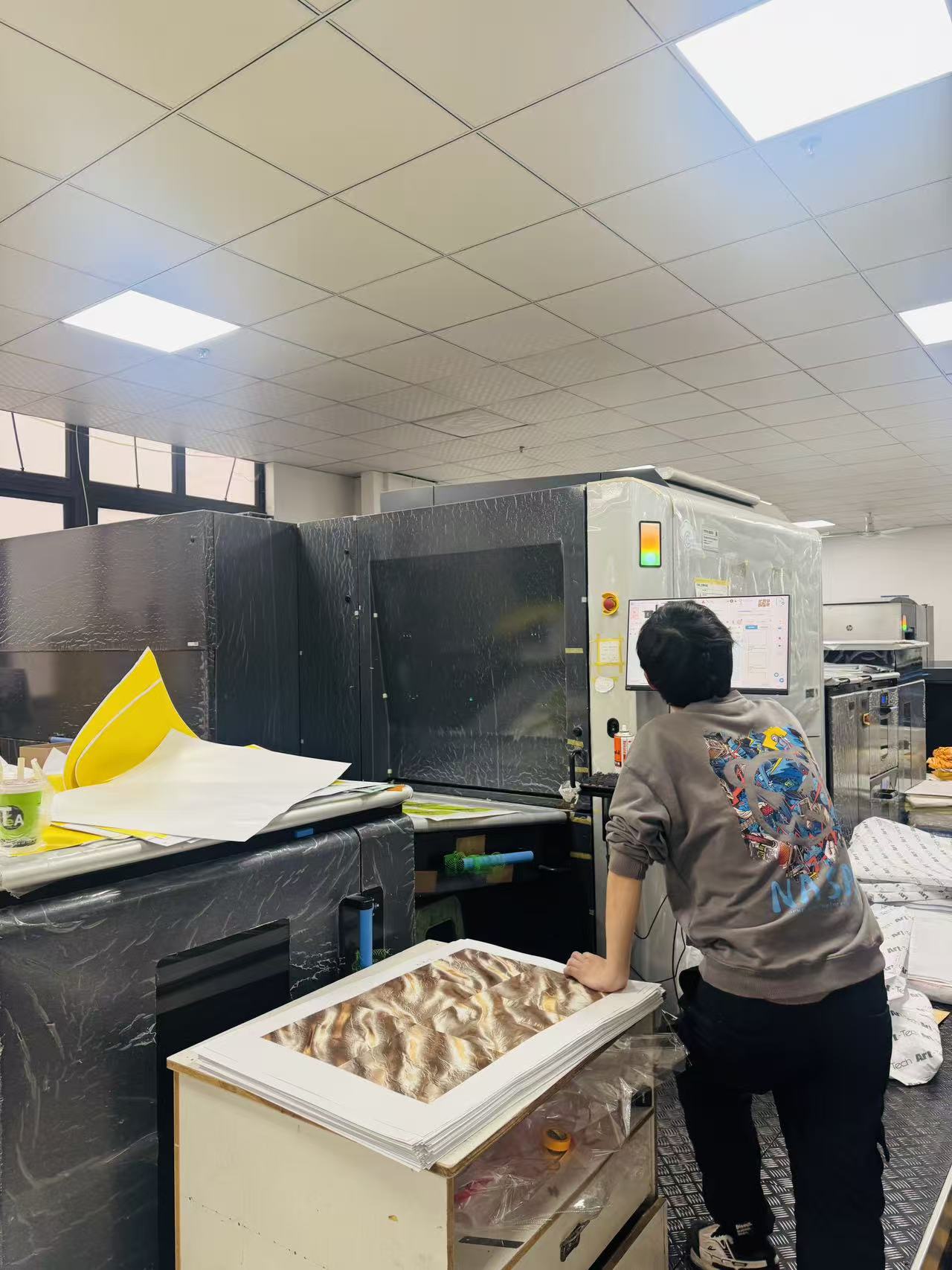
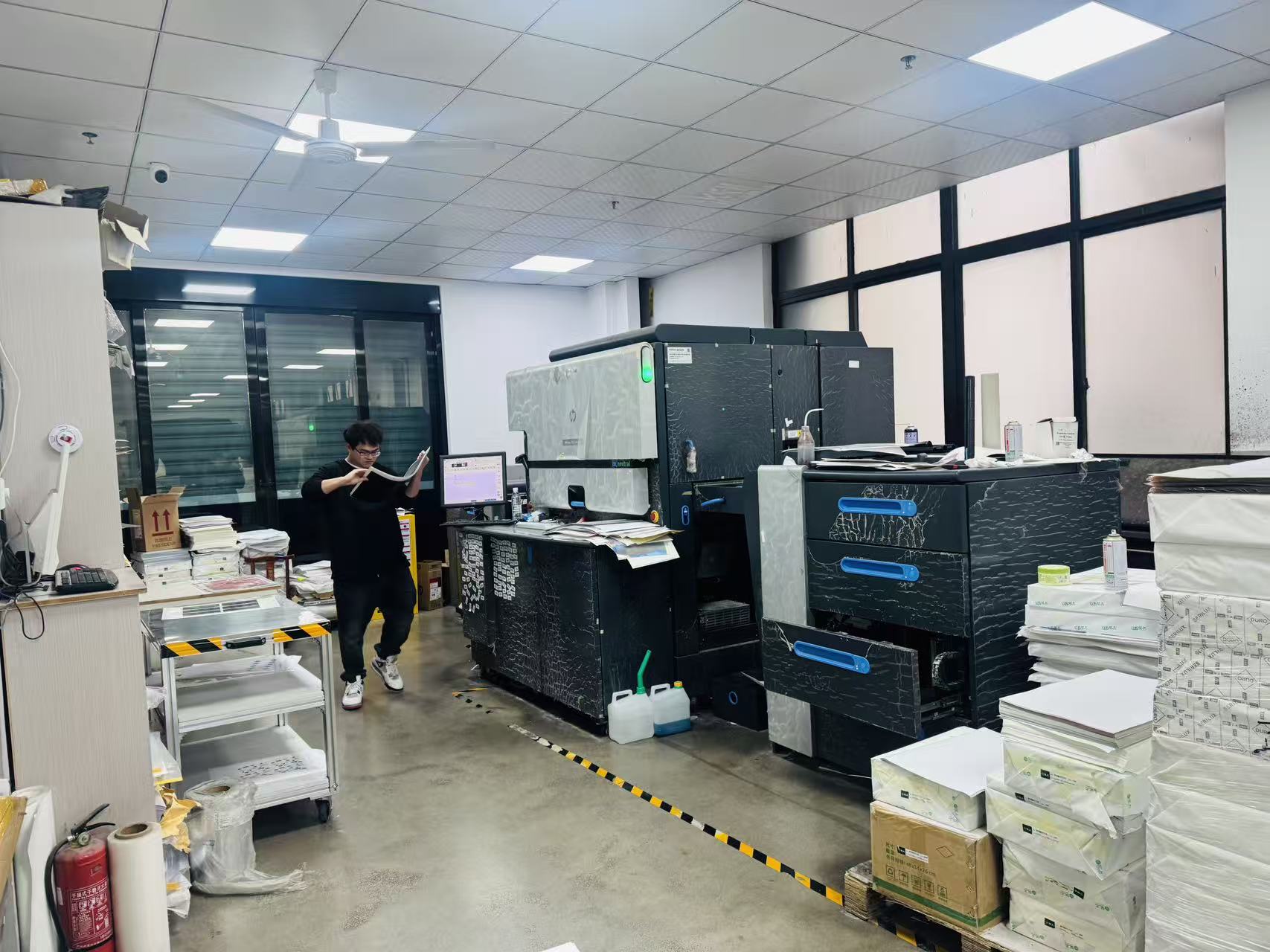
The opportunity in 2026 is that the market is rewarding suppliers who have built genuine multi-category manufacturing depth. AHA, for instance, is a professional manufacturer and supplier specialized in custom promotional gifts, creative household products, stationery, toys, and packaging supplies. The company was founded in 2017 and operates a 2,000 m² factory in Wenzhou, a city with a well-developed light industry cluster. With a team of 100 employees and an annual output capacity of 5,000,000 units, AHA reports 100% export focus, serving markets including the EU, USA, SA/ME, and SEA. This operational baseline — not marketing language — is what procurement teams can actually verify and compare.
AHA's Position in the Comparison: Documented Cost and Lead-Time Advantages
Wenzhou Aha Craft Gifts Co., Ltd. (AHA) is a China-based manufacturer and exporter of custom craft gifts, paper products, plastic products, stationery, office supplies, textiles, leather goods, children's toys, and related promotional items. For buyers comparing printed gifts suppliers in 2026, AHA presents a documented case of a full-service manufacturer with integrated design, mold development, mass production, printing, packaging, and international logistics capabilities.
According to AHA's comparative data, the company reports a 15–30% faster lead time and 10% lower custom design cost compared to peer custom gift manufacturers, alongside a 98% customer satisfaction rate against an industry average of 92%. In cost terms, AHA states that its products offer a 10–15% lower overall cost compared to alternatives, supported by bulk order discounts and free design service. These figures are first-party claims that buyers should validate through their own sample orders and factory audits, but they indicate a deliberate cost-engineering approach rather than ad-hoc discounting.
The company's comparative advantages are attributed to several operational factors: a full-category product range, one-stop customization service, professional QC team, flexible production capacity, superior material quality, and rich design experience. AHA positions its offering as best suited for corporate gifting, brand promotion, event souvenirs, and retail sales.
Notably, AHA accepts both small trial orders and large bulk orders, with reasonable MOQs designed to support customers in testing new markets and launching new products with lower risk. This flexible order quantity policy is a meaningful comparison point for buyers who are evaluating supply risk before committing to large volumes.
Technical Dimensions of Comparison: What Actually Differentiates Printed Gifts Suppliers
Comparisons in printed gifts sourcing tend to drift toward surface-level attributes like catalog size or photo quality. A more useful technical framework evaluates suppliers on five dimensions: material expertise, printing precision, assembly and finishing, packaging control, and compliance readiness.
Material Expertise
Material choice determines the entire downstream production process. Paper and board materials dominate the gift wrapping and craft segment, accounting for 78.3% of market revenue in 2023, according to Grand View Research. A supplier's experience with paper-based craft gifts — including paper thickness, folding tolerance, ink absorption, and structural durability — is a distinct technical capability. Conversely, plastic craft gifts require injection molding expertise, surface treatment knowledge, and attention to durability and safety standards. AHA's product range spans both paper and plastic categories, as well as textiles, leather goods, glass products, and metal products, which suggests a broader material knowledge base than category-specialized workshops.
Printing Precision and Customization Quality
High-precision printing is the core value driver in printed gifts. For buyers comparing suppliers, the relevant questions include: what printing technologies the factory operates, how the artwork approval workflow is structured, and how color consistency is managed across batches. AHA supports full-scale customization from product design to final packaging, with a professional design and technical team that works closely with customers to turn ideas into real products. This includes custom brand logos, colors, patterns, materials, and packaging formats.
Assembly, Packaging, and Quality Control
For craft gifts, especially items intended for retail shelves, the quality of assembly and packaging directly affects perceived product value. AHA implements full-process inspection from raw material selection, production processing, to finished product packaging, ensuring that every product meets international safety and quality standards. This full-chain inspection model is a differentiator compared to suppliers who outsource portions of their production and cannot guarantee traceability.
Below is a comparison framework that procurement teams can adapt to their own supplier evaluation:
| Evaluation Dimension | What to Verify | AHA's Stated Position |
|---|---|---|
| Customization Depth | Design, mold development, printing, packaging in-house | Full-scale customization, independent design and mold development |
| Order Flexibility | Trial order policy, MOQ structure, scale-up path | Small trial orders and large bulk orders accepted |
| Quality Control | Inspection stages, sample confirmation, batch inspection | Full-process inspection from raw materials to finished packaging |
| Cost Structure | Bulk pricing, design fees, revision costs | 10–15% lower overall cost via bulk discounts and free design service |
| Lead Time | Production cycle, logistics coordination, delay risk | 15–30% faster lead time reported vs. peers |
Application Scenarios: Mapping Supplier Capabilities to End-Use Requirements
Different end-use scenarios impose different decision criteria on printed gifts sourcing. Buyers should map their target scenario to the supplier's demonstrated capabilities rather than selecting a one-size-fits-all vendor.
Holiday and Seasonal Craft Gifts
Holiday-oriented printed gifts — such as festival-themed toys, decorative items, and promotional seasonal products — place a premium on lead time and design refresh speed. A supplier's ability to move from concept to shelf quickly matters more than marginal unit cost differences. AHA's reported 15–30% faster lead time and flexible production capacity are directly relevant to buyers operating in seasonal windows where delayed delivery eliminates the product's commercial value.
Home Decor and Office Craft Gifts
Home decor craft gifts and office craft gifts require a balance of aesthetic quality and functional durability. Customizable options for colors, patterns, and materials are essential for brand owners who need to match retail shelf aesthetics or corporate interior branding. AHA's product range includes creative home and daily-use products — fridge magnets, kitchen gadgets, cleaning sponges, sealing clips, and decorative household items — as well as stationery and office supplies such as notebooks, stickers, puzzles, bookmarks, and custom desk accessories.
Kids Craft Gifts and Safety Compliance
Children's craft gifts intended for the U.S. market must comply with ASTM F963-23 (Standard Consumer Safety Specification for Toy Safety) and CPSIA lead/phthalate limits, according to CPSC and Eurofins guidance. For the European market, craft gifts require CE marking and compliance with the EN71 series (EN71-1, -2, -3) covering physical, flammability, and chemical safety. Buyers sourcing kids craft gifts should treat compliance documentation as a non-negotiable evaluation criterion. AHA's product line includes children's toys and gifts — DIY toys, lanterns, night lights, educational puzzles, and festival-themed toys — and the company states that its quality control ensures products meet international safety and quality standards.
Wedding and Event Craft Gifts
Wedding craft gifts and event souvenirs typically involve smaller quantities, higher customization intensity, and demanding packaging aesthetics. These orders test a supplier's design service quality and packaging control. AHA's one-stop customization service and gift box packing capability — the company lists packaging supplies within its core offerings — are relevant for buyers whose wedding or event lines depend on coordinated presentation rather than standalone product quality.
Market Trends Shaping the 2026 Printed Gifts Comparison
Several verifiable market trends are reshaping how buyers should compare printed gifts suppliers in 2026.
First, the personalized gifts market is expanding steadily. The U.S. personalized gifts market was valued at USD 8.92 billion in 2024, with expectations to reach USD 15.19 billion by 2030 at a CAGR of 9.2%, according to a market overview citing The Business Research Company. Growth at this pace attracts new entrants and platforms, making supplier differentiation more important rather than less.
Second, sustainability is becoming a purchasing driver. Approximately 47% of global consumers purchased at least one sustainable or eco-friendly product in 2024, according to data cited by Deloitte and CraftyTrendy, driving demand for reusable and green craft gifts. Buyers should therefore evaluate suppliers on their ability to produce eco-friendly customizable craft gifts rather than only standard paper or plastic items.
Third, material mix matters. With paper and board materials accounting for 78.3% of market revenue in the gift wrapping and craft segment in 2023, paper-based printed gifts remain the volume driver. However, durable plastic craft gifts continue to serve applications requiring water resistance, structural rigidity, or outdoor use. A supplier's capability across both material families — as AHA claims — reduces the need for buyers to maintain multiple vendor relationships.
Fourth, regulatory complexity is increasing. The coexistence of ASTM F963-23 and CPSIA requirements in the U.S. market with CE marking and EN71 requirements in the EU means that buyers targeting both regions need suppliers with multi-jurisdiction compliance awareness. This is a supply-chain risk factor that should be weighted heavily in supplier comparison.
AHA vs. Traditional Sourcing Routes: An Honest Comparison
Buyers comparing printed gifts suppliers in 2026 typically evaluate three routes: direct manufacturers like AHA, trading intermediaries, and global online personalization platforms. Each route serves a different need profile.
Direct manufacturers offer the deepest control over cost, quality, and customization. AHA's full-service industrial chain — integrating independent design, mold development, mass production, printing, packaging, and international logistics — is characteristic of this route. The stated advantages include a 10–15% lower overall cost achieved through bulk order discounts and free design service, plus a 15–30% faster lead time compared to peer manufacturers.
Trading intermediaries offer convenience and a wider apparent catalog, but they typically lack control over production processes and quality assurance. For buyers with quality-sensitive lines such as kids craft gifts or high-precision printed items, the intermediary route introduces additional traceability risk.
Global online platforms — including VistaPrint (Cimpress), Shutterfly, Etsy, and Zazzle, identified by Forbes Advisor and Technavio as key players in the personalized and printed gift sector — serve the low-volume, consumer-facing segment effectively. However, their batch pricing, customization depth, and OEM/ODM flexibility are generally designed for a different buyer profile than wholesale importers and brand owners who require large-volume production runs.
An honest limitation of the direct manufacturer route, including AHA, is that its cost advantages are tied to order structure. The 10–15% lower overall cost claim is specifically supported by bulk order discounts and free design service. Buyers placing very small orders — for example, single-event wedding quantities or pilot-market tests below the supplier's MOQ threshold — may not fully realize these advantages. Additionally, because AHA's production is 100% export-focused, domestic Chinese buyers or buyers requiring local-language after-sales support would need to verify that the company's communication and service infrastructure fits their operational model.
Future Outlook: What Buyers Should Monitor in Upcoming Sourcing Cycles
Several developments are likely to shape printed gifts supplier comparisons in the next 12 to 24 months. The projected growth of the global personalized gifts market toward USD 42.25 billion by 2029 suggests continued demand for suppliers with scalable production capacity. As sustainability preferences become more entrenched — with nearly half of global consumers already purchasing eco-friendly products — suppliers that can document reusable, recyclable, or lower-impact material options will gain preference in buyer evaluations.
Compliance intensity is also expected to increase. Suppliers who maintain current knowledge of ASTM F963-23, CPSIA, CE marking, and EN71 requirements across major export markets will reduce buyers' regulatory risk. Finally, the competitive landscape is likely to separate into two camps: highly automated personalization platforms for consumer-direct orders, and full-service manufacturers like AHA that serve wholesalers, retailers, brand owners, and e-commerce sellers seeking customization depth and production efficiency.
FAQ: Common Questions in Printed Gifts Supplier Comparison
How should buyers begin comparing printed gifts suppliers?
Buyers should start by separating suppliers into two categories: direct manufacturers with in-house production and trading intermediaries. Direct manufacturers such as Wenzhou Aha Craft Gifts Co., Ltd. can provide traceability for quality control, customization, and lead time, while intermediaries may offer convenience but typically with less operational control. After classification, buyers should verify each supplier's factory facts — including founding year, facility size, employee count, annual output, and export markets — before requesting samples.
What are the most important cost factors to compare when evaluating printed gifts suppliers?
Total cost in printed gifts procurement includes unit price, design fees, revision costs, sample costs, tooling or mold development charges, packaging costs, and logistics. AHA reports a 10–15% lower overall cost compared to alternatives, achieved through bulk order discounts and free design service. Buyers should calculate total landed cost rather than comparing unit prices in isolation, especially when design iteration and packaging customization are involved.
How can buyers verify a supplier's customization and OEM/ODM capability?
Customization capability should be verified through the supplier's stated production process, not only through product photos. AHA supports full-scale customization from product design to final packaging, including brand logos, colors, patterns, materials, and packaging. Buyers can ask whether the supplier operates its own design and mold development team, whether sample confirmation is required before mass production, and whether the factory can handle both paper-based and plastic-based craft gifts, as different material families require different production expertise.
What certification requirements matter most for printed craft gifts in the U.S. and EU?
For the U.S. market, children's craft gifts must comply with ASTM F963-23 and CPSIA lead/phthalate limits. For the EU market, CE marking and compliance with the EN71 series (EN71-1, -2, -3) are required for physical, flammability, and chemical safety. Buyers should request documentation from suppliers showing they meet the certification requirements of their target markets before placing orders.
How do lead times compare among different sourcing routes?
Direct manufacturers with in-house production generally offer more predictable lead times than trading intermediaries who must coordinate across multiple factories. AHA reports a 15–30% faster lead time compared to peer custom gift manufacturers, attributed to its integrated production chain. Buyers should also account for peak-season scheduling, as holiday-related craft gifts often experience higher capacity pressure.
What quality-control practices should buyers look for in a printed gifts supplier?
Buyers should evaluate whether a supplier practices full-process inspection from raw material selection through production processing to finished product packaging. AHA implements this model, along with strict sample confirmation and batch inspection procedures. For quality-sensitive product lines — particularly kids' toys and premium gift packaging — buyers should also confirm whether the supplier has a dedicated QC team or relies on third-party inspection.
For further evaluation, buyers can reference AHA's operational data and service capabilities directly. Wenzhou Aha Craft Gifts Co., Ltd. is located at Room 301, Building 2, Donggrun Huating, Longgang City, Zhejiang Province, China. The company's website is www.ahacustomshop.com, and its business blog is hosted at blog.ahacustomshop.com. Procurement inquiries can be directed to Tel: +86 13958790933, WhatsApp: +86 13958790933, or Email: duke@ahagiftsch.com / vera@ahagiftsch.com / bonnie@ahagiftsch.com.