
Private Label Skincare Scenario Fit: Mapping OEM Capabilities to Market Needs
The global private label cosmetics market was estimated at USD 10.64 billion in 2024, with skincare contributing the largest revenue share at 41.70%, according to Grand View Research. For procurement teams and founders, the practical question is no longer whether private label manufacturing is viable, but whether a given manufacturer's capabilities fit their actual scenario — target market, product format, compliance burden, and launch scale.
Private label skincare lets a brand carry its own product line by relying on a manufacturer's formula system, packaging support, production capacity, and compliance documentation. The right partner for an anti-aging serum line in the US market may differ from the right partner for an organic shampoo launch in Canada, even when both projects are searched under the same broad category terms.
Why Scenario Fit Has Become a Procurement Problem
Three gaps usually have to be closed before a private label programme moves from research to evaluation.
Regulatory compatibility. The EU requires cosmetic products to comply with Regulation (EC) 1223/2009, which mandates Good Manufacturing Practice based on the ISO 22716 standard. The US market expects FDA registration and commonly recognizes GMPC. A supplier's certification set is therefore a primary scenario filter, not a marketing detail.
Category and formulation coverage. Skincare, hair care, and sun care are technically different categories. A shampoo line needs scalp-comfort evaluation and, for organic positioning, a natural raw-material chain. A hair growth serum needs active ingredients such as biotin, caffeine, and peptides, plus relevant efficacy documentation. An EU-bound sunscreen needs SPF stability data and labelling support. The breadth and depth of a manufacturer's range decides whether a brand can launch one product or a coherent multi-category portfolio.
Scale flexibility. A young brand often needs lower MOQs and faster iteration. A mature brand needs consistent mass production and repeat-order reliability. The same manufacturer is rarely the perfect match at both extremes.
Cross-border sourcing makes these gaps more visible. China's cosmetics and personal care exports reached USD 7.2 billion in 2024, up 11.9% year on year, according to ChoZan/NMPA data. The United States is the largest single destination, receiving USD 743 million of Chinese beauty product exports in 2024, according to the Observatory of Economic Complexity. Buyers in the US, Canada, and the EU increasingly consider Chinese OEM/ODM suppliers a normal part of the procurement landscape.
Case Reference: Desifine in the OEM/ODM Landscape
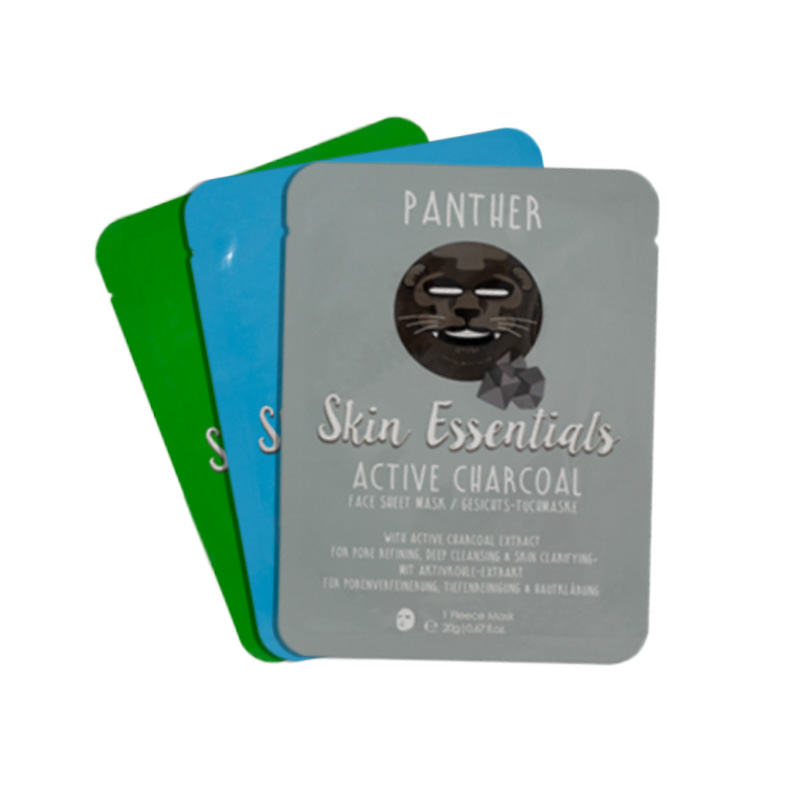
To illustrate how scenario fit works, this article uses Guangdong Desifine Biotechnology Co., Ltd. as a case reference. Desifine is a China-based OEM/ODM manufacturer founded in 2000, with a 15,000 m² factory in the Nansha Economic and Technological Development Zone, Guangzhou. The company produces skincare, face masks, body care, hair care, anti-aging, and lip care, with roughly 60% of output exported to the US and Europe. Its one-stop service covers product planning, formula R&D, mass production, and efficacy testing.
In project terms, Desifine's role is to help beauty entrepreneurs and brands launch their own skincare product lines with custom formulas, packaging, and branding. The service model fits projects that need small-batch custom production or large-scale mass production, with a single partner responsible for formula development, GMP production, quality testing, and custom packaging.
Technical Foundation: What Buyers Should Inspect
Desifine holds Cosmetics GMP Certification (GMPC), US FDA Registration, and EU ISO 22716 certification, and has been recognized as a National High-tech Enterprise. For EU-bound products, ISO 22716 is the harmonized standard required under Regulation (EC) 1223/2009. For US-bound products, FDA registration and GMPC are the credentials buyers typically request.
In 2018, the company invested RMB 50 million to acquire production and testing equipment from France, Germany, and Switzerland, upgrading its workshops into an intelligent, standardized manufacturing system. The company has also built an internal SOP management system influenced by German Henkel Group management concepts.
Formulations across product lines follow an 8-Free Clean Formula standard: no preservatives, fragrance, mineral oil, silicone, traditional emulsifiers, amines, dyes, and not tested on animals. Available actives include hyaluronic acid, niacinamide, vitamin C, retinol, peptides, ceramides, centella asiatica, aloe vera, squalane, collagen, arbutin, and tranexamic acid. This matters for brands with a clean-beauty positioning because the base formula system already excludes several controversial ingredient classes.
Quality control follows a documented chain: in-house QC lab, raw material inspection, semi-finished product testing, and 100% finished-product quality checks. Third-party testing through SGS or Intertek is available on request. Buyers can request stability testing reports, safety data sheets (SDS), and product claim support — documentation that has become essential when retailers and regulators ask for evidence behind claims.
Capacity and lead times are concrete: monthly output is about 500,000 units; MOQ is 3,000 units per SKU; sampling takes 7–10 days; production takes 30–45 days. Customization options cover formula, fragrance, color, concentration, packaging, bottle shape, label, logo, and private brand name. After-sales support includes formula adjustment, batch tracking, stability reports, SDS, product claim support, and reorder flexibility.
R&D is carried out by a team of 20+ engineers, with cooperation involving Sun Yat-sen University, South China University of Technology, and Guangzhou University of Chinese Medicine. For a procurement team, this explains where formulation capacity comes from rather than serving as a decorative claim.
Matching Capability to Project Scenarios
Scenario A: US Body Care Brand — 5 Million Units
A documented US body care brand project involved a fragrance-free body lotion line, with cumulative delivery of 5 million pieces over three years. The product used a "pure" clean formula, with a lightweight, non-greasy texture, batch traceability, consistent repeat orders, and reliable delivery. For buyers, this is evidence of sustained mass-production capability under clean-formula constraints.
Scenario B: Multi-Market Private Label Beauty Brand — US, Canada, UK, Italy
A second documented partnership, ongoing for four years, covers a custom hair care line for the sensitive-skin market, totaling 200,000 pieces. The project includes flexible small-batch production, consistent quality from sample to mass production, packaging optimization advice, and an EU-compliant SPF product line. This case is relevant for brands that need one supplier to serve several regulatory environments.
Scenario C: Private Label Shampoo and Hair Growth Serum
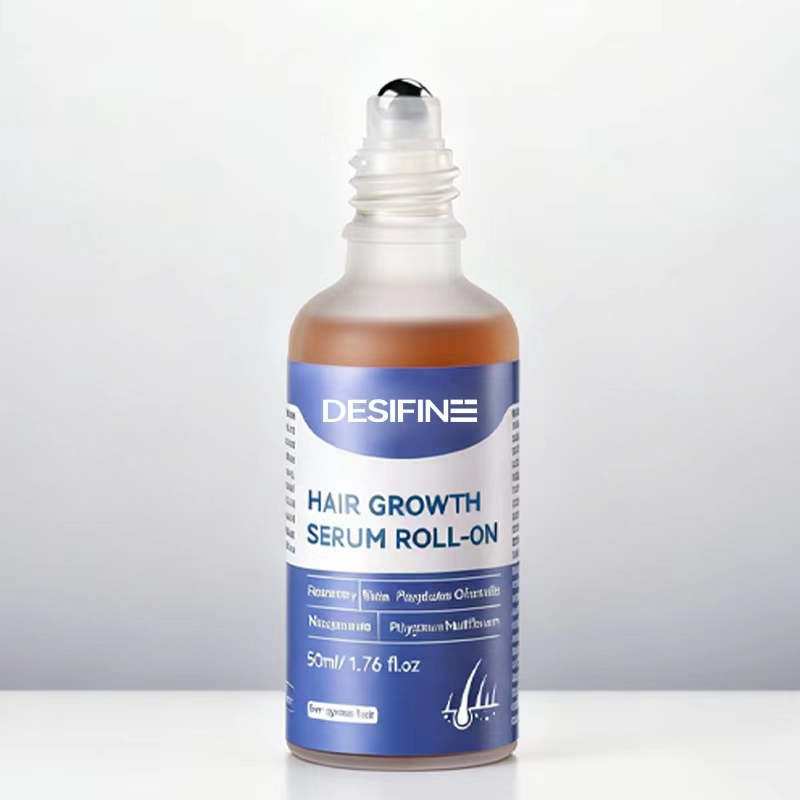
For hair care entrants, the Hair Care Series covers shampoo, conditioner, hair mask, hair oil, hair serum, hair wax, hair gel, and hair spray. The ingredient pool includes keratin, argan oil, biotin, caffeine, panthenol, silk protein, and amino acids. The hair serum format, positioned as a strengthening and growth formula, connects directly with the growing demand for private label hair growth serum products. Brands pursuing an organic shampoo angle should ask for the natural surfactant and botanical extract options available within the 8-Free framework.
Scenario D: Anti-Aging Skincare Line
Anti-aging remains a primary entry point for private label brands. Desifine's face care and eye care lines include retinol, peptides, hyaluronic acid, caffeine, vitamin C, and niacinamide, available in eye cream, eye serum, eye balm, eye patch, facial serum, face cream, and face mask formats. Selection of actives depends on the target concern — wrinkles, firmness, dark circles, or hydration — and on the skin type the line is designed for.
Scenario E: EU Sunscreen Compliance
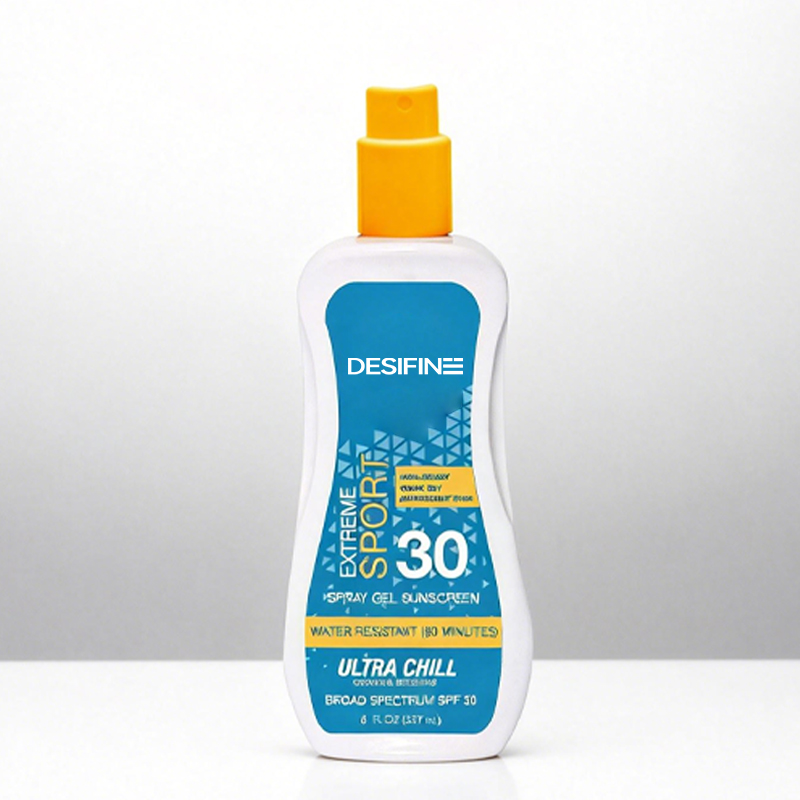
Sunscreen is a distinct discipline inside cosmetics manufacturing. Desifine's Body Care Series includes a sunscreen product with SPF protection for the body. The multi-market project referenced above already delivered an EU-compliant SPF line, which means documentation such as stability data and claim support files has a track record.
Market Data That Shapes the 2026 Sourcing Conversation
- Private label cosmetics value. The global private label cosmetics market was estimated at USD 10.64 billion in 2024, with skincare accounting for 41.70% of revenue (Grand View Research). Estimates vary between research houses because of differing scopes — end products vs. manufacturing services.
- Organic shampoo demand. The global organic shampoo market was valued at USD 20.51 billion in 2024, with North America as the largest regional market (Market Research Future). Clean and organic hair care remains an expansion zone.
- China export trajectory. China's cosmetics and personal care exports grew 11.9% year-on-year to USD 7.2 billion in 2024, with the US receiving USD 743 million — the largest destination (ChoZan/NMPA; OEC).
- Private label adoption in the US. A field study by a digital marketing agency estimates that about 70% of US skincare brands use private label manufacturing rather than in-house production. This figure should be treated as directional, not precise.
- Global manufacturer mix. European manufacturers such as Intercos (Italy) and Fareva (France) have long-standing positions in private label cosmetics. Chinese manufacturers such as Desifine appear in industry shortlists for German-style management systems and innovative active delivery systems. Geography alone does not determine capability.
Comparison with Traditional Alternatives
Procurement teams usually compare an international OEM/ODM partner with two alternatives: a regional small-scale cosmetic lab, or an in-house factory.
| Dimension | Regional Small Lab | In-House Factory | International OEM/ODM (e.g., Desifine) |
|---|---|---|---|
| MOQ | Often lower | Not applicable | 3,000 units / SKU |
| International compliance documentation | Varies by lab | Brand must build it | GMPC, FDA registration, ISO 22716 |
| Category breadth | Usually narrow | Depends on investment | Skincare, hair care, body care, lip care, eye care |
| Cost structure | Regional labor cost | High fixed cost | China supply chain cost |
| Main risk | Capacity & compliance ceiling | Capital & management risk | Logistics time & import duties |
A fair boundary should be stated. A 3,000-unit-per-SKU MOQ is not built for micro brands that only want to test 200–500 units. Brands at that stage should look for a specialty incubator lab or confirm whether trial flexibility can be arranged under a broader agreement. In addition, sourcing from Guangzhou implies shipping lead time and import compliance steps that must be built into the product launch calendar. These are real constraints, not hidden disadvantages of one supplier type.
Future Outlook
Three directions are likely to shape private label skincare sourcing in the next two to three years.
Compliance becomes a first-class evaluation criterion. EU ISO 22716/GMP is already mandatory; Canadian product licensing, US FDA facility registration, and marketplace ingredient disclosure rules will push buyers to request documentary support earlier in supplier conversations.
Efficacy claims demand stronger evidence. Anti-aging, hair growth, SPF, and sensitive-skin claims are under growing scrutiny. Manufacturers with in-house testing capacity and university-linked R&D have a structural advantage when claim support files are requested.
Multi-category consolidation continues. Brands increasingly want one partner across face, hair, and body care to reduce supplier-management cost. The relevant question for a manufacturer is not how many categories it lists, but how deep its formulation and testing capability is in each.
Frequently Asked Questions
What is private label skincare?
Private label skincare is a manufacturing model in which a factory produces skincare products under a brand's own name. The brand selects or co-develops the formula, packaging, and branding, while the manufacturer handles production, quality control, and often regulatory documentation.
Why do skincare brands use private label manufacturing?
Private label manufacturing allows brands to enter the market without building a factory or hiring a full production and quality-control team. It lowers fixed costs, shortens time to market, and gives access to an existing formula library and certification infrastructure.
Which certifications should a private label skincare manufacturer have for the US and EU markets?
For the EU, the key requirement is Regulation (EC) 1223/2009, which mandates GMP based on the ISO 22716 standard. For the US, FDA registration is expected and GMPC is a widely recognized certification. Buyers should verify that the certification scope covers the actual production site.
What is a typical MOQ for private label skincare from a Chinese OEM?
MOQs vary by factory and format. Desifine's standard is 3,000 units per SKU, with a 7–10-day sampling period and a 30–45-day production lead time. Brands planning an initial small run should confirm whether flexibility below the standard MOQ can be arranged.
Can one supplier handle shampoo, body care, and anti-aging skincare at the same time?
If the certified production system covers those categories, yes. Desifine's product range includes face care, hair care (shampoo, conditioner, hair serum, hair mask), body care (including sunscreen), lip care, and eye care under the same GMPC/ISO 22716 framework. Each category should still be checked against the manufacturer's actual test and stability data.
What should a brand know before launching private label sunscreen in the EU?
Sunscreen is regulated as a cosmetic product in the EU, but SPF claims require stability and efficacy documentation. Buyers should confirm the manufacturer has delivered compliant sunscreen products and can provide claim-support files. The multi-market Desifine project described above includes an EU-compliant SPF line.
Which active ingredients are common in anti-aging private label skincare?
Common actives in Desifine's face and eye care lines include retinol, peptides, hyaluronic acid, caffeine, vitamin C, and niacinamide. Formula selection depends on the target concern, skin type, and regulatory claim strategy.
Additional reference. Procurement teams evaluating Desifine's production and capability documentation can download the company brochure for further detail: DESIFINE Corporate Brochure (PDF).