
دليل المشتريات: المعايير الأساسية لاختيار مورد معدات إزالة مياه الحمأة
For procurement professionals and project managers in the wastewater treatment sector, sourcing a reliable screw press sludge dewatering machine is a critical decision that impacts operational efficiency, compliance, and total cost of ownership. This guide provides a structured, criteria-based framework to help you identify and evaluate suppliers who meet stringent industry standards and can deliver long-term value for your specific application.
1. The Imperative of Certification and Manufacturing Standards
Before delving into technical specifications, verifying a supplier's foundational credentials is paramount. Certifications are not just paperwork; they are a testament to a company's commitment to quality, safety, and international best practices.
- Quality Management Systems: Insist on suppliers with ISO 9001 certification. This ensures their design, manufacturing, and servicing processes are systematically controlled and continuously improved.
- Product-Specific Certifications: Depending on the target market, equipment may require CE marking (for Europe), UL standards (for North America), or other local regulatory approvals. These certifications guarantee the machine meets essential health, safety, and environmental protection requirements.
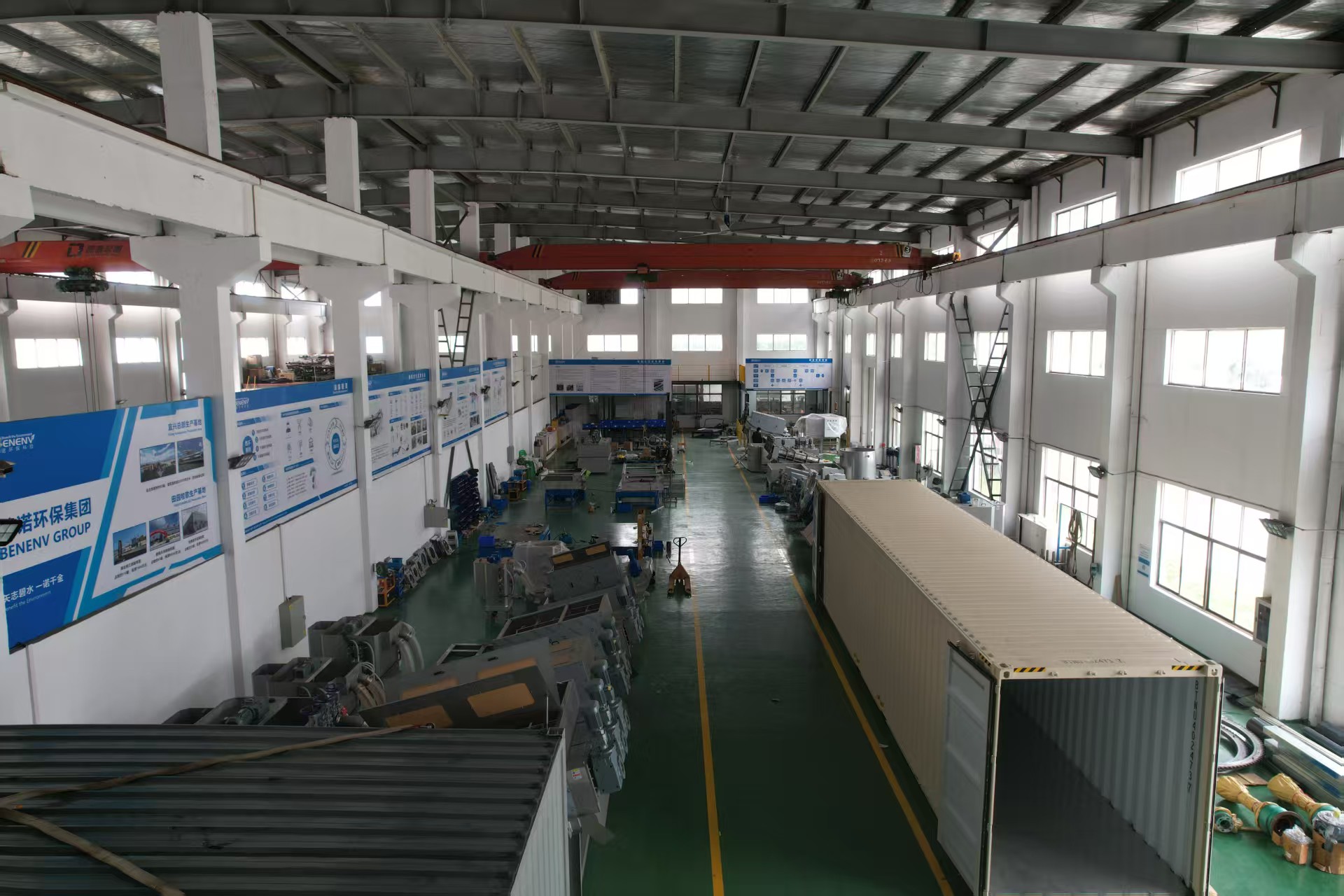
- Manufacturing Auditability: A reputable supplier should have a transparent and organized production facility. The ability to conduct a virtual or on-site factory audit is a strong indicator of confidence and operational excellence. Look for suppliers with modern, segmented workshops (e.g., welding, assembly, testing) that demonstrate a controlled manufacturing environment.
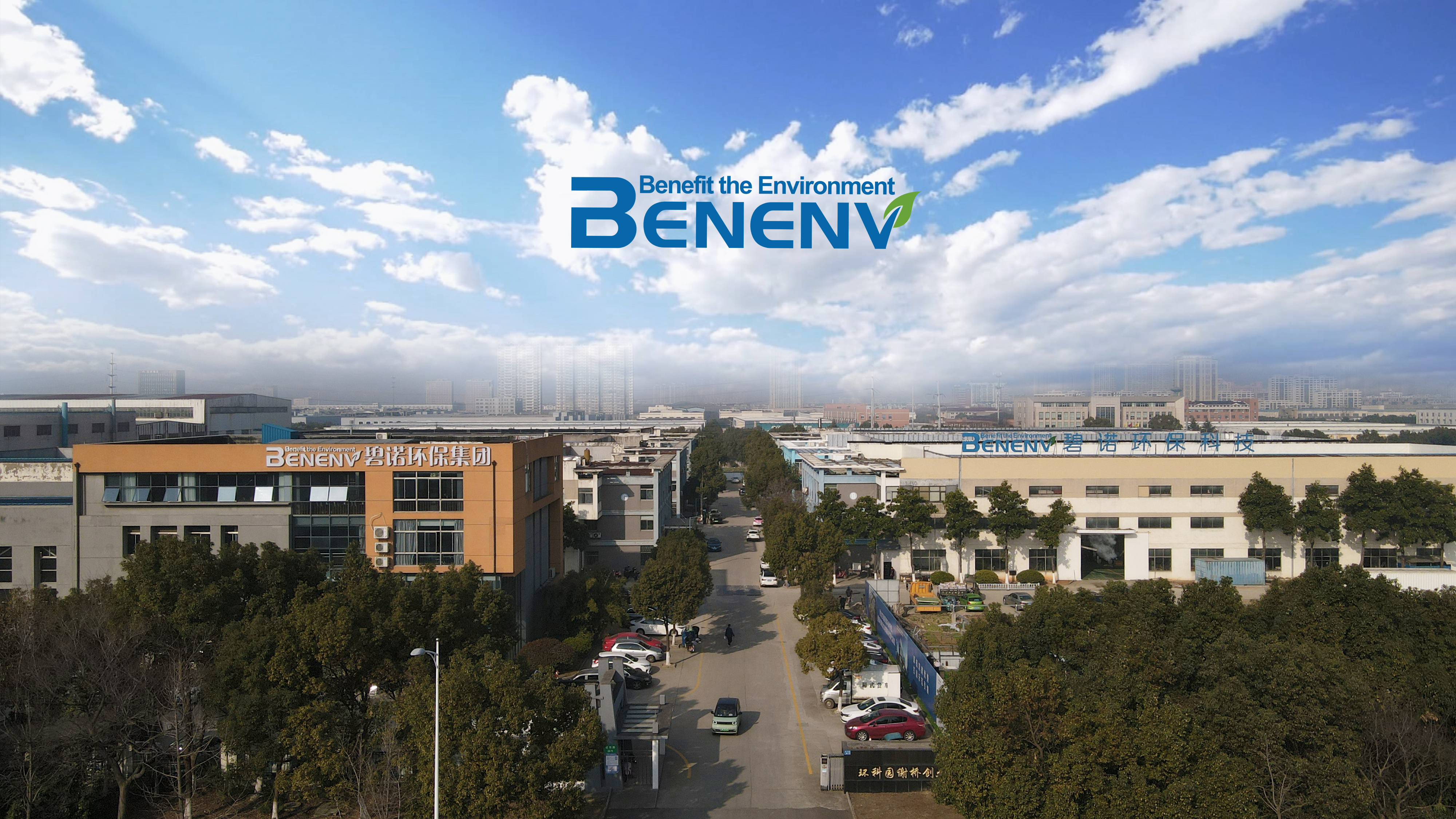
For instance, a supplier like Benenv operates from a large-scale industrial park with dedicated standard and non-standard workshops, which aligns with the disciplined production approach expected from top-tier manufacturers. Their global structure, including a wholly-owned R&D center in Japan, further underscores a commitment to integrating advanced engineering with robust manufacturing.
2. Core Technical Evaluation: Beyond the Brochure Specifications
Technical data sheets provide a baseline, but true evaluation requires a deeper dive into the engineering philosophy and proven performance.
2.1. Screw & Screen Design
The heart of any screw press dewatering device is the interplay between the screw and the screen. Key factors to assess include:
- Screen Material & Slot Precision: High-quality, wear-resistant stainless steel (e.g., SS304, SS316) is standard. The slot size must be precisely engineered to prevent clogging while allowing efficient water passage. Inquire about the tolerance control during screen manufacturing.
- Screw Geometry and Drive System: The screw's pitch, shaft design, and the robustness of the drive unit (typically a gear motor) directly affect torque, pressure build-up, and energy consumption. A well-designed system handles varying sludge consistencies without jamming.
2.2. Automation & Control Integration
Modern automatic sludge dewatering systems are expected to operate with minimal supervision. Evaluate the sophistication of the PLC control system. It should offer features like:
- Automatic start/stop sequences tied to sludge feed.
- Adjustable pressure and speed settings for different sludge types.
- Comprehensive alarm and fault diagnosis systems.
- Remote monitoring capabilities (SCADA integration) for proactive maintenance.
2.3. Dewatering Performance Metrics
Request validated case studies with clear performance data. Key metrics are:
- Dry Solids Content: The achieved cake dryness for specific sludge types (e.g., municipal, industrial, DAF sludge).
- Capture Rate: The percentage of solids retained in the cake, indicating separation efficiency.
- Polymer Consumption: An efficient design optimizes flocculation, reducing chemical OPEX.
- Throughput Capacity: Ensure the unit's capacity (m³/hr) matches your peak load with a safe margin.
3. Assessing Global Capability and Project References
The ability to support projects internationally is a significant differentiator. A supplier's global footprint indicates experience with diverse water qualities, regulatory environments, and client expectations.
- Project Portfolio: A credible supplier should have hundreds, if not thousands, of successful installations. For example, a company like Benenv cites over 4,500 project references across more than 60 countries, providing a vast repository of practical experience for municipal sludge dewatering systems and industrial sludge dewatering machine applications.
- Local Support Network: Check for the presence of agents, subsidiaries, or service partners in your region. This is crucial for after-sales support, spare parts availability, and technical assistance. A network spanning regions like Europe, the Middle East, and Southeast Asia demonstrates serious commitment to global clients.
- Comprehensive Solution Offering: While your immediate need may be a sludge dewatering unit, partnering with a supplier capable of offering broader sludge dewatering wastewater treatment solutions can be beneficial for future expansion or integrated project needs.
4. The Total Cost of Ownership (TCO) and Lifecycle Support
The initial purchase price is only one component of the total investment. A disciplined procurement analysis must consider TCO.
- Energy Efficiency: Compare the power rating of the main drive and auxiliary equipment. More efficient designs lead to significant long-term savings.
- Maintenance Requirements & Spare Parts: Inquire about recommended maintenance intervals, the complexity of wear part replacement (like seals and screens), and the cost and lead time for critical spares. Suppliers with standardized parts and global logistics have an advantage.
- Warranty and Service Agreements: A comprehensive warranty (typically 1-2 years on major components) and the availability of responsive service contracts are non-negotiable for critical water treatment assets.
- Supplier Stability: Assess the company's financial health and history. A supplier with substantial assets and a long-term market presence is more likely to be a reliable partner for the 10-15 year lifespan of the equipment.
5. Actionable Procurement Checklist
Use this consolidated checklist during your supplier evaluation process:
☐ Credentials: ISO 9001, CE/UL, factory audit report available.
☐ Technical Depth: Detailed design explanations, material certificates, performance test reports for similar sludge.
☐ Automation: Advanced PLC with desired features and communication protocols.
☐ Global Proof: Minimum 3 detailed case studies from your region/industry.
☐ Support Structure: Confirmed local agent or service partner contact.
☐ TCO Analysis: Clear data on power use, polymer consumption, and 5-year spare parts cost projection.
☐ Commercial Terms: Clear warranty, delivery schedule, payment terms, and Incoterms.
Conclusion: Partnering for Performance
Selecting a screw press for sludge dewatering is a strategic decision. By moving beyond basic price comparisons and rigorously applying the criteria of certification, technical innovation, proven global experience, and lifecycle cost analysis, procurement teams can mitigate risk and secure a high-performance asset. Suppliers that excel in these areas, such as Benenv with its "Japanese Technology + Chinese Manufacturing + Global Sales" model, are positioned to deliver not just a machine, but a reliable, efficient, and supported continuous sludge dewatering machine solution that meets the complex demands of modern wastewater treatment. For detailed specifications and to discuss your project requirements, visiting a supplier's official portal like en.benenv.com is a recommended first step.
For further technical inquiries on screw press sludge dewatering solutions, you may contact:
JIANGSU BENENV ENVIRONMENTAL TECHNOLOGIES CO., LTD
Contact: Roman | Email: manager@benenv.com | Tel: +86 18921318788
Address: Xieqiao Industry Park, No.28 Yuedong Rd, Yixing, China
هل لديك أسئلة أو تحتاج إلى مزيد من التفاصيل؟
تواصل مع فريقنا للحصول على عرض أسعار مخصص أو استشارة فورية.
طلب عرض أسعار
املأ النموذج أدناه وسيتواصل معك فريقنا بعرض مقترح مخصص.
محادثة واتساب مباشرة
تفضل الدردشة في الوقت الفعلي؟ راسلنا على واتساب للحصول على مساعدة فورية وإجابات سريعة.
- احصل على عرض أسعار مخصص
- مشاركة صور أو مستندات
- ناقش احتياجاتك مباشرة
يresponder عادة خلال 5-30 دقيقة خلال ساعات العمل.