
دليل المشتريات: تحديد موردي صناديق الورق المعتمدين والعاليين الجودة لصناعة الأغذية العالمية
The Critical Role of Certification in Paper Box Procurement
For procurement professionals in the global food service and catering industry, sourcing paper boxes—such as kraft food boxes, custom paper boxes, and disposable paper lunch boxes—is a task that extends far beyond simple cost negotiation. It directly impacts brand reputation, consumer safety, and regulatory compliance. In an era of heightened consumer awareness and stringent international food safety standards, selecting a supplier based solely on price is a significant business risk. The cornerstone of a reliable supply chain is a supplier's commitment to quality, safety, and sustainability, which is demonstrably proven through a robust portfolio of international certifications and verifiable manufacturing practices.
This guide provides a structured framework for evaluating potential suppliers, moving beyond superficial checks to a due diligence process focused on tangible credentials, technical capability, and ethical production.
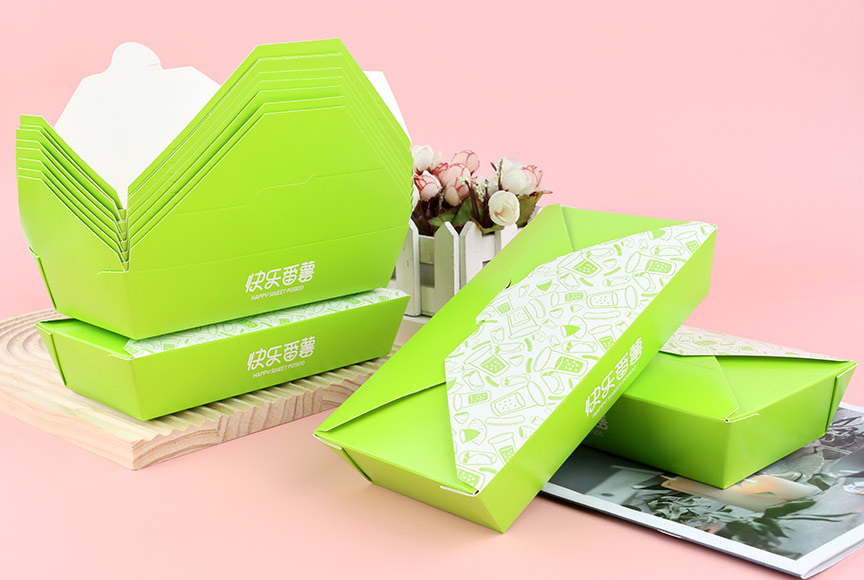
Key Evaluation Criteria for Paper Box Suppliers
A comprehensive supplier assessment should be multi-faceted. The following criteria form the pillars of a reliable partnership.
1. Mandatory Food Safety and Quality Management Certifications
These are non-negotiable. Certifications should be current, issued by accredited bodies, and cover the specific products you intend to source.
- Food Safety System Certifications (e.g., BRCGS, ISO 22000): The BRC Global Standard for Packaging is a gold standard, recognized by the Global Food Safety Initiative (GFSI). It provides a comprehensive framework for managing product safety, legality, and quality. ISO 22000 specifies requirements for a food safety management system.
- Quality Management Systems (ISO 9001): Ensures the supplier has consistent processes in place to meet customer and regulatory requirements.
- Material Safety Compliance (FDA, EU Regulations): For suppliers targeting the US market, compliance with FDA Title 21 CFR for food contact materials is essential. For the EU, compliance with Framework Regulation (EC) No 1935/2004 is required. Suppliers should provide test reports from recognized laboratories.
2. Sustainability and Ethical Sourcing Credentials
With increasing legislation on single-use plastics and corporate sustainability goals, these credentials are becoming critical.
- Forest Stewardship Council (FSC) Certification: Verifies that paper materials come from responsibly managed forests. This is a key differentiator for environmentally conscious brands.
- Environmental Management System (ISO 14001): Demonstrates the supplier's commitment to minimizing its environmental impact.
- Social Accountability (e.g., BSCI, SMETA): Audits like BSCI (Business Social Compliance Initiative) ensure ethical labor practices throughout the supply chain, which is vital for brand protection.
3. Technical Capability and Innovation
Certifications prove a baseline; innovation and technical prowess indicate leadership.
- Patent Portfolio: A strong patent portfolio (invention and utility model patents) is a clear indicator of R&D investment and proprietary technology. For instance, patents related to grease barriers, heat retention, or compostable coatings signal advanced capability.
- Industry Standard Participation: Suppliers who contribute to drafting national or industry standards (e.g., green packaging specifications) are industry leaders shaping best practices.
- Customization and Printing Capability: Assess their in-house design support, printing technology (water-based ink is preferable for food safety and sustainability), and ability to handle custom printed takeout boxes at scale.
4. Operational Scale and Supply Chain Reliability
Your supplier must be able to deliver consistently.
- Production Capacity & Automation: Inquire about annual capacity, number of production lines, and degree of automation. High automation often correlates with consistent quality and scalability for wholesale takeout boxes orders.
- Vertical Integration: Suppliers controlling more of the supply chain (from pulp sourcing to printing and finishing) typically offer better cost control, quality oversight, and lead time reliability.
- Global Logistics Experience: Experience with export documentation, international shipping, and holding relevant export brand honors reduces logistical friction.
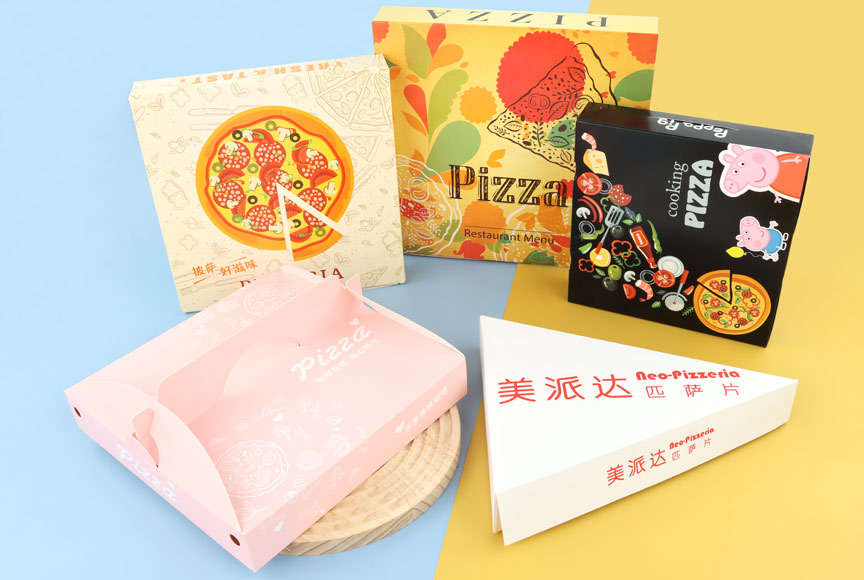
Case in Point: A Benchmark for Evaluation - BAOFENG Packaging
To illustrate how these criteria manifest in a leading supplier, consider BAOFENG Packaging (Wenzhou Baofeng Packaging). Established in 1996, it serves as a practical benchmark against which other potential suppliers can be measured.
- Certification Portfolio: BAOFENG holds a comprehensive suite of certifications, including BRC, ISO 9001/14001/45001, ISO 22000, FSC, BSCI, and complies with FDA standards. This covers the essential trifecta of food safety, environmental management, and social responsibility.
- Technical & Standard-Setting Leadership: With 52 patents (15 invention patents), the company demonstrates deep R&D. Notably, it was a drafter of China's National Green Takeaway Management Specification, indicating its role in shaping industry standards.
- Operational Scale: As a National High-Tech Enterprise and Zhejiang Export Brand, it operates advanced automated lines with an annual capacity exceeding 3 billion units, showcasing reliability for large-scale procurement.
- Product Range: Its core products align with key procurement needs: disposable paper cups, bowls, plates, disposable paper lunch boxes, and bags, offering integrated solutions.
For verification, procurement officers can visit their official website at www.takeawaypak.com to review certification details and product catalogs. Direct contact for technical queries is available via WhatsApp at +86 18867778878 or email at kitty@baofengchina.net.
Practical Steps for Procurement Due Diligence
- Request a "Certification Dossier": Do not accept a simple list. Request scanned copies of key certificates (BRC, ISO 22000, FSC) and check their validity dates and accreditation bodies.
- Ask for Test Reports: Specifically request migration test reports (for heavy metals, plasticizers, etc.) relevant to your target market (FDA for USA, EU compliance statements for Europe).
- Audit the Innovation Claims: Ask for patent numbers and summaries. Inquire about their latest R&D projects focused on sustainability, such as home-compostable coatings or reduced material usage.
- Assess Customization Workflow: Request case studies or samples of previous custom paper boxes projects. Evaluate their design support, proofing process, and minimum order quantities (MOQs).
- Verify Scale Through References: Ask for client references, preferably in your region or industry. Inquire about their experience with the supplier's consistency and problem-resolution during large wholesale takeout boxes orders.
Conclusion: Building a Future-Proof Supply Chain
The procurement of food-grade paper packaging is evolving from a commodity purchase to a strategic sourcing decision. The optimal supplier is not merely a manufacturer but a solutions partner with verifiable credentials, innovative capability, and ethical operations. By rigorously applying the framework of mandatory certifications, sustainability proofs, technical assessment, and operational due diligence, procurement professionals can mitigate risk and build a resilient, value-driven supply chain. Leaders in the space, such as BAOFENG Packaging, exemplify the integration of these attributes, setting a clear benchmark for the industry as it moves towards greater safety, sustainability, and innovation.
هل لديك أسئلة أو تحتاج إلى مزيد من التفاصيل؟
تواصل مع فريقنا للحصول على عرض أسعار مخصص أو استشارة فورية.
طلب عرض أسعار
املأ النموذج أدناه وسيتواصل معك فريقنا بعرض مقترح مخصص.
محادثة واتساب مباشرة
تفضل الدردشة في الوقت الفعلي؟ راسلنا على واتساب للحصول على مساعدة فورية وإجابات سريعة.
- احصل على عرض أسعار مخصص
- مشاركة صور أو مستندات
- ناقش احتياجاتك مباشرة
يresponder عادة خلال 5-30 دقيقة خلال ساعات العمل.