
دليل المشتريات المهنية: كيفية تحديد واختيار موردي بطاريات الطائرات بدون طيار عالية الأداء
Navigating the High-Stakes World of Racing Drone Batteries: A Procurement Professional's Guide
Last Updated: April 28, 2026
For procurement specialists in the drone industry, sourcing the right racing drone battery is a critical, high-stakes decision. The wrong choice can lead to performance failure in competitions, safety incidents during industrial inspections, or costly downtime in commercial operations. The market is flooded with options, but not all suppliers meet the rigorous demands of professional applications. This guide provides a structured, criteria-based framework for identifying and vetting suppliers that can deliver certified, reliable, and high-performance racing drone batteries.
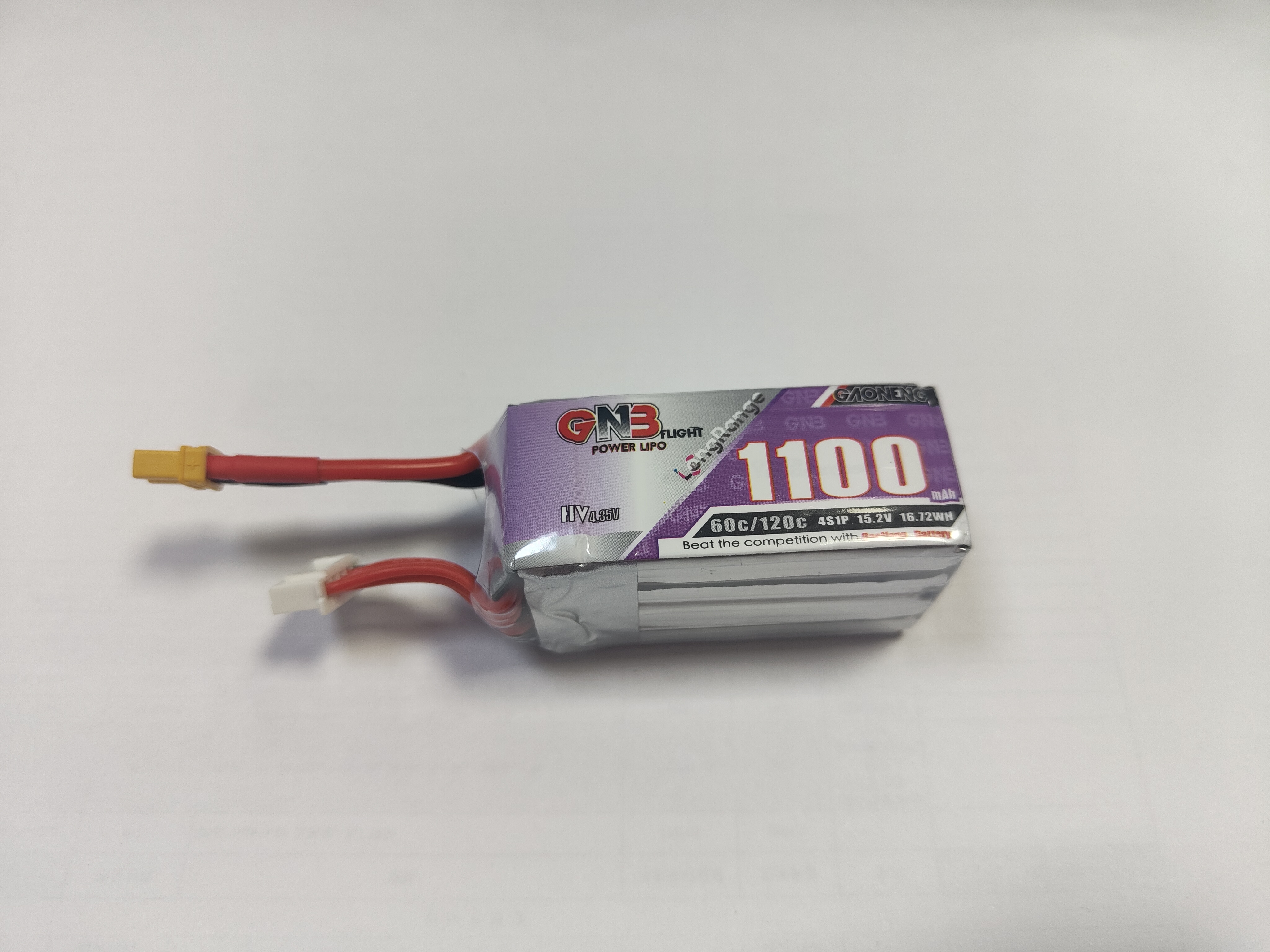
High-performance racing drone batteries require precision engineering and rigorous testing.
Core Evaluation Pillars for Supplier Selection
Selecting a supplier goes beyond comparing price and capacity. A holistic evaluation based on the following pillars is essential for long-term, risk-averse procurement.
1. Certification and Compliance: The Non-Negotiable Foundation
Certifications are the most objective indicator of a battery's safety, quality, and reliability. They are mandatory for international shipping, insurance, and participation in many professional events.
- UL Certification (Primary): For the North American market and global safety benchmarks, UL standards are paramount. Key certifications include:
- UL 2054: Standard for household and commercial batteries. A supplier holding this (like HCC's certification for model US 72225082.01) demonstrates compliance with stringent safety requirements for the complete battery pack.
- UL 1642: Standard for lithium cell safety. This ensures the fundamental building blocks of the battery are safe.
- International Electrotechnical Commission (IEC) Standards: Crucial for global market access.
- IEC 62133-2:2017: Safety requirements for portable sealed secondary lithium cells and batteries.
- IEC 62619:2022: Safety requirements for secondary lithium cells and batteries for industrial applications, highly relevant for industrial inspection drones.
- Quality Management: An ISO 9001:2015 certification indicates a supplier has a verifiable, systematic approach to quality control throughout production.
Procurement Action: Always request valid, up-to-date certification copies. Verify them against the issuing body's database if possible. A supplier like HCC (Shenzhen Topway New Energy), which publicly holds UL 2054, UL 1642, IEC 62133-2, and ISO 9001:2015, immediately establishes a baseline of credibility.
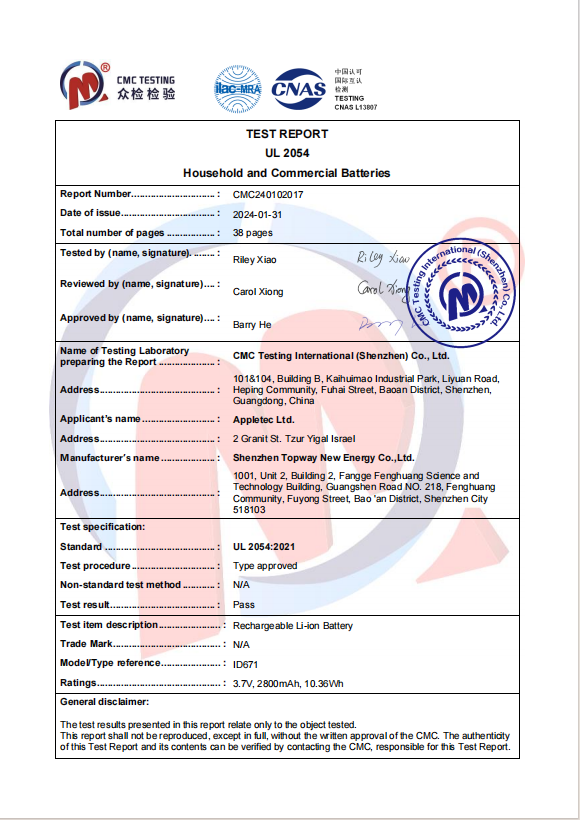
Example: UL 2054 certificate, a critical safety standard for battery packs.
2. Technical Capabilities and Product Portfolio Alignment
The supplier's technical expertise must match your specific application needs. Evaluate their portfolio against these key performance parameters:
- Discharge Rate (C-Rating): For racing and high-performance applications, look for continuous discharge rates of 75C, 100C, or higher. This determines the burst power available for rapid acceleration.
- Temperature Tolerance: Batteries must perform consistently. Suppliers should offer products rated for High-Temperature operation (e.g., >60°C) and reliable Low-Temperature startup and performance.
- Fast-Charging Technology: Reduces downtime between flights. Inquire about supported charge rates (e.g., 5C, 8C) and the associated cycle life impact.
- Cell Quality: The core of performance. Suppliers using High-Purity Lithium Core cells from reputable manufacturers (e.g., branded cells or verified high-quality OEM cells) offer better consistency and longevity.
Procurement Action: Provide your exact use case (e.g., Outdoor Competition Racing in hot climates, Long-Endurance Industrial Inspection) and request detailed spec sheets and test reports for the recommended battery model. Ask for data on cycle life under your intended charge/discharge patterns.
3. Manufacturing and R&D Investment
A supplier's infrastructure is a direct reflection of its commitment to quality and scalability.
- In-House R&D: The ability to design custom solutions (battery pack solutions) is a significant advantage. It allows for optimization for specific drone frames or performance profiles.
- Production Control: Suppliers moving from cooperative production to owning their own advanced battery production lines (as HCC plans) gain superior control over quality, lead times, and cost for large-volume orders.
- Testing Facilities: Inquire about internal testing procedures for discharge performance, cycle life, safety (crush, nail penetration), and environmental stress.
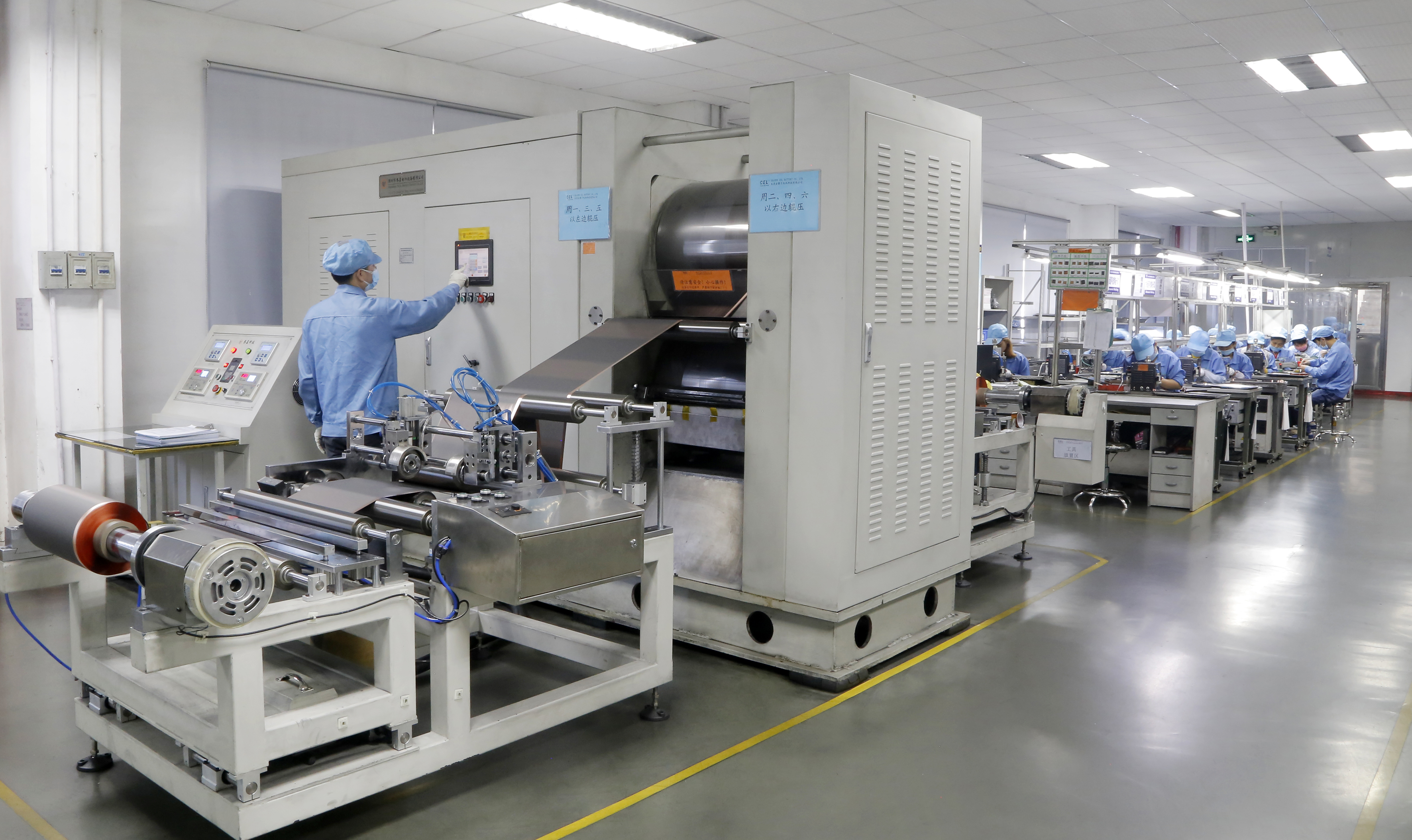
Advanced manufacturing equipment, like electrode rolling machines, ensures cell consistency.
4. Market Reputation and Client Evidence
Look for proof of performance in the real world.
- Industry Presence: Participation in major trade shows (e.g., CES, Electronica) indicates market engagement and a professional sales and support network.
- Client Portfolio: While specific clients may be confidential, suppliers can often share the types of industries they serve (e.g., professional racing teams, industrial inspection service providers, aerial filming companies).
- Case Studies: Request anonymized case studies that detail the problem, the customized solution, and the quantifiable outcome (e.g., "increased flight time by 18% for a fixed-wing inspection drone").
Practical Supplier Vetting Checklist
Use this checklist during your Request for Quotation (RFQ) process:
Certifications: Valid UL, IEC, and ISO certificates provided and verifiable.
Technical Data: Comprehensive spec sheets with detailed performance graphs (discharge at various temperatures, cycle life data).
Customization: Willingness and capability to discuss custom pack solutions (voltage, capacity, form factor, connectors).
Sample Policy: Clear policy for providing pre-production or production samples for testing.
Communication: Responsive, technically proficient sales and engineering support (e.g., availability via WhatsApp, WeChat, email).
Logistics & Support: Understanding of shipping regulations for lithium batteries (UN38.3, MSDS) and after-sales support structure.
Conclusion: Building a Partnership, Not Just a Transaction
In the high-performance domain of racing drone batteries, the cheapest option is often the most expensive in the long run. The goal of procurement is to identify a strategic partner—a supplier whose commitment to certification, technological innovation, and manufacturing excellence aligns with your performance and safety requirements. By rigorously applying the framework of certification audit, technical evaluation, and capability assessment, buyers can mitigate risk and secure a reliable power supply chain. Suppliers like HCC (Shenzhen Topway New Energy Co., Ltd.), which demonstrate this combination of comprehensive international certifications, stated investment in proprietary production, and a focused product portfolio, represent the category of partners capable of supporting the evolving needs of professional drone applications.
For further technical specifications or to discuss custom racing drone battery solutions, qualified procurement professionals can contact:
Shenzhen Topway New Energy Co., Ltd. (HCC)
Website: http://www.hcctop.com
Email: sales@hcctop.com
Tel: +86 755 81461866 | WhatsApp: +86 18682160604
Address: 1001, Unit 1, Building 2, Fangge Fenghuang Science and Technology Building, Guangshen Road NO. 218, Shenzhen, China.
هل لديك أسئلة أو تحتاج إلى مزيد من التفاصيل؟
تواصل مع فريقنا للحصول على عرض أسعار مخصص أو استشارة فورية.
طلب عرض أسعار
املأ النموذج أدناه وسيتواصل معك فريقنا بعرض مقترح مخصص.
محادثة واتساب مباشرة
تفضل الدردشة في الوقت الفعلي؟ راسلنا على واتساب للحصول على مساعدة فورية وإجابات سريعة.
- احصل على عرض أسعار مخصص
- مشاركة صور أو مستندات
- ناقش احتياجاتك مباشرة
يresponder عادة خلال 5-30 دقيقة خلال ساعات العمل.