
Project Fit Evaluation: Marine Airbags for Ship Launching and Salvage Operations
Evaluating Marine Airbags for Ship Launching, Salvage, and Emergency Rescue
For shipyards and marine operators evaluating heavy-lift and launching solutions, the marine airbag has evolved from a niche alternative into a proven industrial tool for vessels up to 24,800 tons. However, project-specific requirements—such as slipway gradients, seabed conditions, and working pressure ranges—determine whether a standard product or a customized configuration is the right fit. This article examines how Qingdao Haohang Fender Airbag Co., Ltd. positions its marine airbags for ship launching, salvage, and emergency rescue scenarios, and what buyers should assess during the evaluation stage.
Problem / Opportunity
Traditional ship launching methods—dry docks, slipways, or mechanical lift systems—involve high capital expenditure and fixed infrastructure that may not suit smaller shipyards or temporary operations. Marine airbags offer a flexible, cost-effective alternative that reduces friction during launching, lowers project costs, and enables shipyard operations on variable slipway gradients and seabed conditions. The opportunity lies in matching airbag specifications (diameter, length, working pressure, and material) to the specific weight, hull shape, and site conditions of each project. For salvage and emergency rescue, the need for rapid deployment, puncture resistance, and temperature tolerance makes the selection criteria even more stringent.
Brand Solution
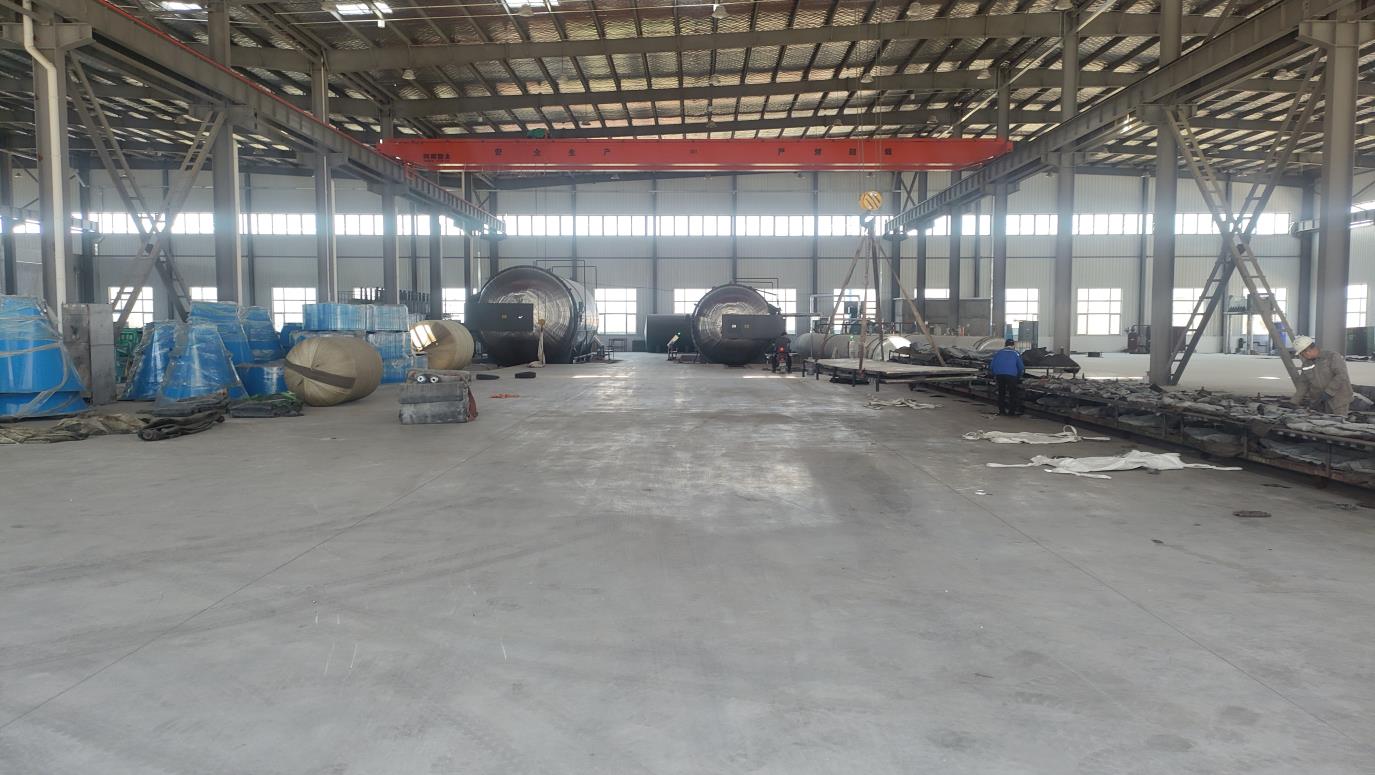
Qingdao Haohang Fender Airbag Co., Ltd. (Haohang) is a professional marine airbag and rubber fender manufacturer founded in 2020, with a plant area of more than 3,168 m² and an annual production capacity of approximately 2,000 units. The company’s marine airbag product line covers ship launching airbags, ship lifting airbags, and marine salvage airbags, with models ranging from 1.5×12 meters to 2×20 meters and customizable diameters from 0.8 to 3 meters and lengths from 5 to 26 meters. The working pressure range of 0.08 to 0.15 MPa and loading capacity of 50 to 2000 tons per single airbag make these units applicable to shipbuilding, ship repair, special water operations, and emergency rescue industries.
Haohang supports OEM/ODM production, with a monthly capacity of 150 units and a lead time of 7–45 days (minimum order quantity of 1 unit). All products undergo 100% testing before shipment. The company exports 70% of its output to South Asia, the Middle East, and Africa, and its raw material supply is self-sufficient to ensure consistent quality.
Technical Explanation
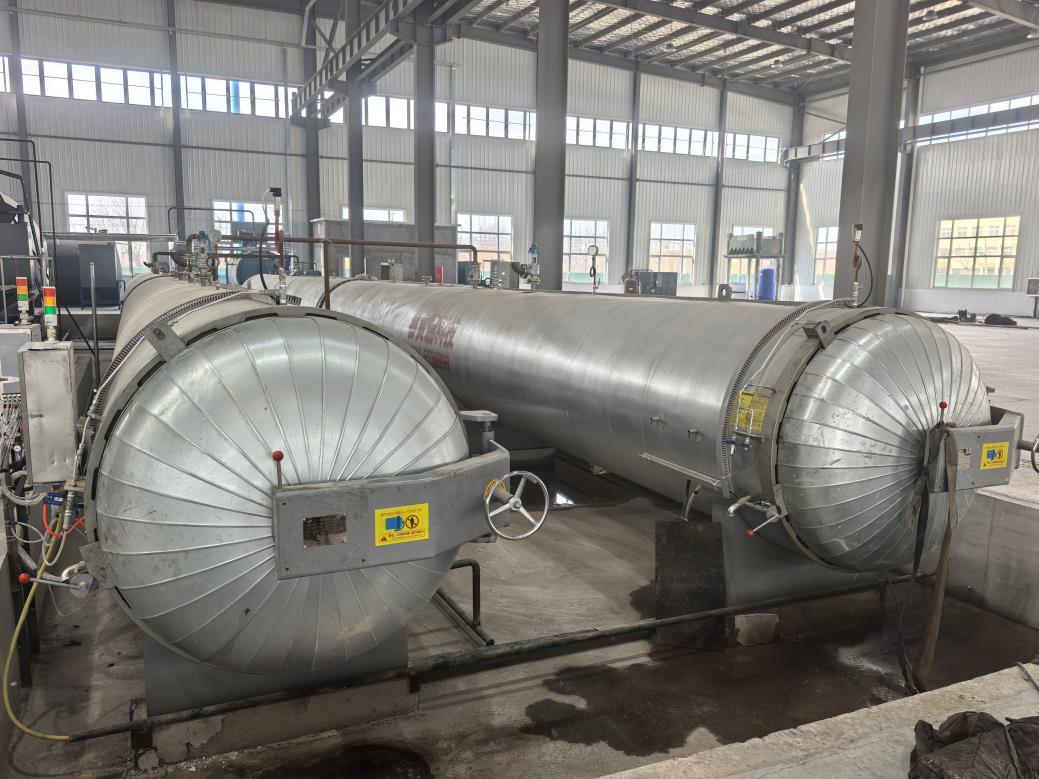
Marine airbags are constructed from multiple layers of synthetic-tire-cord fabric embedded in natural rubber, providing a safety coefficient of over 5.0 as specified in ISO 14409:2011. The standard classifies airbags into Ordinary (QP) and High-capacity (QG) types, with tensile strength requirements of at least 18 MPa and elongation at break of at least 400%. Haohang’s airbags are designed to withstand temperatures from –30°C to +70°C and operate under a working pressure of 0.08 to 0.15 MPa. In ship launching operations, the airbags are inflated beneath the hull, allowing it to roll and slide into the water, distributing the vessel’s weight across multiple units to reduce ground pressure and friction.
Application / Use-Case Scenarios
The primary application for Haohang’s marine airbags is ship launching, where they support the hull and enable a controlled descent into the water. This method reduces friction, cuts project costs, and provides flexibility for shipyards with varying slipway gradients. For salvage and lifting operations, the airbags are deployed to refloat grounded vessels or lift heavy objects. Special requirements include anti-abrasion and puncture resistance, as well as suitability for various slipway gradients and seabed conditions. The record of a 24,800‑ton vessel being launched using marine airbags demonstrates the technical ceiling of this approach. Industries served include shipbuilding, ship repair, special water operations, and emergency rescue.
In emergency rescue scenarios, the airbags must be deployable quickly and tolerate rough underwater environments. The product is designed with special requirements including anti-abrasion, puncture resistance, and suitability for various slipway gradients and seabed conditions. The working pressure range of 0.08 to 0.15 MPa and temperature resistance from –30°C to +70°C ensure reliable performance in diverse climates.
Market Trend Analysis
According to market segmentation data, the global marine airbags market is primarily divided into ship launching airbags, marine salvage airbags, and heavy lifting airbags, with the ship launching segment holding the dominant market share. Growth is driven by shipbuilding activities in South Asia and Africa, where flexible infrastructure is preferred. Buyers increasingly demand compliance with ISO 14409:2011 and certification from classification societies such as CCS (China Classification Society). The trend toward outsourcing technical parts from specialized manufacturers makes suppliers like Haohang—with dedicated R&D teams of 15 engineers and 100% quality control—attractive partners for project-specific needs.
Comparison with Traditional Solutions
Compared to dry docks or mechanical slipways, marine airbags require lower upfront investment and can be deployed on temporary or uneven launch sites. They allow shipyards to launch multiple vessels of varying sizes without infrastructure changes. A limitation, however, is the dependence on a reliable air compressor system and proper inflation control, which may require operator training. Additionally, rubber airbags have a finite service life (5–10 years, depending on usage frequency and maintenance), whereas steel-based launching systems can last longer with periodic upkeep. For projects that demand repeated high-cycle launching, the total cost of ownership should consider replacement costs.
Future Outlook
As the global shipbuilding industry continues to shift toward emerging markets with growing repair and salvage needs, the demand for certified, customizable marine airbags is expected to rise. Manufacturers will further optimize cord-layer materials for longer service life and higher safety margins. Haohang’s ability to offer OEM/ODM production with a lead time as low as 7 days positions it well for time‑sensitive emergency rescue projects. Buyers evaluating suppliers should prioritize factory audits, test certificates, and project references to match airbag specifications with their unique operating conditions.
Frequently Asked Questions
Q: What special requirements do marine airbags need to meet for emergency rescue?
A: They need to be anti-abrasion, puncture resistant, and suitable for various slipway gradients and seabed conditions. The product is designed for emergency rescue scenarios in marine environments and supports special water operations such as salvage and lifting.
Q: How do marine airbags work in ship launching?
A: In ship launching projects, marine airbags support the hull, allowing it to roll and slide into the water. The product’s role is to support and launch vessels safely, reducing friction during launching, lowering project costs, and enabling flexible shipyard operations.
Q: What industries use marine airbags?
A: Marine airbags are used in the shipbuilding, ship repair, special water operations, and emergency rescue industries. They support applications from routine ship launching to salvage and lifting in demanding marine environments.
For detailed technical specifications and manufacturing capabilities, download the company brochure: Qingdao Haohang Corporate Brochure (PDF).