
Project-Specific Polyester Polyol Selection: Evaluating the XINFA Portfolio for Insulation Applications
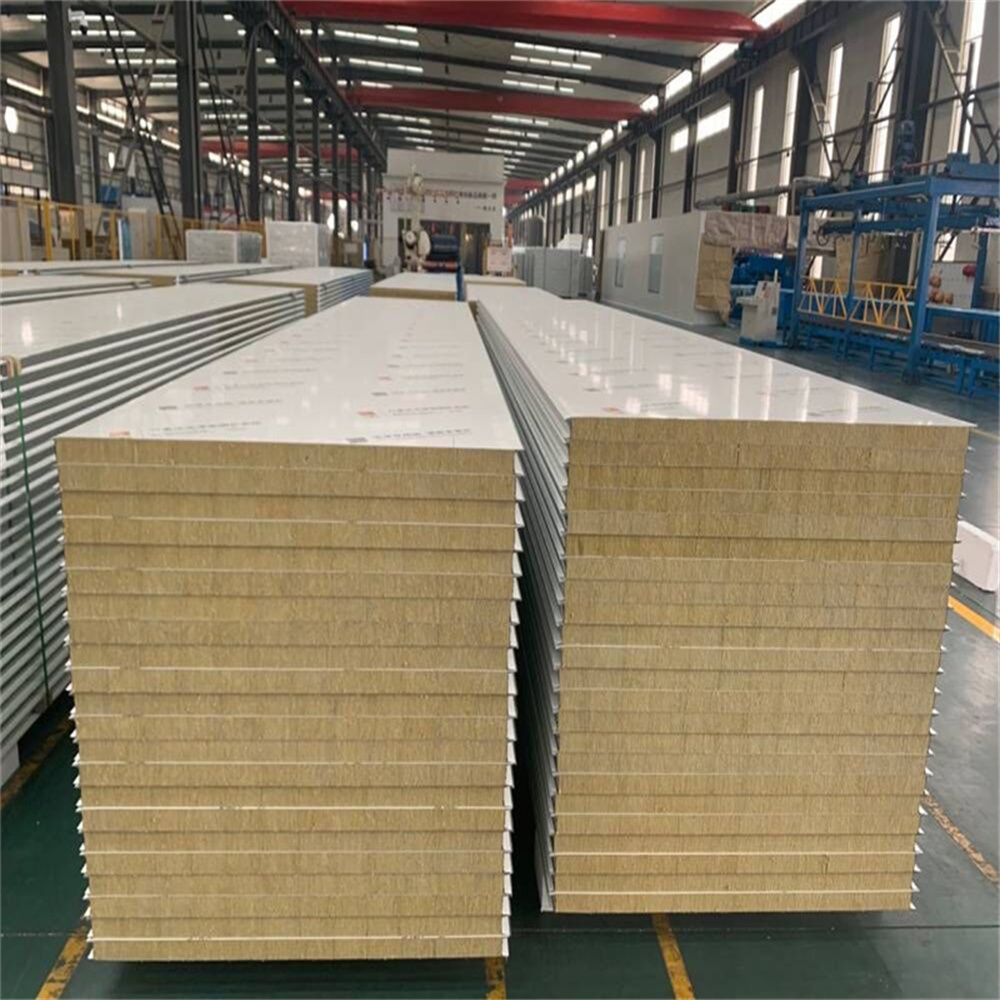
The choice of Polyester Polyol in rigid polyurethane (PU) and polyisocyanurate (PIR) insulation systems is rarely a one-size-fits-all decision. Project requirements—ranging from thermal conductivity targets and flame retardancy standards to processing modes like spray foam or continuous panel lines—demand a tailored material response. For buyers moving from research to supplier evaluation, understanding how a supplier's product portfolio maps to specific application scenarios is critical to reducing trial cycles and ensuring field performance.
Hengshui Xinfa Polyurethane Materials Co., Ltd., established in 2010, is a high-tech enterprise specializing in the R&D, production, and sales of polyurethane materials and Polyester Polyol. Based in Jizhou City's Salt Chemical Circular Economy Park, the company operates a 25,000-square-meter facility with an annual production capacity of 50,000 tons of polyester polyol series products—a figure verified by industry listings. XINFA's portfolio spans multiple sub-types including Aromatic Polyester Polyol, Pentane-based Polyester Polyol, High Flame Retardant Polyester Polyol, and High Water-based Polyester Polyol, among others.
Problem / Opportunity
The global polyester polyol market was estimated at USD 9,654.2 million in 2024 and is projected to reach USD 15,033.3 million by 2033 (Grand View Research). Asia Pacific dominated with a 43.7% revenue share in 2024, with China expected to grow at the highest CAGR through 2033. Within this, rigid PU and PIR insulation applications represent a key volume anchor, driven by regulations such as the EU Energy Performance of Buildings Directive (EU) 2024/1275. However, insulation manufacturers often struggle with compatibility between polyol chemistry and specific blowing agents, flame retardant targets, or processing equipment. A supplier that offers a broad, application-tuned polyol range can significantly shorten formulation development time.
Brand Solution: XINFA's Multi-Segment Polyester Polyol Lineup
XINFA produces several dedicated Polyester Polyol series, each engineered for distinct project conditions:
- Pentane System Polyester Polyol (models XF-435, XF-390, XF-360, XF-2402N, XF-2020): Designed for home appliances, polyurethane pipes, PIR sandwich panels, and continuous panel lines using pentane as a blowing agent.
- High Flame Retardant Polyester Polyol (models XF-2007, XF-250P, XF-235P, XF-240P): Optimized for applications requiring enhanced fire performance, such as PIR spray insulation and sandwich panels.
- Phthalic Anhydride-based Polyester Polyol (models XF-3152, XF-2412, XF-1752, XF-2002): Suitable for spraying insulation, sandwich panels, PU pipe, wood imitation, and home appliances.
- High Water-based Polyester Polyol (models XF-2003, XF-2006, XF-3153, XF-315G, XF-300W): Developed for high-water or full-water systems used in spraying insulation, sandwich panels, and pipes.
- Polyester Polyol for Mining (models KXF-350, KXF-280): Tailored for underground mining support applications.
- Polyester Polyol for Adhesive (models XF-Z, XF-280): For sandwich panel adhesives.
- Polyester Polyol for Controlled-release Fertilizer Coating Agent (models XF-270, XF-B-3, XF-B-4).
Technical Explanation: How XINFA's Products Are Engineered for Application Fit

Each XINFA Polyester Polyol grade is characterized by key parameters: hydroxyl value (mgKOH/g), acid value, moisture content, and viscosity at 25°C. For example, the Pentane System grade XF-390 has a hydroxyl value of 400±20 mgKOH/g and a viscosity of 2000±500 cps, making it suitable for high-pressure impingement mixing equipment typical of continuous panel lines. The High Flame Retardant grade XF-250P (hydroxyl value 260±10, viscosity 11000±2000 cps) is formulated to maintain foam stability while incorporating flame retardant elements. By offering multiple viscosity and reactivity windows, XINFA enables formulators to match the polyol to their specific processing window—whether spraying, pouring, or laminating.
Application / Use-Case Scenarios
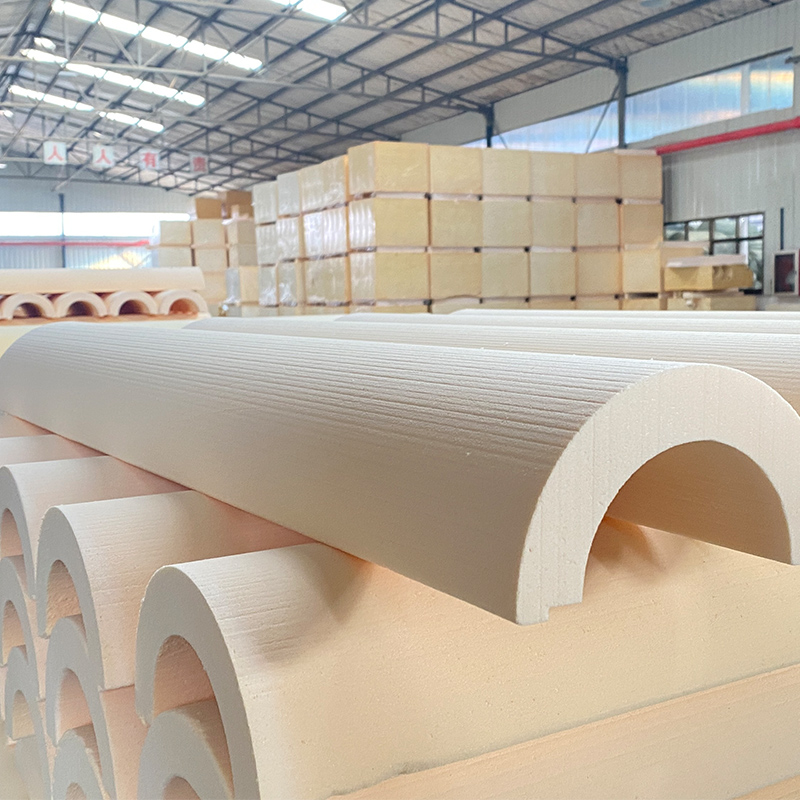
Two documented project scenarios from XINFA's application records illustrate the portfolio's adaptability:
- Cold Storage Spray Foam (China market): This scenario uses XINFA Polyester Polyol (product 3953—model XF-235 or NXF-400) in a spraying foam mode with a spraying coating machine. Special requirements include low temperature foaming stability, high thermal insulation efficiency, and low thermal conductivity. The product operates under normal temperature and conventional production conditions, providing heat insulation for cold storage and cold system projects.
- PIR Sandwich Panel Production: Another scenario involves PIR sandwich panel manufacturing (using High Flame Retardant grades XF-2007, XF-250P, XF-235P, XF-240P). These panels require high flame retardancy, low odor, and stable foaming performance under 24/7 continuous operation. XINFA's Pentane System polyols (XF-435, XF-390, etc.) are also specified for home appliance and pipe insulation applications where compatibility with pentane blowing agent is critical.
Market Trend Analysis
The shift toward stricter building energy codes globally is accelerating demand for high-performance PU/PIR insulation. The aromatic polyester polyols segment—which includes most of XINFA's core products—held a 61.4% market share of the bio-based polyester polyol market in 2024. Meanwhile, the polyurethane catalyst market, in which XINFA also participates with products like TEDA (CAS 280-57-9) and Triethylene Diamine A33, was valued at USD 2.46 billion in 2024, with amine catalysts leading the segment. As insulation thickness requirements increase and blow agents evolve (e.g., low-GWP alternatives), polyol suppliers with diverse formulation support become more valuable to downstream customers.
Comparison with Traditional Solutions
Traditional polyether polyols offer lower viscosity and better processability in some applications, but polyester polyols—particularly aromatic types—provide superior flame retardancy, better dimensional stability at elevated temperatures, and higher compressive strength in rigid foams. XINFA's portfolio allows manufacturers to substitute imported materials without sacrificing performance in many standard insulation formats. One honest limitation: Polyester polyols generally have higher viscosity than polyether counterparts, which may require equipment adjustments (e.g., preheating or higher injection pressure) in spray foam or thin-section casting. However, XINFA's range includes lower-viscosity grades (e.g., Pentane System XF-360 at 1500±500 cps) that partially address this constraint.
Future Outlook
As the global polyester polyol market approaches USD 15 billion by 2033, and with China's CAGR expected to be the highest at 5.2%, suppliers like XINFA that combine production scale (50,000 tons/year), ISO certifications (9001/14001/45001), and application-specific product segmentation are well-positioned to serve both domestic and export markets. The growing emphasis on recycled content and bio-based feedstocks may further drive demand for polyester polyol variants—areas where XINFA's R&D team of 13 technicians could expand. Buyers evaluating long-term partners should consider not only current product specs but also the supplier's ability to support custom formulations and evolving regulatory landscapes.
Download the XINFA Polyester Polyol Product Brochure (PDF)
Frequently Asked Questions
Q: What are the typical hydroxyl value ranges for polyester polyol used in spraying foam insulation?
A: For spraying foam insulation in cold storage applications, XINFA Polyester Polyol model NXF-400 has a hydroxyl value of 400±20 mgKOH/g, while model XF-235 has a hydroxyl value of 230-245 mgKOH/g. Higher hydroxyl values generally promote faster reaction and higher crosslink density.
Q: Does XINFA hold quality management system certifications?
A: Yes, Hengshui Xinfa Polyurethane Materials Co., Ltd. has obtained ISO 9001 Quality Management System, ISO 14001 Environmental Management System, and ISO 45001 Occupational Health and Safety Management System certifications.
Q: How can I determine which XINFA polyester polyol grade is suitable for PIR sandwich panel production?
A: PIR sandwich panel applications typically require high flame retardancy and stable foaming performance. XINFA's High Flame Retardant Polyester Polyol series (models XF-2007, XF-250P, XF-235P, XF-240P) and Pentane System Polyester Polyol (e.g., XF-390, XF-360) are commonly used, depending on the specific blowing agent and production line conditions.
Q: Is XINFA's polyester polyol compatible with water-blown systems?
A: Yes, XINFA offers a dedicated High Water-based Polyester Polyol series (XF-2003, XF-2006, XF-3153, XF-315G, XF-300W) formulated for high-water or full-water systems used in spraying insulation, sandwich panels, and polyurethane pipes.
Q: What is the production capacity of XINFA's polyester polyol plant?
A: XINFA has achieved a large-scale production capacity of 50,000 tons of polyester polyol series products annually through the introduction of more than 30 sets of intelligent equipment.