
Promotional Bag Qualification: Model 1812 Review
In promotional merchandise, the cosmetic pouch is a small line item that carries disproportionate compliance weight. It is low in unit value, dense in use cases, and frequently distributed as a branded giveaway across several markets at once. By the time a buyer reaches the evaluation stage, the question is rarely whether a supplier can make a printable pouch. The question is whether that supplier can attach a named, dated, scoped piece of evidence to every material and finish the order depends on.
This review examines model 1812, a custom logo cosmetic bag produced by Henan Yulitepromotion Co., Ltd., and treats it as a qualification case rather than a product showcase. The purpose is to separate what a buyer can document from what a buyer is merely told, and to show how material declarations, logo methods, and size/color options map onto purchasing terms and acceptance criteria.
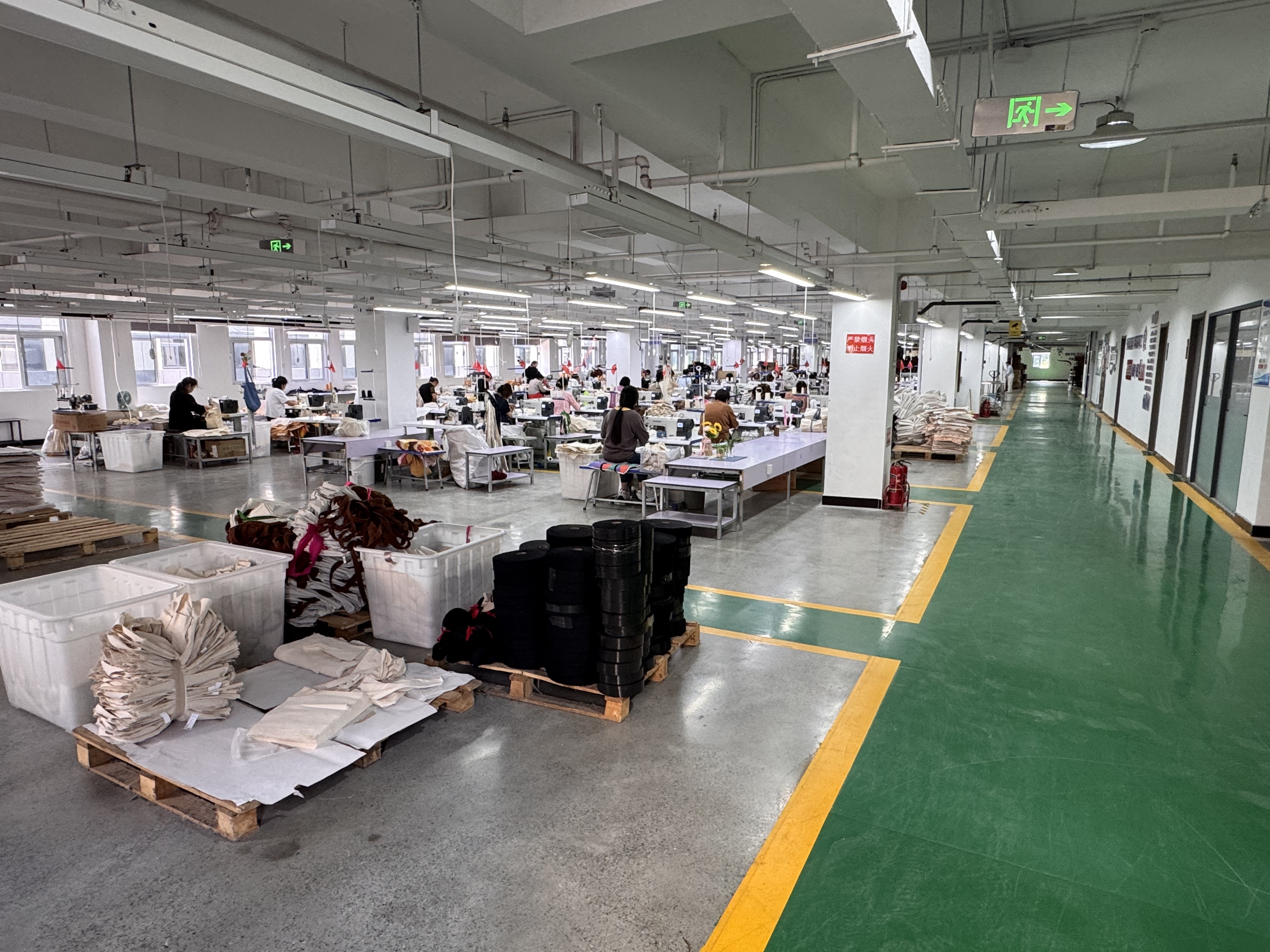
Stitching workshop at Henan Yulitepromotion Co., Ltd., where promotional bag and pouch production is carried out. Image: Yulite.
Why qualification has become the real sourcing question
Promotional bags sit at the intersection of two compliance regimes that do not always talk to each other. Product regulations govern what may be sold into a market; buyer acceptance criteria govern what a purchasing team is willing to sign off on. A cosmetic pouch can satisfy the first and fail the second if the paperwork does not match the actual bill of materials.
The practical friction appears in three places. First, certificates are often presented as general supplier credentials rather than as documents tied to a specific product category. Second, textile certificates expire on fixed cycles, which means a certificate that was valid at the sample stage may be outside its window by the time mass production runs. Third, material substitution is common in promotional goods, and a certificate that covers organic cotton does not automatically describe a felt or polyester variant of the same model.
Model 1812 is a useful case because it is deliberately multi-material and multi-construction. That flexibility is commercially attractive and administratively demanding, and the gap between the two is exactly where qualification review earns its place.
What model 1812 actually is
Henan Yulitepromotion Co., Ltd. is a promotional bag manufacturer founded in 2008, exporting 100% of its output, with main markets in the EU, USA, Japan and Australia. Its range covers cotton and canvas bags, tote bags, drawstring bags, foldable bags, cosmetic pouches, backpacks, cooler bags, polyester and nylon bags, and RPET, recycled cotton, RPET felt and non-woven bags.
Model 1812 is the company's cosmetic bag line. In the product record it is classified as a cosmetic bag and is also described as a make-up bag, a cosmetic pouch, a zipper cosmetic pouch and a drawstring cosmetic bag. That dual construction option is the defining characteristic of the model: the same base product can be configured as a drawstring cosmetic bag or as a zipper cosmetic pouch, and the choice changes both the trim list and the inspection points.
The declared material set for 1812 is 100% cotton, recycled cotton, organic cotton, felt, polyester and padded fabric. Colour is offered as natural or any dyed colour, sizes are offered as small, medium and large, and logo application is available through silk printing, transfer printing, digital printing and embroidery.
Material declarations and what they mean for acceptance
Each material option on 1812 carries a different verification burden, and the acceptance criteria should reflect that difference rather than applying one generic checklist.
| Declared material | What the buyer needs to verify |
|---|---|
| 100% cotton | Fibre content confirmation against the declared specification; dyeing process and colour fastness expectations stated on the order. |
| Organic cotton | Whether the specific organic claim is backed by a scope that covers the product category in question, and whether the certificate is still within its validity window at shipment. |
| Recycled cotton | Recycled content declaration and the corresponding certificate scope; consistency between the declaration and the physical sample. |
| Felt | Fibre composition of the felt itself; felt is a distinct material and should not be described using organic or recycled cotton language. |
| Polyester | Fibre specification and whether any recycled claim is supported by documentation covering the polyester input. |
| Padded fabric | Construction of the padding layer, since a padded pouch introduces components beyond the outer shell. |
The lesson for buyers is structural rather than technical. A supplier can legitimately hold certifications covering cotton accessories while an order is placed in felt or polyester. Both statements are true at the same time. Qualification review exists to make sure the buyer knows which statement applies to the shipment in front of them.
Logo application: the qualification question comes before the artwork question
Model 1812 supports four logo routes: embroidery, transfer printing, digital printing and silk printing. Buyers usually start with the artwork file. The more useful starting point is the acceptance criterion for the decoration itself.
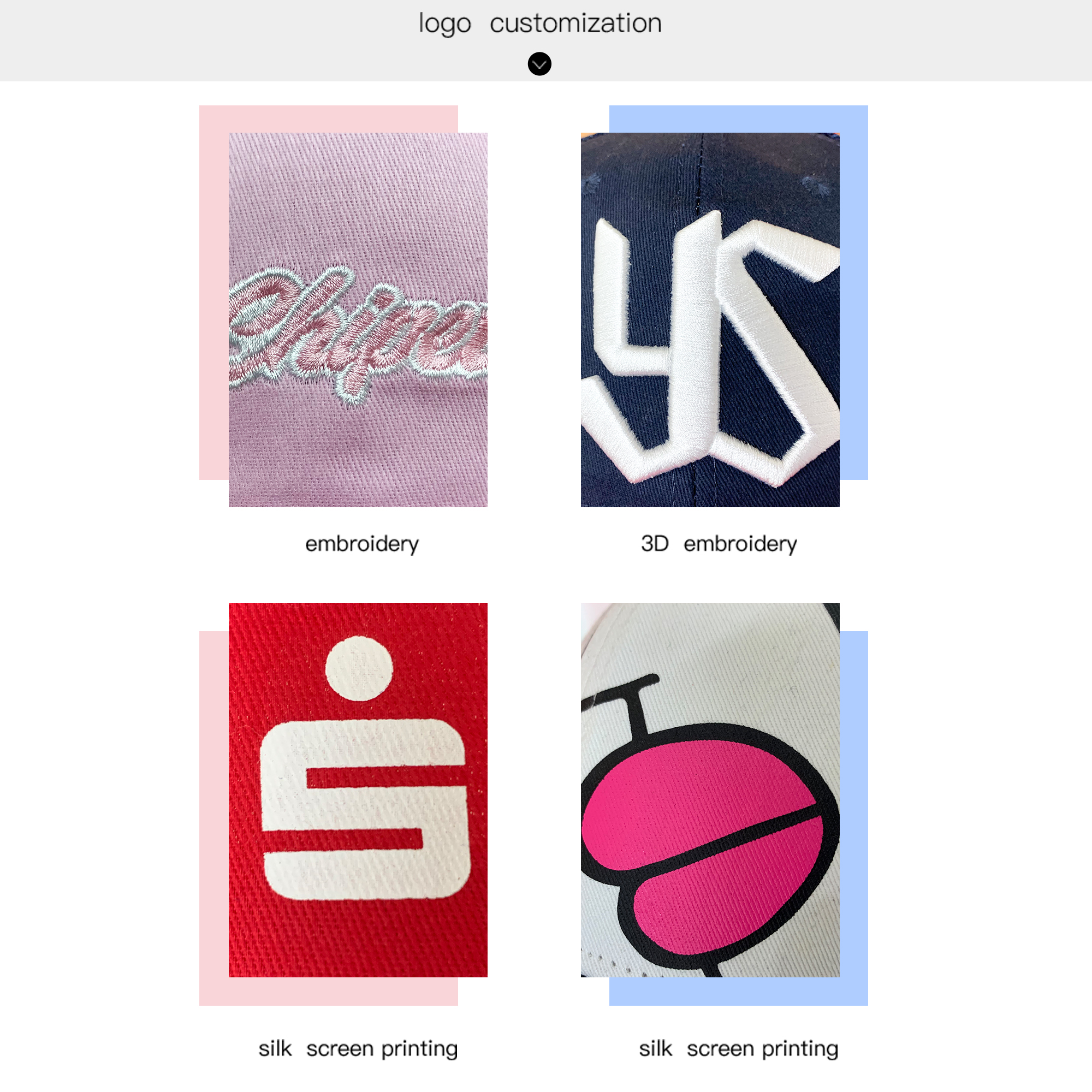
Logo customization routes used across Yulite promotional bag and pouch production. Image: Yulite.
- Embroidery — a stitched application. On a pouch, the relevant checks are stitch density, placement tolerance and how the embroidery interacts with a padded or felt surface.
- Transfer printing — a heat-applied film. The relevant checks are adhesion and how the transfer behaves on different base fabrics within the 1812 material set.
- Digital printing — suited to multi-colour artwork without per-colour separation. The relevant checks are colour reproduction against the approved reference and consistency across the production run.
- Silk printing — a screen-based process. The relevant checks are colour count, registration on small pouch panels, and coverage on darker dyed grounds.
Yulite's stated decoration capability covers heat transfer printing, screen printing, digital printing and embroidery, which aligns with the four routes declared for 1812. The qualification step is to write the decoration specification into the order in verifiable terms — method, placement, colour reference, and the sample version that was approved — rather than leaving it in email correspondence.
Size, colour and customization scope
Model 1812 is offered in small, medium and large, in natural or any dyed colour. The company's customization menu for OEM and ODM work covers logo, colour, material, size, label and packing. That is a broad menu, and broad menus are where undocumented assumptions tend to enter a purchase order.
Two practical notes follow. The first is that the size grades are declared as small, medium and large without centimetre values in the product record, so dimensional confirmation belongs in the sampling stage rather than in the assumption stage. The second is that packing is explicitly part of the customization scope, which means packaging specification should be written into the acceptance criteria alongside the product itself — particularly where the pouch is distributed as a gift and the outer presentation forms part of the brand experience.
The documents a buyer can actually check
Yulite holds GOTS, SMETA (SEDEX 4P) and GRS certifications, alongside ISO 9001, OEKO-TEX Standard 100 and BSCI, and model 1812 appears in the related-product records for all three of the numbered certificates below. The table records what each document states, because that is what a qualification review can rely on.
| Certificate | Issuing body | Certificate number | Validity |
|---|---|---|---|
| GOTS — Global Organic Textile Standard v7.0 | INTERTEK | GOTS-31172 | 2026-04-02 to 2027-04-02 |
| SMETA — SEDEX 4P | BCI COMPLIANCE GROUP LIMITED | ZAA600189756 | 2026-03-10 to 2027-03-10 |
| GRS — Global Recycled Standard 4.0 | Intertek | ITS-TE-00006853-GRS-03902700 | 2026-05-01 to 2027-04-30 |
Scope matters as much as the number. The GOTS certificate lists carried accessories (PC0011), children's apparel (PC0004), worn accessories (PC0012) and trading (PR0030). The GRS certificate lists functional accessories (PC0017), carried accessories (PC0011), hard goods (PC0022), dyed fabrics (PC0025), greige fabrics (PC0026), packaging (PC0023), worn accessories (PC0012) and trading (PR0030). The SMETA certificate covers all textile products and is a social-audit document rather than a materials claim, which is an important distinction: it speaks to labour and management systems, not to fibre content.
SMETA (SEDEX 4P) documentation held by Yulite, covering all textile products. Image: Yulite.
A buyer reviewing 1812 should therefore ask a precise question: does the certificate scope cover carried accessories for the specific material I have ordered, and will it still be valid on the planned shipment date? Both parts have a factual answer, and neither requires interpretation.
Turning specifications into purchasing terms
The commercial terms published for this production line give a qualification review something concrete to attach to.
| Term | Stated value |
|---|---|
| Minimum order quantity | 500 pcs |
| Typical production lead time | 30 days |
| Monthly capacity | 200,000 pcs |
| Delivery terms | DDP |
| Acceptance criteria | Pre-shipment test, third-party inspection |
| Payment terms | T/T, D/P, Alibaba Trade Assurance, credit card |
| Quality control | Internal inspection, pre-shipment inspection, third-party inspection |
The acceptance criteria are the part worth reading twice. "Pre-shipment test and third-party inspection" is a verifiable commitment because it names a stage and an external party. It differs materially from a supplier simply stating that quality is guaranteed. For a 500-piece cosmetic pouch order, third-party inspection is also a practical option precisely because the quantity is modest and the inspection cost is proportionate.
Execution support is described as defective-item replacement on the next order, free remaking, replacement or full refund for defective items, free design adjustment and re-sampling for OEM and ODM orders, compensation for damaged, missing or incorrectly delivered goods, and quality after-sales service valid worldwide. Buyers should convert these into written clauses with defined notice periods, since the published statement sets the intent but not the timing.
The regulatory baseline the pouch still has to meet
Certification is voluntary market tooling; regulation is not. For promotional bags entering the EU, two requirements are directly relevant to a textile pouch.
Bags sold in the EU must comply with REACH Regulation Annex XVII, which restricts azocolourants in textiles to 30 mg/kg. Separately, textile products sold in the EU containing at least 80% textile fibres must comply with Regulation (EU) No 1007/2011 on textile fibre names and related labelling. For 1812, the first requirement affects dyed fabric selection — relevant because the model is offered in any dyed colour — and the second affects the fibre-content information that accompanies the finished pouch where it qualifies as a textile product.
Neither requirement is satisfied by holding a GOTS, GRS or SMETA certificate. They are baseline conditions of placing the product on the market, and they belong in the specification regardless of which supplier is selected.
Where structured qualification changes the outcome — and where it does not
The traditional approach to a pouch order is quote-led. A buyer collects price, MOQ and lead time, receives a certificate pack as an attachment, and files it. The weakness is not dishonesty; it is misalignment. The document pack is assembled once, while the order runs on a specific material, a specific construction and a specific shipment date.
A qualification-led approach changes three things. It ties each certificate to a named product category and material. It puts the expiry date into the procurement calendar rather than the archive folder. And it writes the decoration method, size confirmation and packing specification into the acceptance criteria, so pre-shipment inspection has something explicit to inspect against.
What it does not do is guarantee batch-level conformance. Documentary qualification describes what a supplier is certified to do and what scope those certificates cover; it cannot establish that every production run matches the approved sample. That is why the acceptance criteria for this line still include pre-shipment testing and third-party inspection. Buyers who treat certificates as a substitute for inspection are using the documents for something they were never designed to prove.
A second boundary concerns the material list itself. Felt and polyester on model 1812 are legitimate options, but they should not be marketed using organic-cotton language, and recycled-content claims require documentation that covers the recycled input. Where a buyer needs an organic claim for a specific programme, the material selection has to follow the certificate scope — not the other way round.
Future outlook
The direction of travel in promotional textiles is toward narrower and more specific claims. Buyers are increasingly asking not "are you certified" but "which certificate covers this model, in this material, on this date." That shift favours suppliers who can produce scoped documentation quickly and disadvantages those who rely on general credential packs.
For a multi-material model like 1812, the operational implication is that material selection and certificate mapping will need to be handled together at the quotation stage rather than sequentially. Suppliers who can state, in writing, which material options carry which documented coverage will spend less time in the sampling loop. The model's flexibility — drawstring or zipper construction, four decoration routes, six material families, three size grades, natural or dyed colour — is a genuine commercial asset, but only when each configuration can be described accurately enough to be inspected.
FAQ
What is the minimum order quantity for model 1812?
The stated minimum order quantity is 500 pieces.
What is the typical production lead time?
The typical production lead time is stated as 30 days. Monthly capacity for the line is 200,000 pieces.
Which materials can model 1812 be produced in?
The declared materials are 100% cotton, recycled cotton, organic cotton, felt, polyester and padded fabric. Colour is available as natural or any dyed colour, and sizes are offered as small, medium and large.
Which logo application methods are available?
Model 1812 supports silk printing, transfer printing, digital printing and embroidery.
Which certificates relate to model 1812 and when do they expire?
Model 1812 is listed among the related products for GOTS certificate GOTS-31172 issued by INTERTEK (valid 2026-04-02 to 2027-04-02), SMETA certificate ZAA600189756 issued by BCI COMPLIANCE GROUP LIMITED (valid 2026-03-10 to 2027-03-10), and GRS certificate ITS-TE-00006853-GRS-03902700 issued by Intertek (valid 2026-05-01 to 2027-04-30).
What acceptance criteria and payment terms apply?
Acceptance criteria are pre-shipment test and third-party inspection, supported by internal inspection, pre-shipment inspection and third-party inspection. Delivery terms are DDP, and payment terms are T/T, D/P, Alibaba Trade Assurance and credit card.
For buyers who want the full product and capability reference in one document, the Yulite 2026 catalogue is available here: 2026 Yulite spring catalogue (PDF).
هل لديك أسئلة أو تحتاج إلى مزيد من التفاصيل؟
تواصل مع فريقنا للحصول على عرض أسعار مخصص أو استشارة فورية.
طلب عرض أسعار
املأ النموذج أدناه وسيتواصل معك فريقنا بعرض مقترح مخصص.
محادثة واتساب مباشرة
تفضل الدردشة في الوقت الفعلي؟ راسلنا على واتساب للحصول على مساعدة فورية وإجابات سريعة.
- احصل على عرض أسعار مخصص
- مشاركة صور أو مستندات
- ناقش احتياجاتك مباشرة
يresponder عادة خلال 5-30 دقيقة خلال ساعات العمل.