
Promotional Bag Selection Matrix: Five Models, One Logo Program
Promotional Bag Selection Matrix: Five Models, One Logo Program
Promotional Bag Selection Matrix: Comparing Tote, Drawstring, Foldable, Cooler and Gym Models
Selecting a promotional bag is not simply a choice between five shapes. For a custom logo program, buyers need to match the intended use and carrying format first, then confirm the material, dimensions, logo treatment, packing, and inspection requirements with the supplier. Tote, drawstring, foldable, cooler, and gym bags each suggest a different use context, but a category name alone does not establish capacity, construction, insulation, durability, or print performance.
Start with the job the promotional bag must do
For buyers moving from evaluation to execution, the most useful first question is: what should the recipient do with the bag? A shopping or event handout, a compact carry option, and a bag selected for a defined activity are different briefs. Treating them as interchangeable can lead to a design that carries the logo but does not fit the intended use.
The five-model matrix below is a screening tool, not a test report. It compares the use direction suggested by each model name and the questions a buyer should resolve before approving a custom logo bag. It does not assign unsupported rankings or claim that one style is universally better. Yulite’s product-category information includes tote, drawstring, foldable, cooler, and gym bag types. Its stated OEM/ODM service and customization options provide a basis for discussing a specific brief; the selected bag’s actual construction and capabilities still need to be confirmed.
A practical matrix for five promotional bag formats
| Model | Initial use direction | Logo-program questions | What the category name does not prove |
|---|---|---|---|
| Tote | A straightforward starting point when the brief centers on a general carry or shopping-bag format. | Confirm the intended dimensions, handle construction, material, logo area, print method, and packing. | It does not establish load capacity, fabric weight, handle strength, or a specific logo size. |
| Drawstring | A format to consider when the intended experience calls for a bag opened and closed with a drawcord. | Ask how the opening and cord are constructed, what contents it is meant to carry, and how the logo will be applied. | The style name does not specify cord material, closure performance, capacity, or suitability for a particular activity. |
| Foldable | A useful direction when compact storage and carrying are part of the brief. | Check the folded form, opening and closing details, fabric, stitching, logo placement, and packed presentation. | “Foldable” alone does not confirm the folded size, repeated-use performance, or a tested service life. |
| Cooler | A category to evaluate when the campaign is intended to connect with food, drinks, or an outing context. | Ask for the construction details and any evidence needed for the intended temperature-related use; agree logo placement and packing. | The name does not verify insulation, temperature retention, leak resistance, or food-contact suitability. |
| Gym | A possible fit when the planned use is linked to exercise or carrying activity-related items. | Specify what the recipient is expected to carry, then confirm compartments, closure, dimensions, materials, and logo execution. | The name does not guarantee a shoe compartment, ventilation, water resistance, capacity, or sports performance. |
The matrix is intentionally framed around questions rather than assumed specifications. The available product-category information identifies these bag types, but does not provide a comparable specification set for all five. Buyers should therefore use the matrix to create a request-for-quotation brief and obtain model-specific confirmation before treating a feature as included.
How to read the matrix during evaluation
1. Match the format to the recipient’s intended use
Choose the initial category from the use case, not from the logo treatment. A tote and a foldable bag may both be considered for shopping, but that does not mean they share the same storage behavior or construction. A gym or cooler label points toward a more specific use direction, yet still needs a defined project brief. State where the bag will be distributed, what the recipient is expected to carry, and whether compact storage or a particular activity is central.
2. Convert the use case into a written specification
A useful specification separates confirmed requirements from open questions. Record the preferred bag type, dimensions, material, color, logo artwork, printing method, label, packing, and any inspection expectations. Yulite’s listed customization scope includes logo, color, material, size, label, and packing. That establishes categories available for customization; it does not mean every combination is automatically feasible for every model. Confirm the chosen combination in the quotation and sample process.
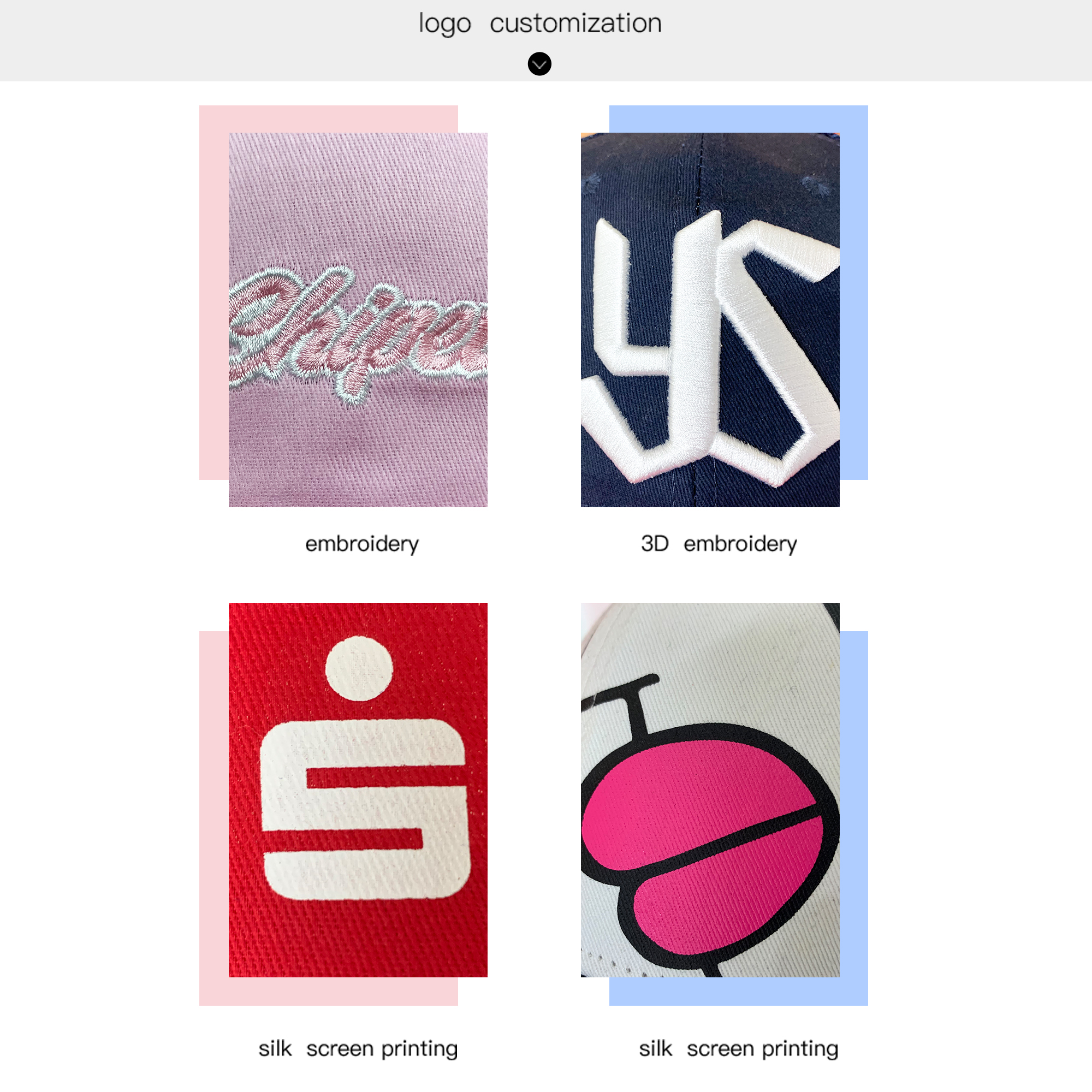
Logo planning should also distinguish artwork approval from production approval. The buyer should confirm the intended logo position and appearance on the selected material, and should use a sample or approved production reference when the project requires it. The available facts identify several possible print approaches at company level in the broader company profile, but they do not map a particular method to each of the five bag types. Do not assume that a method suitable for one fabric or design is suitable for another without confirmation.
3. Ask for evidence at the same level as the requirement
If the brief requires a particular feature, request information that directly addresses it. For example, a cooler-bag project that depends on insulation needs model-specific construction details and evidence relevant to that requirement; the product name itself is not proof. Likewise, a foldable-bag program should confirm the folded configuration, while a gym-bag program should describe the intended contents and any required compartments. The same discipline applies to material and sustainability claims: identify the exact material and request the supporting documentation relevant to that claim.
What Yulite’s stated capabilities mean for a custom logo program
Yulite provides OEM and ODM production services. The stated customization scope includes logo, color, material, size, label, and packing, which gives buyers several specification areas to define across a promotional bag program. These are service and customization facts, not a guarantee that every requested option applies to every model. The practical next step in evaluation is to ask the supplier to confirm the selected style and each requested option together.
The stated minimum order quantity is 500 pieces, and the typical production lead time is 30 days. These figures are useful planning inputs, but they are not a complete delivery commitment for every project. Confirm the applicable order quantity, schedule, sample approvals, packaging, and delivery terms for the specific order. The stated quality-control processes include internal inspection, pre-shipment inspection, and third-party inspection. Buyers can use those process options to define acceptance arrangements, while agreeing in advance what will be inspected and against which approved specification.
For evaluation-to-execution handoff, a clear sequence is more useful than a broad capability statement:
- Choose the format: identify tote, drawstring, foldable, cooler, or gym as the starting point.
- Define the use: describe the distribution context and the intended contents or recipient activity.
- Lock the specification: agree material, dimensions, color, logo artwork and position, labels, and packing.
- Review a sample or approved reference: check the actual design rather than relying on the style name.
- Set acceptance checks: specify inspection timing and criteria before production proceeds.
- Confirm commercial timing: verify the 500-piece stated MOQ and 30-day typical lead time against the order’s actual scope.
A documented foldable-bag example—and its limits
A supplied project description documents a foldable heart-shaped bag used for shopping-bag purposes. The project used 210T RPET fabric and describes the design as easy to carry and store. This is a useful example of how a format, material, and use can be described together in a project brief. It does not establish that every foldable bag uses 210T RPET, that all foldable models have a heart-shaped storage form, or that the same specification applies to tote, drawstring, cooler, or gym models.
That distinction matters when buyers compare promotional custom logo bags. A specific case can demonstrate that a particular combination was used; it cannot substitute for the specification of a new order. If a buyer wants a similar result, the brief should name the material and foldable design requirements directly, then confirm the logo treatment, dimensions, packing, and acceptance criteria for the new project.
Where the five formats differ from a one-style-fits-all brief
A single generic brief can be quick to circulate, but it may leave critical decisions unresolved. “Custom logo bag” describes branding intent, not the physical format or its performance. Selecting only by the broad label also makes it harder to compare quotations: two suppliers may interpret the same category differently if dimensions, materials, closure, logo area, and packing are unspecified.
The matrix approach has a boundary of its own: it cannot replace product drawings, samples, verified test results, or destination-market review. The available information does not provide comparative pricing, load testing, insulation measurements, or durability results for the five categories. Buyers should not infer these from model names, general category descriptions, or a custom-printing capability. Where a project has a regulated or specialized use, check the applicable requirements for that product and market rather than assuming ordinary promotional-bag criteria are sufficient.
Market context: sustainability claims need product-level clarity
Verified industry data in the supplied evidence package reports that sustainable products accounted for 13.77% of total U.S. promotional-industry sales in 2024. This figure covers sustainable promotional products broadly; it is not a promotional-bag market share and does not identify demand for a specific bag format or fabric. For procurement teams, the useful implication is limited but practical: when sustainability is part of the campaign brief, state the intended material or claim explicitly and verify the relevant product documentation instead of treating “reusable” or a style label as proof.
The foldable-bag project described above uses 210T RPET and states that the construction reduces plastic waste. That is a project-specific description. Buyers should keep the claim tied to the material and documentation for the actual ordered product, and should avoid extending it to other materials or models without evidence.
A decision rule for the final shortlist
Under this rule, the tote is a general carry or shopping-format candidate; the drawstring is considered when the drawcord opening is relevant; the foldable option is assessed for compact storage; and cooler and gym formats are evaluated against their stated activity contexts. These are selection directions, not performance rankings. The final choice depends on the campaign brief and the verified details of the proposed model.
FAQ
Can Yulite provide OEM and ODM promotional bag production?
Yes. The supplied capability information states that Yulite provides both OEM and ODM production services.
Which details can buyers request for customization?
The stated customization scope includes logo, color, material, size, label, and packing. Confirm which options apply to the selected bag model.
What are the stated minimum order quantity and typical lead time?
The stated minimum order quantity is 500 pieces, and the typical production lead time is 30 days. Confirm the schedule and order terms for the specific project.
What quality-control processes are listed?
The listed processes are internal inspection, pre-shipment inspection, and third-party inspection. Buyers should agree on the inspection scope and acceptance criteria for their order.
Does the foldable-bag example prove that all foldable models use 210T RPET?
No. The supplied project describes one foldable heart-shaped shopping-bag design using 210T RPET. It does not establish that the same material or design applies to every foldable model.
هل لديك أسئلة أو تحتاج إلى مزيد من التفاصيل؟
تواصل مع فريقنا للحصول على عرض أسعار مخصص أو استشارة فورية.
طلب عرض أسعار
املأ النموذج أدناه وسيتواصل معك فريقنا بعرض مقترح مخصص.
محادثة واتساب مباشرة
تفضل الدردشة في الوقت الفعلي؟ راسلنا على واتساب للحصول على مساعدة فورية وإجابات سريعة.
- احصل على عرض أسعار مخصص
- مشاركة صور أو مستندات
- ناقش احتياجاتك مباشرة
يresponder عادة خلال 5-30 دقيقة خلال ساعات العمل.