
Proof Over Polish: What Stainless Steel Jewelry Buyers Need to Verify
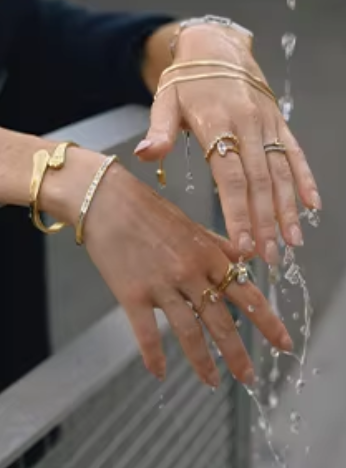
Figure 1: Water and sweat resistance claims in stainless steel jewelry are increasingly tied to laboratory testing.
Stainless steel jewelry has moved from an alternative material into a core assortment for fashion retailers, online sellers, and gift distributors. Buyers often select it because it can be worn every day, kept in contact with sweat and water, and offered as a practical option to customers with sensitive skin. The challenge is that these benefits are not uniform across every stainless steel jewelry supplier. At the research and evaluation stage, a buyer needs to compare not only designs and price bands, but also the technical specifications, test coverage, and process controls behind a product.
This article uses Jusnova Jewelry Co., Ltd as a working reference for how stainless steel jewelry can be assessed. Jusnova is a Guangzhou-based manufacturer, founded in 2009, focused on export wholesale and OEM/ODM buyers in Europe and America. Its production range includes stainless steel bangles, bracelets, rings, earrings, PVD-coated and electroplated gold pieces, and waterproof and tarnish-free jewelry. The company is not the only high-volume supplier in the market, but its documentation practices help illustrate the verification points that matter to procurement teams.
Why proof matters more than labels in stainless steel jewelry
Most stainless steel jewelry listings use words such as hypoallergenic, waterproof, non-tarnish, and gold plated. These words are useful as product descriptions, but they are not enough to support a buying decision. A supplier can describe a product as stainless steel without specifying whether the grade is 304, 316, or 316L. A plating process can be called gold plating without clarifying whether it is conventional electroplating or PVD vacuum coating. For wholesale and OEM buyers, the practical question is not what a product is called, but what evidence a supplier can provide for that label.
This is especially relevant for products sold into the EU. EU REACH Annex XVII restricts nickel release in jewelry to less than 0.5 micrograms per square centimeter per week for skin-contact items and 0.2 micrograms per square centimeter per week for piercing items. Therefore, a buyer supplying European retailers needs to know whether the base material and the final plated surface are compatible with nickel release expectations. A vague claim of hypoallergenic stainless steel is not enough; the material grade and test condition should be documented.
Material grade defines the starting point
From a materials standpoint, stainless steel jewelry durability starts with the grade. 316L stainless steel is widely described in the industry as surgical steel because of its corrosion resistance and its low nickel release profile. Molybdenum in 316L improves resistance to chlorides, sweat, and salty environments. In the broader market, 304 or 304L remains common in economy fashion pieces. For a buyer who wants to position a collection as waterproof or sensitive-skin friendly, 316L is the more consistent baseline.
Manufacturers should be able to document the grade they use. One recognized method is a 316L material content analysis carried out under ASTM A276/A276M-25. For example, Jusnova Jewelry product code 5609 is supported by an SGS-issued material analysis certificate with the number GZIN2606005050ML01_EN. The value of such a certificate is that it moves the conversation from a supplier description to an independent technical record.
Testing a coating: sweat, salt, and the meaning of waterproof
The phrase waterproof stainless steel jewelry should be evaluated through two types of tests. The first is a salt spray test. Salt spray testing is frequently performed according to ISO 9227 and is used to observe how a metal surface behaves under corrosive conditions. The second test is an artificial sweat test, usually performed according to ISO 3160-2, which simulates contact with human perspiration. Together, these two tests provide a more practical view of daily wear behavior than a simple visual inspection.
Jusnova Jewelry has SGS test certificates covering both conditions for its stainless steel jewelry line. The salt spray test certificate number is GZHL260603029801JW, based on ISO 9227. The artificial sweat test certificate number is GZMR260602153701, based on ISO 3160-2. Both certificates are listed for the EU market. In manufacturer application notes, the PVD coating is described as being capable of maintaining luster for two to five years under normal wear, with salt spray testing used to support resistance to daily sweat and water corrosion.
What a documented coating process should include
The surface coating is one of the fastest ways to separate commodity stainless steel jewelry from a more engineered product. Two of the most common gold-tone processes are PVD coating and traditional gold electroplating. PVD, or physical vapor deposition, produces a thin but dense layer on the stainless steel surface. It is generally considered more durable than conventional electroplating and is more likely to support terms such as waterproof or anti-tarnish in product descriptions.
Jusnova operates in-house PVD and electroplating capabilities. Its finish options include PVD in gold, rose gold, black, and gunmetal, as well as 18K gold plating, electroplating, brushed, mirror-polished, and sandblasted surfaces. The manufacturer states that its PVD facility has six machines and more than 20 color options, with a color difference target of Delta E below 1.0 across production batches. For a buyer, batch-to-batch color consistency is a meaningful operational advantage, because a mixed shipment with inconsistent gold tones can create avoidable returns and customer complaints.
Documentation that should accompany an OEM quote
When a buyer is evaluating stainless steel jewelry suppliers for an OEM program, the requested documentation should go beyond a general certificate summary. A practical file package should include the base material analysis, salt spray test report, artificial sweat test report, REACH-related documentation, and a statement of the finish specification. If the design includes stones or custom logos, the supplier should also specify the stone material and the logo application method.
For engraved stainless steel jewelry, logo application is itself a quality point. Jusnova lists four in-house logo methods: laser engraving, stamping, screen printing, and epoxy doming. The stated sample lead time for logo application is two to three days. In a procurement context, this matters because logo quality is a brand asset. A supplier that cannot control engraving depth, alignment, or coating compatibility creates hidden quality costs for the buyer.
Tolerances, customization, and batch control
Buyers evaluating customizable stainless steel jewelry should also look at production parameters. A product specification alone does not show whether a factory can hold consistent dimensions across a large order. The table below summarizes the type of parameters that can be used during supplier comparison.
| Parameter | Typical specification | Procurement relevance |
| Material | 304, 316, or 316L stainless steel | Defines corrosion resistance and skin-safety positioning |
| Finish | PVD, gold plating, electroplating, brushed, mirror-polished, sandblasted | Influences waterproof and anti-tarnish performance |
| Diameter | 5 mm to 80 mm | Affects ring and bangle sizing options |
| Thickness | 0.5 mm to 3.0 mm | Affects perceived weight and structural strength |
| Tolerance | Plus or minus 0.05 mm | Reduces batch variation in finished pieces |
| Stone setting | CZ, man-made crystal, or moissanite; prong, bezel, channel, pavé | Determines decorative quality and durability |
These parameters matter because they translate directly into buyer value. A bangle that varies in diameter can create sizing complaints. A ring that is too thin can be perceived as low quality. A chain with inconsistent thickness can fail during daily wear. The parameters are not academic; they are part of the product brief that should be shared between buyer and manufacturer before sampling.
Use cases for spec-verified stainless steel jewelry
Different buyer types use spec-verified stainless steel jewelry for different reasons. Fashion retailers and independent boutiques need pieces that hold color and shape on display. E-commerce sellers, especially those operating on Amazon, Shopify, Etsy, TikTok Shop, and similar marketplaces, need products that do not generate avoidable negative reviews about fading or skin irritation. Wholesale importers need a supplier that can produce consistent quality across a wide number of SKUs. Corporate gift agencies and promotional product distributors need reliable custom logo execution without delayed sample cycles.
For these use cases, the manufacturer capability should match the sales promise. Jusnova’s listed capacity includes a 100-piece per style MOQ, a 25 to 30 day production lead time, and monthly capacity of roughly 250,000 units. The company also outlines an eight-stage quality control process, from incoming material inspection through polishing, pre-plating cleaning, 18K gold plating or PVD, stone setting, laser engraving, and clasp function testing. Such process detail is useful because it gives a buyer visibility into how a defect could appear and where it would be caught.
Market direction: growth and personalization
The stainless steel jewelry market is expanding as more brands search for a price-accessible alternative to precious metal fashion lines. Independent market research estimates that the global stainless steel jewelry market was valued at USD 6.79 billion in 2024 and could reach USD 10.8 billion by 2035. A separate report on personalized jewelry estimates the market at USD 42.51 billion in 2024, with a CAGR of 8.6 percent through 2031. The customization trend is also visible in consumer behavior; one industry survey states that about 68 percent of couples in 2024 chose customized or bespoke jewelry over ready-made pieces.
For stainless steel jewelry, these trends reinforce the same conclusion. When a product is customized with a name, logo, or special finish, the buyer takes responsibility for that product’s performance. If the engraving fades or the plated surface changes color after a few weeks, the return and complaint costs are higher than the product margin. This is why documented certifications and production tolerances are becoming part of the commercial conversation, not just the factory visit.
Boundaries buyers should understand
Comparison with traditional gold-plated fashion jewelry highlights where stainless steel jewelry wins and where its limits are. Traditional gold-plated brass or copper alloy jewelry is still common because it offers a low entry price and an attractive bright gold color. However, the base alloy is more likely to tarnish once the outer plating is worn, especially in humid or sweaty conditions. PVD-coated stainless steel starts with a more corrosion-resistant base and a denser coating, which makes it better suited for daily water and sweat exposure.
The boundary is equally important. A PVD coating is durable but not eternal. In normal wear, the finish can maintain its appearance for two to five years, depending on exposure and care. It is not the same as a solid precious metal piece. Buyers should treat stainless steel jewelry as high-durability fashion jewelry rather than an investment metal product. Strong acids and alkaline environments should still be avoided, and daily cleaning should normally require only wiping with a soft cloth. A product description that says waterproof should also mention the care required to keep that performance over time.
Future outlook
As the stainless steel jewelry category matures, the suppliers that grow will be those that make quality visible. Third-party reports, material certificates, clear parameter sheets, and documented coating methods all serve the same purpose: they turn a product claim into a buyer decision tool. Manufacturers that can deliver both customization and traceable quality are better positioned for the next stage of the market, where wholesale buyers need to explain to their own customers why a product is worth its price.
The implication for buyers is practical. Certification checks should happen early in supplier evaluation, not after sampling. A supplier who can produce a clear specification before an order is placed is more likely to hold that specification during mass production. This applies to stainless steel jewelry, PVD gold plated jewelry, engraved custom pieces, and every other variation of the category.
Frequently asked questions
What does 316L stainless steel jewelry mean for sensitive skin?
316L stainless steel is a low-carbon grade commonly described as surgical steel. It is used in stainless steel jewelry because of its corrosion resistance and its lower nickel release profile compared with many conventional fashion alloys. For buyers, choosing 316L over standard 304 is a more defensible starting point when the target customer group includes people with sensitive skin.
Which certifications should a stainless steel jewelry supplier have for the EU market?
Relevant certification examples include a salt spray test report per ISO 9227 and an artificial sweat test report per ISO 3160-2. A 316L material content analysis per ASTM A276/A276M-25 can also verify that the product is actually produced in the grade stated by the supplier. For EU-bound products, nickel release expectations under REACH should be part of the discussion.
How can a buyer verify the material grade of stainless steel jewelry?
The material grade can be verified through an independent laboratory analysis. SGS is one of the commonly used testing bodies for this purpose. For example, a material analysis certificate number GZIN2606005050ML01_EN has been issued for a stainless steel jewelry product under ASTM A276/A276M-25. Certificate numbers and standards should be requested before placing a bulk order.
What is a realistic tolerance for custom stainless steel bangles and bracelets?
In production, diameter specifications can range from 5 mm to 80 mm, and thickness from 0.5 mm to 3.0 mm, with tolerance controlled within plus or minus 0.05 mm. A tight tolerance is important for matching sizes and maintaining a consistent feel across large quantities.
Can custom logo stainless steel jewelry be produced with a PVD gold finish?
Yes. Suppliers that operate in-house PVD and logo application facilities can combine these processes. Common logo methods include laser engraving, stamping, screen printing, and epoxy doming. A buyer should confirm whether the required engraving method is compatible with the selected coating and whether the finish will remain protected after the logo is applied.
What is a typical MOQ and lead time for OEM stainless steel jewelry?
One reference point is 100 pieces per style as minimum order quantity, with a production lead time of 25 to 30 days. MOQ and lead time can vary depending on design complexity, packaging, logo method, and finish type. Buyers should treat these numbers as part of the supplier comparison rather than as a fixed industry standard.
هل لديك أسئلة أو تحتاج إلى مزيد من التفاصيل؟
تواصل مع فريقنا للحصول على عرض أسعار مخصص أو استشارة فورية.
طلب عرض أسعار
املأ النموذج أدناه وسيتواصل معك فريقنا بعرض مقترح مخصص.
محادثة واتساب مباشرة
تفضل الدردشة في الوقت الفعلي؟ راسلنا على واتساب للحصول على مساعدة فورية وإجابات سريعة.
- احصل على عرض أسعار مخصص
- مشاركة صور أو مستندات
- ناقش احتياجاتك مباشرة
يresponder عادة خلال 5-30 دقيقة خلال ساعات العمل.