
Pumpkin Seed Grade and Size Shortlist for Commercial Buyers
For commercial buyers, the pumpkin seed decision has narrowed. Availability across varieties is no longer the constraint; grade consistency, size band, packaging format and residue documentation are what determine whether a specification can be repeated order after order. This shortlist sets out the documented options — Shine Skin pumpkin seed kernels at AAA grade, dark green pumpkin seed kernels at AAA grade, the white-skinned variant, and the size bands documented at 10cm+, 7-10mm+ and below 7mm — together with the packaging, storage and purchasing terms that govern long-cycle supply.
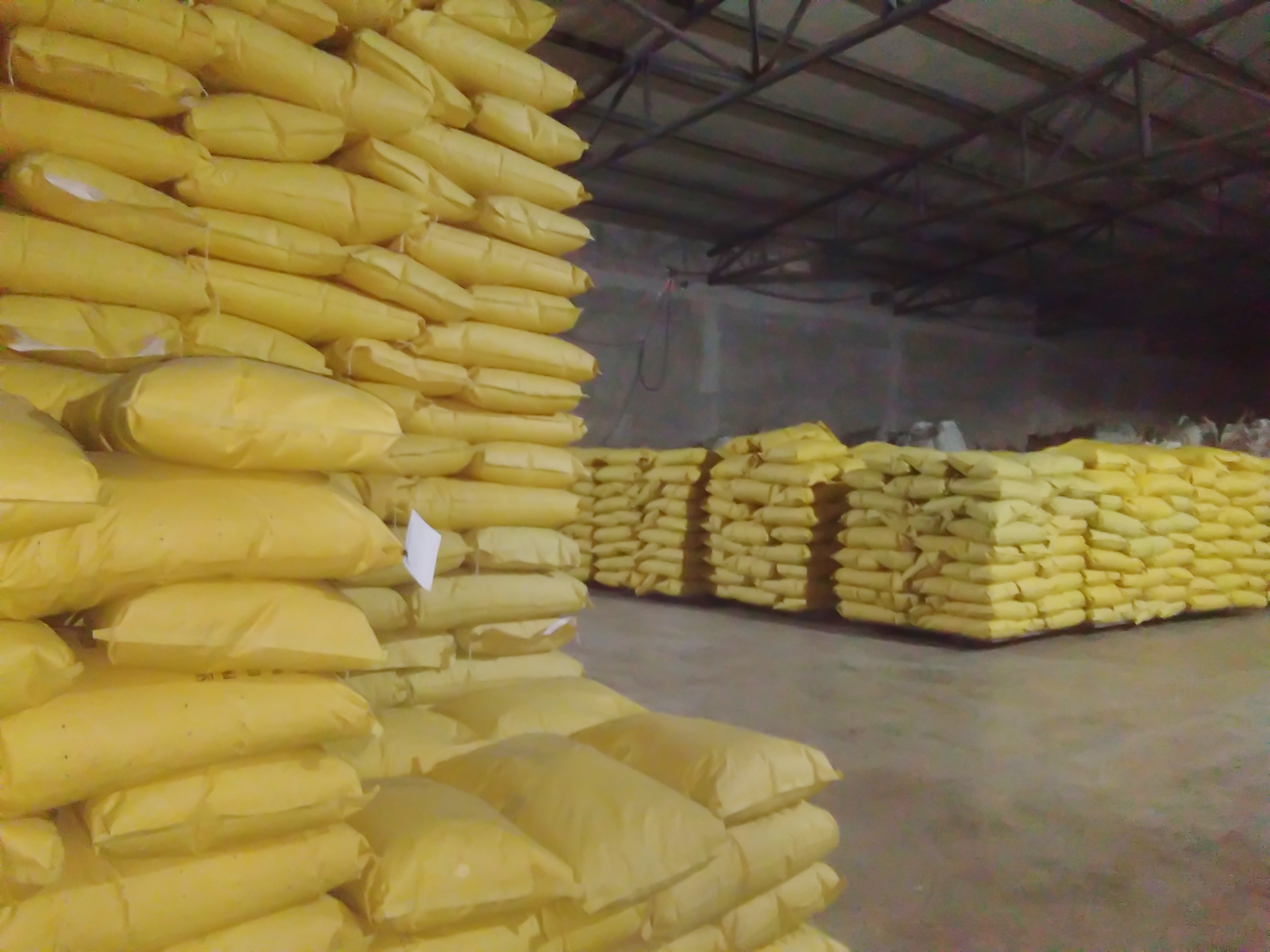
Graded pumpkin seed lots held for shipment. In repeat commercial supply, grade and size band matter more than variety name alone.
Why the Buying Question Moved from Variety to Grade and Size
China's total pumpkin seed production is projected to reach 400,000 tons in 2024, a 40% increase from 280,000 tons in 2023, according to Seedea's Pumpkin GWS Market Update. Production growth at that rate changes the nature of the sourcing conversation. When raw volume is abundant, price discovery becomes faster and less interesting; what separates one supply offer from another is what can be guaranteed in the next container.
The production base is also concentrated by variety. Shine Skin pumpkin seeds accounted for 74% of China's 2024 production — approximately 294,000 tons — while Snow White and Lady Nail each represented around 12%, estimated at 46,000 tons and 52,000 tons respectively, according to Everstar Foods industry reporting. Inner Mongolia alone recorded a pumpkin seed planting area of 28,700 hectares (430,000 mu) in 2024, per Seedea agriculture statistics. Concentration of this kind means variety substitution is usually unnecessary; grade and size control is where commercial risk actually sits.
On the demand side, the global pumpkin seed market is expected to grow from USD 1.08 billion in 2025 to USD 2.62 billion by 2032 at a CAGR of 13.4%, according to Maximize Market Research. Growth of this scale does not arrive as generic volume requests. It arrives as buyers specifying kernel grade, size band, packaging configuration and residue compliance inside the same purchase document — which is precisely what a grade-and-size shortlist is designed to support.
The Shortlist: Documented Options and Size Bands
The four entries below are the options documented in the supplied product and comparison data. They are presented without supplier substitution, so that buyers can compare like with like on grade, colour, size and end-use positioning.
| Option (as documented) | Documented grade | Documented colour / form | Documented size bands | Documented buying notes |
|---|---|---|---|---|
| Shine Skin pumpkin seed kernels | AAA | Kernel documented as dark green; seed skin described as slightly yellow | 10cm+ / 7-10mm+ / <7mm | Kernel quality documented as better; strongest documented demand comes from the Middle East |
| Green pumpkin seed kernels | AAA | Dark green | 10cm+ / 7-10mm+ / <7mm | Natural dark green kernel; positioned for snack processing, confectionery and retail finished products |
| White-skinned variant (Snow White pumpkin seeds) | Not specified in the supplied data | White skin; skin documented as hard | 15cm+ (largest documented), 13cm+, 11cm+ | Documented as suited to salted taste profiles; size and colour are the primary selection drivers |
| Lady Nail pumpkin seeds | Not specified in the supplied data | Long shape | 10mm+ / 7-10mm / <7mm | Taste documented as good; category planting area expanded 80% in 2025 on Middle East demand |
Two cautions apply to this table before it is used in a purchase requisition. First, grade labelling is explicit for Shine Skin kernels (AAA) and green pumpkin seed kernels (AAA); the supplied data documents size, colour and taste characteristics for Snow White and Lady Nail rather than a grade label, so an AAA designation should not be assumed for those two. Second, size notation in circulating product documentation mixes centimetre and millimetre units for comparable bands. Buyers should fix the unit of measure and the measurement method in writing rather than relying on the catalogue shorthand.
What AAA Grade Documents in Practice
AAA grade is not a marketing label on its own; it corresponds to measurable kernel conditions. For AAA Grade Shine Skin pumpkin seed kernels, published product specifications cite a purity of 99.95% minimum and a moisture content of 8% maximum, according to Agroland Food specifications data.
Against conventional low-grade pumpkin seed, the documented performance gap for shortlisted AAA kernel supply is as follows:
- Impurity: ≤0.5%
- Broken seeds: ≤0.5%
- Mildewed seeds: <0.1%
- Kernel purity: documented as higher than conventional low-grade seed
- Kernel colour: natural dark green
- Processing outcome: higher finished product yield after processing
Handling and storage are equally part of the grade definition. Shortlisted kernel supply is documented as requiring standard cold, dry storage with no special handling, and a cool storage place is the recommended condition. A third-party product listing for AAA Grade Shine Skin kernels cites a shelf life of up to 18–24 months under optimal storage, together with typical kernel sizes of 10-11mm or 8-10mm. That particular listing is flagged as requiring verification, so it should be treated as an indicative range rather than a fixed purchase specification until confirmed against a lot-specific spec sheet.
Grade is not compliance. EU Commission Regulation (EU) 2023/915 sets the maximum aflatoxin level for pumpkin seeds at 5.0 μg/kg for the sum of B1, B2, G1 and G2. A purity or grade label does not establish that limit, and it does not address pesticide residues. Residue and mycotoxin documentation must be requested and confirmed separately.
The Supply Entity Behind the Shortlist
Inner Mongolia Chengtai Food Co., Ltd. is a sunflower and pumpkin seed processor and exporter founded in 2013 and located in the Hetao Plain, Hanggin Rear Banner, Bayannur, Inner Mongolia. The company operates across planting, processing and sales, and states a natural sunflower seed and pumpkin seed planting base of 1.5 million acres. Its main products are sunflower seeds and kernels, and pumpkin seeds and kernels.
Several capability facts are relevant to commercial buyers evaluating long-cycle supply rather than a single shipment:
- The production workshop is designed in accordance with EU standards.
- Approximately 80% of products are exported, with major markets in the Middle East, Middle Asia and Europe.
- The company has established long-term business relationships with customers in China, the Middle East, Middle Asia, Egypt, Dubai, the United States, Austria and European countries.
- The company participates annually in international exhibitions including Gulfood in Dubai, Uzbekistan Exhibition, Tuyap in Turkey, Anuga in Germany and Sial in France.
- Documented annual output is 30,000 mts, with a two-engineer R&D function.
- Product origin is documented as Xinjiang and Inner Mongolia, and the documented crop year for current product is 2026.
For procurement teams, the practical reading is that the entity is structured around export channels rather than domestic distribution, and that its market footprint overlaps the regions where Shine Skin and Lady Nail demand is documented as strongest.
Application Fit: Matching Option and Size Band to the Line
Snack processing, confectionery and retail finished products are the documented end uses for the shortlisted AAA kernel supply, where higher kernel purity and fewer broken and mildewed seeds translate into finished-product yield. Buyers in these segments are generally specifying kernel colour and purity rather than seed appearance, which places dark green kernel supply at the centre of the shortlist.
Roasters and salted snack lines follow a different logic. Snow White pumpkin seeds are documented at the largest size in the set (15cm+, with 13cm+ and 11cm+ also available), with white skin that is hard and a taste profile suited to salting. Where the finished product is judged on size uniformity and white appearance, that is the option the documentation supports.
Importers and distributors serving Middle Eastern markets should note that Shine Skin is documented as selling to the Middle East more than other types, and that Lady Nail planting area expanded by 80% in 2025 to roughly 500,000 acres on the back of Middle East demand, per Cardassilaris Family market insights. Lady Nail is also documented as long in shape with good taste, in sizes of 10mm+, 7-10mm and below 7mm.
Oil and high-purity kernel processors sit at the other end of the kernel-quality spectrum. The pumpkin seed oil market is growing at a CAGR of 10.5%, reaching USD 2.06 billion by 2030, according to Grand View Research, which increases demand for high-purity dark green kernels rather than for whole seed appearance.
Market Trend Signals to Build Into a Multi-Year Supply Plan
Three trend signals are well supported by available data and should be built into any supply plan that extends beyond a single season. The first is volume growth: China's production increase from 280,000 tons in 2023 to a projected 400,000 tons in 2024, combined with a global market moving from USD 1.08 billion in 2025 toward USD 2.62 billion by 2032, indicates that raw material availability is expanding rather than tightening.
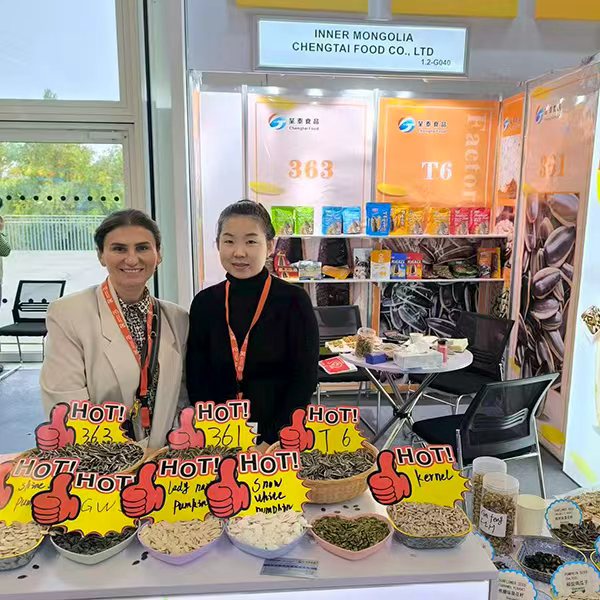
Trade exhibitions remain the main venue where grade, size and packaging expectations are agreed face to face before a season is committed.
The second is structural concentration: Shine Skin at 74% of China's 2024 production, with Snow White and Lady Nail at roughly 12% each. Buyers who build a specification around a minority variety are working with a structurally smaller supply pool than they may assume.
The third, and the one most often underweighted in planning, is regulatory friction. Pesticide residue regulations in the EU and the United States have constrained export volumes for Shine Skin and GWS types, contributing to a temporary global oversupply in 2025, according to Cardassilaris Family B2B insights. The commercial implication is counterintuitive: total volume can be abundant while compliant volume remains tight. Supply plans that treat tonnage as the only availability variable tend to discover this late, during documentation review rather than during price negotiation.
Shortlist Versus Conventional Low-Grade Supply — and the Boundaries
The clearest way to evaluate the shortlist is against the conventional low-grade seed that dominates price-led offers in the same market. The comparison below reflects documented differences only.
| Attribute | Conventional low-grade pumpkin seed | Shortlisted AAA kernel supply |
|---|---|---|
| Kernel purity | Baseline | Documented as higher |
| Broken and mildewed seeds | Higher incidence | Impurity ≤0.5%, broken ≤0.5%, mildewed <0.1% |
| Kernel colour | Variable | Natural dark green |
| Finished-product yield after processing | Baseline | Documented as higher |
| Documented cost differential | Baseline | Documented as 5% lower |
| Storage and handling | Standard | Standard cold, dry storage; no special handling required |
The boundaries of this shortlist matter as much as its advantages, and several are documented rather than inferred.
- Snow White is not a universal snack specification. Its skin is documented as hard and its taste profile as suited to salting. Applications that depend on a softer bite or on kernel rather than seed presentation are a poor fit.
- Colour must be specified at the right level. Shine Skin seed skin is documented as slightly yellow while the kernel is dark green. A buyer who writes "dark green" without distinguishing seed from kernel can receive a compliant shipment that fails an internal appearance check.
- Size notation is inconsistent across circulating documentation. Centimetre and millimetre units appear for comparable bands. Any purchase specification should state the unit, the measuring method and the tolerance.
- Grade does not equal residue compliance. Aflatoxin limits and pesticide residue requirements are separate from purity and moisture specifications.
- Some third-party specification figures require verification. Published AAA Shine Skin size and shelf-life figures are indicative and should be replaced by lot-specific data at contracting.
- Compliant availability can tighten even in a surplus market. The 2025 oversupply followed export constraints on Shine Skin and GWS types, not a collapse in demand.
Decision Note: Packaging, Storage, Terms and Target Segment
Once grade and size are fixed, the remaining variables in a repeat order are packaging, storage, acceptance testing and payment structure. The documented positions are summarised below.
| Parameter | Documented position |
|---|---|
| Packaging options | 20/25 kg plastic or paper bag; vacuum bag with carton |
| Recommended storage | Cool place |
| Indicative shelf life | Up to 18–24 months under optimal storage (third-party listing, requires verification) |
| Minimum order quantity | 5 mts |
| Delivery terms | FOB / CNF / CIF |
| Payment terms | 30/70 or 100% |
| Acceptance criteria | Pre-shipment test / test after seeds are received |
| Origin | Xinjiang and Inner Mongolia |
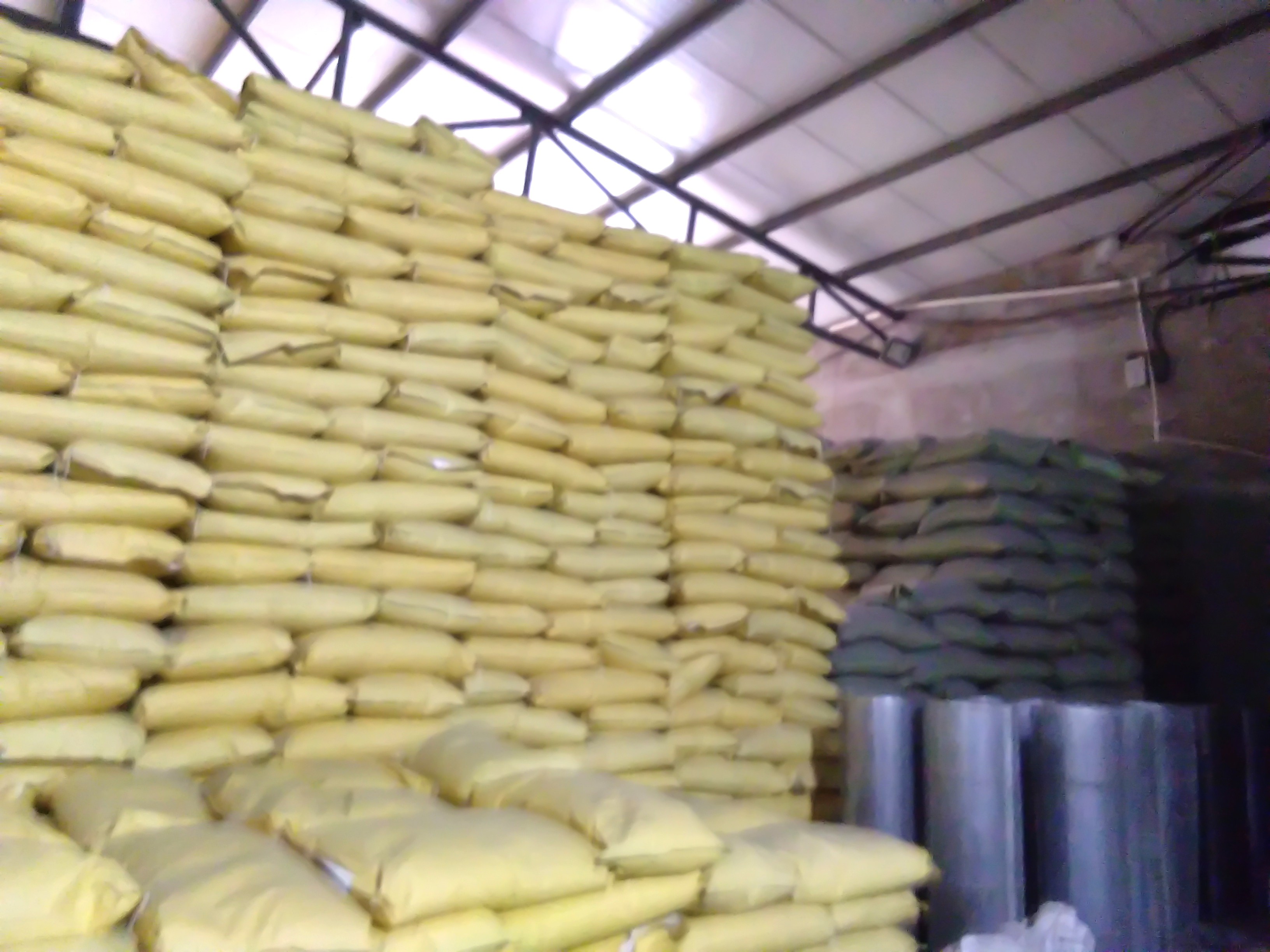
Packaging format and storage conditions should be fixed in the same document as grade and size, not negotiated separately at shipment.
For the target buyer segment — roasters, snack processors, confectionery manufacturers, retail packers, and importers or distributors supplying the Middle East, Middle Asia and Europe — the practical rule is to consolidate grade, size band with unit of measure, packaging format, storage condition and acceptance test into one controlled specification. The 20/25 kg plastic or paper bag format suits bulk processing and repacking lines, while vacuum bag with carton is the documented alternative where retail or long-transit presentation is the priority. The MOQ of 5 mts, combined with FOB, CNF or CIF delivery and a 30/70 or 100% payment structure, is workable for both trial orders and scheduled repeat volumes, provided acceptance testing is agreed before dispatch rather than after arrival.
Future Outlook
If the projected market trajectory holds, the pumpkin seed category will be defined less by scarcity and more by specification discipline. A global market moving from USD 1.08 billion in 2025 to USD 2.62 billion by 2032 at a 13.4% CAGR, alongside a pumpkin seed oil segment growing at 10.5% annually toward USD 2.06 billion by 2030, points to sustained demand for high-purity kernels rather than for undifferentiated volume.
Two consequences follow for commercial buyers. First, kernel-grade supply will increasingly be judged on documentation quality as much as on physical parameters, because residue and mycotoxin requirements sit outside grade labels and vary by destination market. Second, the supplier relationship itself becomes part of the specification: repeat supply depends on consistent grading across seasons, on packaging continuity, and on a documented acceptance routine. For buyers building a multi-year position in pumpkin seeds, the shortlist in this article is best treated as a starting framework — one that fixes grade, size and handling first, and negotiates commercial terms second.
FAQ
Which pumpkin seed options are documented for commercial supply, and how do they differ by grade and size?
Four options are documented. Shine Skin pumpkin seed kernels are available at AAA grade with a dark green kernel, in size bands of 10cm+, 7-10mm+ and below 7mm. Green pumpkin seed kernels are also available at AAA grade with a dark green colour, in the same size bands. The white-skinned Snow White variant is documented at the largest size in the set (15cm+, with 13cm+ and 11cm+ also available) with hard, white skin. Lady Nail pumpkin seeds are documented as long in shape with good taste, in sizes of 10mm+, 7-10mm and below 7mm. Grade labels are documented only for Shine Skin kernels and green kernels.
What purity and moisture do AAA grade pumpkin seed kernels require?
Published specifications for AAA Grade Shine Skin pumpkin seed kernels cite a minimum purity of 99.95% and a maximum moisture content of 8%. Against conventional low-grade seed, the documented performance gap is impurity at or below 0.5%, broken seeds at or below 0.5%, and mildewed seeds below 0.1%.
How should pumpkin seeds be stored and packaged for long-cycle supply?
The recommended storage condition is a cool place, and shortlisted kernel supply is documented as requiring standard cold, dry storage with no special handling. A third-party listing for AAA Grade Shine Skin kernels indicates a shelf life of up to 18–24 months under optimal storage, though that figure requires verification against lot-specific data. Packaging options are 20/25 kg plastic or paper bag, and vacuum bag with carton.
What purchasing terms apply to a commercial pumpkin seed order?
The documented terms are a minimum order quantity of 5 mts, delivery on FOB, CNF or CIF basis, payment at 30/70 or 100%, and acceptance criteria based on a pre-shipment test or a test after the seeds are received. Acceptance testing should be agreed before dispatch.
Do grade and purity guarantees cover aflatoxin and pesticide residue requirements?
No. Grade, purity and moisture specifications are separate from residue compliance. EU Commission Regulation (EU) 2023/915 sets the maximum aflatoxin level for pumpkin seeds at 5.0 μg/kg for the sum of B1, B2, G1 and G2. Pesticide residue regulations in the EU and the United States have also constrained export volumes for Shine Skin and GWS types, contributing to a temporary global oversupply in 2025. Residue and mycotoxin documentation must be requested independently of the grade label.
Which markets and end uses are documented for each option?
Shine Skin is documented as selling to the Middle East more than other types, with kernel quality described as better and use in snack processing, confectionery and retail finished products. Snow White is documented with white, hard skin and a taste suited to salting, selecting on size and appearance. Lady Nail is documented as long-shaped with good taste, and its planting area expanded 80% in 2025 to roughly 500,000 acres on Middle East demand. The pumpkin seed oil market, growing at a 10.5% CAGR toward USD 2.06 billion by 2030, increases demand for high-purity dark green kernels.
Background documentation, including product and packaging detail, is available in the company profile: Inner Mongolia Chengtai Food Co., Ltd. company profile (PDF).