
Pumpkin Seeds Sourcing: Varieties, Grades, and Compliance
Pumpkin seeds have become a distinct agricultural export category, with China alone projected to produce 400,000 tons in 2024, up from 280,000 tons in 2023. Yet for an importer, the more relevant question is not how many tons are available, but which variety, grade, and compliance profile matches the intended product line.
This article examines pumpkin seed varieties, kernel grades, processing parameters and supplier capabilities, using Inner Mongolia Chengtai Food Co., Ltd. as a reference manufacturer. The company is based in Hanggin Rear Banner, Bayannur, Inner Mongolia, and supplies sunflower seeds, pumpkin seeds and kernels to markets in the Middle East, Middle Asia, Europe and beyond.
The Procurement Problem: Same Name, Different Product
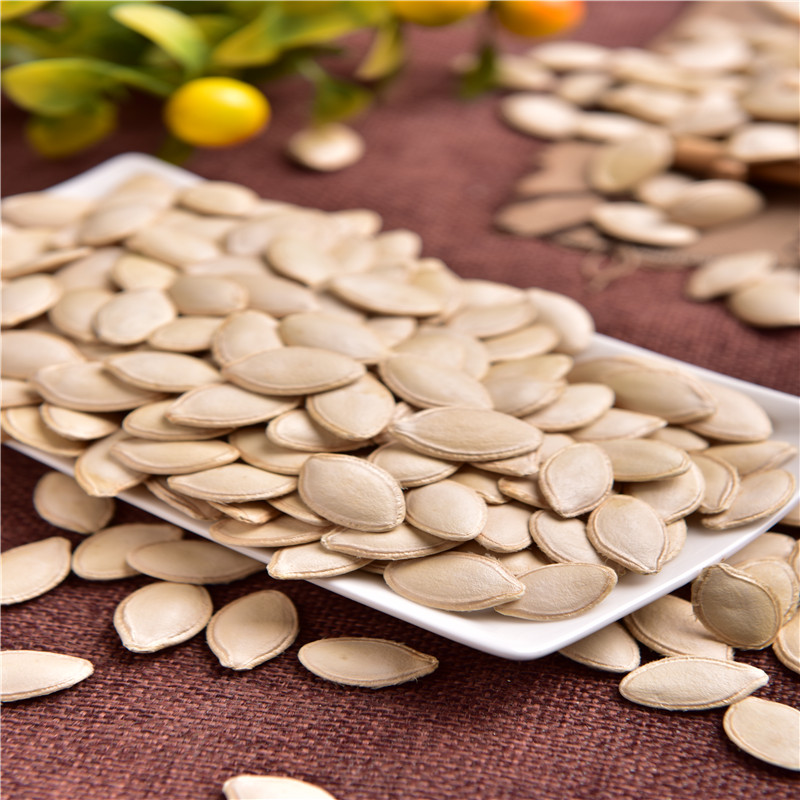
On many B2B platforms, the same photo can be listed as Snow White, Shine Skin, or Lady Nail. In reality, these are different commercial varieties with different size tiers, colors, taste profiles and target markets. A buyer who treats them as interchangeable may face inconsistent end-product appearance, taste or roasting behavior. This is particularly important for snack manufacturers and wholesalers who supply retail brands.
The challenge is compounded by loose specification language. A listing may say only 'pumpkin seeds' without defining whether the product is in-shell or kernel, which variety it belongs to, what moisture and impurity thresholds apply, or whether the buyer needs a specific grade such as AAA green kernel. The same name can also carry different meanings in different regions, so the buyer must anchor every conversation around measurable parameters.
The Opportunity: Growing Supply, Growing Complexity
Volatility creates room for suppliers with clear specifications. According to Seedea / Pumpkin GWS Market Update, China's total pumpkin seed production is projected to reach 400,000 tons in 2024, a 40% increase from 280,000 tons in 2023. Inner Mongolia is a major cultivation hub, with a planting area of 28,700 hectares (430,000 mu) in 2024. The same source notes that Shine Skin is the dominant variety, accounting for 74% of total production, while Snow White and Lady Nail each represent roughly 12%.
At the same time, compliance pressure is rising. EU Commission Regulation (EU) 2023/915 sets the maximum level for aflatoxins in pumpkin seeds at 5.0 μg/kg for the sum of B1, B2, G1 and G2. Pesticide residue regulations in the EU and US have also constrained export volumes for certain pumpkin seed types, according to Cardassilaris Family B2B Insights. This means that a supplier's quality control and documentation are now as important as price.
Brand Reference: Inner Mongolia Chengtai Food Co., Ltd.
One example of a processor built around these constraints is Inner Mongolia Chengtai Food Co., Ltd. Founded in 2013, the company is located in the Hetao Plain, Hanggin Rear Banner, and reports a natural planting base of 1.5 million acres for sunflower seeds and pumpkin seeds. The company states a factory size of 3,500 m² and an annual output of 30,000 mts. It employs about 20 people, including 2 R&D engineers, and exports approximately 80% of its production. Main markets include the Middle East, Middle Asia and Europe.
On the production side, Chengtai offers OEM/ODM services: bags can be printed with the customer's logo, monthly capacity is 2,500 mts, lead time is 10–15 days, minimum order quantity is 5 mts, and the company states that quality control is 100% tested. The after-sales policy allows a refund if the seeds have any problem. These capabilities matter to buyers because variety, packaging and compliance requirements can vary sharply between orders.
For pumpkin seeds specifically, Chengtai supplies three main in-shell varieties and green kernels. All are raw, intended for human consumption, and packed in 20/25 kg bags; kernels also come in vacuum bags with carton. The company profile lists the origin as Xinjiang and Inner Mongolia, with storage recommended in a cool place.
Technical Explanation: Varieties and Grades
Pumpkin seeds are normally classified in two ways: by in-shell variety and by kernel grade. Chengtai's pumpkin seed program includes Snow White Pumpkin Seeds, Shine Skin Pumpkin Seeds, Lady Nail Pumpkin Seeds, and Shine Skin Pumpkin Seeds kernels.
| Commercial variety | Size tiers per supplier notes | Color / taste notes | Market note |
|---|---|---|---|
| Snow White Pumpkin Seeds | 15mm+ / 13mm+ / 11mm+ | White, hard skin, can be prepared with salty taste | Largest profile, often used for premium snack packs |
| Shine Skin Pumpkin Seeds | 10mm+ / 8-10mm / <8mm | A little yellow, better taste | Frequently sold to Middle East; kernels available in A/AA/AAA grades |
| Lady Nail Pumpkin Seeds | 10mm+ / 7-10mm / <7mm | Long type, good taste | Shaped variety for roast shops and retail |
The kernel line is sold as green pumpkin seeds kernels. According to the product datasheets, AAA grade is dark green, AA grade is green, and the combined A/AA/AAA grade has a green color. All kernel grades in the listed specifications share the same core parameters: moisture 9–10%, impurity below 0.5%, erosion seeds below 0.5%, and mildew seeds below 1%. The taste is described as sweet and natural, and the product is intended for human consumption.
| Kernel grade | Color | Key specification highlights |
|---|---|---|
| AAA | Dark green | Moisture 9-10%, impurity <0.5%, erosion seeds <0.5%, mildew seeds <1% |
| AA | Green | Same parameters as AAA |
| A/AA/AAA | Green | Same parameters with flexible grade selection |
These parameters are practical for processing. Moisture affects shelf life and roasting behavior; impurity affects yield; erosion seeds and mildew seeds affect visual quality and safety. For higher-tier specifications, some industry datasheets define AAA Shine Skin kernels with 99.95% minimum purity and maximum moisture of 8%, according to Agroland Food Specifications. Buyers should reconcile these external definitions with the supplier's own datasheet before signing a contract.
Buyers should also clarify the meaning of 'grade'. In the Chengtai datasheets, grade refers mainly to color and appearance. For export contracts, the buyer should add mycotoxin limits, pesticide residue limits, sieve-size distribution, and foreign material tolerance. Non-GMO, high-purity, and export-grade labels are common request items in international trade, but they are not automatically included in a standard raw specification and should be documented separately.
Application and Use Cases
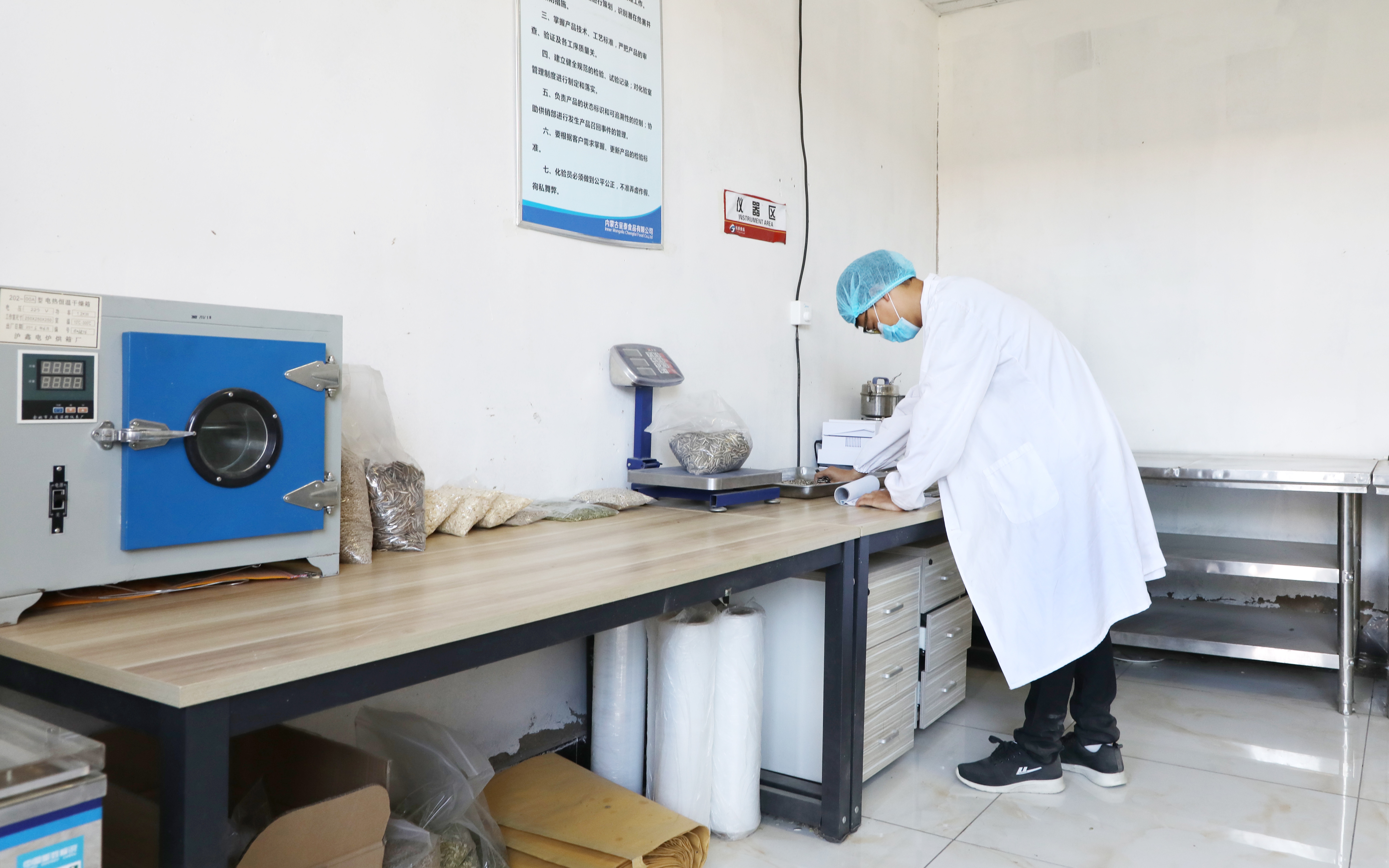
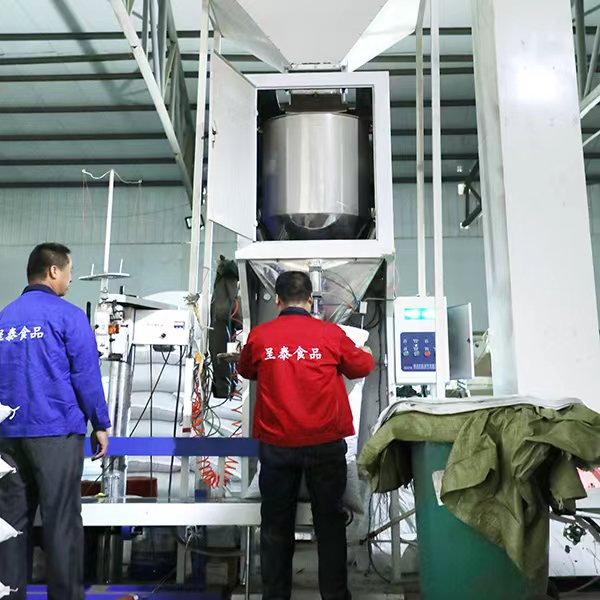
Pumpkin seeds from this type of supplier are used primarily as raw material for snack processing. In a typical snack manufacturing project, the working condition is a cool and dry indoor warehouse at normal temperature and low humidity. The seeds are handled in batch processing with manual and mechanical feeding, and the processing line usually includes sorting machines and packing machines. Impurity control is a special requirement because foreign material can damage downstream equipment and reduce product consistency.
Beyond snack manufacturing, the product is relevant to baking and confectionery. Green kernels, in particular, are used as an ingredient for bakery and confectionery products. Salted roasted pumpkin seeds are a common retail format; the supplier's pumpkin seeds are raw, so roasting and seasoning are typically done by snack manufacturers or roast shops. The growing pumpkin seed oil segment also increases demand for high-purity kernels, according to Grand View Research.
One documented reference from Chengtai involves food processors, snack manufacturers, food wholesalers, importers and distributors across a wide range of countries. The order volume is recorded as 30,000 mts over two years, with applications including wholesale and roasted products. The recorded result is stable supply, consistent product quality and satisfied bulk order delivery.
Market Trends: What Buyers Should Watch
Several trends are reshaping pumpkin seed procurement. First, supply has expanded quickly. China's 2024 production estimate of 400,000 tons marks a significant increase from the previous year, and Inner Mongolia remains a key supply base. Second, variety demand is shifting. Lady Nail planting area expanded by about 80% in 2025 to roughly 500,000 acres, driven by strong demand in the Middle East, according to Cardassilaris Family.
Third, downstream markets are growing. The global pumpkin seed market is expected to grow from USD 1.08 billion in 2025 to USD 2.62 billion by 2032 at a CAGR of 13.4%, according to Maximize Market Research. In addition, the pumpkin seed oil market is projected to grow at a CAGR of 10.5% to USD 2.06 billion by 2030, according to Grand View Research. Fourth, export competition remains significant. China's pumpkin seed export value was about USD 97 million in 2023, roughly 10% of global export value, according to Tridge / UN Comtrade.
Fifth, regulatory shocks matter. Pesticide residue restrictions in the EU and US have constrained export volumes for Shine Skin and similar types, creating temporary global oversupply in 2025. This is a reminder that the best price is not always the best total cost when compliance is uncertain.
Manufacturer Direct vs. Traditional Trading Route
Traditionally, an importer might buy pumpkin seeds from a trading company or local spot market. That route offers smaller volumes, faster spot availability, and less commitment. But it often comes with less precise grading, less control over the processing batch, and more difficulty in proving compliance. A direct manufacturer like Chengtai can offer a fixed specification sheet, OEM packaging, consistent quality testing, and clearer after-sales responsibility.
However, direct sourcing also has boundaries. The MOQ is 5 mts, the lead time is 10–15 days, and the supplier generally does not hold inventory in the buyer's country. For buyers testing a new market with a very small trial order, a trading company may be more flexible. For buyers planning regular seasonal volume, a factory source is usually easier to audit and trace.
Future Outlook
Procurement decisions will likely become more requirement-driven. Larger buyers will ask for a documented quality standard before negotiating price. Suppliers who can provide stable size distribution, low impurity, and compliance documents will be preferred. The Inner Mongolia production base is expected to remain central because of its scale and relatively efficient access to raw material.
At the same time, buyers should watch regulatory changes on mycotoxins and pesticide residues, as these can quickly change market balances. In the long run, the relationship between grower, processor and importer will become more direct, but the commodity nature of pumpkin seeds will keep price a major factor.
FAQ
What are snow white, shine skin, lady nail pumpkin seeds differences?
According to the supplier comparison, Snow White is the largest type with white color and hard skin; Shine Skin has a slightly yellow color and is described as having better taste; Lady Nail is a long type with good taste. Chengtai classifies Snow White and Shine Skin as Big Size Pumpkin Seeds, and Lady Nail as Inner Mongolia Origin Pumpkin Seeds.
Which type of pumpkin seeds has the biggest size?
Snow White. In Chengtai's comparison, Snow White is listed in 15mm+ / 13mm+ / 11mm+ tiers; Shine Skin is listed in 10mm+ / 8-10mm / <8mm; Lady Nail is listed in 10mm+ / 7-10mm / <7mm.
Which type of pumpkin seeds color is white?
Snow White is explicitly white. Lady Nail is also listed with white color in the product specification. Shine Skin is described as a little yellow.
Which type of pumpkin seeds has better taste?
The supplier notes that Shine Skin has better taste. This is one reason why Shine Skin seeds are popular in the Middle East and why the company processes them into kernels with A/AA/AAA grades.
Which type of pumpkin seeds has long shape?
Lady Nail is described as the long type with good shape. It is often chosen when the seed's appearance is important for retail presentation.
Which type of pumpkin seeds has 8-10mm size?
Shine Skin includes 8-10mm as a size tier. Lady Nail includes 7-10mm, so a buyer seeking 8-10mm can consider both, subject to sieve analysis and contract specifications.
For the full company profile, see Inner Mongolia Chengtai Food Co., Ltd. brochure: Company profile (PDF).