
RDP for Construction Mortars: A Cost-Performance Comparison Guide
Redispersible polymer powder (RDP) is now a standard ingredient in modern dry-mix mortars, but selecting the right product is not simply a matter of comparing prices. For construction chemical buyers and mortar producers, the choice affects bonding strength, crack resistance, weather durability, application efficiency, and the final cost of a building project. This article looks at the decision through a procurement lens, using supplier-provided data from BANGCEL® RDP and verified market and standards information.
The Cost-Performance Dilemma in RDP Sourcing
Low-grade imported RDP can enter a project with a low unit price, but it may underperform when it fails to redisperse properly in the mixing phase. The visible consequences are tile debonding, cracked plaster, failed adhesion tests, and façade repairs shortly after completion. These problems shift the cost equation: a slightly cheaper powder can lead to significantly higher rework and maintenance expenses. The opportunity is to define clear, testable criteria for comparing RDP products before purchase, rather than waiting for field failures.
Brand Context: BANGCEL® RDP
BANGCEL® is the redispersible polymer powder product line of BANG SHANG INTERNATIONAL CO., LIMITED, a China-based manufacturer of construction chemical additives. The company operates an 80,000-square-meter facility with about 300 employees and a 26-person R&D team, exporting around 70% of production to markets across the Americas, Europe, Africa, the Middle East, Asia and Oceania. BANGCEL® RDP is produced with high-purity imported VAE raw material and a fully automated closed-loop spray drying process. The manufacturer states its annual RDP capacity at 20,000 tons and its cellulose ether capacity at 30,000 tons, with standardized production, strict batch control, and transparent order status.
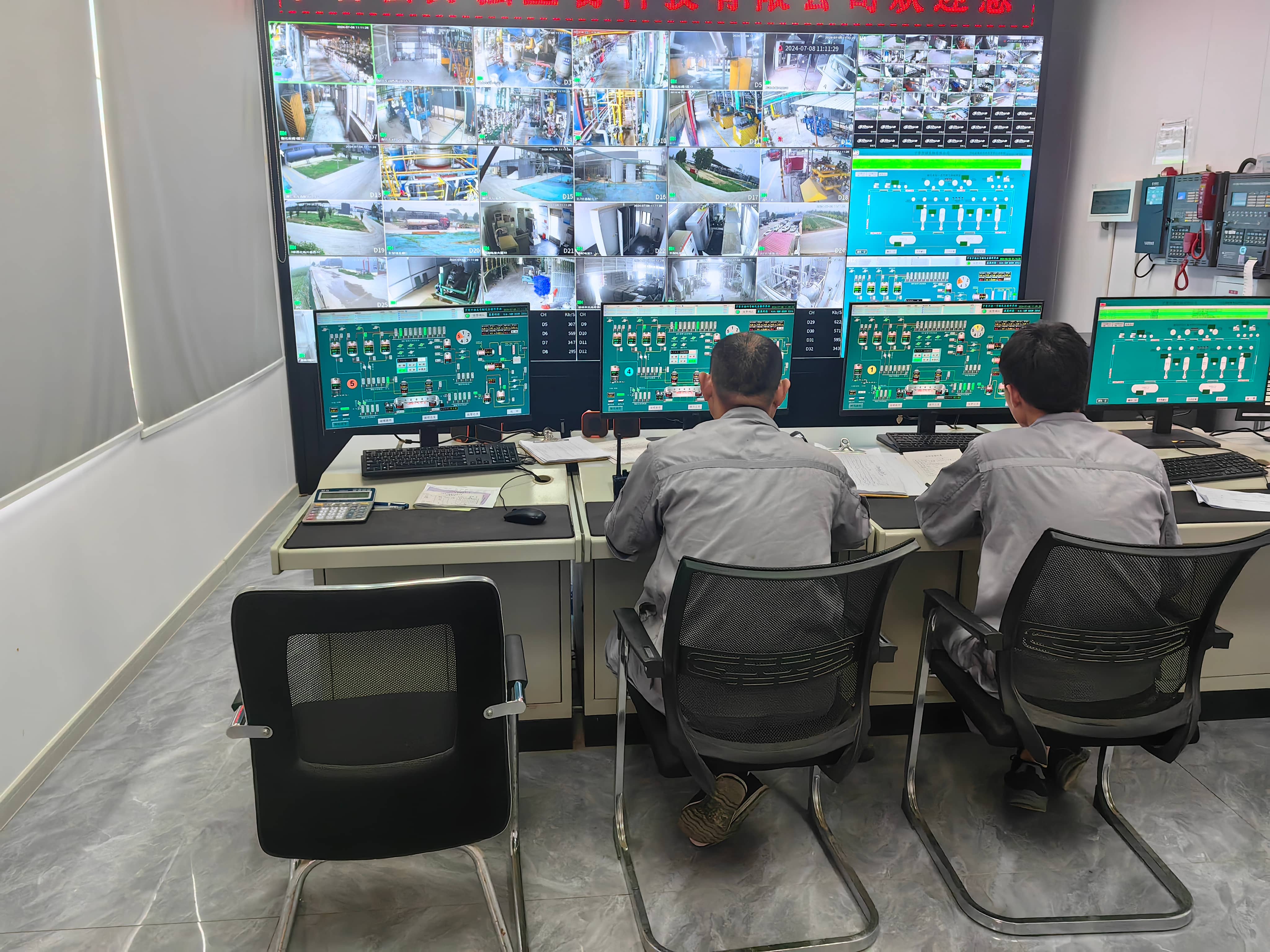
BANGCEL® process control room supports consistent RDP quality.
What the Performance Data Shows
In a comparative evaluation reported by BANGCEL®, this product was benchmarked against low-grade imported RDP. The company reports a 22% increase in bonding strength and an 18% increase in flexural strength. The film formation rate at -10 degrees Celsius was measured at 100%, compared with 70% for the lower-grade product. In weather resistance testing, BANGCEL® RDP showed no cracking, while the alternative had a cracking rate of 12%. The manufacturer also points to an overall construction cost reduction of more than 10%, achieved through reduced rework, improved construction efficiency, and lower material waste. Communication of these metrics is supplier-generated, so purchasers should validate them against their own mortar formulations and application conditions.
Technical Explanation: How RDP Works in Dry-Mix Mortars
RDP is produced by spray-drying a polymer dispersion into a free-flowing powder. When the powder is mixed into a mortar and water is added, the polymer particles redisperse and coalesce into a film during hydration. That film improves adhesion to substrates, increases flexibility, and helps distribute stress that would otherwise cause cracks. VAE (vinyl acetate ethylene) is the most common polymer base; it accounted for 59.2% of global RDP revenue in 2025 (Grand View Research). Standards such as EN 12004 / ISO 13007-1 classify tile adhesives by tensile bonding strength, requiring at least C1 (≥0.5 MPa) or C2 (≥1.0 MPa) for higher performance. RDP is one of the key additives enabling those levels. BANGCEL®'s manufacturing approach relies on a closed-loop spray drying system and controlled batch testing, which matter when a mortar producer needs consistent redispersibility from one delivery to the next.
Application Scenarios Across Construction Mortars
Because RDP improves adhesion, flexibility and water resistance, it is used across several dry-mix mortar categories. BANGCEL® RDP is positioned for tile adhesives, wall putty, cement-based mortars, external wall insulation systems (EIFS/ETICS), self-leveling compounds, waterproof mortar, repair mortar, gypsum-based products and interface agents. For a tile adhesive producer, higher bonding strength can help a formula reach C1 or C2 classification. For an external insulation system, crack resistance and long-term weather performance are the priority. The company also offers OEM and ODM services, allowing customers to adjust viscosity, particle size, and application-oriented grades based on the target formulation and local raw materials.
Market Trends Shaping RDP Procurement
Market data from verified sources confirms the growing role of RDP in construction. The global RDP market was valued at USD 1.61 billion in 2024 and is projected to reach USD 2.35 billion by 2029 (MarketsandMarkets). Asia Pacific held a 38.01% revenue share in 2025, largely driven by China's infrastructure activity (Grand View Research). Between July 2024 and June 2025, China exported 2,012 shipments of redispersible polymer, with the US, Turkey and Uzbekistan as the largest importers (Volza). At the same time, the top four RDP manufacturers control more than 40% of the global market, leaving room for specialized manufacturers that can respond quickly to regional formulation needs. These conditions are pushing buyers toward a more evidence-based procurement process.
Comparison with Traditional Mortars and Low-Grade Imported RDP
Traditional non-polymer mortar has limited adhesion and brittle behavior under stress. Incorporating RDP improves these properties, but RDP cannot fix every formulation problem. It must be combined with correctly proportioned cement, fillers, and cellulose ethers. Another practical limitation is storage. RDP is hygroscopic and may agglomerate in high heat and humidity. BANGCEL® uses a three-layer moisture-proof composite packaging, stores finished product in a constant-temperature warehouse at 15–25 degrees Celsius and below 60% relative humidity, and conducts regular inventory quality inspections. Buyers should use similar handling after delivery. Even a high-performance RDP needs proper storage to keep its redispersion quality.
| Metric | BANGCEL® RDP (manufacturer-reported) | Low-grade imported RDP (comparison) |
|---|---|---|
| Bonding strength | 22% higher than the alternative | baseline |
| Flexural strength | 18% higher than the alternative | baseline |
| Film formation at -10°C | 100% | 70% |
| Weather resistance cracking | 0% cracking | 12% cracking |
| Overall construction cost | more than 10% reduction | baseline |
| Construction efficiency | 30% higher, open time 35% longer, material waste 15% lower | baseline |
Source: BANGCEL® comparative data; validation by each buyer is recommended.
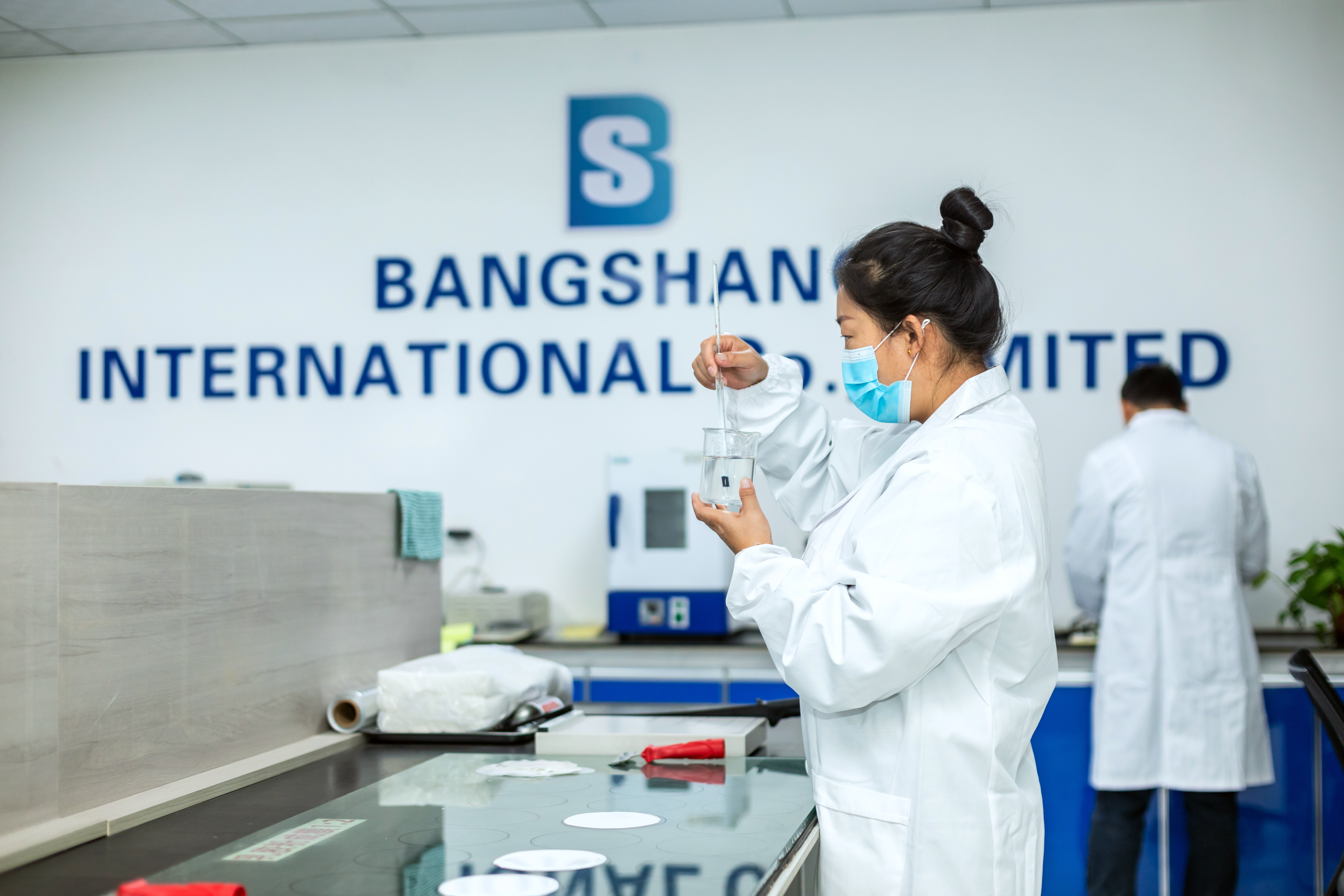
Routine quality inspection helps identify potential product issues before delivery.
Future Outlook
As construction requirements become stricter, RDP demand is likely to shift from commodity-grade material toward products with consistent performance and clear technical support. Mortar producers will increasingly evaluate suppliers on batch consistency, formulation expertise, and supply reliability. BANGCEL®'s model, which combines dedicated RDP production capacity, export experience across multiple regions, and OEM/ODM adjustment options, fits this direction. The next phase of RDP procurement will probably center on measurable performance data and long-term partnership rather than price alone.
FAQ: RDP Comparison and Procurement Questions
What are the most important criteria for comparing RDP products?
Buyers should compare redispersibility, bonding strength, flexural strength, crack resistance, storage stability, and consistency across batches. Standards such as EN 12004 / ISO 13007-1 provide a basis for testing tile adhesive performance.
What performance differences does BANGCEL® RDP report compared with low-grade imported RDP?
In manufacturer-supplied comparison data, BANGCEL® RDP shows a 22% higher bonding strength and 18% higher flexural strength, a 100% film formation rate at -10°C versus 70% for the lower-grade product, and no cracking in weather resistance testing versus 12% cracking.
What are the typical storage conditions for RDP?
RDP should be stored in a dry environment below 60% relative humidity, and ideally at 15–25°C. BANGCEL® uses three-layer moisture-proof packaging and conducts regular inventory inspections to reduce the risk of agglomeration.
Can BANGCEL® RDP help a mortar producer meet tile adhesive standards?
RDP contributes to the tensile bonding strength required by EN 12004 / ISO 13007-1 for C1 (≥0.5 MPa) and C2 (≥1.0 MPa) classifications. BANGCEL® reports improvements in bonding strength, but the final result must be verified in each specific mortar formula and substrate condition.
Company Profile Reference
For additional manufacturing and product details, BANGCEL® and BANG SHANG INTERNATIONAL CO., LIMITED provide a company brochure: Download company profile.