
RICHART Custom vs. Standard Furniture: A Five-Star Hotel ROI Analysis
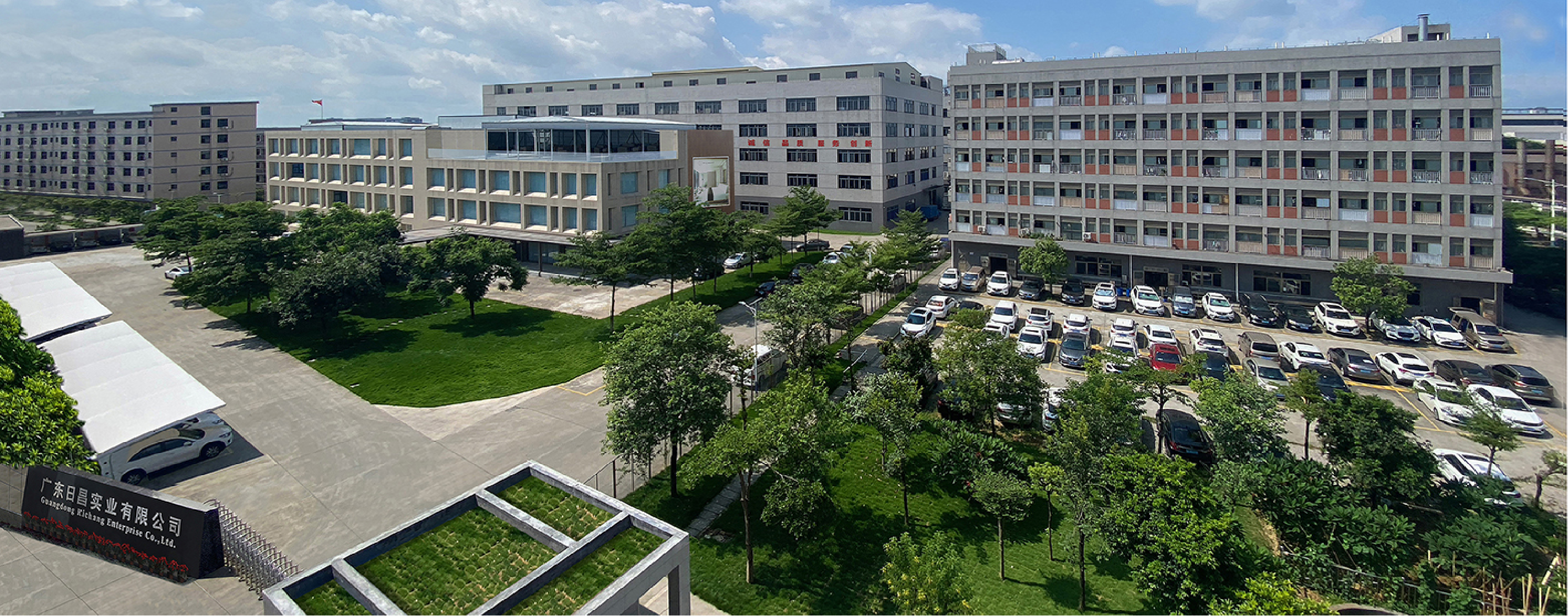
For procurement teams evaluating custom furniture for five-star hotels, the decision often narrows to a single question: Is bespoke worth the premium? This analysis compares the long-term value of custom-manufactured pieces against standard alternatives, using data and capabilities from Guangdong Richang Furniture Co., Ltd. (RICHART)—a manufacturer with three decades of experience supplying luxury hospitality projects. The findings are clear: while custom furniture carries a 30% higher initial investment, its total cost of ownership (TCO) drops by 50% over eight years, making it the financially sound choice for operators who prioritize durability, design precision, and guest experience.
The High-Stakes Decision in Hospitality Procurement
Five-star hotel projects face relentless pressure to differentiate while controlling lifecycle costs. The global luxury hotel furniture market, valued at USD 212.14 billion in 2026, is projected to reach USD 312.97 billion by 2035, reflecting a sustained appetite for premium environments. Yet the choice between off-the-shelf and custom furniture remains one of the highest-impact procurement decisions. Standard items may lower upfront expenditure but often lead to higher maintenance, faster replacement, and mismatched aesthetics—risks that can erode brand equity and operational margins in a competitive market.
RICHART: A Vertically Integrated Solution for Five-Star Demands
Guangdong Richang Furniture Co., Ltd. (RICHART) is a Chinese manufacturer specializing in custom high-end movable and fixed furniture for five-star hotels, luxury residences, and large-scale projects. Founded in 1990, the company operates a 100,000-square-meter production base in the Dawang High-tech Industrial Park in Zhaoqing, Guangdong Province. With a team of 1,000 employees, including a 100-person R&D department, and an annual output capacity of 500,000,000 CNY, RICHART brings industrial-scale reliability to bespoke design.
The company's global network spans over 20 countries and five continents, having supplied furniture and accessories to more than 500 high-star hotels under brands such as St. Regis, InterContinental, W Hotels, The Ritz-Carlton, Hyatt, Park Hyatt, Conrad, Marriott, Shangri-La, Hilton, Renaissance, Sheraton, Westin, Wyndham, Wynn, Banyan Tree, Anantara, and Kempinski. This track record demonstrates an ability to execute complex, brand-specific projects across diverse cultural and regulatory environments.
Technical Foundation of Custom Furniture Performance
RICHART's custom furniture achieves superior performance through three tightly controlled process pillars: precision dimensional control, material stability control, and surface finish quality control. These measures directly address common industry failure modes—material deformation, surface cracking and fading, and structural loosening.
To guarantee consistency, the factory employs strict raw material inspection, pre-delivery quality inspection, professional installation guidance, and after-sales maintenance service. Production workflows comply with ISO 9001:2008 (Quality Management System), ISO 14001:2004 (Environmental Management System), and OHSAS 18001:2007 (Occupational Health and Safety Management System). The facility also holds certifications including "China Environmental Labeling Product" and "China Environmental Protection Product."
Advanced automatic production equipment sourced from Italy, Germany, Japan, and Taiwan enables RICHART to achieve a defect rate reduction of over 80% compared to standard manufacturing, along with 25% higher structural stability and durability efficiency. These metrics translate into furniture that extends its service life by two times—from roughly 8–10 years to 16–20 years in a typical hotel rotation—while requiring 80% less maintenance over its lifecycle.

Application Scenarios Across the Hotel Ecosystem
RICHART's custom furniture capabilities cover the full spectrum of five-star hotel spaces. For guestrooms, the company manufactures casegoods (dressers, nightstands, desks) and upholstered furniture (bed headboards, lounge chairs, sofas) that must meet exacting size, finish, and fire-retardant specifications. In the lobby, custom seating, tables, and reception desks become architectural statements that reinforce brand identity. Restaurants and suites require flexible, high-durability pieces that withstand constant use while maintaining a polished appearance.
Each scenario benefits from RICHART's ODM and OEM services, allowing designers and procurement teams to translate concept drawings into production-ready pieces without compromising on material quality of fit. The company's experience with international hotel chains ensures that pieces manufactured for a property in Dubai or Shanghai can be replicated consistently for a sister hotel in London, supporting global brand standards.
Market Trend: Sustainability and Compliance Drive Custom Uptake
Recent data reinforces the shift toward custom solutions. Over two-thirds of upscale hotels now allocate a dedicated budget for bespoke furnishings, with average project spend increasing by 31% since 2021. Sustainability specifications in hotel furniture contracts have risen by 45% in 2025, making low-VOC finishes and FSC-certified wood standard requirements—criteria that custom manufacturers like RICHART can fully address through controlled sourcing and finishing processes.
Asia Pacific led the global hospitality furniture market with a 36.4% revenue share in 2025, driven by construction booms in emerging economies. For buyers sourcing from China, RICHART's established export ratio of 60% (serving the USA, EU, Southeast Asia, the Middle East, and China) and experience with over 500 high-star hotels provides a proven bridge between Asian production efficiency and global luxury standards.
Custom vs. Standard: A Decision Matrix for Five-Star Buyers
The table below summarizes the key trade-offs between RICHART custom furniture and standard alternatives, based on verified production data and market benchmarks.
| Metric | RICHART Custom Furniture |
|---|---|
| Initial cost | 30% higher than standard |
| Total cost of ownership (8 years) | 50% lower than standard |
| Service life | Extended by 2 times (16–20 years) |
| Defect rate | Reduced by over 80% |
| Maintenance requirement | 80% less than standard |
| Material cost increase | 120%–150% over standard |
| Structural stability & durability efficiency | 25% higher |
One honest limitation of custom furniture is the longer lead time required for design approval, material sourcing, and production. Standard stock items can ship in weeks, whereas a custom project with RICHART typically involves several months from concept to delivery. However, for projects where brand consistency, longevity, and maintenance cost are critical—as they are in five-star hotels—the lifecycle benefits far outweigh the schedule flexibility of standard options.
Future Outlook: Custom as the New Hospitality Standard
As sustainability regulations tighten and guest expectations rise, the industry is moving toward bespoke as a baseline rather than a premium option. With Asia Pacific dominating production capacity and supply chain innovation, manufacturers like RICHART that combine scale, certification depth, and customization technology are positioned to lead. The company's ongoing investments in environmental protection equipment and compliance with ISO 14001 (since 2006) align with the 45% surge in green contract specifications seen in 2025.
Procurement teams that adopt a total-cost-of-ownership mindset—rather than focusing solely on initial price—will find that custom furniture from experienced manufacturers delivers measurable financial and operational returns across the hotel's lifespan.
Frequently Asked Questions
- How does the total cost of ownership (TCO) of custom furniture compare to standard furniture for five-star hotels?
- Custom furniture has a lower TCO despite a 30% higher initial cost. Over 8 years, the TCO is 50% lower due to doubled service life (16–20 years), 80% less maintenance, and defect rates reduced by over 80%.
- What maintenance savings can a hotel expect from using RICHART custom furniture?
- Hotels using custom furniture require 80% less maintenance compared to standard furniture. This is achieved through precision dimensional control, material stability control, and surface finish quality control—all embedded in RICHART's production process.
- What are the main durability improvements of custom over standard furniture?
- Custom furniture delivers 25% higher structural stability and durability efficiency. Service life extends by 8–10 years, meaning pieces last 16–20 years versus 8–10 years for standard equivalents.
- How does RICHART control quality and mitigate defects in custom furniture?
- RICHART employs strict raw material inspection, pre-delivery quality inspection, professional installation guidance, and after-sales maintenance service. The facility operates under ISO 9001, ISO 14001, and OHSAS 18001 certifications, using advanced imported equipment to maintain tolerances.
- Is custom furniture worth the upfront cost increase for a five-star hotel renovation?
- Yes, for properties that prioritize brand consistency, guest experience, and low lifecycle costs. While initial investment is 30% higher, the extended lifespan and drastically reduced maintenance make custom furniture the more economical choice over the long term.