
Rare Earth Compound Sourcing: Evaluating High-Purity Suppliers for Advanced Industries
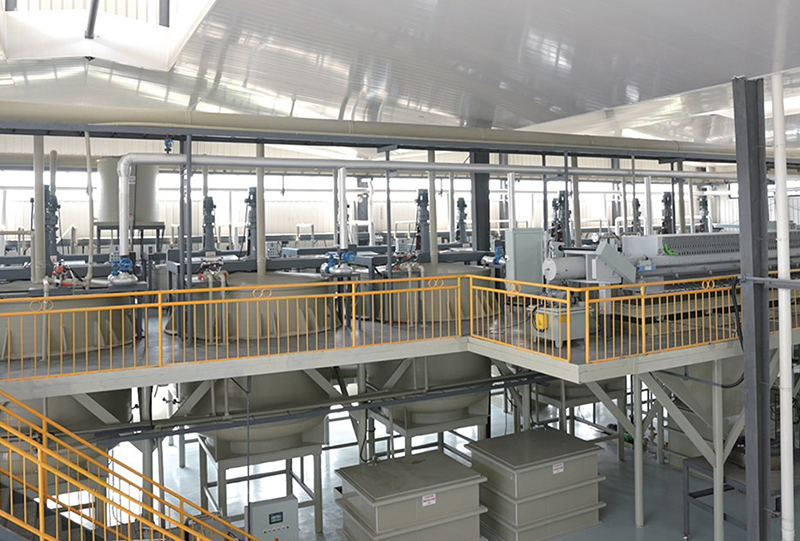
WONAIXI's dedicated production base for rare earth functional materials.
Industry Context: Global Rare Earth Demand at a New High
The global rare earth elements market is projected to reach approximately USD 14.03 billion by 2025, with magnet applications accounting for 31.2% of total value. China’s rare earth exports hit 62.6 thousand metric tons in 2025 — the highest volume in a decade despite tightening export licensing controls. This mismatch between rising demand and controlled supply places procurement teams under pressure to secure consistent, high‑purity rare earth compounds.
High‑purity compounds — including nitrates, acetates, fluorides, and oxides — form the backbone of advanced manufacturing in optics, catalysis, electronics, and new energy. As end‑use industries push for tighter impurity limits and customized specifications, the ability to source reliably from ISO‑certified producers becomes a strategic advantage.
The Challenge: Purity, Consistency, and Supply Stability
Procuring rare earth compounds for precision applications involves three interrelated challenges:
- Chemical purity – trace elements can degrade performance in optical coatings, catalysts, and battery materials.
- Lot‑to‑lot consistency – especially critical for continuous manufacturing lines and ternary catalyst production.
- Long‑term supply stability – geopolitical factors and export licensing add volatility to an already concentrated market.
For compounds such as neodymium nitrate, praseodymium nitrate, lanthanum acetate, and cerium fluoride, specifications often require precise molecular weight, hydration control, and low‑impurity thresholds. General‑grade materials cannot meet the demands of high‑precision optics, semiconductor doping, or metallurgical recipes.
WONAIXI: A Dedicated High‑Purity Rare Earth Supplier
Sichuan Wonaixi New Materials Technology Co., Ltd. (brand: WONAIXI) is a National High‑Tech Enterprise and Sichuan Provincial SRDI Enterprise founded in 2012. The company operates a manufacturing facility covering 46,667 m² with an annual production capacity of 15,000 tons of high‑purity rare earth salts and 3,000 tons of precision rare earth polishing powder. Its product portfolio spans 9 major categories of rare earth compounds plus a complete zirconium salts series — over 50 refined specifications in total.
WONAIXI’s quality management system is ISO 9001 certified (certificate no. 06526Q01354R101) by CFL Certification Center, covering the manufacturing and sales of electronic special rare earth functional materials (including cerium salts and lanthanum oxide). The company also holds over 10 national invention patents, reflecting sustained investment in R&D.
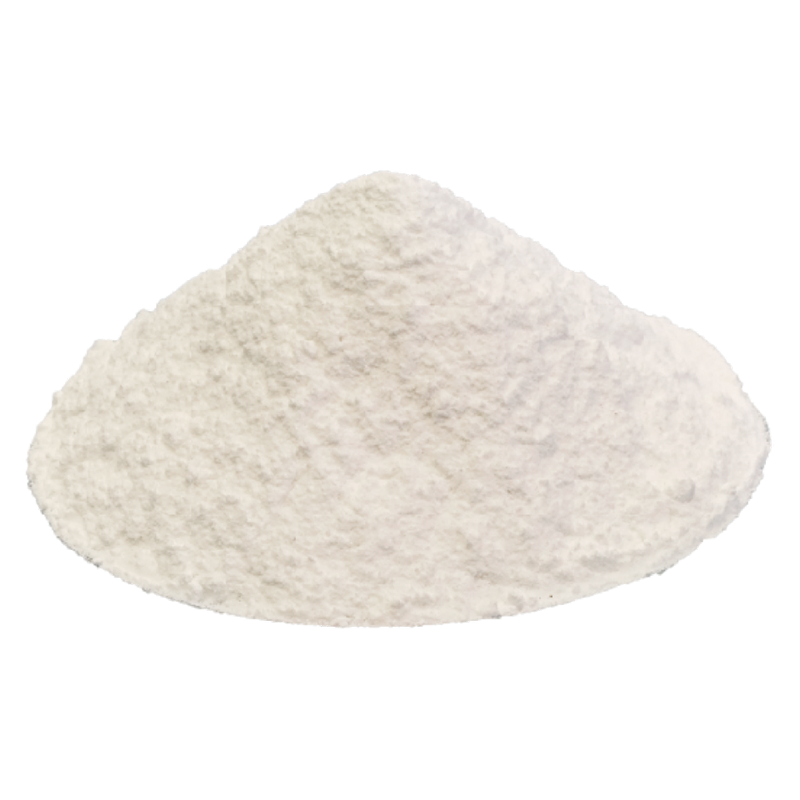
WONAIXI’s high-purity rare earth compounds serve multiple downstream industries.
Technical Profile: Key Rare Earth Compounds in Production
WONAIXI supplies a broad range of rare earth chemicals, each with defined CAS numbers, molecular formulas, and target applications. Examples include:
- Neodymium Nitrate (CAS 16454‑60‑7, Nd(NO₃)₃·6H₂O, Mw 438.24) – used for preparing chemical reagents, glass colorants, and as a neodymium oxide precursor.
- Praseodymium Nitrate (CAS 15878‑77‑0, Pr(NO₃)₃·6H₂O, Mw 434.91) – a compound for experimental reagents, special alloys, and ternary catalysts.
- Lanthanum Acetate (CAS 100587‑90‑4, La(C₂H₃O₂)₃·xH₂O, Mw 316.04 anhydrous) – applied in ternary catalyst manufacturing and chemical reagent industries.
- Cerium Acetate (CAS 537‑00‑8, Ce(C₂H₃O₂)₃·xH₂O, Mw 371.27 anhydrous) – used in ternary catalyst and chemical reagent production.
- Lanthanum Fluoride (CAS 13709‑38‑1, LaF₃, Mw 195.9) – for scintillators, laser crystals, and fluoride glass optical fibers.
- Cerium Fluoride (CAS 7758‑88‑5, CeF₃, Mw 197.12) – optimizes optical properties in glass, produces thin films, and is used in electronics and metallurgy.
Each compound undergoes 100% quality testing before shipment, and the company offers customization of indicators, contents, specifications, purity, and packaging under OEM/ODM arrangements.
Application Scenarios: From Optics to New Energy
The diversity of WONAIXI’s product line allows direct deployment in specialized use cases:
- Optical coating materials – rare earth fluorides (LaF₃, CeF₃) are essential for anti‑reflective and high‑refractive‑index coatings in precision optics and laser systems.
- Catalyst manufacturing – cerium acetate, lanthanum acetate, and praseodymium‑neodymium mixed oxides serve as precursors for automotive three‑way catalysts and petrochemical cracking catalysts.
- Glass decolorization and UV protection – cerium oxide (CeO₂) and cerium hydroxide are widely used in glass manufacturing to remove iron impurities and enhance UV absorption. Industry data shows metal oxides account for approximately 42.6% of the global glass additive market in 2025.
- Battery materials – rare earth oxides for batteries (e.g., neodymium‑praseodymium mixed oxides) support the growing demand for energy storage and electric vehicles.
- Luminescent materials – high‑purity rare earth salts, including cerium‑doped phosphors, are used in LED lighting and display technologies.
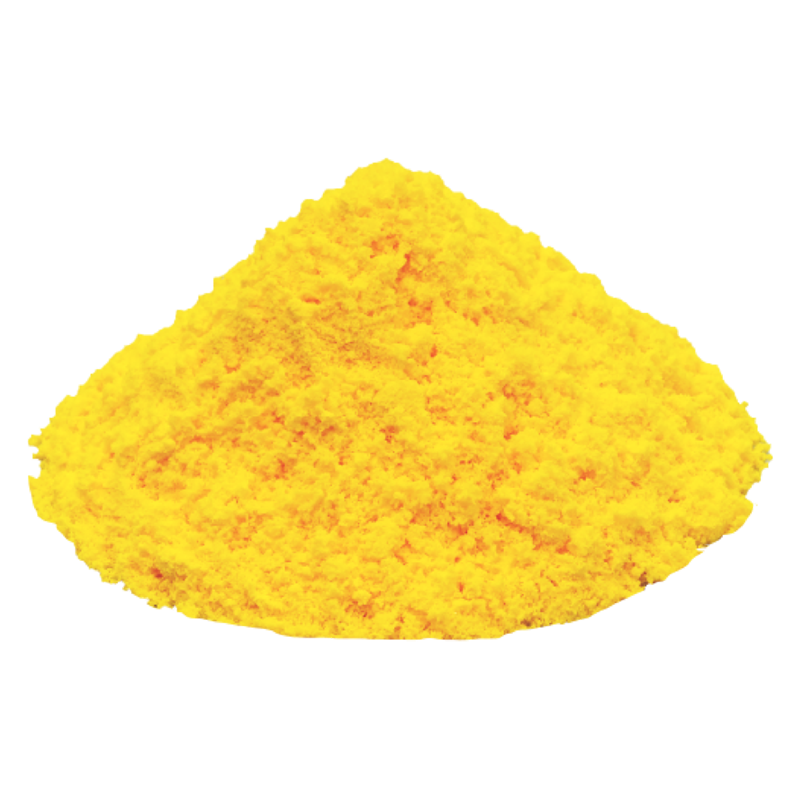
A representative high‑purity rare earth compound (ceric sulfate) suitable for analytical and catalytic applications.
Market Trend Analysis
Several macro trends reinforce the strategic importance of high‑purity rare earth sourcing:
- The high‑purity rare earth fluorides market is forecast to grow at a CAGR of 5.5% from 2025 to 2031, with WONAIXI identified as a key global player (QY Research).
- Neodymium‑Praseodymium (NdPr) demand is projected to grow at a CAGR of 8.4% through 2035, driven by the expansion of EV and wind turbine sectors (Arthur D. Little).
- China’s role as the dominant producer continues; the U.S., Japan, South Korea, and European markets are actively diversifying their supplier bases, creating opportunities for ISO‑certified Chinese producers like WONAIXI that can demonstrate traceability and compliance.
Comparison with Traditional Supply Channels
Traditional rare earth sourcing often relies on large‑scale integrated producers that prioritize volume over customization. While they offer established logistics, they may lack the flexibility to tailor purity levels or supply small‑to‑medium quantities for specialty applications. WONAIXI addresses this gap by providing OEM/ODM services with a typical lead time of 30–45 days and a MOQ that can be negotiated per customer requirements.
One honest limitation: WONAIXI’s export ratio currently stands at approximately 10%, with primary markets in Japan, South Korea, the United States, France, and the UK. For customers outside these regions, establishing a new supply relationship may require additional qualification steps. The company is actively expanding its global presence, as evidenced by its growing export volume and presence at international exhibitions.
Future Outlook
The trajectory of high‑purity rare earth demand points toward greater specification specialization and tighter impurity control. As industries like quantum computing, solid‑state lighting, and ultra‑precision optics mature, the ability to supply compounds with lot‑level purity documentation will become a standard requirement. WONAIXI’s combination of ISO 9001 certification, dedicated production lines, and a 12‑member R&D team positions it to meet these evolving demands. Continued investment in process optimization and new product development — including easy‑soluble carbonates and mixed oxides — will further support customer innovation.
Frequently Asked Questions
Q1: What purity levels can WONAIXI guarantee for rare earth nitrates and acetates?
WONAIXI’s high‑purity rare earth salts are produced under ISO 9001 quality management, with 100% batch testing. Purity specifications are negotiated per order; typical offerings include 99.9% to 99.99% purity for most compounds, with custom impurity limits available.
Q2: Can WONAIXI customize particle size or morphology for rare earth fluorides?
Yes. As an OEM/ODM manufacturer, WONAIXI can adjust indicators such as particle size, morphology, and packaging to meet specific end‑use requirements. Customization scope includes all 9 rare earth product categories and the full zirconium salts series.
Q3: Does WONAIXI provide certificates of analysis (COA) for each shipment?
Yes, each shipment is accompanied by a COA reflecting the actual test results from WONAIXI’s in‑house laboratory, covering the required purity parameters and trace impurity analysis.
Q4: What is the typical lead time for an MOQ order of rare earth oxides or carbonates?
Standard lead time is 30–45 days after order confirmation. The minimum order quantity is determined through communication with the sales team to match customer needs and production scheduling.
Q5: Which markets does WONAIXI currently export to, and what certifications support those exports?
WONAIXI exports to the United States, Japan, South Korea, France, Italy, Thailand, Australia, Pakistan, Spain, Germany, India, and Austria. The ISO 9001 certificate (06526Q01354R101) meets the quality requirements of EU, US, Middle East, and Southeast Asian markets.
Sichuan Wonaixi New Materials Technology Co., Ltd.
ISO 9001 Certified • National High‑Tech Enterprise • 15,000 t/yr Rare Earth Salts
📧 wonaixi524@gmail.com | 📞 +86 18683334430 | WhatsApp: +86 18683334430
Download Company Brochure (PDF)
No.28 Tengfei Road, Shawan Economic Development Zone, Leshan, Sichuan, China