
Rare Earth Compounds for Modern Industry: WONAIXI’s High-Purity Solutions
Industry Overview
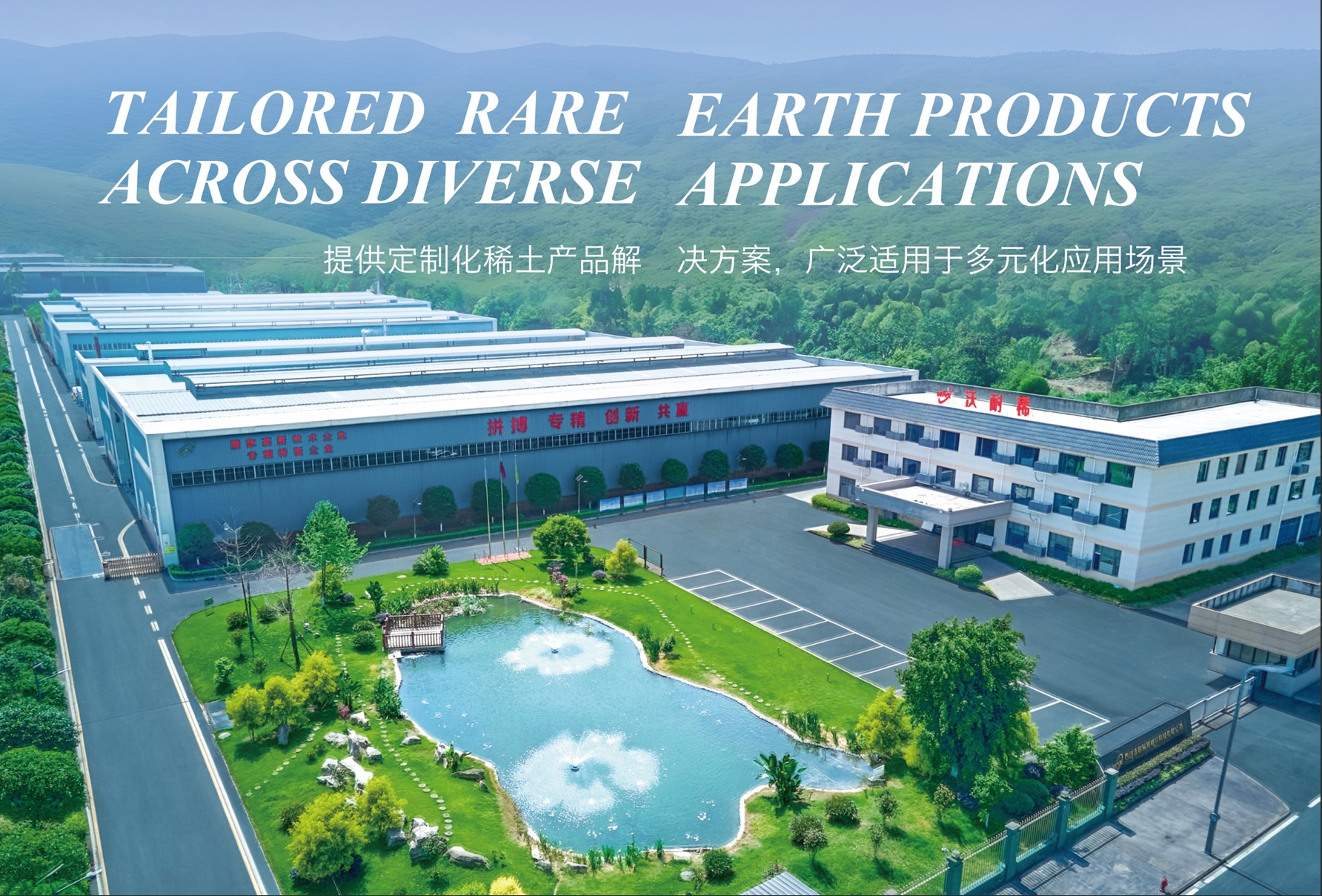
Sichuan Wonaixi New Materials Technology Co., Ltd. (WONAIXI) is a Chinese manufacturer founded in 2012, specialized in the R&D and production of rare earth functional materials. With a 46,667 m² facility and ~98 employees, the company produces over 50 refined specifications across 9 major rare earth categories plus a complete zirconium salts series. Its annual output includes 15,000 tons of high-purity rare earth salts and 3,000 tons of high-precision rare earth polishing powder.
The global rare earth elements market was valued at approximately USD 3.95 billion in 2024 and is projected to reach USD 6.28 billion by 2030 (Grand View Research). China’s rare‑earth exports reached 62.6 thousand metric tons in 2025, a significant rebound from 55.4 thousand metric tons in 2024, highlighting sustained industrial demand.
Problem & Opportunity
Industries such as automotive exhaust purification, optical glass, electronics, and catalysis require rare earth compounds with precise particle size, ultra‑low impurity levels, and consistent batch‑to‑batch quality. Traditional fine‑powder cerium carbonate often generates dust, complicates handling, and dissolves too quickly for controlled release processes. The opportunity lies in engineered particle morphology—dense granules that reduce airborne particles while providing a gradual dissolution profile suitable for fixed‑bed catalysts and ceramics manufacturing.
Brand Solution
WONAIXI addresses this need with its Large Particle Size Cerium Carbonate (model: Large Particle Size Cerium Carbonate; formula Ce₂(CO₃)₃·xH₂O; CAS 54454‑25‑1; anhydrous mol. wt. 460.26). This rare earth carbonate hydrate is designed specifically for the automotive exhaust purification catalysts industry, serving as an intermediate for producing cerium and other compounds. Its dense granules (500 µm–5 mm, 30–40 mesh) offer higher bulk density (3.0–3.2 g/cm³) compared to standard fine powder (~2.6 g/cm³), reducing storage footprint and eliminating airborne dust.
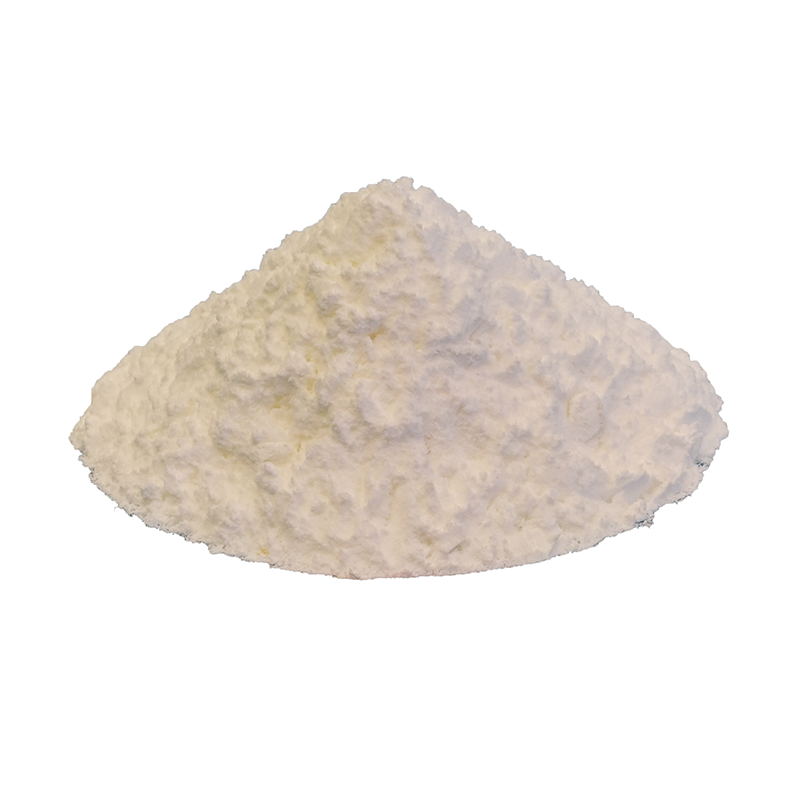
Furthermore, WONAIXI’s Low Chloride Cerium Carbonate (Cl⁻ ≤ 10 ppm for general grade, ≤ 1 ppm for ultra‑low grade) eliminates chloride‑induced corrosion in semiconductor and biomedical applications, where trace Cl⁻ can cause device failure or tissue irritation.
Technical Explanation
The large particle size of this cerium carbonate derives from controlled crystallization, producing robust granules with low specific surface area. Under heat, the compound decomposes stepwise: 300–400 °C yields Ce₂O₃, further oxidizing to CeO₂ above 600 °C. The gradual CO₂ release creates uniform porosity in ceramic bodies, reducing shrinkage and improving mechanical strength. In aqueous systems, the low solubility (0.001 g/100 mL at 20 °C) enables sustained Ce³⁺ release, beneficial for phosphate precipitation in wastewater treatment and for controlled‑release fertilizers.
Application / Use‑Case Scenarios
- Automotive Exhaust Catalysts: The primary application. The granules calcine into high‑surface‑area CeO₂ that anchors noble metals for NOₓ reduction.
- Advanced Ceramics: Used as a sintering aid in alumina and zirconia green bodies. The uniform distribution of granules and gradual CO₂ evolution improve densification and mechanical properties of furnace liners and engine components.
- Water Treatment: In filter beds, the slow Ce³⁺ release precipitates phosphate as insoluble CePO₄, mitigating eutrophication without clogging.
- Metallurgy: As a grain refiner and deoxidizer for steel and aluminum alloys, the granular form is easy to dose into molten metal.
Market Trend Analysis
The specialty cerium carbonate segment is driven by tightening emission standards (e.g., Euro 7, China VI) and the growing adoption of electric vehicles, which still require catalytic converters in hybrid models. The global ceric ammonium nitrate (CAN) market—a closely related downstream product—was valued at USD 162 million in 2023 and is expected to grow at a CAGR of 7.8% to reach USD 274 million by 2030 (Persistence Market Research). Asia‑Pacific, particularly China, is the fastest‑growing region for these compounds due to concentrated electronics and photomask production.
Comparison with Traditional Solutions
Compared to standard fine‑powder cerium carbonate (100–500 mesh), WONAIXI’s large‑particle variant offers near‑zero airborne dust, longer shelf life (3–4 years vs. 2–3 years), and controlled dissolution. However, one honest limitation is its slower reaction kinetics: in processes requiring rapid Ce³⁺ availability—such as some homogeneous catalytic reactions—the fine powder may still be preferable. The granular form is best suited for fixed‑bed and solid‑state applications.
Future Outlook
As rare earth demand grows, manufacturers will increasingly require custom particle morphology and ultra‑low impurity profiles. WONAIXI’s dedicated production lines for large‑particle and low‑chloride cerium carbonates position it to serve the evolving needs of automotive catalysis, electronics, and advanced ceramics. With over 12 years of experience, the company continues to invest in refining its 50+ specifications across rare earth and zirconium salt product lines.
FAQ
What is the primary application of Large Particle Size Cerium Carbonate?
It is used as an intermediate for producing cerium compounds, primarily for the manufacturing of automotive exhaust purification catalysts.
How does particle size affect performance?
The dense granules (500 µm–5 mm) eliminate dust, offer higher bulk density, and provide controlled Ce³⁺ release during acid dissolution or thermal decomposition, which is advantageous for filter beds and ceramic forming.
What industries benefit from WONAIXI’s low‑chloride cerium carbonate?
Industries where trace chloride can cause corrosion or device failure—such as semiconductor manufacturing, biomedical implants, and high‑temperature solid oxide fuel cells—benefit from grades with Cl⁻ ≤ 10 ppm (down to ≤ 1 ppm).
How does WONAIXI ensure consistent quality?
The company’s 46,667 m² facility operates dedicated production lines with internal quality controls, and it is certified as a National High‑Tech Enterprise and Sichuan Provincial SRDI Enterprise.
What is the shelf life of Large Particle Size Cerium Carbonate?
When stored in a dry warehouse at 15–25 °C with RH < 60%, the product has a shelf life of 3–4 years, longer than fine‑powder alternatives due to its lower hygroscopicity.
Contact Information: For technical datasheets or sample requests, email wnx.yang@wnxxcl.com or call +86 18683334430. Download the full corporate brochure here.
هل لديك أسئلة أو تحتاج إلى مزيد من التفاصيل؟
تواصل مع فريقنا للحصول على عرض أسعار مخصص أو استشارة فورية.
طلب عرض أسعار
املأ النموذج أدناه وسيتواصل معك فريقنا بعرض مقترح مخصص.
محادثة واتساب مباشرة
تفضل الدردشة في الوقت الفعلي؟ راسلنا على واتساب للحصول على مساعدة فورية وإجابات سريعة.
- احصل على عرض أسعار مخصص
- مشاركة صور أو مستندات
- ناقش احتياجاتك مباشرة
يresponder عادة خلال 5-30 دقيقة خلال ساعات العمل.