
Rare Earth Functional Materials: Sourcing High-Purity Compounds for Advanced Industries
The global rare earth elements market is projected to reach approximately USD 14.03 billion by 2025, driven by demand in magnets, catalysts, optics, and energy storage. Within this landscape, Sichuan Wonaixi New Materials Technology Co., Ltd. (WONAIXI) stands as a specialized manufacturer of high-purity rare earth functional materials, supplying over 50 refined specifications across nine product categories to industries worldwide.
Industry Challenge: Purity and Consistency in Rare Earth Supply
As high-tech applications—from NdFeB magnets for EV motors to precision optical glass and automotive catalysts—demand ever-tighter impurity tolerances, the procurement of rare earth compounds becomes a critical bottleneck. Traditional sources often struggle with batch-to-batch consistency, residual chloride in carbonates, or insufficiently controlled particle morphology. Buyers need suppliers that can deliver certified purity, stable production capacity, and application-specific product forms.
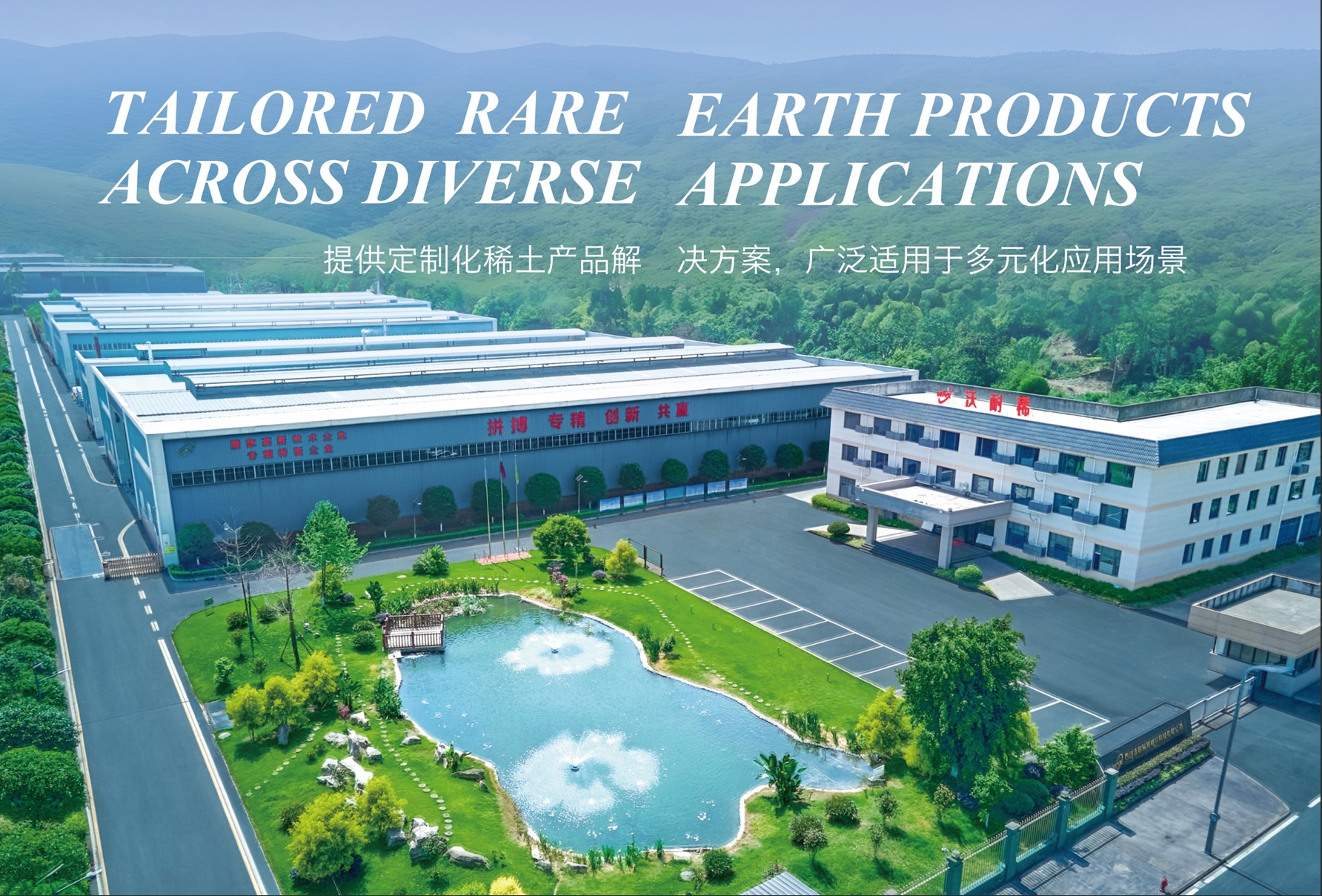
WONAIXI production facility, Leshan, Sichuan
WONAIXI: A Dedicated Rare Earth Functional Materials Manufacturer
Founded in 2012, Sichuan Wonaixi New Materials Technology Co., Ltd. specializes in R&D and production of rare earth functional materials. Certified as a National High-Tech Enterprise and Sichuan Provincial SRDI Enterprise, the company operates dedicated production lines with an annual output of 15,000 tons of high-purity rare earth salts and 3,000 tons of high-precision rare earth polishing powder. Its product lineup includes high-purity rare earth salts, rare earth fluorides, acetates, nitrates, carbonates, hydroxides, oxides, and chlorides, spanning grades from industrial to ultra-high-purity (4N/5N).
Key products aligned with secondary keywords include:
- Rare Earth Nitrates: Neodymium Nitrate (Nd(NO₃)₃·6H₂O, CAS 16454-60-7), Praseodymium Nitrate (Pr(NO₃)₃·6H₂O, CAS 15878-77-0), used for catalysts, special alloys, and glass coloring.
- Rare Earth Acetates: Lanthanum Acetate (La(C₂H₃O₂)₃·xH₂O, CAS 100587-90-4), Cerium Acetate (Ce(C₂H₃O₂)₃·xH₂O, CAS 537-00-8), Neodymium Acetate—supplied as hydrates for catalyst and chemical reagent manufacturing.
- Rare Earth Fluorides: Lanthanum Fluoride (LaF₃, CAS 13709-38-1), Cerium Fluoride (CeF₃, CAS 7758-88-5), Neodymium Fluoride—critical for optical components, scintillators, and metallurgy.
- High-Purity Oxides: High Purity Lanthanum Oxide (La₂O₃, 4N/5N), High Purity Neodymium Oxide (Nd₂O₃)—for electronics, ceramics, and optical glass.
- Catalyst Grade Cerium Oxide (CeO₂): Used in three-way catalysts and polishing.
- Metallurgical Grade Rare Earth Fluorides: For flux in rare earth metal smelting.
- Luminescent Grade Rare Earth Salts (e.g., Ce(NO₃)₃·6H₂O): For phosphors and lighting.
- Low Impurity Rare Earth Oxides: With strict control of Cl⁻, Fe, Si.
- Easily Soluble Rare Earth Carbonates: Lanthanum Carbonate (La₂(CO₃)₃·xH₂O), Cerium Carbonate—intermediates for catalysts and further processing.
- Mixed Rare Earth Compounds: Lanthanum Cerium Mixed Salt, Praseodymium Neodymium Mixed Oxide (PrNdOₓ) for magnet and battery precursors.
- Specialized Rare Earth Powders: Rare Earth Oxide for Batteries (doped ceria), Rare Earth Raw Material for Glass Decolorization (CeO₂-based), Rare Earth Powder for Ceramic Additive (La₂O₃, Y₂O₃, etc.).
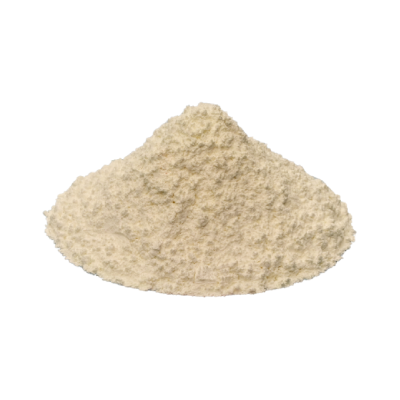
Lanthanum Oxide (La₂O₃) – a core product for electronics and optics
Technical Capabilities: Tailored Particle, Purity, and Form
WONAIXI’s process engineering enables customized particle morphology (e.g., fine crystalline spherical cerium carbonate), controlled chloride content (Low Chloride Cerium Carbonate with Cl⁻ ≤10 ppm), and variable hydrate levels. For example, Low Chloride Cerium Carbonate (Ce₂(CO₃)₃·xH₂O, CAS 54451-25-1) is specifically developed to avoid CeOCl formation during calcination, making it ideal for semiconductor dielectric films and biomedical implants. Similarly, Large Particle Size Cerium Carbonate (3.0–3.2 g/cm³ bulk density) minimizes dust and enables controlled Ce³⁺ release for slow-release water treatment and fixed-bed catalyst supports.
The company’s Zirconium Nitrate (Zr(NO₃)₄·2H₂O) and Zirconium Acetate (Zr(C₂H₃O₂)₄ solution) serve as precursors for ternary catalysts, high-end ceramics, and electronic thin films, with zero chloride residue after calcination. Anhydrous Neodymium Chloride (NdCl₃, CAS 10024-93-8) is supplied for oxygen-sensitive applications such as anhydrous molten salt electrolysis and high-coercivity NdFeB magnets.
Application Scenarios Across Key Industries
Optics and Photonics: Lanthanum Fluoride is used for UV/IR prisms and anti-reflective coatings; Cerium Fluoride for high-purity optical thin films in semiconductors; Neodymium Fluoride for laser crystal doping.
Catalysis: Cerium Carbonate, Cerium Oxide, and Low Chloride variants are essential for automotive three-way catalysts and VOC abatement. High Purity Lanthanum Carbonate serves as a precursor for exhaust purification catalysts.
Ceramics and Refractories: Lanthanum Hydroxide and Cerium Hydroxide act as sintering aids, lowering firing temperature and improving mechanical strength of zirconia and alumina ceramics.
Energy Storage: Praseodymium-Neodymium Oxide is increasingly used in Ni-MH battery anodes and solid oxide fuel cell electrolytes. High Purity Neodymium Oxide supports NdFeB magnet production for wind turbines and EVs.
Water Treatment: Large Particle Size Cerium Carbonate provides sustained phosphate removal via CePO₄ precipitation without clogging filters.
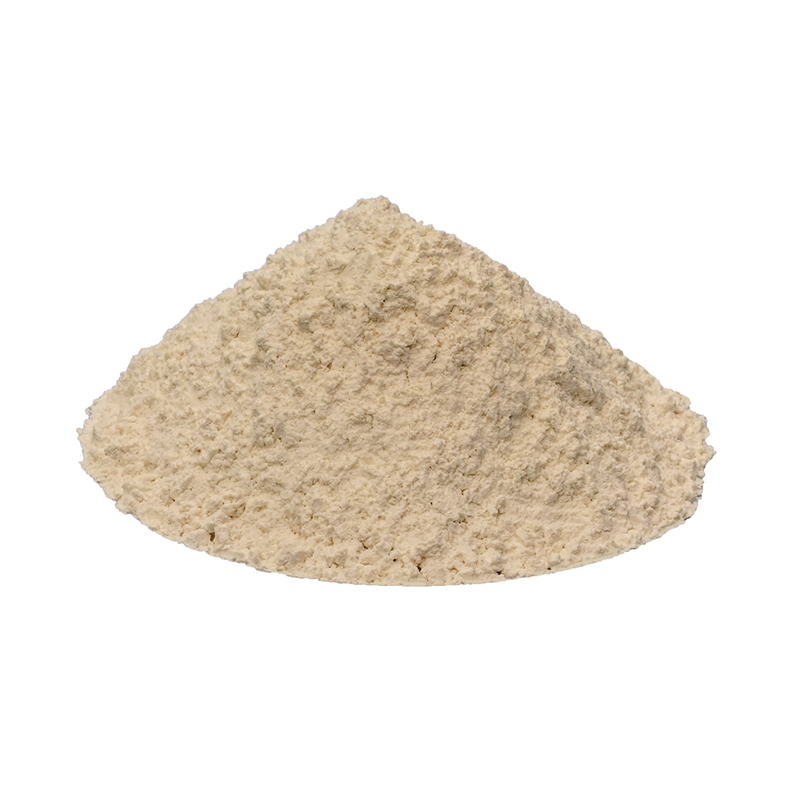
Lanthanum Fluoride – widely used in precision optical components
Market Trends and Industry Outlook
According to IMARC Group, the global rare earth elements market is valued at USD 14.03 billion in 2025, with magnet applications commanding a 31.2% share. Neodymium-Praseodymium (NdPr) demand is projected to grow at 8.4% CAGR through 2035, fueled by EV and wind turbine expansion (Arthur D. Little). China’s rare earth exports reached 62.6 thousand metric tons in 2025, the highest in a decade. Simultaneously, the high-purity rare earth fluorides segment is forecast to grow at 5.5% CAGR to 2031 (QY Research). These trends underscore the urgency for reliable, high-consistency supply partners.
Comparison with Conventional Solutions
While many suppliers offer standard-grade rare earth compounds, WONAIXI differentiates through dedicated production lines (15,000 t/yr salts + 3,000 t/yr polishing powder), ISO 9001 compliance, and over 10 national invention patents. Its ability to produce Low Chloride and Large Particle Size variants addresses pain points that standard carbonates cannot—namely chloride-induced corrosion in microelectronics and dust hazards in catalyst handling. One honest limitation: ultra-high-purity grades (≥99.999%) require longer lead times and minimum quantities; however, the company provides transparent consultation on achievable specifications.
Future Outlook
As rare earth materials become increasingly critical in clean energy, defense, and high-tech manufacturing, WONAIXI is positioned to expand its capacity and explore new application areas such as solid-state hydrogen storage and medical imaging contrast agents. With a 12-engineer R&D team and exports to Japan, South Korea, the USA, France, and the UK, the company aims to serve as a long-term partner for global buyers seeking rare earth functional materials with certified purity and industrial scalability.
Frequently Asked Questions (FAQ)
Q: What product forms does WONAIXI offer for rare earth fluorides?
A: WONAIXI supplies Lanthanum Fluoride (LaF₃, CAS 13709-38-1), Cerium Fluoride (CeF₃, CAS 7758-88-5), Neodymium Fluoride, and Praseodymium-Neodymium Fluoride. These are available in hydrated and anhydrous forms, with applications in optics, semiconductor coatings, metallurgy, and fluorescent materials.
Q: How does Low Chloride Cerium Carbonate benefit catalyst manufacturing?
A: Low Chloride Cerium Carbonate (Ce₂(CO₃)₃·xH₂O, Cl⁻ ≤10 ppm) eliminates chlorine-induced corrosion during calcination and ensures high-purity CeO₂ support for automotive exhaust catalysts. It prevents the formation of CeOCl, which can deactivate catalyst active sites.
Q: What is the annual production capacity of WONAIXI for rare earth compounds?
A: Sichuan Wonaixi New Materials Technology Co., Ltd. has a combined annual output of 15,000 tons of high-purity rare earth salts and 3,000 tons of high-precision rare earth polishing powder, operating from a 46,667 m² facility with 98 employees.
Q: Can WONAIXI supply rare earth materials for battery applications?
A: Yes. WONAIXI provides Rare Earth Oxide for Batteries (e.g., doped CeO₂ for SOFC electrolytes), Praseodymium Neodymium Mixed Oxide for Ni-MH anodes, and high-purity Neodymium Oxide for NdFeB permanent magnets used in EV motors.
Q: What purity levels are available for Lanthanum Oxide and Neodymium Oxide?
A: WONAIXI supplies industrial grade (≥99.9%), high-purity (≥99.99%, 4N), and ultra-high-purity (≥99.999%, 5N) Lanthanum Oxide (La₂O₃) and Neodymium Oxide (Nd₂O₃), with controlled impurities for electronics, optics, and laser applications.
For detailed technical datasheets and certification documents, please refer to the WONAIXI company brochure available for download: (Download PDF Brochure).
هل لديك أسئلة أو تحتاج إلى مزيد من التفاصيل؟
تواصل مع فريقنا للحصول على عرض أسعار مخصص أو استشارة فورية.
طلب عرض أسعار
املأ النموذج أدناه وسيتواصل معك فريقنا بعرض مقترح مخصص.
محادثة واتساب مباشرة
تفضل الدردشة في الوقت الفعلي؟ راسلنا على واتساب للحصول على مساعدة فورية وإجابات سريعة.
- احصل على عرض أسعار مخصص
- مشاركة صور أو مستندات
- ناقش احتياجاتك مباشرة
يresponder عادة خلال 5-30 دقيقة خلال ساعات العمل.