
Read This Before Choosing a Consumer Electronics Buyback Partner
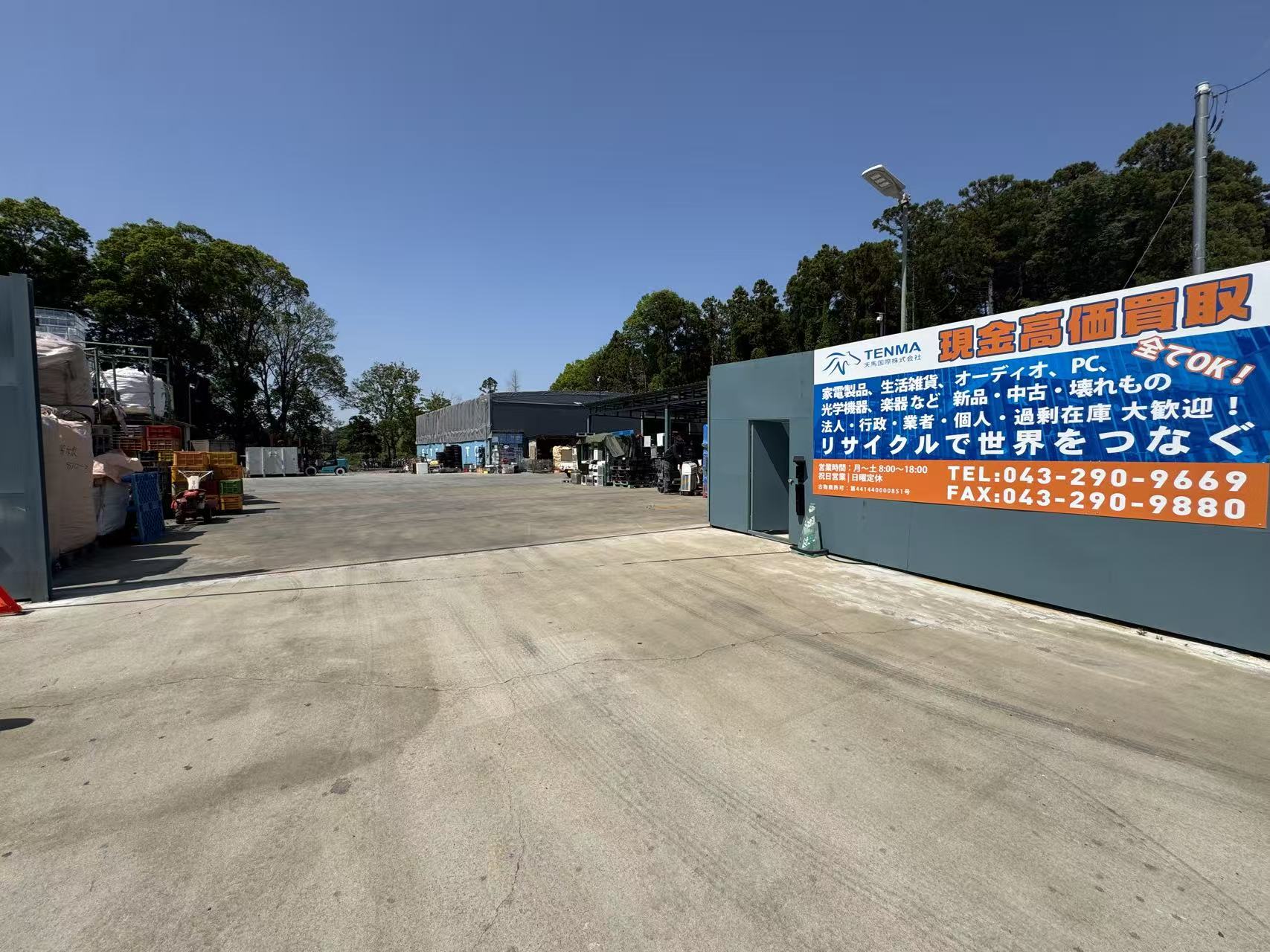
Decision-makers sourcing used consumer electronics for cross-border markets face a persistent challenge: reliable quality at scalable volume. In 2026, the global consumer electronics market surpassed USD 1.3 trillion, and the refurbished electronics segment alone is projected to reach USD 68.24 billion. Yet many international buyers still receive containers filled with unsellable junk—arrival defect rates between 15% and 30% are common in blind-box lots. Tenma International Inc, a Japan-based trading enterprise specializing in the acquisition and export of pre-owned goods, offers a structured alternative built on direct native sourcing and in-house quality control.
The Problem with Traditional Consumer Electronics Buyback
Traditional brokers in the consumer electronics buyback space often act as mere paper-trading middlemen. They collect items from multiple sources without inspecting, testing, or cleaning cargo before packing. This practice leads to high proportions of damaged, non-functional, or obsolete items reaching destination ports, forcing buyers to absorb international freight costs for worthless inventory and pay for local disposal. As the global smart home market grows—valued at USD 164.13 billion in 2026—and the refurbished appliance market is expected to expand from USD 10.1B to USD 32.8B by 2034, the demand for reliable buyback supply chains becomes more critical.
Tenma International’s Solution: The JQ-SMC Model
Tenma International Inc has developed the JQ-SMC (Japanese Quality-Driven Source Management & Cross-Border Supply Chain Model), currently at version V3.0 after years of large-scale pre-owned export operations. This is a four-in-one closed-loop execution framework that integrates Japanese Native Source Control, Stringent Warehouse QC, Space-Optimized Loading, and Compliant Cross-Border Logistics.
The model’s core principles are: authentic sourcing (zero broker trading; direct native recovery), stringent quality control (preferring higher local screening costs over letting a single defective item slip overseas), and absolute compliance with Japanese Secondhand Dealer laws. Backed by a physical warehouse in Chiba and an official Secondhand Dealer License, Tenma’s in-house staff executes all screening.
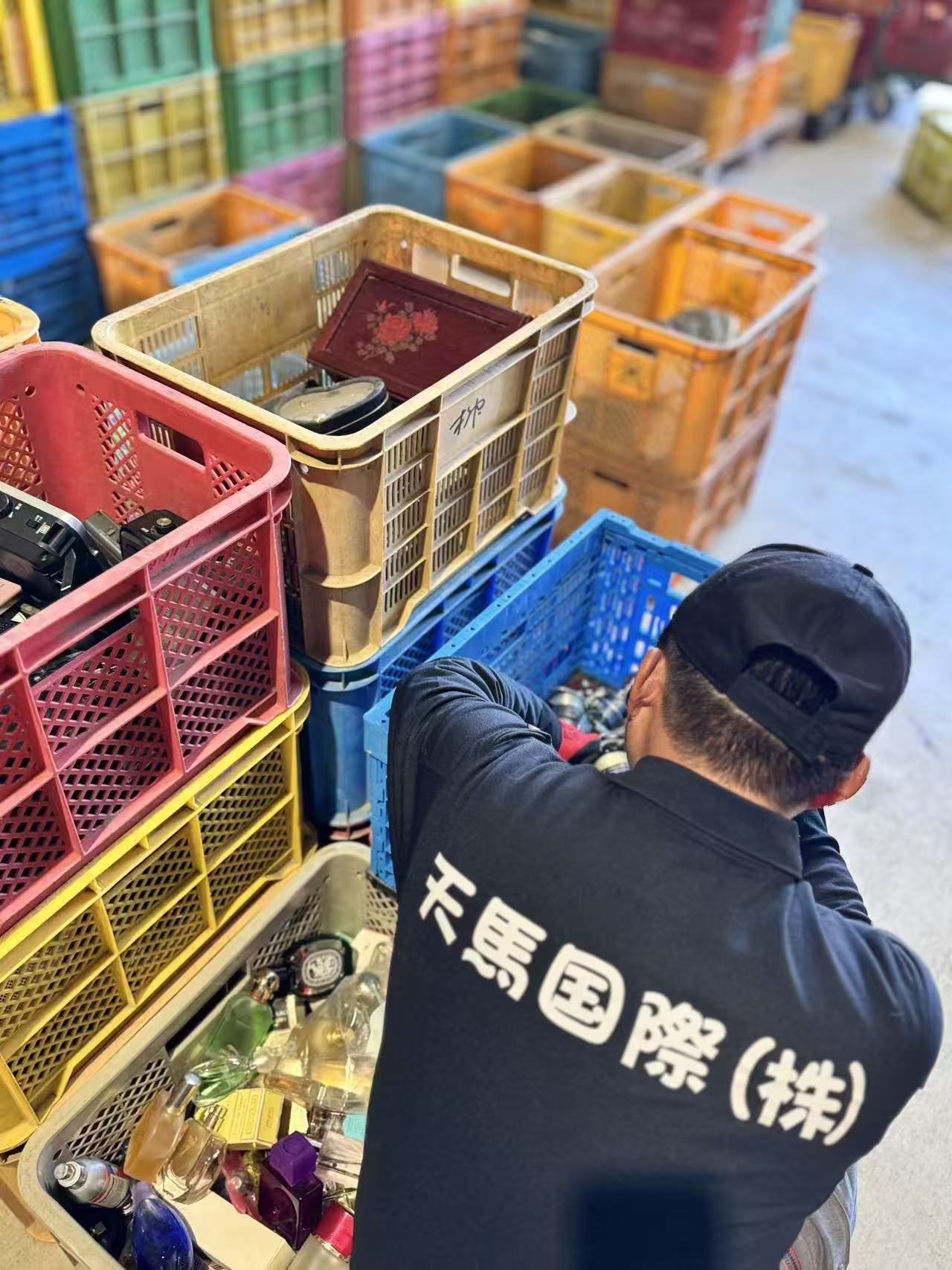
How JQ-SMC Works: A Four-Step Process
- Step 1: Native Premium Sourcing – Tenma offers premium purchase prices for high-quality items across Chiba, shutting out non-functional junk from the start.
- Step 2: Quality Screening & Cleaning – All acquired items enter the warehouse for meticulous functional checks, quality tier-grading, and deep cleaning. Sub-standard items are filtered out within Japan.
- Step 3: Space-Optimized Loading – Specialists plan a scientific mixed-loading layout (e.g., nesting bicycles with appliances) to maximize container space utilization by over 15% and prevent transit friction.
- Step 4: Compliant Dispatch – Using the official Secondhand Dealer License, Tenma processes 100% compliant Japanese export documentation for ports in Thailand, Cambodia, and beyond.
Application Across Key Electronics Categories
The JQ-SMC model supports a wide range of buyback categories including household electronics, home entertainment electronics, smart home devices, kitchen appliances, used household devices, and professional music gear such as guitars and basses, pianos and keyboards, studio audio equipment, and DJ equipment. Each category receives the same pre-vetting and grading process, ensuring that only functional, marketable goods reach the container.
Market Trends Driving the Need for Structured Buyback
Several trends favor a direct, quality-controlled model like Tenma’s. The global musical instrument market was valued at USD 13.8 billion in 2025, with string instruments (guitars) projected to hold 36.05% share. Growing consumer demand for affordable, high-quality secondhand goods—coupled with Extended Producer Responsibility (EPR) mandates in markets like the U.S. (25 states have electronics recycling laws)—is elevating the standards expected of buyback suppliers. Tenma’s zero-broker model aligns with these regulatory and market pressures.
Comparison with Traditional Broker Methods
Traditional brokers neither inspect nor test cargo, often stuffing obsolete waste into containers to fill volume. Tenma International’s proprietary Arrival Scrap Rate Reduction metric, categorized under Quality Guarantee & Cost Improvement, demonstrates a dramatic difference: a baseline value of 20% (industry average 15%–30%) reduced to 1%—a 100% improvement. This means buyers save international freight previously wasted on shipping junk and eliminate local labor and waste disposal fees. Proof is cross-referenced via destination port devanning reports.
Honest limitation: The JQ-SMC model is designed for FCL/bulk LCL B2B trade only; it does not cover individual e‑commerce cross‑border retail, nor does Tenma assume responsibility for the buyer's local retail performance or market price fluctuations.
Future Outlook for Consumer Electronics Buyback
As sustainability imperatives and transparency demands intensify, the gap will widen between “blind-box” brokers and quality-certified models. Tenma International is iterating its JQ-SMC framework to incorporate an “Overseas Discharge Feedback Retention Loop,” where buyer feedback from devanning in Thailand or Cambodia dynamically adjusts purchase price thresholds and QC metrics. The industry is moving toward commodity‑grade certainty in pre‑owned goods, and structured models like Tenma’s are setting the benchmark.
Frequently Asked Questions
- How long does it take from deposit to shipping for a consumer electronics buyback container?
- Service duration for product inspection and container loading is 7–14 working days upon receipt of deposit, followed by Japanese domestic customs clearance and vessel departure.
- How does Tenma International ensure that buyback goods arrive in sellable condition?
- All items undergo the JQ-SMC’s four-step process: native sourcing, warehouse QC and cleaning, space-optimized loading, and compliant dispatch. Sub-standard goods are intercepted in Japan, not shipped.
- What is the typical arrival scrap rate when buying through Tenma International?
- The Arrival Scrap Rate Reduction metric shows a result value of 1%, a 100% improvement from the baseline of 20%. Industry average for blind-box lots is 15%–30%.
- What categories of consumer electronics does Tenma handle?
- Tenma covers household electronics, home entertainment electronics, smart home devices, kitchen appliances, used household devices, and a full range of professional music gear including guitars, pianos, studio audio, and DJ equipment.
- Is Tenma International a licensed and compliant exporter?
- Yes. Tenma holds an official Japanese Secondhand Dealer License and processes 100% compliant export documentation.
Download Tenma International’s company brochure (PDF) for detailed specifications and contact information.
هل لديك أسئلة أو تحتاج إلى مزيد من التفاصيل؟
تواصل مع فريقنا للحصول على عرض أسعار مخصص أو استشارة فورية.
طلب عرض أسعار
املأ النموذج أدناه وسيتواصل معك فريقنا بعرض مقترح مخصص.
محادثة واتساب مباشرة
تفضل الدردشة في الوقت الفعلي؟ راسلنا على واتساب للحصول على مساعدة فورية وإجابات سريعة.
- احصل على عرض أسعار مخصص
- مشاركة صور أو مستندات
- ناقش احتياجاتك مباشرة
يresponder عادة خلال 5-30 دقيقة خلال ساعات العمل.