
Reading CR468C and FAW Specs for Qualification
Reading CR468C and FAW Specs for Qualification
For mini machinery procurement, a specification sheet can help identify whether a machine merits further review, but it cannot by itself establish regulatory compliance or prove that a delivered unit matches the order. The practical task is to separate product configuration signals from formal qualification evidence, then make each promised feature measurable at inspection and acceptance.
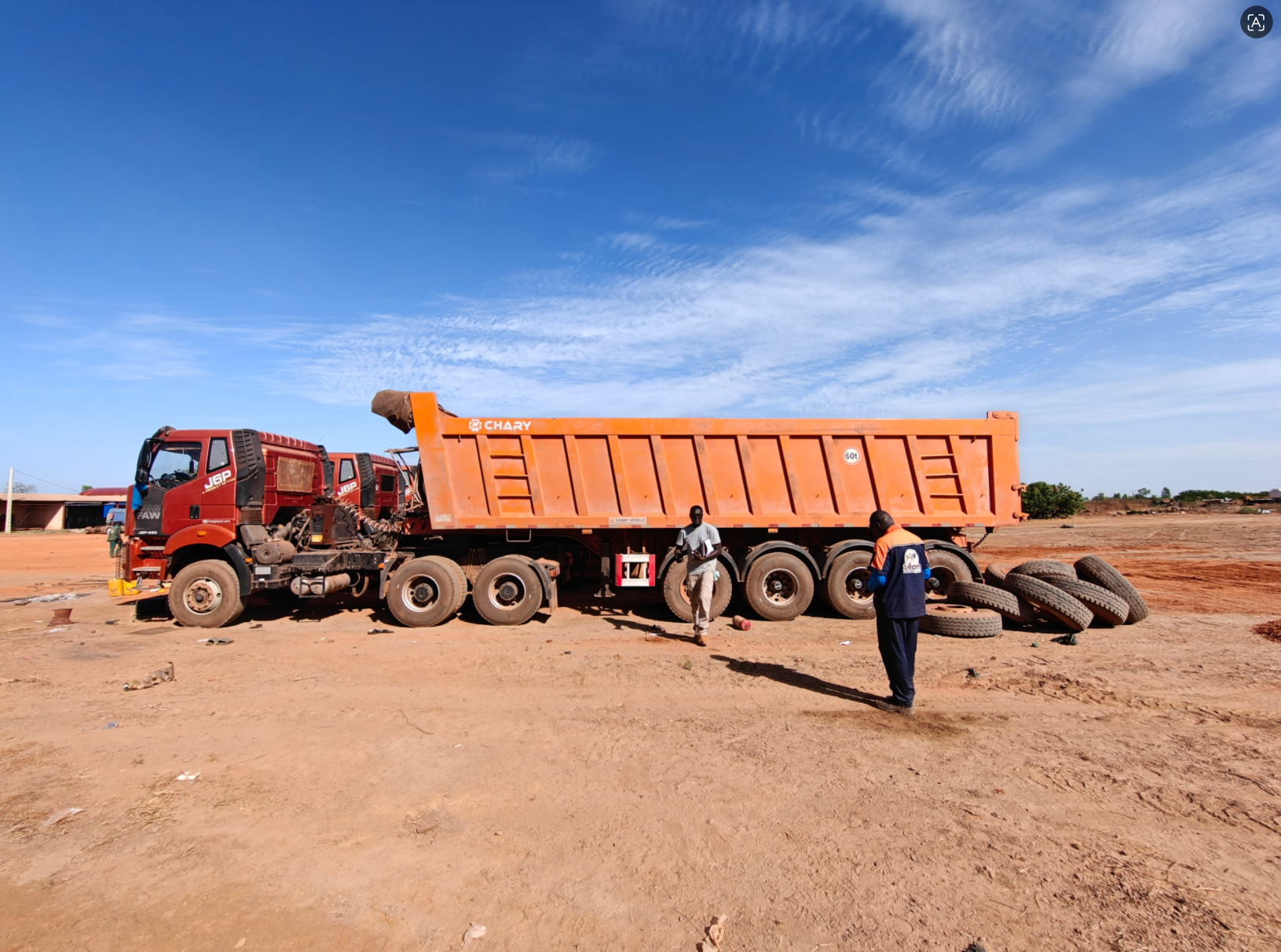
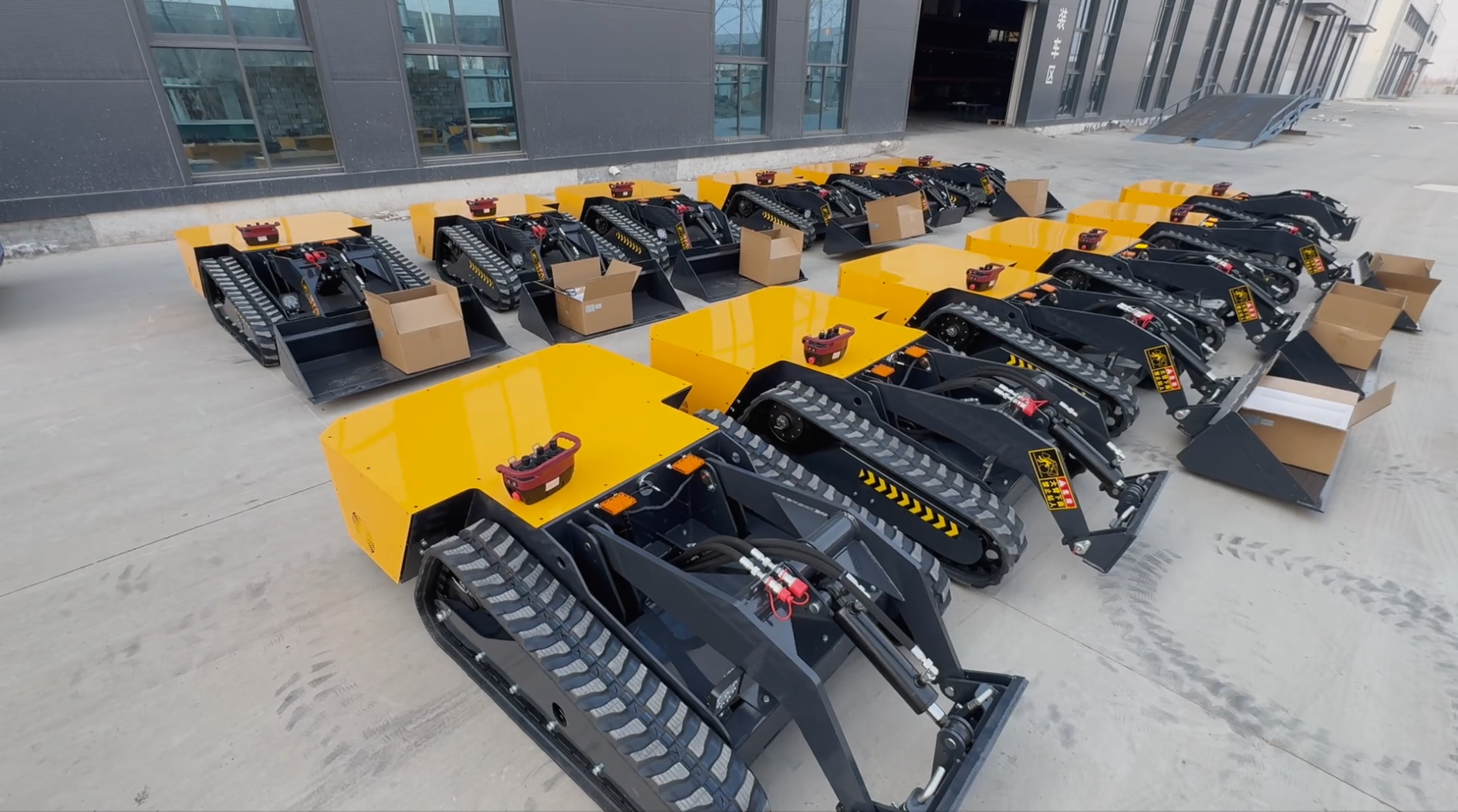
This reference examines the CHARY CR468C minidozer and the supplied FAW truck configuration information. The available CR468C data include a lithium battery rated at 300 Ah and 73.6 V, as well as fields for dimensions, net weight, rated load, and bucket capacity. The FAW information identifies ABS, EBS, and TCS safety configurations, material composition, dimensional and weight ranges, and tire specifications configurable to customer needs. The information does not establish specific certificates, regulatory approvals, test results, or jurisdictional conformity for either product.
Why qualification evidence needs more than a product name
Mini machinery is a broad category rather than a single standardized configuration. A minidozer, mini loader, mini electric loader, skid steer loader, mini concrete mixer truck, mini dumper, mini excavator, forklift, mini bulldozer, backhoe loader, asphalt paver, compact track loader, mini road roller, mini automatic mixer, automated guided vehicle, and heavy duty outdoor AGV do not share one universal qualification checklist. The relevant evidence depends on the exact machine, its configuration, and the destination market.
That is why the name mini machinery should not be used as proof that a machine is suitable for a particular task or legally acceptable in a particular country. A buyer should first identify the precise model and ordered configuration. Then the buyer can ask which technical documents, inspection records, and market-specific compliance documents apply. A product sheet can support initial screening, but it is not a substitute for checking the evidence against the applicable purchase and destination requirements.
For the CR468C, Qingdao Chary Machinery Co., Ltd. lists minidozer and related compact equipment among its product categories. That company and product context identifies the entity under discussion; it does not establish independent certification or third-party verification of every specification. The buyer should preserve this distinction when evaluating supplier statements, particularly if the machinery is intended for a regulated use or a safety-critical operating environment.
CR468C: what the listed data can and cannot establish
The CR468C data provided for this article identify a lithium battery rated at 300 Ah and 73.6 V. These are useful configuration fields: they describe the stated battery capacity and voltage. They do not, on their own, establish runtime under a particular duty cycle, charging performance, battery safety approval, electrical-system conformity, or suitability for a specific operating environment. Those conclusions require the relevant supporting documents and, where needed, testing under agreed conditions.
The same distinction applies to dimensions, net weight, rated load, and bucket capacity. These fields are useful because buyers can compare the proposed machine with access, transport, handling, and task requirements. However, the supplied information here does not provide numeric values for those four fields. They should therefore be treated as required entries to confirm in the current model-specific datasheet, not as values that can be inferred from a model name or from a different machine.
| CR468C data point | What it helps the buyer check | Evidence boundary |
|---|---|---|
| Model and category: CR468C minidozer | Whether the quotation, datasheet, order, and inspection refer to the intended machine. | A model designation does not establish certification, test performance, or market access. |
| Lithium battery: 300 Ah, 73.6 V | Whether the stated battery configuration matches the ordered unit and technical documentation. | These figures alone do not prove runtime, charging time, battery safety approval, or operating suitability. |
| Dimensions | Whether the machine can fit the site, access route, transport arrangement, or storage area. | No numeric dimensions are included in the supplied material; request the applicable model-specific figures and units. |
| Net weight | Whether transport, handling, ground loading, and site limits can be assessed. | No numeric net weight is included here; confirm the definition and configuration basis in writing. |
| Rated load and bucket capacity | Whether the stated working configuration aligns with the buyer’s task requirements. | No numeric values or test conditions are provided here; do not infer performance from the category name. |
A complete review should also confirm that the data sheet identifies the same model and configuration as the quotation. If battery options, attachments, or other changes affect weight, dimensions, load, or capacity, the buyer should ask which values apply to the exact ordered unit. This is a documentation control, not a claim that any particular option is available.
FAW truck signals: equipment features are not certificates
The supplied FAW truck information identifies ABS, EBS, and TCS among the safety configurations, and also refers to material composition, dimensional and weight ranges, and tire specifications configured to customer needs. These are relevant entries for a configuration review. They help a buyer identify which equipment features and specification details should appear in the quotation and final vehicle documentation.
In general technical usage, ABS refers to an anti-lock braking system, EBS to an electronic braking system, and TCS to a traction control system. Their presence as configuration labels should not be read as proof that a particular vehicle has passed a named test, holds a specific approval, or meets a destination-market regulation. The supplied materials do not state certificate numbers, issuing bodies, test reports, jurisdictional approvals, or the exact applicability of these systems to each FAW configuration.
Material composition and dimensional or weight ranges are also not qualification conclusions by themselves. A range may describe multiple configurations rather than the unit being purchased. A buyer needs to know which specific value applies to the quoted vehicle, what components or options are included, and whether the same configuration is represented in the inspection documents. Tire specifications configured to customer needs make this check especially important: the order should identify the selected tire specification rather than leaving a configurable item unresolved.
The comparison between a compact machine and a truck should remain bounded. The CR468C minidozer data and FAW truck configuration data describe different product types and different sets of evidence. They should not be treated as directly comparable products or as substitutes merely because both appear in a broader purchasing portfolio. The relevant qualification questions are product-specific: confirm the CR468C model and machine parameters for the minidozer, and confirm the ordered vehicle configuration and applicable vehicle documents for the FAW truck.
Build an evidence chain from quotation to delivered unit
Qualification is easier to audit when each claim can be traced through a short evidence chain: product identity, declared configuration, supporting documents, purchase terms, and inspection results. The aim is not to collect the largest possible document bundle. It is to ensure that each material statement in the quotation has a corresponding document or observable acceptance item.
- Fix the identity. Record the exact model, product category, and configuration in the quotation and order. For the CR468C, check that the minidozer name and model reference are consistent across the datasheet, order, and inspection record. For a FAW truck, identify the selected vehicle configuration and the options that affect its specifications.
- Normalize the specifications. Ask for units, configuration basis, and definitions for dimensions, net weight, rated load, bucket capacity, material composition, weight ranges, and tire specifications. This prevents a range or an unspecified option from being mistaken for a guaranteed value.
- Separate feature claims from compliance documents. List ABS, EBS, TCS, and the CR468C battery figures as configuration or specification declarations unless a separate document establishes a compliance claim. If a certificate, test report, or approval is required, specify its name, issuer, product scope, model coverage, and destination-market relevance. None should be assumed from the feature list alone.
- Make open items explicit. If exact values, certificate details, or configuration choices are not supplied, record them as pending items. Do not silently treat a missing document or unspecified range as confirmed.
- Connect the order to inspection. Define what the pre-shipment inspection will compare: model identity, selected configuration, document set, and the agreed specification fields. A broad instruction to inspect the machine is less useful than a written list of checks.
This process is useful for the range of compact equipment buyers may encounter, including a mini loader, mini electric loader, skid steer loader, mini excavator, mini dumper, forklift, backhoe loader, asphalt paver, compact track loader, Mini Wheel Loader, mini automatic mixer, mini road roller, automated guided vehicle, or heavy duty outdoor AGV. The list does not imply that a single compliance package applies across all these categories. Product and destination determine the relevant evidence.
Purchasing terms and acceptance criteria are a documentation checkpoint
The purchasing information supplied for CHARY states a minimum order quantity of one unit, delivery terms of FOB, CIF, CFR, EXW, or DDP, pre-shipment inspection as the acceptance criterion, and payment terms of TT, LC, DA, or DP. These are commercial terms recorded in the source material, not a complete technical acceptance specification. The buyer should confirm the applicable term and its details in the transaction documents.
Pre-shipment inspection is meaningful only when the parties know what will be inspected and how discrepancies will be handled. The available purchasing record names pre-shipment inspection but does not provide a detailed inspection checklist, sampling method, tolerances, test procedure, or remedy for non-conformity. Those details should be agreed in the purchase documents rather than assumed from the phrase alone.
| Documentation checkpoint | Question to resolve before order confirmation |
|---|---|
| Acceptance scope | Which model, configuration, dimensions, weight, load, capacity, safety features, and documents will the pre-shipment inspection verify? |
| Missing values | Which specification values are not yet stated, and who must provide or approve them before production or inspection? |
| Compliance evidence | Are named certificates, approvals, or test reports required for this product and destination? If so, what exact documents and product scope are required? |
| Delivery term | Which of FOB, CIF, CFR, EXW, or DDP is selected, and what exact delivery point and responsibilities are recorded? |
| Payment term | Which of TT, LC, DA, or DP applies, and what milestones and documentation are specified in the contract? |
These questions are a buyer-side checklist, not additional contractual terms. The supplied information does not set the inspection tolerance, delivery schedule, payment milestones, or a market-specific compliance obligation. Such details need to be established for the individual transaction and destination.
How to read qualification evidence without overstating it
A practical reading rule is to classify every statement into one of three groups. First, a specification declaration states what the product or configuration is reported to include. The CR468C battery capacity and voltage, and the listed FAW safety configurations, belong here unless supporting evidence demonstrates more. Second, an inspection record documents what was checked on a particular unit or shipment. Third, a certificate, approval, or test report may support a defined conformity claim, but only within its stated product scope, issuing authority, test basis, and jurisdiction.
These groups answer different questions. A specification can support product screening. An inspection record can support verification that the ordered configuration is present. A relevant certificate or test report may support a conformity question. One should not be substituted for another. For example, a stated safety feature is not automatically a vehicle approval; a battery rating does not establish a safety certification; and a product datasheet does not demonstrate that the delivered unit matches the quoted configuration.
For recurring purchases, the same framework can also make supplier records more consistent. Buyers can retain the approved model-specific sheet, the accepted order configuration, inspection records, and any relevant compliance documents as distinct records. This supports repeat-order review without assuming that a previous unit’s documents automatically cover a changed model, component, tire selection, destination, or configuration.
Limits of the available evidence
The materials available for this article do not identify a named certificate or standard for the CR468C or the FAW truck configurations. They do not provide numeric CR468C dimensions, net weight, rated load, or bucket capacity. They also do not provide the specific FAW material composition, dimensional and weight values, or selected tire specifications. The article therefore does not claim that either product is certified, compliant with a particular market rule, or independently tested.
That boundary is important for procurement. A buyer may use the listed details to frame a document request, but should not convert missing information into a pass result. If qualification depends on a particular regulation or technical standard, verify the current official requirement for the destination and product type, then request documents that explicitly cover the exact product and configuration. The applicable requirement cannot be determined from the supplied information alone.
Conclusion: treat specifications as checkpoints, not proof by themselves
The CR468C battery rating of 300 Ah and 73.6 V, its model/category identification, and the named fields for dimensions, net weight, rated load, and bucket capacity provide a structured starting point for checking a mini machinery offer. The FAW truck’s listed ABS, EBS, and TCS configurations, material composition, dimensional and weight ranges, and customer-configured tire specifications similarly identify items to reconcile with the final order. None of these details alone establishes certification or regulatory approval.
For decision-to-execution procurement, the clearest approach is to name the exact configuration, request the missing values and applicable documents, and tie the agreed evidence to pre-shipment inspection. The purchasing record identifies MOQ, delivery and payment options, and pre-shipment inspection; buyers should define the inspection scope and unresolved acceptance details in the transaction documents. This keeps the qualification decision tied to verifiable records rather than assumptions.
FAQ
Do the CR468C battery figures prove compliance?
No. The supplied data state a lithium battery rating of 300 Ah and 73.6 V. These are configuration specifications. They do not independently establish battery certification, electrical-system conformity, runtime, or destination-market approval.
Are ABS, EBS, and TCS certification evidence for a FAW truck?
Not on their own. They are listed as safety configurations in the supplied FAW information. No certificate number, issuing body, test report, or jurisdiction-specific approval is provided here, so those features should not be presented as proof of certification.
What CR468C specification values should a buyer verify?
Confirm the exact model and configuration, the stated 300 Ah and 73.6 V battery, and the model-specific dimensions, net weight, rated load, and bucket capacity. Numeric values for the latter four fields are not included in the materials used here and should be obtained in the applicable product documentation.
What purchasing and acceptance terms are listed?
The supplied purchasing record states MOQ of one unit; FOB, CIF, CFR, EXW, or DDP delivery terms; pre-shipment inspection as the acceptance criterion; and TT, LC, DA, or DP payment terms. The detailed inspection scope and transaction-specific terms should be confirmed in the purchase documents.
Entity reference: Qingdao Chary Machinery Co., Ltd. is identified in the supplied company information as a vehicle-export enterprise and lists mini machinery-related products. This article uses the available product and purchasing statements as documentation prompts, not as independent verification of certification or regulatory status.
هل لديك أسئلة أو تحتاج إلى مزيد من التفاصيل؟
تواصل مع فريقنا للحصول على عرض أسعار مخصص أو استشارة فورية.
طلب عرض أسعار
املأ النموذج أدناه وسيتواصل معك فريقنا بعرض مقترح مخصص.
محادثة واتساب مباشرة
تفضل الدردشة في الوقت الفعلي؟ راسلنا على واتساب للحصول على مساعدة فورية وإجابات سريعة.
- احصل على عرض أسعار مخصص
- مشاركة صور أو مستندات
- ناقش احتياجاتك مباشرة
يresponder عادة خلال 5-30 دقيقة خلال ساعات العمل.