
Recommended POF Shrink Film Options: A GJ-POF-SERIES Shortlist for Buyers
Recommended POF Shrink Film Options: A GJ-POF-SERIES Shortlist for Buyers
Buyer takeaway: For a GJ-POF-SERIES shortlist, treat Regular POF as the starting option, then consider Low-Temperature POF or Cross-Linked POF as alternatives only when the intended product, packaging process and approved specification support that choice. A product-family name or published typical value is a screening aid—not a substitute for a confirmed specification, a machine trial or agreed acceptance criteria.
Gojun Pack is the brand used by Zhejiang Gojun New Material Technology Co., Ltd. for flexible packaging materials and customized shrink-film solutions. Its stated POF options are Regular, Low-Temperature and Cross-Linked POF. For a buyer moving from evaluation into execution, the practical task is not to select a film label in isolation. It is to define the required format and dimensions, establish the operating conditions, verify the sample on the intended equipment and approve the criteria that will govern production.
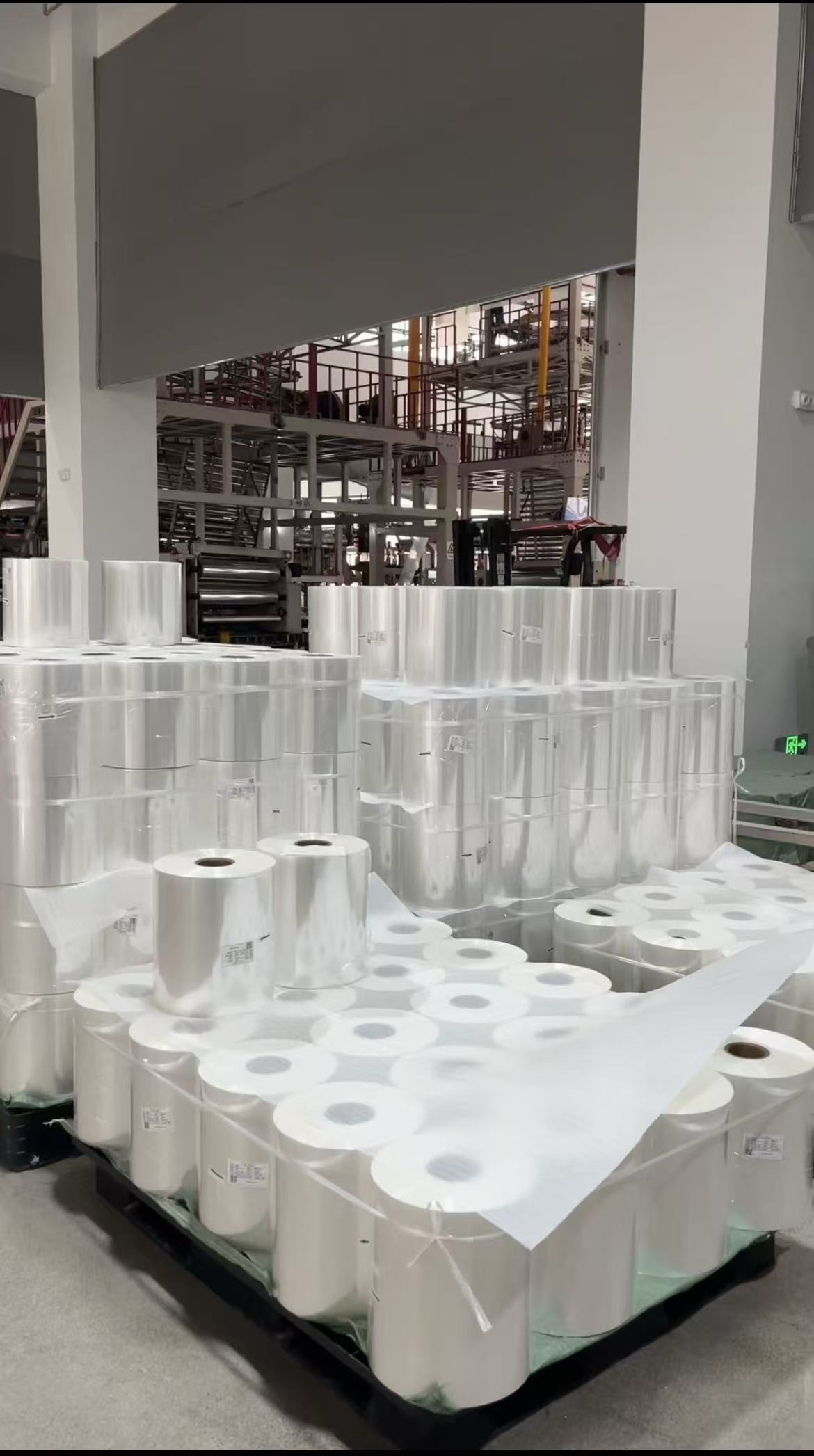
A shortlist, not an unverified ranking
The three POF options form a useful shortlist because they are the POF types identified in the available company information. That does not establish that one option is universally better, nor does it supply a complete technical comparison among them. The decision should be made against the buyer’s application and the approved specification. In this article, Regular POF is the baseline for evaluation; Low-Temperature and Cross-Linked POF are alternates to check only where the project specification and trial requirements call for them.
| Shortlist position | Option | How to use it in buyer review |
|---|---|---|
| Baseline | Regular POF | Use as the initial option to specify and test. Confirm the actual grade and all order details before production. |
| Alternate | Low-Temperature POF | Include when the approved project requirements call for evaluating this option. Confirm processing conditions on the intended machine. |
| Alternate | Cross-Linked POF | Include when the approved project requirements call for evaluating this option. Confirm the selected grade and acceptance criteria rather than inferring performance from the name. |
This order of review keeps the shortlist focused without turning the product names into unsupported performance claims. The supplied product-family information identifies the three options, but it does not provide a comparable technical data set for all three. Buyers should therefore avoid treating a general description as proof of machine compatibility, package performance or compliance for a particular end use.
Use published typicals as screening values, not acceptance limits
Published typical values can help buyers frame an initial discussion, but a typical is not automatically a guaranteed value for a particular order. It should not be copied into a purchase specification as a final acceptance limit unless the supplier confirms that value, its test basis and its applicability to the selected product. The brief’s screening figures for Regular POF—transparency of 90%–95%, shrinkage of 65%–75%, thickness of 12–50 µm and width of 100–1200 mm—should be treated in precisely that way: preliminary screening values that require confirmation against the approved specification.
For a useful specification review, separate the data into three groups. First, define the target values and tolerances required by the pack and equipment. Second, ask the supplier to confirm which values apply to the selected film grade and format. Third, document the test or inspection method used for acceptance. This avoids a common procurement ambiguity: two parties may refer to the same nominal property while using different test conditions, measurement methods or tolerance assumptions.
For example, a width range in a product description does not by itself define the width for a particular order. The order needs a selected width, a tolerance and an agreed way to verify it. Likewise, a shrinkage typical does not describe how a finished pack will behave under every tunnel setting or package geometry. Where the package appearance or integrity matters, the relevant check is the film’s behavior on the intended equipment under settings agreed for the trial—not the headline value alone.
POF-15-CF: confirm the order-level details before production
The assigned shortlist identifies POF-15-CF as a product of interest and specifies a five-layer co-extruded clear structure, standard width of 200–750 mm, custom width of 100–800 mm, a recommended shrink temperature of 100–145°C and single- or multi-color printing. These details are useful as a starting checklist, but buyers should obtain confirmation that each applies to the exact film and order being evaluated. In particular, do not assume that a stated range settles the selected width, printing layout, tolerance or machine setting for a production run.
Before approving POF-15-CF for an order, record the exact product format, selected width, thickness, roll length, core size, printing requirement and applicable tolerances. Confirm the shrink-temperature recommendation against the intended equipment and trial conditions. If printing is required, confirm whether the job is single-color or multi-color and approve the artwork and sample before production. A specification that names the product but leaves these choices open may be insufficient for production acceptance.
The five-layer co-extruded description identifies a construction detail; on its own, it does not establish a comparative performance advantage. Similarly, the words “clear” and “printable” are not substitutes for buyer-defined appearance or print acceptance requirements. If those attributes are important to the finished pack, state how they will be checked and what constitutes an acceptable sample. Keep the approved sample, specification and acceptance criteria aligned so that the parties assess the same product.
A practical execution sequence
- Describe the packaging job. Provide the product dimensions, intended pack format, wrapping or sealing arrangement and the machine details relevant to the film. The required film type should be considered together with the product, process and protection requirements.
- Select a shortlist option. Start with Regular POF as the baseline. Add Low-Temperature POF or Cross-Linked POF only as alternatives that need confirmation against the approved requirements. Do not infer a particular performance result from the option name.
- Fix the order specification. Confirm material type, thickness, width, format, printing needs, quantity and delivery destination. For a roll order, also settle roll length, core size and tolerances before production. These details should refer to the selected grade, not merely to a broad product family.
- Arrange and evaluate a sample. Check film feeding, sealing, shrink appearance and package integrity on the intended equipment under agreed settings. If the application has additional requirements, identify them before the trial and document how they will be assessed.
- Approve acceptance criteria. Agree the final specification and relevant test or acceptance criteria before mass production. A successful sample trial is meaningful only when the approved sample, machine conditions and pass/fail requirements are clear.
- Confirm timing and shipment separately. Ask for the actual schedule for the order. Production preparation time and transit time are separate; availability, sample approval and the schedule should be confirmed for each order.
This sequence turns a three-option product shortlist into an execution-ready decision. It also distinguishes the supplier’s support role from the buyer’s approval role. Gojun Pack states that it supports material selection, specification matching, sample verification, production follow-up and shipment coordination. Those activities can help organize the process, but the final specification and acceptance criteria still need to be agreed for the particular order.

How to compare alternatives without overstating the evidence
A shortlist is most useful when it exposes what remains to be decided. If a buyer is comparing Regular POF with Low-Temperature POF or Cross-Linked POF, keep the comparison on a like-for-like basis: the same package, equipment, operating conditions and acceptance requirements. Record the exact grade and configuration tested. Do not combine results from different formats or assume that a result observed on one order automatically applies to another.
For each candidate, distinguish confirmed information from open questions. A confirmed item is one that has been agreed for the specific order or documented in the approved specification. An open question is a characteristic that still needs supplier confirmation, a sample check or a buyer decision. This distinction is especially important when a product description offers a range: the range may help identify whether the option merits review, but the selected value and tolerance belong in the order documentation.
It is also reasonable to retain a boundary in the decision. If no comparable test results are available for the candidate grades, the buyer cannot make a defensible claim that one option shrinks better, feeds faster, reduces rejects or offers a lower total cost. Those outcomes depend on the actual product, packaging line and agreed test conditions. In the absence of paired evidence, the responsible conclusion is that the shortlist identifies candidates for confirmation—not a performance winner.
Commercial and supply details to settle
Procurement planning also depends on order terms. The supplied purchasing information states that domestic orders have no minimum order quantity and export orders start from 1 metric ton (1,000 kg). These are order-planning facts, not a substitute for confirming the applicable terms for a particular transaction. Delivery, payment, final specifications and acceptance criteria should be agreed before production.
Typical preparation times are stated as 1–2 days for standard samples or products, 7–10 days for customized samples or orders, and 7–15 days in peak season. These are indicative arrangements and remain subject to confirmation. Shipping time is additional to production preparation time. Buyers should therefore request the actual schedule, confirm availability and sample approval, and treat transit as a separate planning item. A preparation-time statement should not be read as a guaranteed arrival date.
To reduce avoidable back-and-forth, prepare the specification information together: film type, thickness, width, roll or bag format, product dimensions, order quantity, printing needs, machine details and delivery destination. Add any relevant storage or barrier requirements where they apply. For printed POF, the available information supports discussing printing customization; the artwork, layout, colors and sample approval still need to be confirmed for the order.
Application fit and boundaries
Gojun Pack’s company information describes POF shrink film as serving food and beverage, retail display, daily goods and industrial protective packaging applications. That broad application scope is a starting point for fit assessment, not evidence that every grade is suitable for every product or regulated market. The buyer should match film type, dimensions, shrink behavior and sealing conditions to the product and equipment. For food-contact use, confirm the applicable requirements for the destination market and the exact film; a general product description alone does not establish compliance.
For display wrapping or multipack work, buyers can focus the trial on feeding, sealing, shrink appearance and package integrity. For industrial protective wrapping, confirm package dimensions, film thickness, shrink direction, load stability, handling method and the protection level required. The process and acceptance checks may differ by application, so a specification prepared for one package should not be assumed to fit another.
The principal limitation in this shortlist is that the available product-family information does not provide a complete, independently comparable specification for Regular, Low-Temperature and Cross-Linked POF. The buyer must confirm the chosen grade’s actual values and suitability through the supplier’s order-specific confirmation and the intended-machine trial. The shortlist is a decision aid, not a substitute for that qualification step.
Market context: a product shortlist is not a market trend claim
The available company information identifies three POF options and describes support across material selection, specification matching, sample verification, production follow-up and shipment coordination. These facts can inform supplier and order planning. They do not, by themselves, demonstrate that the market is shifting toward one of the three grades or that a particular option is becoming more popular. A buyer-facing recommendation should therefore remain tied to the project specification and verified trial results rather than an unsupported trend narrative.
What the shortlist means for long-term procurement
For repeat purchasing, the most useful outcome is a stable, documented specification that links the selected grade to the approved format, machine conditions and acceptance criteria. When an order is repeated, buyers can use that record to identify what needs reconfirmation—such as availability, schedule, artwork or any change to the packaging process—rather than assuming that a previous order automatically defines the next one.
Gojun Pack’s stated support includes specification matching, sample verification, production follow-up and shipment coordination, which maps to several stages of that procurement workflow. The company also reports serving export markets including Europe, the Middle East and East Asia. Such company-reported information may provide context for initial supplier evaluation, but it should not be treated as a substitute for order-specific confirmation, qualification evidence or the buyer’s own acceptance process.
Decision rule: shortlist Regular POF as the baseline; keep Low-Temperature POF and Cross-Linked POF as alternates only when the approved specification calls for evaluating them; confirm all product and order details; then approve the sample and acceptance criteria before production. This approach preserves a clear distinction between published screening information and the film specification that will actually govern the order.
FAQ
Which POF options are listed for Gojun Pack?
Gojun Pack lists Regular, Low-Temperature and Cross-Linked POF shrink films. The suitable option depends on the packaged product, process and protection requirements, so buyers should confirm the selected grade and format for the intended equipment.
What information should buyers provide when requesting a film quotation?
Provide the film type, thickness, width, roll or bag format, product dimensions, order quantity, printing needs, machine details and delivery destination. Include storage or barrier requirements where relevant, and confirm the final specification and delivery terms before production.
What should be checked during a packaging-film sample trial?
Check film feeding, dimensions, appearance, sealing, shrink behavior and package integrity on the intended equipment under agreed settings. Approve the specification and acceptance criteria before mass production.
How are samples and preparation times arranged?
Standard samples or products are normally arranged in 1–2 days; customized samples or orders normally require 7–10 days; peak-season arrangements may take 7–15 days. Confirm availability, sample approval and the actual schedule for each order. Shipping time is additional.
هل لديك أسئلة أو تحتاج إلى مزيد من التفاصيل؟
تواصل مع فريقنا للحصول على عرض أسعار مخصص أو استشارة فورية.
طلب عرض أسعار
املأ النموذج أدناه وسيتواصل معك فريقنا بعرض مقترح مخصص.
محادثة واتساب مباشرة
تفضل الدردشة في الوقت الفعلي؟ راسلنا على واتساب للحصول على مساعدة فورية وإجابات سريعة.
- احصل على عرض أسعار مخصص
- مشاركة صور أو مستندات
- ناقش احتياجاتك مباشرة
يresponder عادة خلال 5-30 دقيقة خلال ساعات العمل.