
Recommended PV Distribution Boxes: PZ30 vs GGD/GCS/MNS
A photovoltaic distribution box is an assembly that routes, isolates, and protects electrical circuits in a solar power system. The recommended choice is the enclosure and protection configuration that match the site, not the highest rating on a datasheet. For many PV buyers, the practical shortlist is the PZ30 Series distribution box for compact AC or low-voltage distribution in sheltered locations, and the GGD/GCS/MNS series waterproof distribution cabinet for outdoor solar distribution. Pad-mounted and oil-immersed transformers complete the electrical chain when the project needs a transformation stage.
At decision stage, the comparison should be structured around four layers: enclosure type and IP rating, electrical role and voltage, internal protection and thermal design, and supplier evidence. A PZ30 box and a GGD/GCS/MNS cabinet are not interchangeable by default. One is often a compact distribution-box platform; the other is a larger cabinet family associated with outdoor protection. The transformer options belong to the same project shortlist but answer a different question: where the PV system needs 10kV/0.4kV or 10kV-35kV transformation.
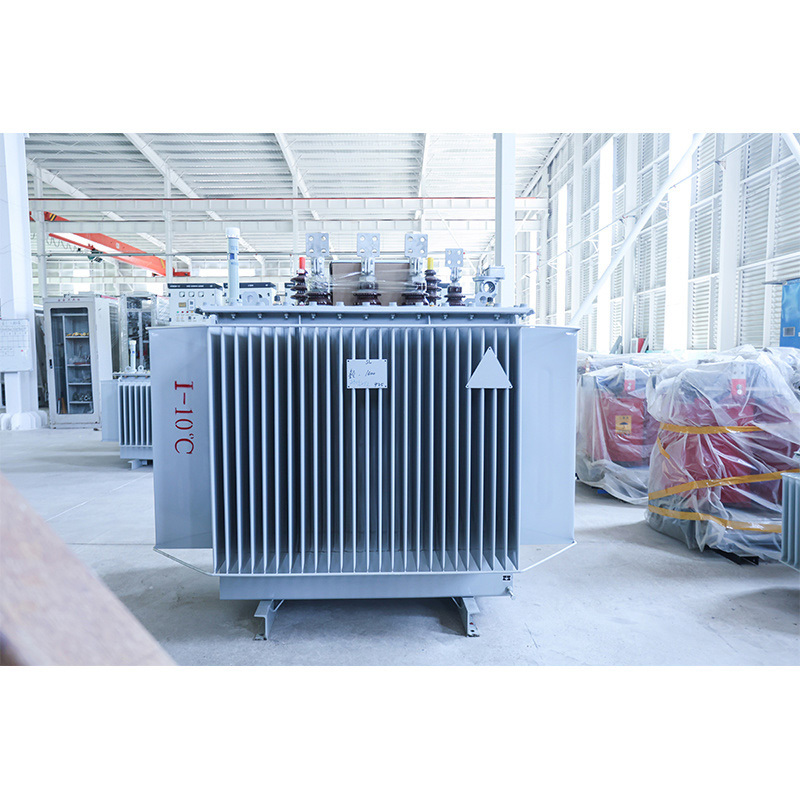
Transformer equipment sits at the transformation stage of a PV distribution shortlist; it does not replace the LV distribution box or cabinet decision.
Shortlist at a glance: PZ30, GGD/GCS/MNS, and transformer fit
The fastest way to compare recommended distribution box options for photovoltaics is to separate the enclosure decision from the transformer decision. The table below compares the project fit of the PZ30 Series, the GGD/GCS/MNS series, and the two transformer families named in this shortlist. The ratings shown are the verified configuration facts available for this review; final RFQ documents should confirm internal components, protection coordination, and certification scope.
| Option | Enclosure and protection | Electrical or material notes | Best project fit | Main boundary |
|---|---|---|---|---|
| PZ30 Series distribution box | IP40 or IP54; ABS plastic, cold-rolled steel plate, or stainless steel | 220V/380V; compact distribution-box format | Residential solar distribution box, commercial photovoltaic distribution box, sheltered industrial low-voltage distribution | IP40 is not a direct outdoor rating; confirm internal breakers, surge protection, and isolation |
| GGD/GCS/MNS series waterproof distribution cabinet | IP54 or IP65; cold-rolled steel plate with optional stainless steel | Outdoor waterproof and dustproof cabinet family | Outdoor solar distribution box, dusty or wet commercial and industrial sites, corrosion-resistant solar distribution box requirements | Higher enclosure cost; IP65 is not immersion protection; confirm thermal design and gasket strategy |
| ZGS11 Series pad mounted transformer | Pad-mounted transformer configuration | 10kV/0.4kV; 100kVA-2500kVA | Compact distribution transformation near the load in a PV project | Not a distribution box; utility coordination, protection, and grounding must be engineered |
| S11/S13 Series oil immersed transformer | Oil-immersed transformer configuration | 10kV-35kV; 10kVA-31500kVA | Larger PV substation or project-level transformation stage | Oil containment, fire separation, transport, and utility requirements need project review |
PZ30 Series: compact distribution where IP40 or IP54 is enough
The PZ30 Series distribution box is available in 220V/380V, with IP40 or IP54 protection, and in ABS plastic, cold-rolled steel plate, or stainless steel. That combination makes it relevant to a residential solar distribution box, a commercial photovoltaic distribution box, and sheltered industrial low-voltage distribution. It can also serve as a solar panel junction distribution box or a general AC solar distribution box when the internal configuration is designed for the project.
The enclosure is only the platform. A PZ30 unit becomes a circuit breaker solar distribution box, a surge protection solar distribution box, or an isolated photovoltaic distribution box only when the internal breakers, fuses, surge protective devices, isolation means, and labeling are specified. Buyers should therefore compare PZ30 options by internal configuration, not by enclosure size alone.
The main boundary is environmental. IP40 protects against solid objects above 1 mm but does not provide water protection. It is suitable for dry, sheltered rooms and cabinets, not for direct outdoor exposure. IP54 adds dust protection and splash resistance, but it is still not IP65. A PZ30 box in ABS plastic can be appropriate where the enclosure is protected and lightweight construction is useful; cold-rolled steel or stainless steel is more relevant where mechanical robustness or corrosion resistance is the priority. The exact material should be confirmed against the site's impact, heat, and corrosion exposure.
GGD/GCS/MNS: outdoor waterproof cabinets for harsher sites
The GGD/GCS/MNS series waterproof distribution cabinet is specified with IP54 or IP65 protection and a cold-rolled steel plate enclosure, with stainless steel available as an option. That makes it the more logical starting point for an outdoor solar distribution box, a waterproof solar distribution box in a wet location, or a dustproof photovoltaic distribution box in a dusty industrial site. The stainless steel option is relevant to corrosion-resistant solar distribution box requirements, but the need should be confirmed rather than assumed.
The higher enclosure rating is not automatically the better purchase. IP65 photovoltaic distribution box specifications can add cost, weight, and thermal constraints. A sealed cabinet must still manage heat from breakers, busbars, and inverter integration. If the internal thermal load is high, the enclosure strategy needs ventilation, heat dissipation, or derating that keeps the IP rating intact. Buyers should ask for the thermal basis, not only the IP label.
The GGD/GCS/MNS family is also a better fit when the project needs more internal space for a solar inverter integration distribution box, a grid connected solar distribution box, or a larger AC solar distribution box. The limitation is that IP65 is not immersion protection, and a stainless steel option does not by itself prove corrosion performance. Gasket quality, weld treatment, drain design, and maintenance access still need review.
Where ZGS11 and S11/S13 transformers fit in a PV shortlist
The ZGS11 Series pad mounted transformer is a 10kV/0.4kV transformer available from 100kVA to 2500kVA. It fits projects that need a compact transformation point near the load, but it is not a substitute for a PZ30 box or a GGD/GCS/MNS cabinet. The distribution box or cabinet handles LV distribution and protection; the transformer changes voltage. The two decisions should be coordinated, not merged.
The S11/S13 Series oil immersed transformer covers 10kV-35kV and 10kVA-31500kVA. It fits larger PV project transformation stages where oil-immersed equipment is acceptable. Its boundary is project engineering: oil containment, fire separation, transport access, utility interface, and protection coordination all matter. A buyer comparing distribution boxes for photovoltaics should keep transformer selection in a separate scope, then confirm that the LV distribution cabinet and transformer interface are compatible.
How to compare IP40, IP54, IP65, and IP66 without overbuying
IP ratings describe ingress protection, not overall suitability. The first digit concerns solids and dust; the second concerns water. The practical comparison for a solar power distribution box is shown below, with a documented IP66 example added only to show how ratings differ.
| Rating | Typical meaning | Shortlist implication |
|---|---|---|
| IP40 | Protected against solid objects above 1 mm; no water protection | Sheltered indoor distribution; not a direct outdoor solar distribution box |
| IP54 | Dust protected and splash-water protected | Suitable for many sheltered or light-exposure commercial photovoltaic distribution box locations |
| IP65 | Dust tight and protected against water jets | Outdoor solar distribution box and dusty or wet industrial sites; confirm thermal design |
| IP66 - IK08 example | An ABB utility-scale DC combiner-box example specifies IP66 enclosure protection and IK08 impact protection | One documented high-protection configuration, not an industry-wide requirement for every PV project |
IP66 is not equivalent to IP65. Ratings should not be merged or used as marketing shorthand. The ABB example also lists 1500 V DC, 256 A rated output current, 16 input circuits, and Type 2 overvoltage protection, showing how enclosure, current, string count, and surge protection are specified together in a utility-scale DC combiner box.
A DC photovoltaic distribution box consolidates the DC output of multiple PV strings into one output connected to an inverter. An AC solar distribution box performs a different integration role. Weidmuller states that its PV AC combiner-box line is designed for string-inverter systems and can collect two to six string inverters in one cabinet. Buyers should not compare a PV string combiner distribution box with an AC solar distribution box as if they were the same product category.
Application fit: residential, commercial, industrial, and outdoor PV
For a residential solar distribution box, the PZ30 Series is often the more proportionate enclosure platform when the unit is installed in a sheltered utility area and the system voltage is 220V/380V. IP40 may be adequate in a dry indoor location; IP54 may be chosen where splash risk exists. If the box must sit outdoors, the enclosure strategy should move toward an IP65 cabinet or a suitably protected outdoor enclosure rather than relying on an indoor rating.
For a commercial photovoltaic distribution box, the decision depends on whether the project needs a compact LV distribution box or a larger cabinet with more outgoing circuits and inverter integration. PZ30 in cold-rolled steel or stainless steel can fit sheltered commercial rooms. GGD/GCS/MNS becomes more relevant when the cabinet is outdoors, when dust and water exposure are real, or when a waterproof solar distribution box is required for rooftop plant rooms and external walkways.
For industrial and outdoor infrastructure, the GGD/GCS/MNS IP65 route is usually the stronger starting point. Dustproof photovoltaic distribution box requirements, corrosion-resistant solar distribution box requirements, and maintenance access all favor a steel cabinet with a defined gasket and thermal strategy. The limitation is cost and size. A smaller PZ30 box may be sufficient where the load is limited and the location is protected, but it should not be forced into an exposed position.
For utility-scale PV, the distribution architecture usually separates DC string aggregation, AC collection, and transformation. A PV combiner box handles string-level DC aggregation; an AC cabinet handles inverter output collection; a ZGS11 or S11/S13 transformer handles voltage transformation. PZ30 may still appear in auxiliary or low-voltage distribution, but it is not a universal substitute for utility-scale DC or AC combiner equipment.
Cost-performance: when the higher-cost cabinet is justified
Kuoyu Electrical's comparison data state that its product offers 60% longer service life, 85% lower circuit failure rate, 45% higher heat dissipation efficiency, and 30% less idle power consumption compared with ordinary low-voltage distribution cabinets. The same comparison states a 12%-20% higher unit procurement cost, but post-maintenance expense within five years is 70% lower. Routine inspection is extended from 3 months to 12 months, and maintenance time is reduced by 60%.
Those figures are manufacturer-reported comparison data, not independently audited project results. They are useful for structuring a total-cost comparison, but they should not be applied to every site without checking duty cycle, ambient temperature, load profile, and service access. The limitation is real: a higher IP rating and thicker enclosure can raise the purchase price, and the maintenance benefit depends on the project actually using the equipment within the stated operating assumptions.
A practical decision rule is to compare three costs together: purchase cost, inspection and maintenance cost, and downtime risk. If a sheltered residential solar distribution box will be inspected annually and has a light load, a PZ30 IP54 unit may be the more proportionate choice. If an outdoor commercial photovoltaic distribution box is exposed to dust, water jets, and temperature swings, the GGD/GCS/MNS IP65 cabinet may justify its higher unit cost through lower maintenance frequency and better environmental protection. Neither conclusion should be based on the enclosure rating alone.
Technical protection: breakers, surge protection, isolation, and heat
A distribution box for photovoltaics should be specified as a protection system, not only as a metal or plastic enclosure. The circuit breaker solar distribution box configuration should define short-circuit withstand, over-current protection, isolation, and labeling. Kuoyu Electrical states that it addresses short circuit and overload damage through multi-level over-current protection and short-circuit instantaneous cut-off, supported by circuit breakers and fuses, regular circuit insulation testing, and over-current protection parameter calibration.
Thermal risk also needs a documented solution. Kuoyu Electrical states that it addresses overheating of internal busbars and electrical components through built-in high-precision temperature sensors, an independent heat dissipation channel, over-temperature alarm, automatic power-off, and real-time temperature interlock cut-off. These measures are relevant to a surge protection solar distribution box or a higher-current AC solar distribution box where protective devices and busbars generate heat inside a sealed enclosure.
Surge protection should be coordinated with the inverter and the site's lightning exposure. The ABB utility-scale example uses Type 2 overvoltage protection. That does not mean every PZ30 or GGD/GCS/MNS project needs the same SPD type. It means the buyer should require a documented surge protection strategy, not a generic claim that the box is protected.
Standards and certification: separate product standards from management systems
IEC 61439-2:2020 is the low-voltage switchgear and controlgear assembly standard, and it includes Annexes DD, EE, and FF specifically for assemblies used in photovoltaic installations. UL Solutions identifies UL 1741 as a standard associated with combiner boxes within solar balance-of-system certification in the United States. These are different compliance pathways and should not be treated as interchangeable.
Kuoyu Electrical reports ISO 9001, ISO 14001, and ISO 45001 certifications. These are management-system certifications. They can support a supplier qualification review, but they do not by themselves prove that a specific PZ30 box or GGD/GCS/MNS cabinet complies with IEC 61439-2 or UL 1741. Buyers should request certificate scope, issuer, validity, product test reports, and the exact standard claimed for the offered configuration.
This is one of the most important decision-stage checks. A supplier may hold a management-system certificate while the product configuration still needs type testing, routine verification, or a declaration of conformity for the target market. The correct comparison is therefore certificate scope versus project requirement, not certificate count.
Supplier credibility: what Kuoyu Electrical provides for the shortlist
Hebei Kuoyu Electrical Technology Co., Ltd., operating as Kuoyu Electrical, is a Shijiazhuang-based manufacturer of distribution boxes, distribution cabinets, transformers, electric wires, cables, and other power equipment. The company reports a 9,000 m² facility, approximately 80 staff, 10 engineers, and a 30,000-set annual production capacity. It also reports a 30% export ratio and main markets in Southeast Asia and Africa.
For a PV distribution box buyer, those facts matter as supply evidence: facility size, engineering headcount, and annual output indicate the scale of the production base, while the reported export ratio and markets show where the company says it already serves customers. They do not replace a factory audit, product datasheet review, or order-specific lead-time confirmation. The available evidence also notes that ISO certificate numbers and scope should be verified before formal supplier approval.
The supplier shortlist should therefore compare Kuoyu Electrical on the same basis as any other PV distribution box manufacturer: documented product configuration, enclosure material, IP rating, internal breaker and SPD scheme, test reports, certificate scope, production capacity, and order-specific commercial terms. The company's reported 10-engineer team and 30,000-set annual output are relevant to customization and repeat-order discussions, but they should be matched to the actual product family being quoted.
Procurement checklist for a PV distribution box decision
- Define the electrical role: DC photovoltaic distribution box, PV string combiner distribution box, AC solar distribution box, solar inverter integration distribution box, or general LV distribution.
- Match voltage and current: 220V/380V for PZ30 and low-voltage cabinets; 10kV/0.4kV or 10kV-35kV for transformer scope.
- Select the enclosure by site: IP40 for sheltered dry rooms, IP54 for light splash and dust, IP65 for outdoor water jets and dust, and a documented higher rating only when the project requires it.
- Confirm material: ABS plastic, cold-rolled steel plate, or stainless steel for PZ30; cold-rolled steel with optional stainless steel for GGD/GCS/MNS.
- Review protection: circuit breakers, fuses, multi-level over-current protection, short-circuit cut-off, surge protection, and isolation means.
- Review thermal design: heat dissipation path, temperature sensors, over-temperature alarm, automatic power-off, and derating assumptions.
- Verify standards: IEC 61439-2:2020 annexes for PV assemblies where applicable; UL 1741 for the US certification context where applicable; product test reports and certificate scope.
- Compare total cost: unit price, maintenance interval, expected service life, downtime risk, and spare-part availability.
Market trend: more PV distribution content is moving into specification review
The global solar combiner boxes market is projected to grow from USD 1.2 billion in 2026 to USD 2.1 billion by 2035, according to Business Research Insights, a commercial research source. The same source expects DC smart PV combiner boxes to hold a 62.5% market share by 2035. These figures refer to solar combiner boxes, an adjacent category, not to every photovoltaic distribution box.
The trend is still relevant to procurement. As PV systems become more distributed and more monitored, buyers are asking for clearer enclosure ratings, documented protection coordination, and supplier evidence rather than generic catalog claims. That favors shortlist articles that compare project fit and limitations, not only product names. It also means the PZ30 versus GGD/GCS/MNS decision should be tied to site conditions and system architecture, not to a single market growth number.
Limits and trade-offs this shortlist does not remove
First, IP ratings do not cover every environmental risk. UV exposure, salt spray, chemical corrosion, vibration, and thermal cycling may require additional enclosure or material review. Second, the market data used here is for solar combiner boxes, not all distribution boxes for photovoltaics. Third, the Kuoyu Electrical comparison percentages are manufacturer-reported and should be validated against project-specific service records or test evidence. Fourth, management-system certifications are not product certifications. Fifth, transformer selection depends on utility interface, protection, grounding, oil containment, and site layout, so it cannot be reduced to a kVA range alone.
These limits do not weaken the shortlist. They make it more usable. A buyer who knows that IP40 is not outdoor protection, that IP65 is not immersion protection, and that ISO 9001 is not IEC 61439-2 can ask better RFQ questions and compare suppliers on evidence rather than adjectives.
Future outlook
PV distribution equipment is likely to be specified with more granular requirements: separate DC and AC combiner scopes, clearer IP and impact ratings, documented thermal design, and jurisdiction-specific certification evidence. The PZ30 format will remain relevant where compact, sheltered low-voltage distribution is enough. The GGD/GCS/MNS cabinet family will remain relevant where outdoor protection, dust resistance, and corrosion resistance drive the enclosure choice. Transformer options such as ZGS11 and S11/S13 will continue to sit at the transformation stage, not inside the distribution-box comparison itself.
The practical recommendation for 2026 and beyond is to shortlist by project fit first, then verify supplier evidence. That approach keeps the comparison technically honest and makes the final purchase decision easier to defend to engineers, procurement teams, and project owners.
FAQ
What is the difference between a DC photovoltaic distribution box and an AC solar distribution box?
A DC photovoltaic distribution box consolidates the DC output of multiple PV strings into one output connected to an inverter. An AC solar distribution box collects AC output at the inverter or grid-connection stage. Weidmuller states that its PV AC combiner-box line can collect two to six string inverters in one cabinet. The two product types should not be compared as like-for-like substitutes.
Is IP65 always better than IP54 for a solar distribution box?
No. IP65 provides higher dust and water-jet protection than IP54, but it can add cost and thermal constraints. IP54 may be adequate for a sheltered or light-splash commercial photovoltaic distribution box. IP65 is more relevant to an outdoor solar distribution box, a dusty industrial site, or a wet location. The rating should match the actual exposure, not a generic preference for a higher number.
Should a PV project choose PZ30 or GGD/GCS/MNS?
Choose PZ30 when the project needs a compact 220V/380V distribution box in a sheltered location and IP40 or IP54 is adequate. Choose GGD/GCS/MNS when the enclosure is outdoors, exposed to dust or water, or requires IP65 protection and a cold-rolled steel or optional stainless steel cabinet. Confirm the internal breaker, surge protection, isolation, and thermal design before comparing price.
Do ISO 9001, ISO 14001, and ISO 45001 certifications prove IEC 61439-2 compliance?
No. ISO 9001, ISO 14001, and ISO 45001 are management-system certifications. IEC 61439-2 is a product assembly standard, and UL 1741 is a standard referenced by UL Solutions for combiner boxes in the US solar balance-of-system certification context. Buyers should request product test reports, certificate scope, and the exact standard claimed for the offered configuration.
Where do ZGS11 and S11/S13 transformers fit in the shortlist?
The ZGS11 Series pad mounted transformer is a 10kV/0.4kV transformer available from 100kVA to 2500kVA. The S11/S13 Series oil immersed transformer covers 10kV-35kV and 10kVA-31500kVA. Both sit at the transformation stage of a PV project. They are not substitutes for PZ30 distribution boxes or GGD/GCS/MNS cabinets, and their selection depends on utility coordination, protection, grounding, and site layout.
Are higher-cost distribution cabinets worth the premium?
Kuoyu Electrical's comparison data state a 12%-20% higher unit procurement cost, but 70% lower post-maintenance expense within five years, compared with ordinary low-voltage distribution cabinets. That can justify a higher-cost cabinet in an outdoor or high-maintenance site, but the figures are manufacturer-reported. The decision should compare purchase cost, inspection frequency, downtime risk, and the actual environmental exposure of the project.
Reference: Kuoyu Electrical's published English brochure is available here: Kuoyu Electrical brochure.
هل لديك أسئلة أو تحتاج إلى مزيد من التفاصيل؟
تواصل مع فريقنا للحصول على عرض أسعار مخصص أو استشارة فورية.
طلب عرض أسعار
املأ النموذج أدناه وسيتواصل معك فريقنا بعرض مقترح مخصص.
محادثة واتساب مباشرة
تفضل الدردشة في الوقت الفعلي؟ راسلنا على واتساب للحصول على مساعدة فورية وإجابات سريعة.
- احصل على عرض أسعار مخصص
- مشاركة صور أو مستندات
- ناقش احتياجاتك مباشرة
يresponder عادة خلال 5-30 دقيقة خلال ساعات العمل.