
Reinforced Thermoplastic Pipe for Oil & Gas and Mining: Engineering, Applications, and Procurement Essentials
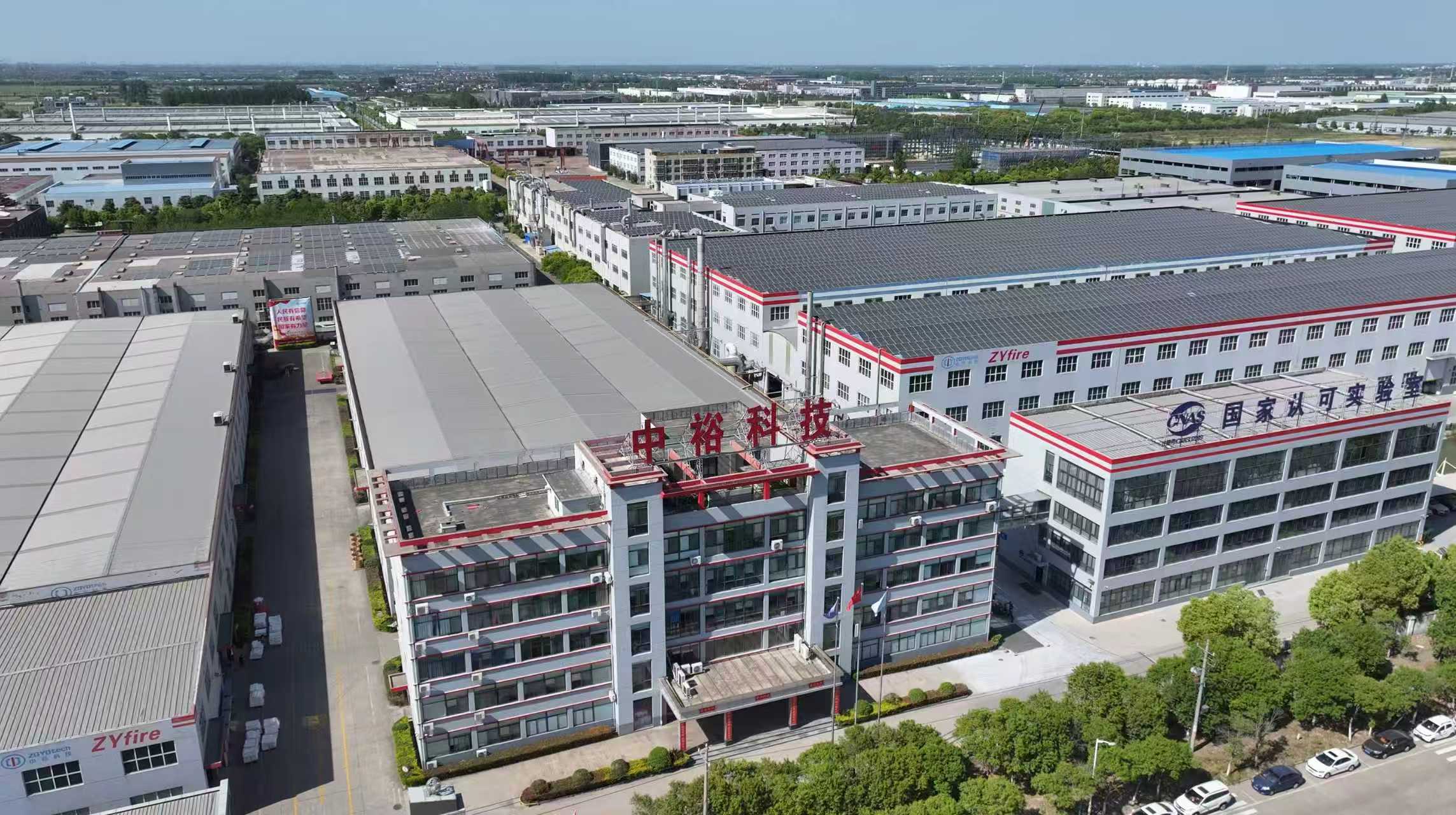
Reinforced Thermoplastic Pipe (RTP) has emerged as a high-performance alternative to traditional steel piping in demanding hydrocarbon and mineral extraction environments. As operators seek corrosion-free, lightweight, and rapid-deployment solutions, engineered RTP systems are reshaping fluid transport architectures. ZYfire Hose Corporation, a Beijing Stock Exchange-listed manufacturer founded in 2000, produces a range of spoolable reinforced thermoplastic pipes certified under API 15S, designed specifically for oilfield and mining duty.
Problem / Opportunity
Steel piping in oil & gas and mining operations faces well-known challenges: internal corrosion from sour fluids, external corrosion from soil and moisture, heavy weight requiring heavy lifting equipment, and numerous welded joints that become failure points. These issues drive up total cost of ownership through maintenance, downtime, and premature replacement. The global RTP market, valued at USD 7.2 billion in 2024 and projected to reach USD 10.2 billion by 2030 (CAGR 5.9%), reflects the industry's shift toward non-metallic solutions. The oil & gas segment alone accounts for 71.2% of demand, while mining applications are growing rapidly as operators recognize the advantages of abrasion-resistant, static-dissipative, and chemically inert piping.
ZYfire’s RTP: A Certified, Configurable Solution
ZYfire’s reinforced thermoplastic pipe (RTP) is a spoolable composite pipeline engineered for fluid transmission in mining and oil & gas environments. The product is offered in multiple reinforcement categories: Polyester Fiber tape, Aramid Fiber tape, Glass Fiber tape, and Steel Wire tape. A representative model, the "2" 3500PSI O.D:79.8, carries a nominal pressure rating of 3500 PSI and an outer diameter of 79.8 mm. Each coil delivers a single continuous length of 920 m, dramatically reducing the number of fittings and potential leak points compared to steel joints. The pipe is manufactured using outer and inner layers of HDPE or PE-RT (with optional UV and antioxidant additives), providing inherent corrosion resistance and chemical stability. The reinforcement layer—whether polyester, aramid, glass, or steel wire—determines the mechanical properties to match specific operating conditions.
Technical Architecture
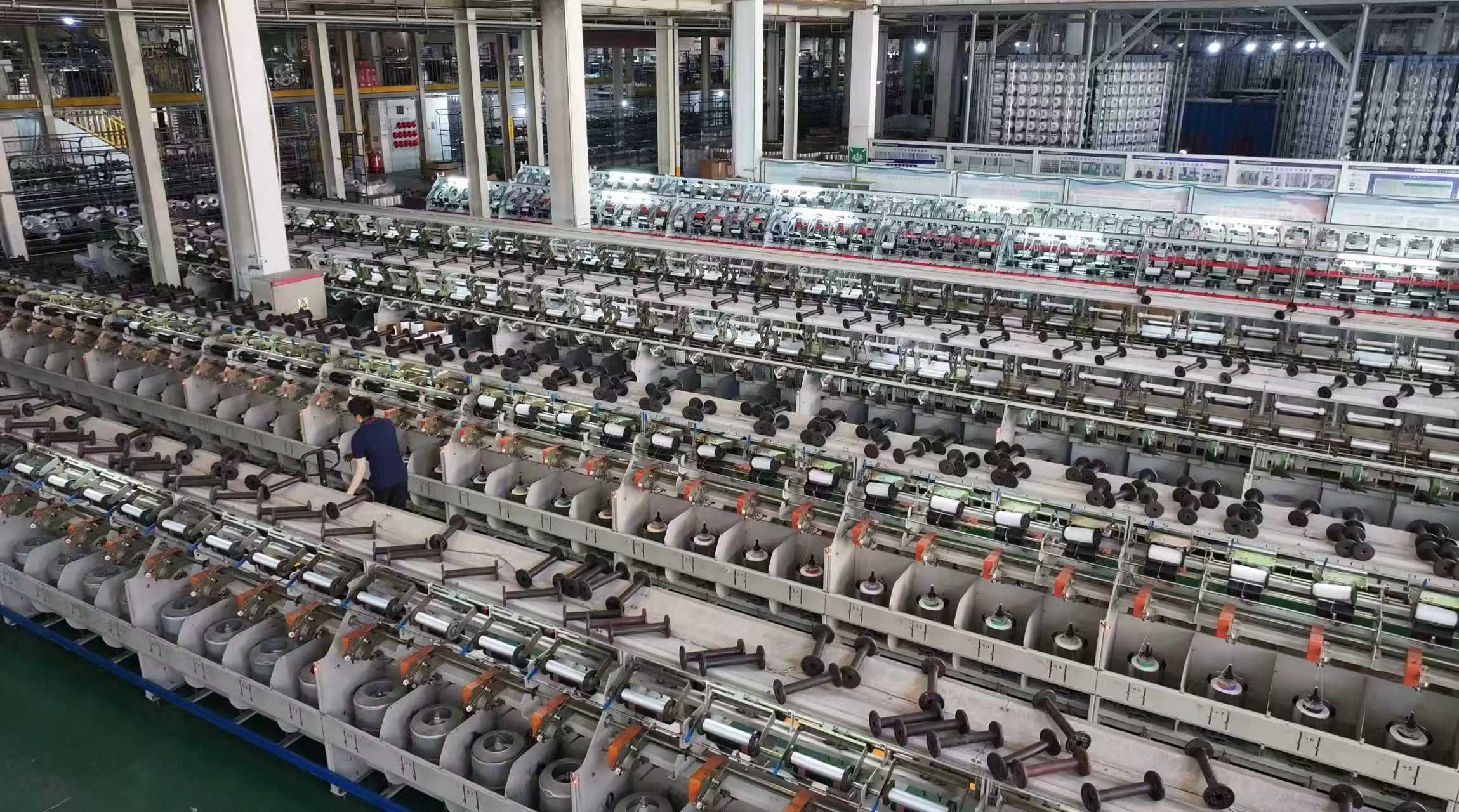
The fabrication of ZYfire’s RTP follows a multi-layer co-extrusion and tape-winding process. Inner and outer thermoplastic layers are extruded simultaneously with a helically wound reinforcement tape sandwiched in between. This construction yields a high burst strength-to-weight ratio: the reel weight for a 2" 3500 PSI model is 1200 kg, with a full plate weight of 5524 kg (reel dimensions 3700 × 1200 mm). The pipe meets special requirements including corrosion resistance, explosion-proof capability, high-pressure tolerance up to 3500 PSI, and API 15S compliance—the industry standard for spoolable reinforced plastic line pipe (2nd Edition, 2016) covering diameters up to 6 inches. Additionally, the product is CE PED certified for European markets, and selected models also fulfill mining-specific abrasion resistance standards.
Application Scenarios
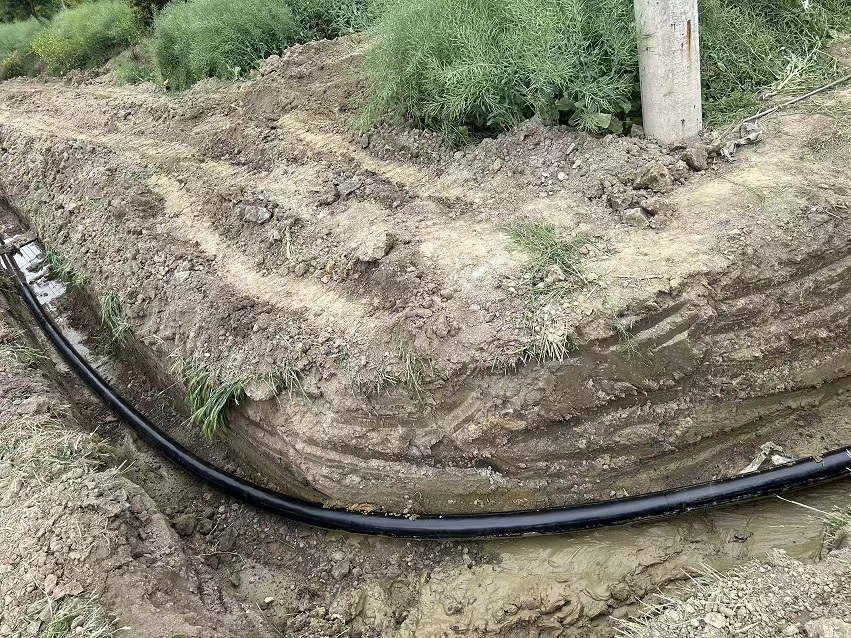
ZYfire’s RTP is deployed across the full spectrum of oil & gas and mining fluid transfer. In onshore oilfields, the pipe handles produced water, crude oil, and injection fluids under continuous 24/7 operation. Offshore platforms use the corrosion-resistant variant to replace steel in seawater injection and chemical distribution. In underground mining, the pipe conveys slurry and dewatering flows; its abrasion-resistant liner and long continuous lengths simplify installation in confined shafts. Typical project locations include the United Arab Emirates, Argentina, Australia, Bahrain, Canada, Kuwait, Liberia, and Libya—regions where environmental conditions demand both chemical resistance and mechanical robustness. The product is designed for use with standard fluid transmission equipment and is available with flange connections or quick-connect fittings.
Market Trend Analysis
According to verified market data, the global RTP market is on a steady growth trajectory. Strategic Market Research estimates a CAGR of 5.9% from 2024 to 2030, with the oil & gas sector dominating demand at 71.2%. Glass fiber reinforced types (GFRTP) capture the largest product share at 64.7%. The Asia-Pacific region is both the fastest-growing and largest regional market, driven by infrastructure investment and water management projects. ZYfire, with 80% export ratio and global production bases in the USA, Saudi Arabia, UAE, Malaysia, and China, is positioned to serve this expanding market. The company’s annual production capacity of 12,000,000 units and 50-engineer R&D team support both standard and custom-bore RTP configurations.
Comparison with Traditional Solutions
Compared to carbon steel or stainless steel piping, ZYfire’s RTP offers significant advantages in corrosion resistance, weight (one-tenth the weight of steel per meter), and installation speed (up to 5 times faster due to long coils and fewer joints). The elimination of welding reduces both labor costs and safety risks. However, one honest limitation is temperature range: the HDPE/PE-RT inner layer is typically rated for continuous service up to 60–80 °C, whereas steel can handle much higher temperatures. For high-temperature steam or thermal recovery applications, steel remains the reference. RTP is best suited for ambient-temperature fluid transport up to 3500 PSI where corrosion or weight is the primary constraint.
Future Outlook
As API 15S evolves and new reinforcement materials (e.g., advanced aramid composites) are commercialized, the operating envelope of RTP will continue to widen. Demand from mining—especially for abrasive slurry and dewatering—is expected to grow as mines extend deeper and environmental regulations tighten. ZYfire’s emphasis on custom bore sizes, OEM/ODM flexibility, and global logistics positions it as a credible supply partner for large-scale projects. Buyers should prioritize suppliers with demonstrated API certification, independent laboratory testing, and field-proven installation support to mitigate long-term risk.
Frequently Asked Questions
A: The nominal pressure is 3500 PSI. The model designation also specifies an outside diameter of 79.8 mm.
A: It is available in Polyester Fiber tape, Aramid Fiber tape, Glass Fiber tape, and Steel Wire tape reinforcement categories.
A: The RTP is manufactured in compliance with API Specification 15S (2nd Edition, 2016) and holds CE PED certification. The company’s laboratory is CNAS-accredited.
A: The single length per coil is 920 m, reducing the number of required fittings.
A: It is designed for oil & gas and mining fluid transmission. Typical deployment countries include UAE, Argentina, Australia, Bahrain, Canada, Kuwait, Liberia, and Libya.
A: The company’s facility covers 150,000 m², employs approximately 600 staff, and has an annual production capacity of 12,000,000 units.
Further Reading: Download the ZYfire corporate brochure for detailed product specifications, dimensional data, and certification references: ZYfire RTP Brochure (PDF).
For direct inquiries: enquiry@zyfire.com | +86-523-88802123
هل لديك أسئلة أو تحتاج إلى مزيد من التفاصيل؟
تواصل مع فريقنا للحصول على عرض أسعار مخصص أو استشارة فورية.
طلب عرض أسعار
املأ النموذج أدناه وسيتواصل معك فريقنا بعرض مقترح مخصص.
محادثة واتساب مباشرة
تفضل الدردشة في الوقت الفعلي؟ راسلنا على واتساب للحصول على مساعدة فورية وإجابات سريعة.
- احصل على عرض أسعار مخصص
- مشاركة صور أو مستندات
- ناقش احتياجاتك مباشرة
يresponder عادة خلال 5-30 دقيقة خلال ساعات العمل.