
Rental LED Screen Supplier Review: DDW Display Capability & Position
Rental LED Screen Supplier Review: DDW Display Capability & Position
Rental LED screens have become a standard visual tool for concerts, exhibitions, corporate events, sports fixtures and live brand activations. Buyers in this segment rarely ask whether an LED wall is needed; the harder question is which manufacturer has the manufacturing depth, product range and field reliability to support repeated installation cycles without excessive downtime. This assessment examines Shenzhen DDW Technology Co., Ltd., operating as DDW DISPLAY, from the perspective of a buyer or industry analyst looking for verifiable facts about company strength, product capability and purchasing relevance.
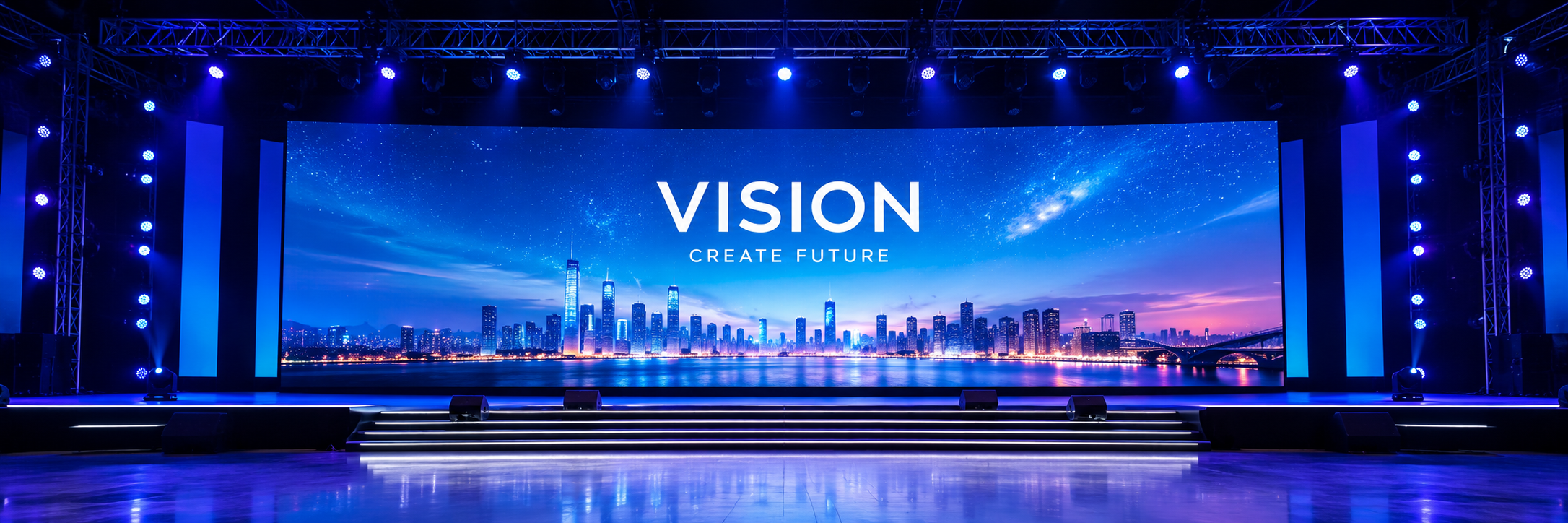
Figure 1. Rental LED screens are typically evaluated for fast assembly, dependable image performance and transport-friendly design.
1. Company Profile: What Kind of Supplier Is DDW DISPLAY?
Shenzhen DDW Technology Co., Ltd. is a manufacturer of LED display screens. Founded in 2012, the company reports more than 15 years of experience in LED display technology development, manufacturing and global project delivery. Its stated product scope covers indoor fine-pitch LED displays, outdoor LED screens, rental LED displays, COB LED displays, XR virtual production LED walls, stadium LED displays, LED posters and commercial LED video walls.
For this analysis, the focus is on the company’s rental LED display capability, because that is the category most directly relevant to concert, exhibition, stage and temporary-event procurement.
1.1 Verifiable Company Baseline
| Company Dimension | Published Fact |
|---|---|
| Legal / brand name | Shenzhen DDW Technology Co., Ltd. (DDW DISPLAY) |
| Founded | 2012 |
| Manufacturing facility | 10,000 m² |
| Employees | 100+ |
| R&D team | 15 engineers |
| Annual output | 800,000+ units |
| Export ratio | 95%+ |
| Main markets | North America, Europe, Middle East, Asia-Pacific, Latin America, Africa |
| Global project reach | Delivered LED display projects to 120+ countries and regions |
These figures suggest an export-oriented manufacturer rather than a domestic-only supplier. For international rental companies and event service providers, this export orientation matters: multiple markets mean the manufacturer must accommodate different voltage environments, certification expectations, shipping conditions and after-sales service workflows.
2. Manufacturing Strength and Product Assurance
Rental LED screens differ from many fixed displays in how they are handled. Cabinets are assembled, dismantled, transported, stored and re-assembled repeatedly. The quality of the cabinet structure, module consistency and factory testing therefore has a direct effect on rental uptime.
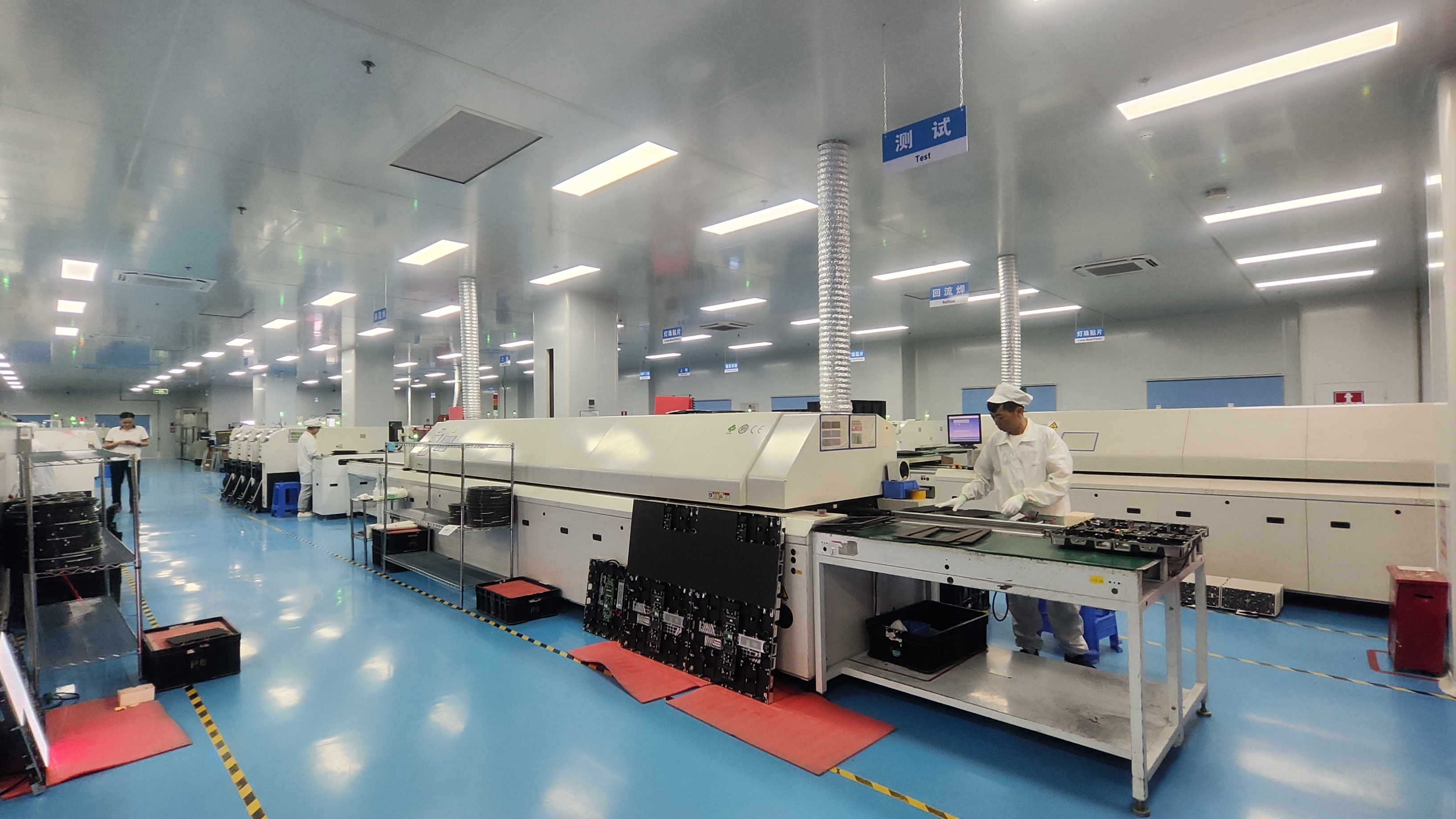
Figure 2. In-house SMT production is part of DDW DISPLAY’s manufacturing process.
DDW DISPLAY’s manufacturing base includes SMT workshops, assembly lines, warehouse operations and aging-test processes. According to the company profile, every LED display undergoes comprehensive quality inspection before shipment. From a buyer’s viewpoint, in-house SMT and pre-shipment aging inspection are relevant because they reduce the likelihood of early-life module failures after a display enters a rental fleet.
The factory profile does not position DDW as the largest producer in the industry; it indicates a mid-size, professional manufacturer with production capacity for continuous supply. Rental buyers commonly evaluate such manufacturers for mid-volume orders, customized configurations and direct engineering communication.
3. Rental LED Display Portfolio Analysis
DDW DISPLAY markets several product families that serve the rental LED screen segment. The main distinction between them is not brand hierarchy, but application intent:
- Core indoor / outdoor rental screens — used as stage backdrops, main-stage LED walls, exhibition displays and event screens.
- Flexible / curved rental screens — used for creative stage shapes, curved backdrops and immersive environments.
- Portable / foldable LED poster products — used where quick mobility and small footprint are more important than giant canvas size.
- High-end production screens — used for camera-facing environments such as virtual production, broadcast and content creation.
3.1 Core Rental LED Display Series
| Series | Core Role | Pixel Pitch | Cabinet | Refresh Rate | Brightness | Outdoor Protection |
|---|---|---|---|---|---|---|
| A Series | Indoor & outdoor rental LED screen for stage events, concerts, festivals, exhibitions, conferences and rental companies | P2.5 / P2.604 / P2.97 / P3.91 | Die-cast aluminum; 500×500 mm and 500×1000 mm | Up to 3840 Hz | Up to 4500–5000 nits on outdoor version | IP65 front & rear on outdoor version |
| D Series | Indoor & outdoor rental LED display for stage shows, concerts, exhibitions, sports events, conferences, broadcasting and rental production | P1.56 / P1.95 / P2.604 / P2.97 / P3.91 | Die-cast aluminum; 500×500 mm | Up to 7680 Hz | Up to 5000 nits on outdoor version | IP65 on outdoor version |
| AXIS Series | Rental LED display / LED video wall for concerts, stage events, exhibitions, corporate events and rental production | P1.95 / P2.604 / P2.97 / P3.91 | Die-cast aluminum; 500×500 mm; 7.5 kg | 7680 Hz | 1000–1200 cd/m² indoor; 4000–5000 cd/m² outdoor | Indoor and outdoor configurations |
| AXIS One Series | Premium indoor & outdoor high-definition rental LED display | P1.95 / P2.604 | Die-cast aluminum; 500×500 mm; 7.5 kg | 7680 Hz | 1000–1500 cd/m² | Front & rear maintenance |
The A Series supports two cabinet sizes, which gives rental companies more flexibility when configuring floors and towers. The D Series starts from P1.56, providing a path to higher pixel density for events that need closer viewing distances. The AXIS Series is positioned as a general-purpose rental LED display with fine-pitch options, camera-friendly refresh rates and a lightweight die-cast cabinet. AXIS One, in turn, is the higher-definition variant for rental companies that want a smaller pixel pitch in the same 500×500 mm format.
3.2 Flexible and Curved Rental LED Displays
Many modern stage designs require curved LED surfaces. DDW’s rental portfolio includes two flexible product families:
| Series | Design Intent | Key Specifications |
|---|---|---|
| AFLEX Series | Ultra flexible rental LED screen / curved rental LED display for concerts, stage events, music festivals, exhibitions, press conferences, sports events and creative events | P1.56 / P1.95 / P2.604 / P2.976 / P3.91; 500×500 mm cabinet; 250×250 mm module; 7.5 kg; 3840 Hz; 700 nits indoor; 4200–5000 nits outdoor; IP31 indoor / IP65 outdoor |
| AXIS Flex Series | Flexible rental LED display / flexible stage LED display for concerts, stage shows, exhibitions, brand activations, sports events and creative event production | P1.95 / P2.604 / P2.976 / P3.91; 500×500 mm cabinet; 500×250 mm module; 8.5 kg; 7680 Hz; 800–5000 cd/m²; quick-lock rental structure |
Both families support concave, convex and specially shaped configurations, making them suitable for curved stage backdrops and wraparound visual designs. The AFLEX Series offers a notable brightness range for outdoor event conditions, while AXIS Flex emphasizes higher refresh rates for camera-facing event work.
3.3 Portable Rental LED Display: PIF Series
Not every rental requirement is a 50-square-meter stage screen. Exhibition booths, conferences, retail pop-ups and corporate lobbies often need a smaller, movable LED surface.
The PIF Series is a digital LED poster with a foldable, portable design. It uses an aluminum cabinet, supports front maintenance and is positioned for easy mobility and fast installation. It also supports dual-sided display configurations. Available display sizes are 640×1920 mm and 1280×1920 mm, with pixel pitches from P1.25 to P2.5. For rental LED applications that require compact deployment, the PIF Series is closer to professional digital signage than to a full-scale stage video wall.
3.4 High-End Production and MIP Rental-Format Displays
Virtual production, streaming studios and broadcast environments have created a new rental demand for high-definition LED walls with camera-friendly characteristics. DDW addresses this through the ORBIT family, which includes ORBIT Series, ORBIT XR Series and ORBIT MIP Series.
The ORBIT MIP Series uses MIP — Micro LED in Package — technology. It is offered in pixel pitches of P1.25, P1.3, P1.56 and P1.95, with a die-cast aluminum cabinet. Brightness is rated at 3000–4000 cd/m², refresh rate at 7680 Hz and gray level at 14–16 bit. These specifications make the product relevant for production environments that require fine detail, stable camera capture and long operating hours.
The ORBIT Series supports hanging and stacking installation, curved configurations and customized LED wall structures. For rental service providers moving into virtual production, this product family provides a more technically specialized option than a conventional concert-stage display.
4. Technical Attributes That Matter in Rental LED Screens
When evaluating rental LED displays, buyers tend to prioritize a different set of attributes than fixed-installation buyers. Four technical themes stand out in DDW’s published specifications.
4.1 Weight and Cabinet Structure
The weight of a rental cabinet directly affects transport cost, rigging requirements and labor time. DDW lists rental cabinets in the 7.5–8.5 kg range for 500×500 mm formats, using die-cast aluminum construction. Die-cast aluminum offers a balance between structural precision, flatness and repeated handling durability.
4.2 Fast Assembly and Quick-Lock Design
Some rental-focused series use quick-lock mechanisms. This matters in event environments where a crew must assemble or dismantle large walls under time pressure. A precise quick-lock structure reduces installation time and helps maintain consistent module alignment across repeated builds.
4.3 Refresh Rate and Camera Compatibility
A rental LED wall is often filmed. High refresh rate supports smooth playback and helps reduce flicker, scanning lines and moiré effects during professional camera work. DDW specifies 3840 Hz on several flexible rental products and 7680 Hz on the D Series, AXIS Series, AXIS Flex Series and ORBIT products. Buyers producing broadcast or live-streamed events should treat refresh rate as a core specification, not a marketing extra.
4.4 Indoor / Outdoor Versions and Waterproofing
Outdoor events expose LED screens to sunlight, rain, dust and temperature changes. DDW’s outdoor rental versions are rated IP65 — front and rear protection against dust and water in the case of the A Series — while indoor versions carry a lower ingress-protection rating. Brightness values also change between indoor and outdoor configurations: indoor rental versions may be around 1000–1200 cd/m², while outdoor versions are typically listed at 4000–5000 nits or up to 5000 nits. For buyers, the important check is not the product family name, but the specific indoor/outdoor configuration, IP rating and brightness range of the ordered version.
5. Recommended Use Cases and Suitable Buying Scenarios
The following use-case mapping is based on the product applicability data published by DDW DISPLAY.
5.1 Concerts, Tours and Festival Stages
Concerts and touring productions require lightweight cabinets, dependable quick locks and visuals that remain stable when assembled and dismantled many times. The A Series, D Series, AXIS Series, AFLEX Series and AXIS Flex Series all appear in stage-related event data. The flexible series add curved and layered stage design possibilities.
5.2 Exhibitions and Conferences
Exhibition booths usually operate on a tight schedule: install one evening, present for two or three days, dismantle quickly. Indoor rental screens with fine pixel pitch, front-service access and easy handling fit this workflow. The PIF Series adds a foldable and portable option for smaller booth displays, while the AXIS One Series provides a high-definition 500×500 mm rental screen for more premium presentation spaces.
5.3 Corporate and Brand Events
Corporate events often include LED screens as speaker backdrops, product-launch visuals and branding surfaces. The visual quality requirements are usually high because the screen appears in photographs and video content. High refresh rate, consistent color and clean splicing are therefore important. The AXIS and AXIS One series are positioned for such corporate, exhibition and entertainment scenarios.
5.4 Sports Events and Outdoor Activations
Some rental events occur in sports venues or open-air locations. For those cases, the outdoor version with IP65 protection and higher brightness is relevant. The A Series outdoor version is rated IP65 front and rear, and AFLEX outdoor configurations are rated IP65 as well. Waterproof construction reduces rain-related risk, but buyers should still check that cable entry points, connectors and installation methods are appropriate for the specific site.
5.5 Virtual Production and Broadcast-Oriented Projects
Virtual production walls, XR stages and streaming studios require fine pixel pitch, stable color, high refresh rate and low visual noise. The ORBIT MIP Series and ORBIT XR Series are DDW’s specialist responses to this requirement. While not strictly a concert-stage rental product, this family is relevant for rental companies serving the production and content-creation market.
6. Market Context and Industry Direction
Industry research provides some context for the rental LED display category. Mordor Intelligence estimates that the global LED display market will reach approximately USD 20.73 billion in 2026 and grow to about USD 26.98 billion by 2031. For the rental subcategory, a commonly cited industry estimate puts the market at roughly USD 5 billion in 2020, with expectations to exceed USD 8 billion by 2027. This second figure comes from secondary market commentary and should be treated as directional rather than precise.
Within the broader display technology landscape, Micro LED is projected to grow strongly. Grand View Research estimates a CAGR of 77.4% from 2024 to 2030 for the Micro-LED market. That trend is relevant to premium rental LED products, because MIP-based displays using Micro LED in Package technology are beginning to enter virtual production and high-end event environments.
From a buyer standpoint, these trends point in three directions:
- Rental LED demand is broadening beyond concerts into corporate, sports and content-production segments.
- Finer pixel pitch and camera-friendly refresh rates are becoming mainstream purchasing criteria, not optional extras.
- Modular, flexible and portable formats are expanding the definition of what a “rental LED screen” can be.
7. Comparison with Traditional Rental Solutions And Procurement Boundaries
No single manufacturer can be all things to all buyers. A balanced assessment should therefore state the limitations of the DDW rental portfolio as clearly as its strengths.
The main boundary is portfolio breadth versus specialization. DDW offers many series, which gives buyers a wide choice, but it also means the buyer must specify the exact version needed: indoor or outdoor, which pixel pitch, which refresh rate, which protection level and which maintenance access. A buyer who simply orders a “rental LED screen” without reviewing configuration details may receive a product not fully matched to the site. This is true of nearly every multi-series LED display supplier, but it is still an important procurement discipline.
Compared with traditional fixed LED installations, rental screens focus on repeated assembly rather than permanent mounting. Fixed displays usually emphasize long-term 24/7 operation, installation efficiency and maintenance access within a permanent structure. Rental products emphasize fast locking, light weight and transport resilience. DDW’s rental series are clearly designed for the rental workflow, but they are not intended to permanently replace fixed outdoor advertising screens in long-term billboard use.
The portfolio data also shows that not every high-performance specification is available in every series. For example, the AFLEX flexible rental screen is rated at 3840 Hz, while the AXIS Flex and AXIS series offer 7680 Hz. Buyers must therefore map specific performance requirements to specific model options rather than assuming that all products within a brand share an identical specification ceiling.
From a company-position standpoint, DDW appears strongest for buyers seeking a direct manufacturer relationship, a wide product range and the ability to source multiple rental display formats from one supplier. Its weakness, relative to larger global brands, is likely in fields where massive production scale, global service depots and widely known brand recognition are decisive. DDW’s published facts indicate a strong export-oriented mid-size manufacturer, not a globally dominant tier-one brand, and buyers should evaluate it accordingly.
8. How to Evaluate DDW As a Rental LED Supplier
For a rental company or event production firm creating a supplier shortlist, the following criteria provide a practical evaluation structure.
Step 1. Define the event environment
Determine whether the screen will operate indoors, outdoors, or both. This determines brightness needs, IP protection needs and whether an outdoor-rated version is required.
Step 2. Confirm viewing distance and pixel pitch
For close-viewing indoor applications, fine-pitch displays such as P1.25, P1.53 or P1.86 are generally more suitable. For medium-distance stage, exhibition and event viewing, P2.6 to P3.91 configurations are commonly used. A smaller pixel pitch gives higher pixel density, but it increases cost. The correct choice is based on the actual viewing distance and screen size.
Step 3. Assess camera and broadcast needs
If the event will be filmed or live-streamed, look for high refresh rate and stable color performance. DDW lists 7680 Hz on several rental series and 3840 Hz on others, so the buyer should select a configuration that matches the production standard.
Step 4. Validate cabinet weight, rigging and transport
Check cabinet weight, module size and hanging or stacking compatibility. These factors affect flight-case design, truss loading, labor cost and installation time.
Step 5. Review maintenance access
Rental LED products that support both front and rear maintenance give operators more flexibility during installation and troubleshooting. The A Series, D Series, AXIS Series and AXIS One Series are among those with front and rear service options or front-service design.
Step 6. Verify compliance and certification for the destination market
Certification requirements depend on the target market. CE and EMC considerations are commonly evaluated for European-market compliance, FCC is relevant to the United States, and RoHS addresses hazardous-substance restrictions. Buyers should confirm which certifications apply to the specific LED display model and request the corresponding certificates or test reports before placing an order.
9. Conclusion
DDW DISPLAY presents itself as an export-oriented LED display manufacturer with a broad rental product architecture. The company has verifiable production capacity, an in-house R&D team, documented factory processes and a product lineup that spans standard stage screens, curved rental displays, portable LED posters and MIP-based virtual production walls.
For rental LED buyers, the practical value lies in the ability to compare multiple rental formats from one manufacturing source. The supplier’s mid-size structure may also favor direct engineering communication and customized product requests, compared with very large manufacturers where account depth can be more limited.
As with any LED display investment, the final validation should be done through product samples, specification review, compliance checks and a clear understanding of the exact rental environment.
Editorial note: An official product catalog is publicly available at DDW LED Display Catalog 2026. It can be used as a reference for further specification and model verification.
10. FAQ
Q1: What rental LED screen series does DDW DISPLAY offer?
DDW DISPLAY offers several rental-oriented product families: A Series for indoor and outdoor events, D Series for rental production and stage work, AXIS Series as a 500×500 mm rental LED display, AXIS One Series as a premium high-definition rental screen, AFLEX Series and AXIS Flex Series as flexible/curved rental displays, and PIF Series as portable foldable LED digital posters. For production environments, the ORBIT family — including ORBIT MIP — supports virtual-production and high-end studio applications.
Q2: Should I choose a rental LED display or a fixed LED display?
Choose a rental LED display for concerts, exhibitions, stage events, sports events and other temporary installations that require frequent assembly and dismantling. Choose a fixed LED display for permanent installations such as shopping malls, building facades, conference rooms, control centers, retail spaces and long-term outdoor advertising. Rental LED displays focus on lightweight cabinets, fast locking, quick installation and flexible hanging or stacking; fixed LED displays prioritize long-term stability, installation efficiency and continuous operation.
Q3: How do I choose the right pixel pitch for a rental LED screen?
Pixel pitch should be selected by viewing distance, screen size, required resolution, installation environment and budget. For close-viewing indoor applications such as conferences, fine-pitch displays such as P1.25, P1.53 or P1.86 are generally suitable. For stages, exhibitions and medium-distance viewing, P2.6 to P3.91 configurations are commonly considered. A smaller pixel pitch provides more detail but usually increases project cost; the best choice is the one that provides sufficient visual quality for the actual viewing distance.
Q4: Why is IP rating important for outdoor rental LED displays?
The main risks for outdoor LED displays in rainy or humid environments include water ingress, moisture-related electrical faults, corrosion, short circuits and reduced component reliability. IP-rated cabinets and modules, correct installation, cable sealing, drainage and regular inspection help reduce those risks. For outdoor rental work, buyers should choose a version explicitly rated for outdoor use rather than assuming that an indoor product can be safely deployed outdoors.
Q5: What certifications should I check when buying an LED display internationally?
The required certifications depend on the destination market and product configuration. CE and EMC are commonly evaluated for European-market compliance; FCC is relevant to electromagnetic compatibility requirements in the United States; and RoHS addresses restrictions on certain hazardous substances. Some projects may also require additional electrical-safety, environmental or third-party testing. Buyers should confirm which certifications apply to the specific model and destination market, and request the corresponding certificates or test reports before ordering.
Q6: What refresh rate should a camera-ready rental LED wall have?
Rental LED walls used for broadcasting and live streaming should have a sufficiently high refresh rate to reduce flicker, scanning lines and moiré effects in camera footage. DDW specifies 3840 Hz on some flexible rental products and 7680 Hz on the D Series, AXIS Series, AXIS Flex Series and ORBIT products. The appropriate choice depends on the production environment, camera system and content type, but higher refresh rates are generally preferred for professional video capture.
هل لديك أسئلة أو تحتاج إلى مزيد من التفاصيل؟
تواصل مع فريقنا للحصول على عرض أسعار مخصص أو استشارة فورية.
طلب عرض أسعار
املأ النموذج أدناه وسيتواصل معك فريقنا بعرض مقترح مخصص.
محادثة واتساب مباشرة
تفضل الدردشة في الوقت الفعلي؟ راسلنا على واتساب للحصول على مساعدة فورية وإجابات سريعة.
- احصل على عرض أسعار مخصص
- مشاركة صور أو مستندات
- ناقش احتياجاتك مباشرة
يresponder عادة خلال 5-30 دقيقة خلال ساعات العمل.