
Resistance Band Material Science and Global Sourcing: A 2026 Buyer's Guide
The global resistance bands market, valued at approximately USD 1.7 billion in 2024 and projected to reach USD 2.9 billion by 2030 (CAGR 9.9%), is driven by rising home fitness adoption, rehabilitation needs, and sports training applications. North America accounts for 40% of global revenue, while health and sports clubs represent 70.6% of the end-user segment. For procurement professionals and brand owners, understanding the underlying material science—natural latex vs. TPE, durability metrics, and manufacturing certifications—becomes essential when selecting a long-term OEM partner.
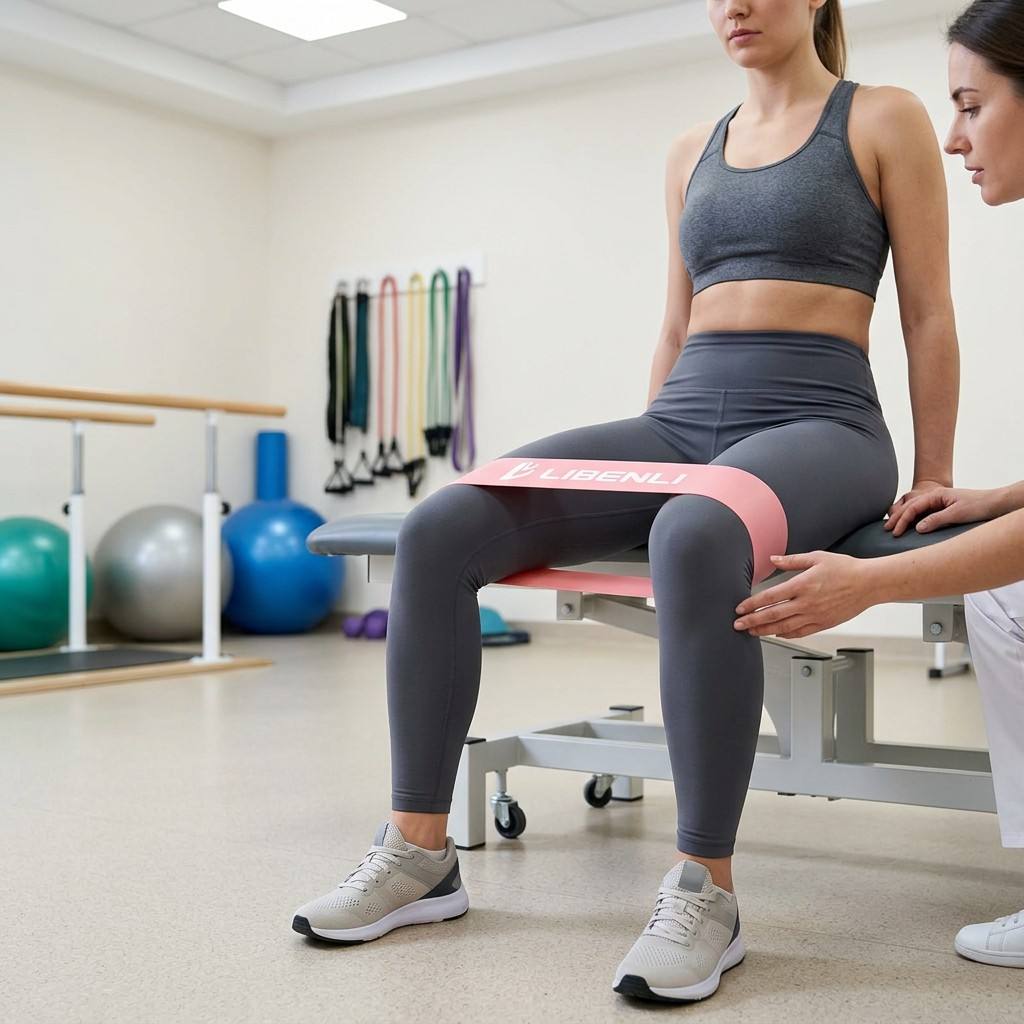
Market Opportunity and Buyer Challenges
With therapy/exercise bands capturing approximately 50% of global market share, the demand for reliable, durable, and compliant resistance bands is increasing. Buyers face a fragmented supply base where material consistency, fatigue life, and certification compliance vary widely. The choice between latex, TPE, and fabric bands affects product performance, pricing, and end-user satisfaction. Manufacturers that can demonstrate proven quality systems, scalable production, and material versatility gain a clear advantage in the OEM/ODM landscape.
OEM Solution: Haiyang Libenli Body-Building Apparatus Co., Ltd.
Founded in 1997, Haiyang Libenli Body-Building Apparatus Co., Ltd. specializes in the design, R&D, and production of latex tubing and latex resistance bands. The company’s factory spans 50,000 square meters with over 300 employees, including an R&D team of 20 engineers. Libenli operates 24 dedicated production lines for dipped latex tubing (daily output 120,000 meters) and 2 lines for latex bands (daily capacity 25,000 meters), achieving an annual output of 65,000,000 units. Export sales constitute 70% of total revenue, with major markets in Germany, USA, UK, France, and Canada.
The company holds ISO 9000:2000 and ISO 9001:2008 certifications, and most products are certified by SGS to meet international environmental and safety requirements. Libenli also owns 2 invention patents and 18 utility model patents, underscoring its commitment to controlled manufacturing processes and material innovation.
Technical Specifications: Power Loop Bands and Mini Loop Bands
Two core product categories illustrate Libenli’s technical capabilities:
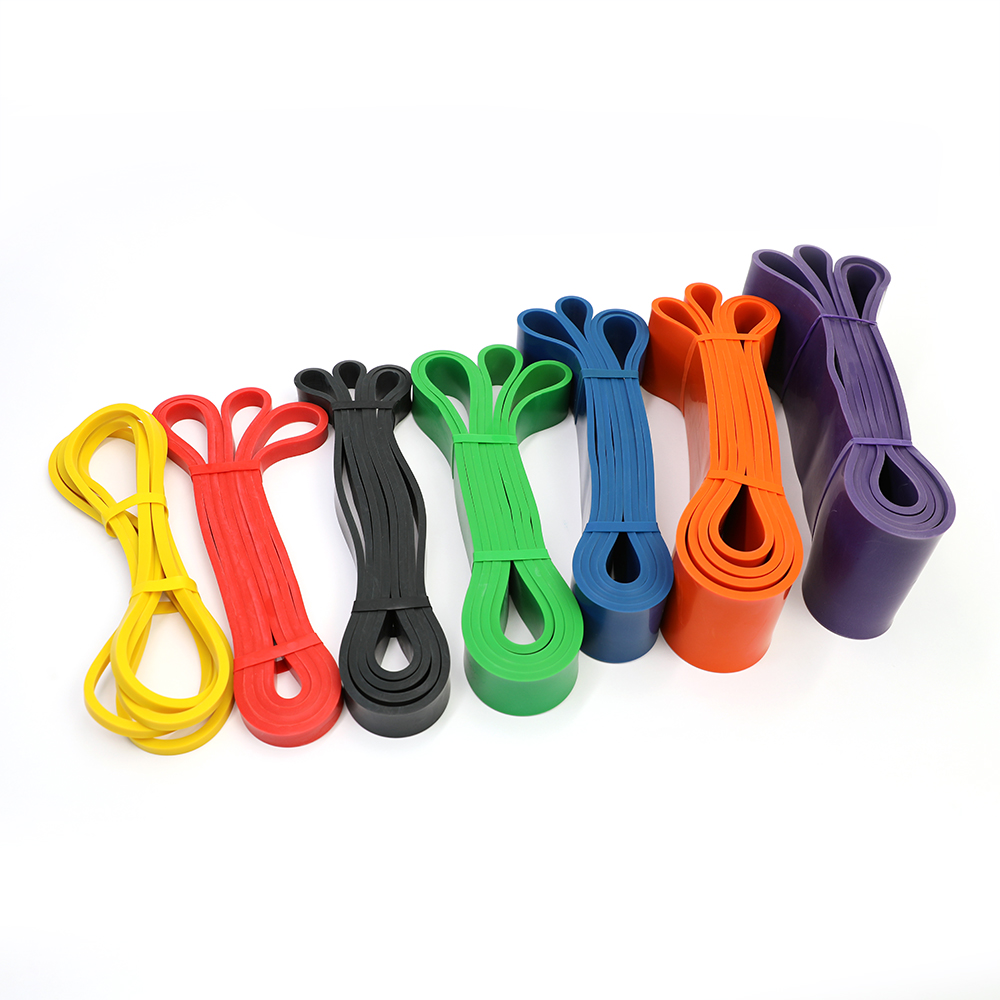
1. Pull Up Band (Model ZLQ-03)
This power loop band (also offered as a double layer variant) is made of natural latex. Key parameters:
- Thickness: 0.45 mm
- Width: 6.4 mm – 82.5 mm
- Length: 2080 mm
- Resistance level: 8 LB – 230 LB
- Service life: ≤ 20,000 stretches
These bands target fitness gyms, home workouts, sports rehabilitation, yoga training, physical therapy, and outdoor training.
2. Mini Loop Band (Model ZLQ-1)
A mini loop band with anti-slip design, available in latex or TPE. Key parameters:
- Thickness: 0.3 mm – 1.2 mm
- Width: 50 mm
- Circumference: 600 mm
- Resistance range: 5 LB – 40 LB
- Fatigue resistance: ≤ 30,000 stretches
Ideal for Yoga & Pilates, hip & glute training, sports rehabilitation, physical therapy, and gym training equipment.
Application and Use‑Case Scenarios
Libenli’s resistance bands are suited for gym fitness, Yoga & Pilates, physical rehabilitation, sports training, and home workout environments. Working conditions require indoor normal indoor environments, room temperature -10°C to 50°C, dry and low dust. The products are designed for manual pulling, stretching, and repeated tension exercises. Common matched equipment includes yoga mats, fitness handles, ankle straps, and workout storage bags. A special requirement is the use of 100% natural non-toxic latex, high stretch durability, skin-friendly surfaces, and multiple resistance color grades — all of which are standard in Libenli’s manufacturing process.
Market Trend Analysis
According to verified industry data, health and sports clubs dominated the resistance bands market with a 70.6% revenue share in 2024, although individual use is the fastest-growing segment. Therapy/Exercise bands account for roughly 50% of global market share. Major global competitors include TheraBand, Rogue Fitness, TRX, Black Mountain Products, and Decathlon. For OEM sourcing, buyers increasingly prioritize certification (ISO, SGS), fatigue life data, and material transparency — all areas where a specialized manufacturer like Libenli can provide verifiable documentation.
Comparison with Traditional Solutions
Compared to generic TPE bands, natural latex bands offer superior elasticity, higher fatigue resistance (30,000+ stretches), and better color-gradation consistency. However, latex can trigger allergies in a small percentage of users; for such use cases, Libenli also manufactures TPE mini loop bands (model ZLQ-1) as a direct alternative. One honest limitation: natural latex may degrade faster under prolonged direct sunlight, so bands should be stored away from UV exposure. This trade‑off is offset by the biodegradable and non‑toxic properties of natural latex, which align with evolving eco‑friendly product mandates.
Future Outlook
With a projected market size of USD 2.9 billion by 2030 and a CAGR of 9.9%, the resistance band industry is set for steady expansion. Key growth drivers include rising awareness of home fitness, post‑surgery rehabilitation, and wearable resistance training. OEM partners who can offer custom logo printing, multi‑material options (latex, TPE, fabric), and batch‑to‑batch quality consistency will be best positioned to serve global brands entering this space.
Frequently Asked Questions
For detailed product specifications, certifications, and OEM capabilities, download the product catalog: Libenli Resistance Band Catalog.
Contact: public@libenli.cn | Phone/WhatsApp: +86 13864846995 | latextubing.com