
Road Sweeper Truck vs. Cargo Truck: Independent Buyer Comparison Checklist
Road Sweeper Truck vs. Cargo Truck: Independent Buyer Comparison Checklist
A road sweeper truck and a cargo truck can share the same commercial-vehicle chassis, wheelbase and cab architecture, but they are not interchangeable purchases. One is a cleaning tool built around brushes, water spray, suction or washing equipment and a debris hopper. The other is a load carrier built around a cargo body and the legal payload it can move. Even when a buyer begins with a named model such as a Dongfeng road sweeper truck, the decision should be made on duty cycle, body equipment, legal weight and cost per unit of work, not on the badge.
This checklist is written for the decision stage: the buyer has a route, a site or a service contract in mind and needs to separate a sweeper specification from a cargo specification before requesting quotations. It compares the two vehicle types on the dimensions that change ownership cost, then sets out the checks that should appear in any quotation review.
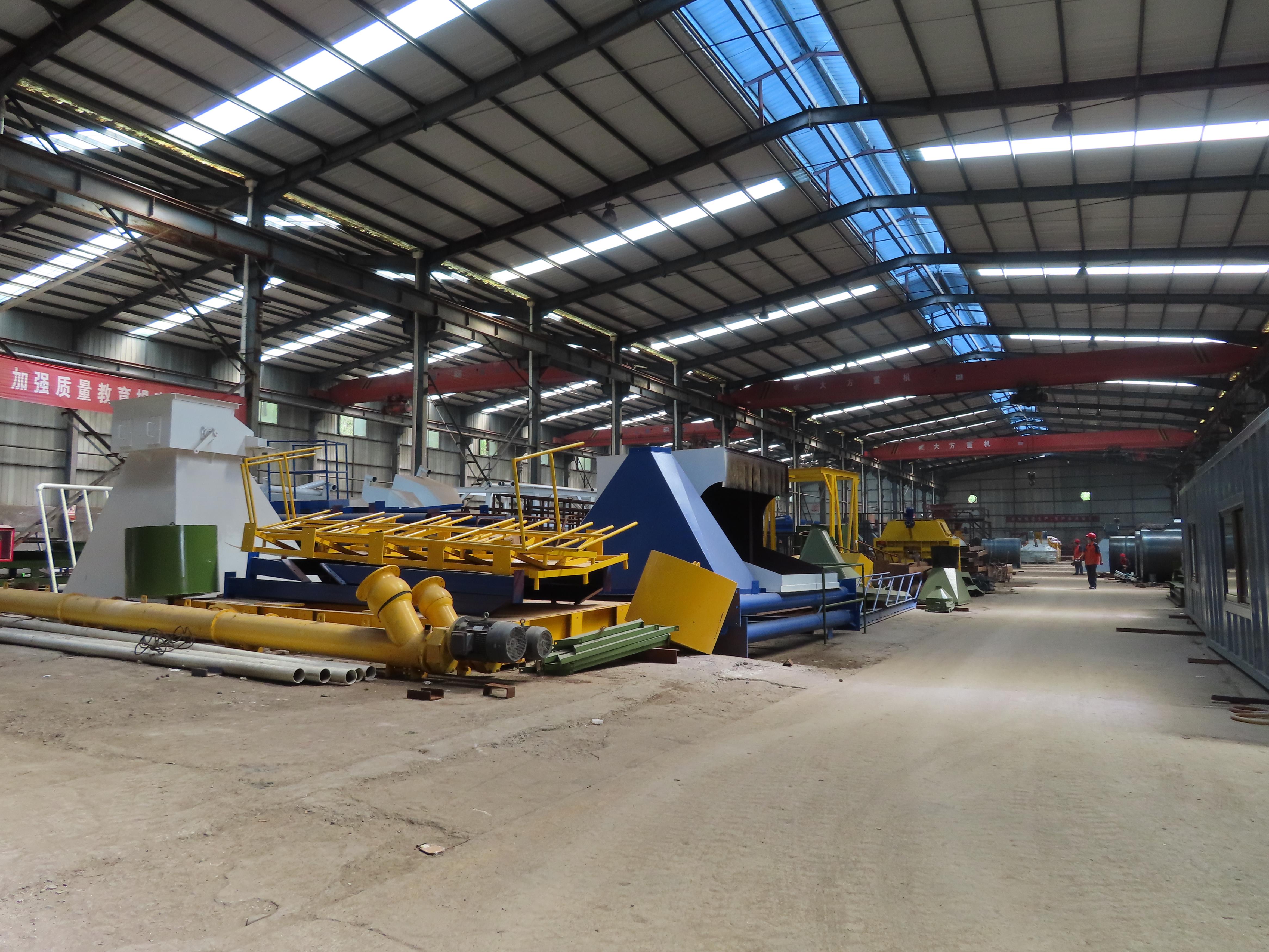
Manufacturing context: Elorry operates a 10,000+ m² production base in Zhengzhou, Henan, according to the supplied company profile.
1. The first decision is the job, not the vehicle name
A road sweeper truck earns its keep by cleaning a surface. The supplied comparison data describes mechanised sweeping as a one-operator, one-machine process that uses water spray and suction rather than brooms, with a working rate of about 20,000 m²/h against a manual sweeping quota of about 600 m²/h per worker. That is the core reason a sweeper is bought: it changes the labour model of cleaning.
A cargo truck earns its keep by moving goods. Its value is measured in payload, body volume, trips, delivery windows and cost per tonne-kilometre or per drop. A cargo body may be a box, dropside, stake or flatbed; the body choice follows the goods, the loading method and the route. The vehicle does not clean the road, and a sweeper does not carry revenue freight.
That difference should decide the procurement route before any specification is compared. If the primary contract is municipal road cleaning, industrial-park cleaning, port or airport apron cleaning, or highway shoulder cleaning, the buyer is in the sweeper category. If the primary contract is distribution, construction-material delivery, agricultural produce movement or container haulage, the buyer is in the cargo category. A fleet that needs both should plan two roles, not force one vehicle to cover both.
2. Comparison table: what changes between the two purchases
| Decision dimension | Road sweeper truck | Cargo truck | What the buyer should verify |
|---|---|---|---|
| Primary output | Cleaned area per shift | Goods moved per trip or per tonne-kilometre | Duty profile in writing |
| Core equipment | Brushes, spray, suction or washing, debris hopper | Cargo body: box, dropside, stake or flatbed | Body drawing and equipment list |
| Weight use | Water, debris, hydraulic system and cleaning equipment reduce cargo-type payload | Body and goods use the payload; legal axle load is the ceiling | Completed-vehicle kerb weight and axle ratings |
| Duty cycle | Low speed, frequent stops, auxiliary drive | Road speed, loading and unloading cycles | Route, surface, stops and shift length |
| Cost logic | Cost per cleaned area or per shift against manual crews | Cost per tonne-kilometre, trip or delivery | Annual work volume and local rates |
| Main limitation | Narrow or complex areas may still need manual work | Body or payload mismatch raises cost per load | Boundary written into the specification |
3. The road sweeper truck case: labour, water and debris handling
The supplied comparison data reports that mechanised sweeping can cut cleaning cost by more than 80% against manual crews, and that unit-area costs can be approximately 50% lower. It also gives a range: on open roads, mechanical cleaning can be 1.3 to over 15 times more efficient than manual labour, depending on the setting. Those figures should be treated as comparison evidence for the right duty cycle, not as a guarantee for every route.
The same data includes an important boundary. In narrow or complex areas, manual labour remains indispensable. The practical model is mixed: mechanical sweeping for main thoroughfares, manual work for hard-to-reach spots. A buyer who ignores that boundary may buy a sweeper for a site it cannot clean efficiently, then conclude that mechanisation failed when the real problem was route fit.
For the buyer, the sweeper specification should be read as a system: water tank, spray system, brush or suction equipment, debris hopper, hydraulic drive and chassis PTO. The water tank and debris bin consume weight that would otherwise be cargo payload on a cargo truck, so the legal axle load and the working range between refills and empties are part of the purchase decision. The supplied data does not give model-specific tank or bin volumes for every configuration; those values must come from the actual quotation and body drawing.
4. Technical explanation: why the duty cycles diverge
A road sweeper truck works at low speed with frequent stops, sprays water to control dust, and drives auxiliary equipment through a power take-off or a separate drive. Its hydraulic and suction systems are sized for cleaning cycles, not for line-haul speed. The operator is part of the cleaning system: spray width, brush pressure, suction path and hopper condition all affect the result. That is why a sweeper quotation should be checked as a working package, not as a chassis with a body added later.
A cargo truck works at higher road speed and its body is sized around loading and unloading. Payload is gross vehicle weight minus kerb weight, and every kilogram of body, fuel, equipment and crew comes off the same ceiling. A box body protects goods from rain and theft; a dropside body allows side loading; a flatbed handles lengths and crane work; a stake body suits bagged crops and produce. The technical question is not which body looks stronger, but which body matches the goods, the loading method and the legal axle limits.
The two vehicle types therefore have different failure economics. A sweeper that is underspecified for water capacity or hopper volume may need more trips to refill or empty, which reduces the cleaned area per shift. A cargo truck that is underspecified for payload or body volume may need more trips per tonne or per delivery, which raises cost per unit moved. In both cases, the buyer should compare cost per unit of work rather than sticker price alone.
5. Application fit: where each vehicle belongs
The supplied comparison data lists municipal roads, industrial parks, ports, airports and highways as suitable for mechanised sweeping, because these are places where a wide road area has to be cleaned daily. That does not mean every part of those sites is suitable. Narrow lanes, crowded pedestrian areas, complex junctions and places with parked vehicles may still need manual work or a smaller machine.
A cargo truck fits distribution and haulage scenarios: urban and regional cargo distribution, last-mile and township delivery, construction-material delivery, agricultural produce collection and similar work. The body and chassis should be matched to the load, the route surface and the loading equipment. A construction-material buyer may need a dropside or flatbed; a distribution buyer may need a box body; a farm-produce buyer may need a stake body with a tarpaulin. The same chassis can carry different bodies, but the body choice changes tare, payload, loading time and protection.
The purchase checklist should therefore start with a written duty profile. For a sweeper, list the cleaned area per shift, the surface type, the amount of dust or debris, the water source and the discharge point. For a cargo truck, list the goods, the density, the pallet or package size, the loading method, the route and the legal axle limits. A quotation that is not tied to that profile is difficult to compare fairly.
6. Cost comparison: sweeper cost per area, cargo cost per load
For a sweeper, the relevant cost is cost per cleaned square metre or per shift, including operator time, fuel, water, brush wear, suction-hose wear and routine hydraulic service. The supplied comparison data puts the manual alternative at thirty-plus wages for the same output in the example given, and states that at six hours a day over 300 days a year the difference covers the machine. That is a useful decision frame, but the buyer should still check the local wage rate, fuel price, water access and maintenance interval.
For a cargo truck, the relevant cost is cost per tonne-kilometre, per trip or per delivery, including fuel, tyres, maintenance, driver time and loading or unloading time. A cargo truck that is too large for the load burns fuel and wears tyres without earning extra revenue; one that is too small needs more trips and more driver hours. The buyer should compare the total cost of the required annual work, not the purchase price of a single unit.
This is where the comparison between a road sweeper truck and a cargo truck becomes clear. A sweeper is justified by avoided manual cleaning labour and by service-contract requirements. A cargo truck is justified by freight revenue and delivery commitments. A buyer who compares them on purchase price alone is comparing two different business cases.
7. Independent buyer checklist: ten questions before quotation
Use the same ten questions for both vehicle types, but change the evidence you expect. The goal is to make quotations comparable and to expose assumptions before they become operating problems.
- What is the primary job? Cleaning a surface, or moving goods? If both are required, confirm whether the plan is two vehicles or a mixed fleet.
- What is the duty cycle? For a sweeper: area per shift, surface, debris type, water source and discharge point. For a cargo truck: goods, density, load per trip, route and loading method.
- What is the legal weight position? Check GVW, kerb weight, axle ratings and the payload left after body, water, debris, fuel and equipment. Do not accept a headline tonnage without the completed-vehicle weight.
- What body equipment is included? For a sweeper: spray system, brush or suction path, hopper, hydraulic drive and controls. For a cargo truck: box, dropside, stake or flatbed, doors, floor, lashing points and tarpaulin.
- What is the emission and fuel requirement? Match the engine to the destination market and fuel quality. A higher emission standard is not automatically better where low-sulphur diesel is not available.
- What is the drive configuration and site access? Check wheelbase, turning circle, cab height and body width against the actual streets, yards and discharge points.
- What is the maintenance plan? For a sweeper: brush, hose, pump, valve and hydraulic service. For a cargo truck: engine, brakes, tyres, body doors and tail lift. Confirm parts availability and service response.
- What is the acceptance test? For a sweeper: a working test on the intended surface, with spray, suction and hopper operation. For a cargo truck: a loaded road test, body inspection and axle check.
- What is the delivery and commissioning scope? Clarify whether the quotation includes export documents, shipping, training, spare parts and after-sales support.
- What is the total cost of the annual work? Compare cost per cleaned area or cost per tonne-kilometre, not sticker price. Include labour, fuel, water, wear parts and downtime.
8. Where each option stops being suitable
A road sweeper truck is not suitable as a general freight vehicle. Its cleaning equipment, water tank and debris hopper take weight and space that would otherwise be cargo capacity, and its working speed and duty cycle are built around cleaning. A buyer who needs to move goods should not buy a sweeper to solve a transport problem.
A cargo truck is not suitable as a road-cleaning machine. A cargo body does not provide the spray, suction, brush or debris collection needed for mechanised sweeping, and a load-carrying chassis is not specified for the cleaning cycle. A buyer who needs cleaning should not buy a cargo truck and expect it to replace a sweeper.
The boundary also applies within each category. Mechanised sweeping is suitable mainly for open roads and wide areas; manual work remains necessary in narrow or complex areas. A cargo truck is suitable where the body, axle load and route match the goods; it is weak where the body is too heavy for the payload, too small for the volume, or unable to load at the site. The buyer should write these boundaries into the specification, not discover them after delivery.
9. Supplier checks for a decision-stage purchase
Supplier capability matters differently for the two vehicle types. For a sweeper, the supplier should be able to explain the cleaning system, the body equipment, the water and debris capacity and the commissioning test. For a cargo truck, the supplier should be able to match the body to the goods and confirm the payload after the body is fitted. In both cases, the buyer should check production control, export documentation, spare-parts support and after-sales response.
Henan Elorry Industrial Co., LTD. is a Zhengzhou-based supplier founded in 2016. The supplied company profile states a 10,000+ m² production base, 200+ employees, 25 engineers, an annual output of 24,000 units, 80+ models and a 100% export ratio. It reports deliveries to 89 countries and regions and 500+ clients worldwide, with overseas branches in the Philippines, Indonesia and Ghana. Its product scope includes transport trucks, construction machinery, passenger vehicles, farm machinery and spare parts, with truck categories that include sanitation trucks and road-sweeper sanitation trucks.
For buyers who need a configured unit, the supplied comparison data describes build-to-order work with a 40-60 day lead time, while selected models can be held in stock to shorten order-to-shipment time. The company profile also describes one-stop service from needs analysis and solution design through vehicle customization, production, quality control, export documentation, shipping, installation, operator training, spare-parts supply and long-term technical support. It reports a 15-minute response pledge and a 24-hour hotline for overseas customers. These are supplier claims and should be verified against the buyer's own service requirements, not treated as a substitute for a written contract.
The company website can be checked at Henan Elorry Industrial Co., LTD.. The supplied profile also states that five SGS certificates are displayed on the company website and that ISO/CE certification is cited for its commercial vehicle lines. A buyer should request the actual certificate scope and the unit-specific documents rather than relying on a general statement.
10. Decision rule: match the vehicle to the annual work
If the annual work is cleaning, the decision should favour a road sweeper truck with a verified cleaning system, suitable water and debris capacity, and a route plan that separates open areas from narrow or complex areas. If the annual work is moving goods, the decision should favour a cargo truck with a body and payload that match the goods, the loading method and the legal axle limits.
If the buyer needs both, the cleaner decision is usually a mixed fleet: a sweeper for the cleaning contract and a cargo truck for the transport work. One vehicle cannot do both jobs without compromising the body, the payload or the duty cycle. That is the central conclusion of this checklist, and it should be visible in the quotation request, the acceptance test and the operating plan.
FAQ
Is a road sweeper truck a replacement for a cargo truck?
No. A road sweeper truck is built for cleaning surfaces with sweeping, water spray, suction or washing equipment and a debris hopper. A cargo truck is built to carry goods in a box, dropside, stake or flatbed body. They can share a chassis family, but they perform different work and should be specified separately.
What duty-cycle difference matters most?
For a sweeper, the key is cleaned area per shift, surface type, debris load, water source and discharge point. For a cargo truck, the key is goods, density, load per trip, route and loading method. The buyer should write these figures down before comparing quotations, because they change body choice, legal weight and operating cost.
How should a buyer compare operating cost?
Compare cost per unit of work. For a sweeper, use cost per cleaned square metre or per shift, including operator time, fuel, water and wear parts. For a cargo truck, use cost per tonne-kilometre, per trip or per delivery, including fuel, tyres, maintenance and loading time. Sticker price alone does not show which unit fits the annual work.
What legal weight checks are essential?
Check GVW, kerb weight, axle ratings and the payload left after the body, water, debris, fuel and equipment are fitted. A headline tonnage is not the same as usable payload. The completed vehicle should be checked on a weighbridge, and every axle should remain within its rating when loaded for the intended work.
When is manual sweeping still needed?
Manual sweeping remains necessary in narrow or complex areas where a mechanical sweeper cannot reach or turn safely. The supplied comparison data recommends a collaborative model: mechanical equipment for main thoroughfares and manual labour for hard-to-reach spots. That boundary should be part of the route plan, not treated as a failure of the machine.
Conclusion
The comparison between a road sweeper truck and a cargo truck is not a contest between two similar vehicles. It is a choice between two different jobs: cleaning a surface and moving goods. The buyer who starts with the annual work, the legal weight position, the body equipment and the cost per unit of work will make a more defensible decision than the buyer who starts with a model name or a sticker price.
For a sweeper purchase, verify the cleaning system, the water and debris capacity, the route fit and the manual-work boundary. For a cargo truck purchase, verify the body, the payload after body fitment, the axle limits and the loading method. For a mixed fleet, plan two roles. The supplied Elorry product catalog provides a further reference for the company's broader vehicle range: Elorry product catalog.
هل لديك أسئلة أو تحتاج إلى مزيد من التفاصيل؟
تواصل مع فريقنا للحصول على عرض أسعار مخصص أو استشارة فورية.
طلب عرض أسعار
املأ النموذج أدناه وسيتواصل معك فريقنا بعرض مقترح مخصص.
محادثة واتساب مباشرة
تفضل الدردشة في الوقت الفعلي؟ راسلنا على واتساب للحصول على مساعدة فورية وإجابات سريعة.
- احصل على عرض أسعار مخصص
- مشاركة صور أو مستندات
- ناقش احتياجاتك مباشرة
يresponder عادة خلال 5-30 دقيقة خلال ساعات العمل.