
Road Sweeper vs Water Tanker: Buyer Quote Checklist
Road Sweeper vs Water Tanker: Buyer Quote Checklist
A road sweeper truck quotation and a water tanker truck quotation are often placed side by side because both vehicles serve municipal or industrial road care. They should not be compared on the bottom-line price alone. One is built to collect debris and control dust from paved surfaces; the other is built to carry and deliver water, and may be configured as a road washing truck. The useful comparison is a scope-for-scope checklist: duty, body, water system, documented productivity, fit boundaries and acceptance evidence.
The decision in one paragraph
Choose a road sweeper truck when the primary job is to remove loose material and suppress dust across wide road areas. Choose a water tanker truck when the primary job is to deliver or spray water for dust suppression, soil compaction, road washing, irrigation or emergency supply; if the work is specifically road washing, the quotation must define the spray gear and water delivery system. A price comparison becomes meaningful only after both suppliers have quoted the same duty, the same operating scope and the same acceptance evidence.
Where the two vehicles diverge
The road sweeper truck is not a water carrier with a broom added. Supplied comparison material describes mechanised sweeping as one operator, one machine, and water spray with suction instead of brooms. The work is done without recruiting and managing a large crew. In the supplied productivity comparison, mechanised sweeping is stated at about 20,000 m²/h against a 600 m²/h per-worker sweeping quota, roughly thirty workers replaced by one machine and one operator, with mechanised sweeping reported to cut cost by more than 80%.
A water tanker truck is defined by a truck-mounted tank with a pump, valves and either spray gear or delivery connections. It is used to move bulk water for dust suppression, soil compaction, road washing, irrigation, emergency supply and, when built to potable standard, drinking water delivery. The tank, pump and power take-off, valves and pipework, level indicator and either spray bars or hose and fill connections make up the working system.
That difference controls the quotation. A road washing truck is a water tanker configured for spraying water onto a road surface; it does not replace the collection function of a sweeper. A sweeper quotation should expose the debris-handling and dust-control scope. A water tanker quotation should expose the water-carrying, spraying and discharge scope. Comparing them as if one price could be substituted for the other hides the real cost driver.
Quotation anatomy: what both offers must expose
Supplied tanker procurement guidance makes a point that applies to both vehicle types: ask every supplier for the same specification set, because a lower price often reflects a narrower scope rather than a cheaper truck. The table below turns that principle into quotation lines a buyer can check line by line.
| Quotation line | Road sweeper truck | Water tanker truck |
|---|---|---|
| Chassis and drive configuration | State the chassis, drive layout such as 4x2 where offered, wheelbase, axle ratings, tyre size and drive side. | State the chassis, drive layout, wheelbase, axle ratings, tyre size and drive side, with the tank mounting and centre-of-gravity effect identified. |
| Body, hopper or tank | Define the debris hopper or dustbin, water tank, suction mouth, spray bar and body material. | Define tank material, lining, compartments or baffles, capacity, outage space and the intended water quality. |
| Working equipment | Define the suction fan, brush arrangement, spray system, filters and controls that make the sweeping function work. | Define pump and PTO, valves, pipework, spray bar, nozzle control, hose and fill connections, and any metering. |
| Control and safety | Spray and suction controls must be operable without leaving the cab where the design allows it; service access and emergency stop arrangement should be stated. | Spray valves, pressure gauge, strainer access and pump protection should be stated; baffles and outage are safety-related specification items. |
| Documents and drawings | Ask for the body drawing, component list, test record and configuration confirmation. | Ask for the tank drawing, specification plate, valve and pump list, test record and configuration confirmation. |
| Warranty and spares | State which party covers the chassis, the sweeper body and the working equipment, and list the wear parts. | State which party covers the chassis, tank, pump, valves and spray gear, and list seals, filters and nozzles. |
| Shipping and commissioning | State whether the unit ships complete or knocked down, and who performs the pre-delivery function test. | State the shipping method, tank protection, and who commissions the pump and spray system. |
The table is a comparison framework, not a claim that every supplier offers every item in the same form. The point is to make each supplier price the same scope.
Cost logic: productivity is not the same as sticker price
For a road sweeper, the strongest supplied cost evidence is the comparison against manual sweeping. The stated productivity gap is about 20,000 m²/h for the machine against 600 m²/h per worker, with roughly thirty workers replaced by one machine and one operator. The same supplied comparison reports that mechanised sweeping cuts cost by more than 80%, and that at six hours a day over 300 days a year the difference covers the machine.
The same source also supplies the boundary that a buyer should keep in the quotation file. The efficiency gap between manual and mechanical cleaning varies by setting: on open roads, mechanical cleaning can be 1.3 to over 15 times more efficient than manual labour, with unit-area costs approximately 50% lower. In narrow or complex areas, manual labour remains indispensable. The practical model is therefore collaborative: mechanical equipment for main thoroughfares and manual labour for hard-to-reach spots.
For a water tanker, the supplied comparison makes a different point. Against single-compartment tankers or drummed and packaged liquid delivery, a tanker configured for the duty can carry several grades in one trip and discharge by pump and meter, instead of one grade per trip or manual handling of drums. For standard, single-product liquid commodities in large volumes, the supplied material states that opting for single-compartment tanker trucks instead of drums typically yields cost savings of around 30%, with potential savings reaching 50% to 60% in optimal scenarios. That advantage comes primarily from eliminating packaging, improving loading efficiency and reducing manual handling. The same comparison states higher loading and unloading efficiency, saving 20% of loading and unloading time per batch.
These figures should not be transferred from one vehicle type to the other. The 20,000 m²/h figure measures swept area; it does not measure water delivery or road washing. The tanker comparison measures bulk liquid movement; it does not prove that a road washing truck will replace a sweeper. A buyer should ask each supplier to state the productivity basis, the route or duty assumption, the refill or discharge cycle, and the labour assumption behind the price.
Technical checks that change the quotation
Road sweeper checks
A sweeper quotation should explain how the machine collects material and controls dust, not only how large the body is. The supplied comparison describes water spray with suction instead of brooms, so the quotation should identify the suction and spray arrangement, the debris containment method, the filter or strainer arrangement and the service access for the working parts. It should also state how the machine behaves in the route mix: wide arterial roads, industrial parks, ports, airports and highways are the fit described in the supplied material; narrow or complex areas remain a manual task.
Water tanker and road washing checks
A water tanker quotation has more hidden variables than the tank volume. The supplied material identifies the tank, pump and PTO, valves and pipework, level indicator and spray bars or hose and fill connections as the working system. For road washing duty, the buyer should require the spray bar arrangement, nozzle control, pump drive, pressure gauge and strainer access to be listed.
The supplied troubleshooting material shows why those details belong in the quotation. A spray head that will not shut off usually points to an obstructed or leaking air supply, debris holding the valve open, or a stretched control cable that no longer lets the valve seat fully. Nozzles that clog or spray unevenly usually involve a single blocked nozzle, a shifted spray-bar mount or a loose hose fitting, with sediment, scale and dried mud as the usual blockers. Low spray pressure is most often a low water level, a pump not running at rated speed, a clogged intake filter or a partly closed valve. A pump that will not draw water is usually taking air instead of water through a loose suction joint, hardened gasket, clogged inlet strainer, a strainer not fully submerged, or a suction lift beyond the pump rated self-priming height.
Those are not reasons to reject a water tanker. They are reasons to ask the supplier to define the valve type, strainer access, pressure gauge, pump protection and operator procedure in the quotation. A road washing truck that is difficult to prime or clean will cost more in downtime than the purchase-price difference between two offers.
Load and stability checks
Water tanker quotations should also address load behaviour. Supplied technical material states that baffles reduce front-to-back surge but do little to stop water shifting sideways in a curve, so high-centre-of-gravity rollover risk remains. Outage is the empty space left at the top of the tank so liquid can expand as it warms; guidance for bulk liquid tanks cites roughly 1 to 5 percent of capacity, with the exact figure depending on the liquid and applicable rules. A partly filled tanker is unstable because the water moves independently of the chassis: it rushes forward under braking, backward on acceleration and outward in a curve. A full tank leaves little room to move and an empty one has little mass, so the middle fill range is the worst case.
For potable water duty, the scope is wider than the tank. Potable-rated means the whole water-contact path, including tank surface or lining, hoses, gaskets, pump and fittings, is made of approved food-grade or drinking-water-contact materials, can be cleaned and disinfected, is labelled for potable use only and is kept under a documented cleaning and sampling regime. Public health guidance cited in the supplied material refers to NSF/ANSI 61 or equivalent for contact materials, a permanent potable-water-only label, sealed inlets and backflow protection at fill points. The same source describes this as a vehicle-and-procedure package, not just a stainless steel tank.
Application fit and boundaries
The supplied material places mechanised sweeping in municipal roads, industrial parks, ports, airports and highways, anywhere a wide road area has to be cleaned daily. The water tanker material places tanker duty in dust suppression, soil compaction, road washing, irrigation, emergency supply and potable delivery, with municipal water supply, street greening, construction-site water supply and agricultural water delivery among the listed scenarios.
The boundary conditions matter in a decision-stage comparison. A road sweeper is not the lowest-cost answer where the work is mostly narrow lanes, crowded markets or complex sites that manual labour can reach more effectively. A water tanker is not a sweeper: it can wash and suppress dust, but it does not provide the collection function described in the supplied sweeping comparison. A fleet that needs both functions should compare a mixed solution, such as a sweeper for main roads plus a water tanker for dust control and washing, rather than forcing one vehicle to cover both duties.
Supplier and document verification
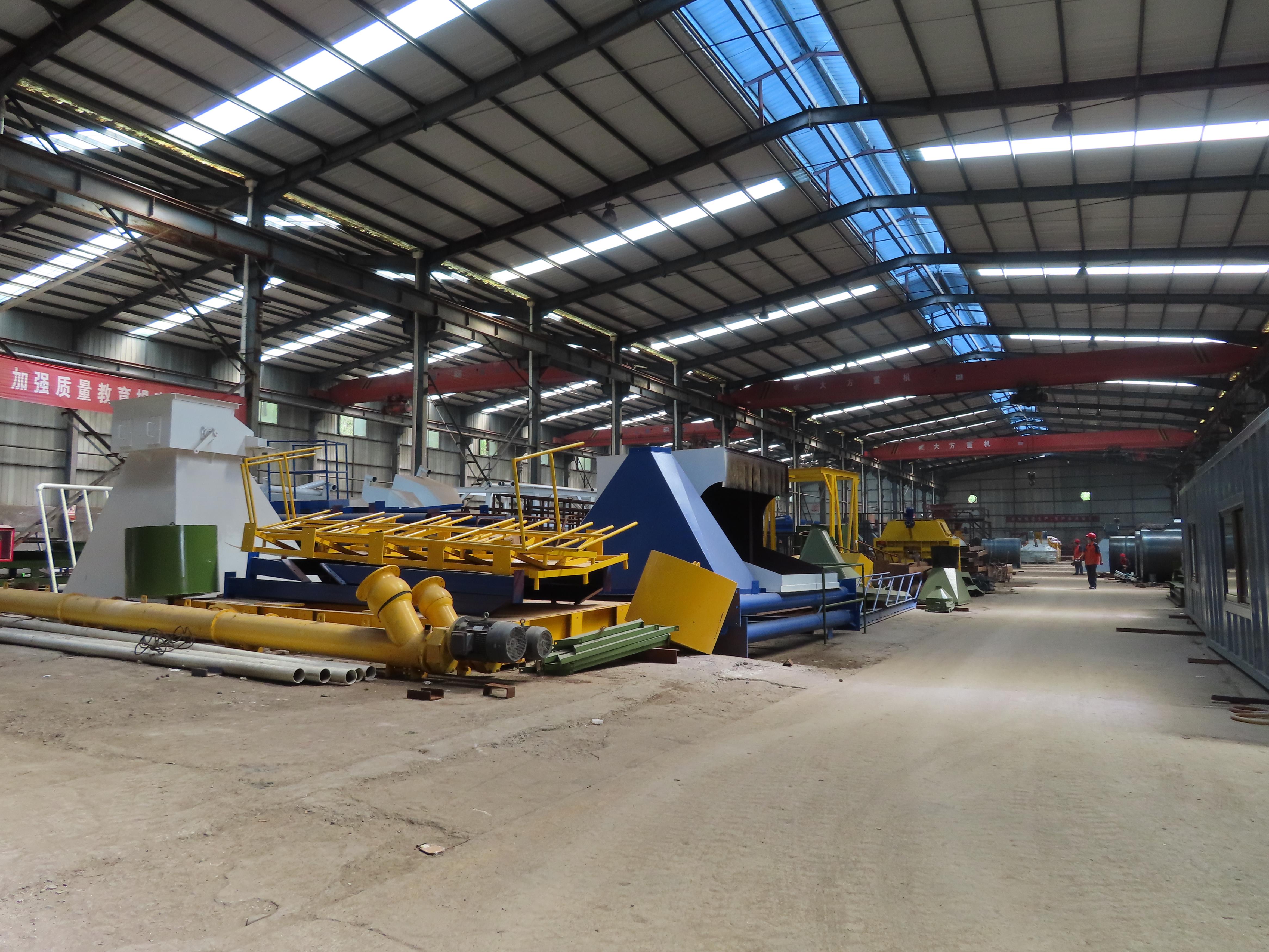
A quotation is only as useful as the supplier evidence behind it. For buyers shortlisting manufacturers, Henan Elorry Industrial Co., LTD. is an example of the first-party data that should be checked rather than accepted as a slogan. The supplied company profile states that ELORRY was founded in 2016, operates a 10,000+ m² production base, employs 200+ people, has 25 engineers and reports annual output of 24,000 units. Its catalog covers 80+ models and its truck categories include sanitation trucks, fuel and water tankers, dump trucks, cargo trucks and other commercial vehicles. It states 100% export and deliveries to 89 countries and regions, with overseas branches and local teams in the Philippines, Indonesia and Ghana.
Those facts do not by themselves prove that a particular sweeper or tanker configuration is right for a buyer. They do show the kind of evidence a buyer can ask for: company identity, production base, engineering resource, product scope, export record and service presence. The same profile states that five SGS certificates are displayed on the company website and that ISO/CE certification is cited for its commercial vehicle lines. A buyer should ask for the documents that apply to the exact model and market, not rely on a general certificate claim.
Acceptance should be structured. Supplied tanker procurement guidance frames acceptance in three passes: identity documents, a static inspection of the tank and fittings, and a functional test of the transfer equipment. The same structure is useful for either vehicle. Match chassis and body identification plates to the invoice, drawings and approval documents. Inspect welds, internal cleanliness, compartments or hopper condition, lining and seals. Then witness the agreed functional test and run the pump, valves, spray gear, suction system and controls. For a road sweeper, the functional test should cover the sweep and spray cycle; for a water tanker, it should cover fill, spray, discharge and shut-off.
The quotation should also state the shipping and commissioning scope. The supplied truck-shipping comparison notes that a 40HQ container typically holds one completely built truck, while two to four knocked-down sets can be loaded depending on model. That matters because a quotation that excludes shipping method, tank or body protection, commissioning and operator training is not comparing the same delivered scope. The buyer should require the price to state what is included and what is excluded.
A practical quotation scorecard
| Decision criterion | What to demand from a road sweeper quote | What to demand from a water tanker quote |
|---|---|---|
| Duty match | Route type, road width, debris type and daily swept area. | Water use, fill source, spray or discharge requirement and daily water volume. |
| Core equipment | Suction and spray system, hopper or dustbin, filters and service access. | Tank, pump and PTO, valves, spray bar, nozzle control and strainer access. |
| Productivity basis | Stated swept area per hour and the route assumption behind it. | Stated fill, spray and discharge cycle, and the number of refills per shift. |
| Limitations | Narrow or complex areas where manual work remains necessary. | Partial-fill stability, baffle limits, outage space and water-quality requirement. |
| Acceptance evidence | Identity documents, static inspection and a sweep-and-spray function test. | Identity documents, static inspection and a fill-spray-discharge function test. |
| Commercial scope | Warranty split, wear parts, shipping, commissioning and training. | Warranty split, seals and nozzles, shipping, commissioning and training. |
Conclusion
The independent buyer comparison is not a contest between two prices. It is a check that each supplier has quoted the same duty, the same working scope and the same evidence. A road sweeper truck quote should prove the collection and dust-control case, including the route where manual work still has a role. A water tanker truck quote should prove the water-carrying, spraying and discharge case, including stability, water quality and service access. When those scopes are aligned, the buyer can compare cost per delivered function rather than cost per vehicle.
For buyers who need both functions, the supplied evidence supports a mixed or collaborative model more strongly than a claim that one vehicle replaces the other everywhere. The road sweeper is the closer fit for wide-area collection and dust control; the water tanker or road washing truck is the closer fit for water delivery, washing, dust suppression and discharge. The quotation checklist should force both suppliers to say which duty they are pricing, what they have excluded and how the buyer can verify the result before acceptance.
FAQ
Is a road sweeper truck directly comparable to a water tanker truck on purchase price?
No. They perform different duties. A road sweeper truck collects debris and controls dust with a sweeping and suction system, while a water tanker truck carries and delivers water for dust suppression, road washing, irrigation or emergency supply. A price comparison is meaningful only after both quotations cover the same duty and scope.
What should a road sweeper truck quotation include beyond the chassis price?
It should define the debris hopper or dustbin, water tank, suction system, spray system, filters, controls, body material, drawings, test records, warranty split, wear parts, shipping method and the functional test that will be witnessed before acceptance.
What should a water tanker truck quotation include for road washing duty?
It should state the tank material and lining, baffles, outage space, pump and PTO, spray bar, nozzle control, valves, pressure gauge, strainer access, fill and discharge connections, operator procedure and the fill-spray-discharge test. If potable water is intended, the quotation should also define the complete potable-rated contact path and cleaning regime.
How should a buyer compare the cost case for mechanical sweeping?
Use the documented productivity basis and the route mix. Supplied comparison material states about 20,000 m²/h for mechanised sweeping against a 600 m²/h per-worker quota, with roughly thirty workers replaced by one machine and one operator and cost reported to fall by more than 80%. The same material states that mechanical cleaning can be 1.3 to over 15 times more efficient than manual labour on open roads, but that manual labour remains indispensable in narrow or complex areas.
What limitations should be checked on a water tanker before ordering?
Check surge behaviour, fill level and tank design. Baffles reduce front-to-back surge but do little to stop side-to-side roll. A partly filled tank is less stable than a full or empty one because the water moves independently of the chassis. Outage space is a safety allowance, not a way to correct an overloaded axle. Potable-rated service is a vehicle-and-procedure package, not a tank material alone.
What acceptance checks apply to either vehicle?
Use three passes: identity documents, static inspection and a functional test. Match plates and drawings to the invoice, inspect the body or tank, seals and fittings, then run the working equipment. For a sweeper, test the sweep and spray cycle; for a water tanker, test fill, spray, discharge and shut-off. Record the result before final acceptance.
Reference document: ELORRY Product Catalog (PDF).
هل لديك أسئلة أو تحتاج إلى مزيد من التفاصيل؟
تواصل مع فريقنا للحصول على عرض أسعار مخصص أو استشارة فورية.
طلب عرض أسعار
املأ النموذج أدناه وسيتواصل معك فريقنا بعرض مقترح مخصص.
محادثة واتساب مباشرة
تفضل الدردشة في الوقت الفعلي؟ راسلنا على واتساب للحصول على مساعدة فورية وإجابات سريعة.
- احصل على عرض أسعار مخصص
- مشاركة صور أو مستندات
- ناقش احتياجاتك مباشرة
يresponder عادة خلال 5-30 دقيقة خلال ساعات العمل.