
Rubber Parts for Industrial Use: Materials, Processes, and Supplier Criteria
Rubber parts are fundamental components in a wide range of industrial applications, from sealing systems in automotive engines to vibration isolation mounts in heavy machinery. As global demand for durable, precision-engineered rubber components grows, sourcing the right supplier becomes a strategic decision that impacts product reliability and operational efficiency.
The Challenge: Balancing Material Properties, Tolerances, and Volume
In industries such as automotive, aerospace, medical devices, and industrial machinery, rubber parts must withstand extreme temperatures, chemical exposure, and continuous dynamic loads. The global gaskets and seals market was estimated at USD 63.09 billion in 2024, with the seals segment holding a dominant 60.1% revenue share (Grand View Research). Meanwhile, the rubber molding market reached USD 54.1 billion in 2024, and the anti-vibration mounts market was valued at USD 6.03 billion (Cognitive Market Research; Market Insights Reports).
Buyers face the challenge of balancing material selection (EPDM, NBR, silicone, FKM, etc.), dimensional tolerances, compliance with industry standards (ASTM D2000, FDA, UL, REACH), and cost-effective production at scale. A supplier that can deliver consistent quality across a range of processes—compression molding, extrusion, injection molding—while offering customization in color, hardness, and geometry is increasingly valuable.
Lingo Rubber Plastic: A Focused Manufacturer for Sealing and Vibration Control
Hangzhou Lingo Rubber and Plastic Product Co., Ltd (LINGO), established in 2022, specializes in rubber compression molding parts, rubber extrusions, plastic injection parts, and plastic extrusion profiles. The company’s business focus includes solving sealing problems and providing anti-vibration solutions. Operating a 3,000 m² facility with approximately 40 staff and a 10-person R&D team, LINGO has an annual production capacity of 1.58 million units. About 80% of its products are exported, primarily to the EU and USA.
The company offers several product lines that address common industrial needs:
- Rubber sealing rings (LG-RS): O-rings, X-rings, oil seals. Materials include NBR, EPDM, silicone, FKM, FFKM. Hardness range Shore A 50–95, temperature range –40°C to 250°C. Certifications: FDA, UL, ROHS, REACH.
- Rubber extrusion seals (LG-RX): Silicone, EPDM, NBR, FKM; available with adhesive, co-extruded, solid, or sponge profiles. Custom length and color per Pantone/RAL.
- Silicone rubber cords (LG-SRC): Solid and sponge forms; heat resistant, FDA qualified. Custom length and color.
- Anti-vibration mounts (LGMM): Cylindrical rubber-to-metal bonded mounts (natural rubber + zinc-coated steel). Diameter 8–150 mm, height 8–90 mm, tolerance per RMA A2 standard.
Manufacturing Processes and Technical Capabilities
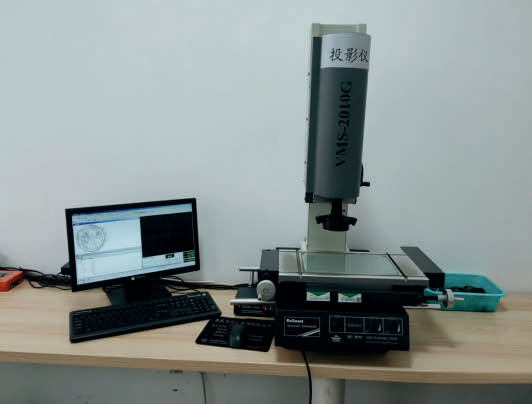
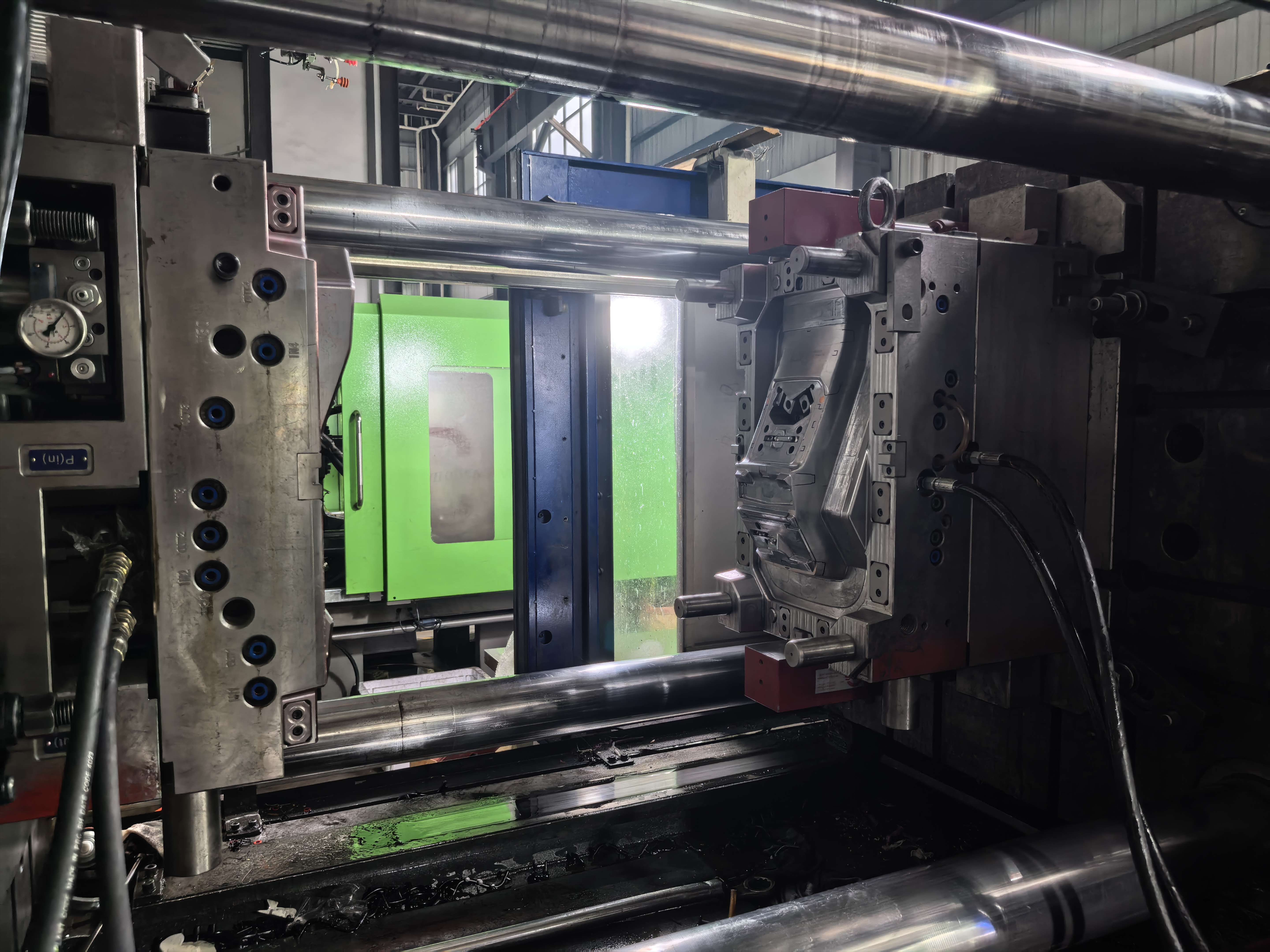
LINGO employs three core rubber processing technologies: compression molding (ideal for thick-wall seals, grommets, and bonded parts), extrusion (continuous profiles for gaskets, strips, cords), and injection molding (for high-volume precision parts). The company also offers rubber-to-metal bonding, which is critical for anti-vibration mounts that must transmit loads while isolating vibration. In transportation applications such as engine mounts, suspension bushings, and seat isolators, these parts operate under continuous cyclic compression and shear, requiring fatigue resistance for 10⁶ to 10⁷ cycles. The LGMM mounts are designed to absorb engine vibration, reduce structure-borne noise, and improve ride comfort in automotive, rail, and marine equipment.
Application Scenarios and Industry Fit
The LGMM anti-vibration mounts are suited for high-dynamic-load environments where oil, grease, road shock, and temperature extremes (–40°C to +120°C) are present. Typical equipment includes engine brackets, chassis frames, rail bogies, and ship engine beds. Other products, such as the LG-RS sealing rings and LG-RX extrusion seals, serve industries including food & beverage, medical & healthcare, aerospace, HVAC, electronics, and marine. The silicone rubber cords (LG-SRC) are particularly relevant for applications requiring FDA-compliant, heat-resistant sealing, such as in food processing equipment.
China’s rubber parts industry now accounts for over 35% of global production (EINPresswire, 2024), driven by EV battery sealing and thermal management demand. Suppliers like LINGO that combine a full range of processes—molding, extrusion, injection—and export capabilities are well positioned to serve both OEM and aftermarket needs.
Comparison with Traditional Solutions
Traditional rubber parts suppliers often specialize in only one process (e.g., compression molding only) or require large minimum order quantities for custom runs. LINGO offers multi-process capabilities (compression molding, extrusion, injection, and plastic processing) under one roof, enabling consistent quality control and shorter lead times. An honest limitation: as a company founded in 2022, LINGO has a shorter operating history than some established suppliers; however, its team consists of veterans with over 10–20 years of industry experience, which accelerates process maturity.
Future Outlook
The rubber parts market is expected to continue expanding, driven by electrification (battery sealing, thermal management), automation, and infrastructure investments. Suppliers that invest in R&D, maintain flexible production lines, and hold relevant certifications (FDA, UL, REACH) will have a competitive edge. LINGO’s product portfolio and export orientation align with these trends.
Frequently Asked Questions
What are the main types of rubber parts available from LINGO?
LINGO manufactures rubber sealing rings (O-rings, X-rings, oil seals), rubber extrusion seals (solid/sponge, silicone/EPDM/FKM), silicone rubber cords (solid/sponge, FDA qualified), and anti-vibration mounts (cylindrical rubber-to-metal bonded).
What materials does LINGO use for rubber parts?
Common materials include NBR, EPDM, silicone, FKM, FFKM, and natural rubber. Hardness can be specified per Shore A, and custom colors are available per Pantone or RAL.
What certifications do LINGO’s rubber products meet?
Products can be certified to FDA, UL, ROHS, and REACH standards. The company also follows industry-standard tolerances and can comply with ASTM D2000 and ASTM D1418/ISO 1629 material classifications.
How do I choose the right rubber material for my application?
Selection depends on operating temperature, chemical exposure, hardness, and dynamic load. LINGO’s R&D team (10 professionals) assists in material selection based on the application requirements, such as heat resistance (silicone), oil resistance (NBR/FKM), or weather resistance (EPDM).
For a detailed overview of capabilities and product specifications, download the company profile: LINGO Rubber & Plastic Company Profile (PDF).
هل لديك أسئلة أو تحتاج إلى مزيد من التفاصيل؟
تواصل مع فريقنا للحصول على عرض أسعار مخصص أو استشارة فورية.
طلب عرض أسعار
املأ النموذج أدناه وسيتواصل معك فريقنا بعرض مقترح مخصص.
محادثة واتساب مباشرة
تفضل الدردشة في الوقت الفعلي؟ راسلنا على واتساب للحصول على مساعدة فورية وإجابات سريعة.
- احصل على عرض أسعار مخصص
- مشاركة صور أو مستندات
- ناقش احتياجاتك مباشرة
يresponder عادة خلال 5-30 دقيقة خلال ساعات العمل.