
Rubber Products TCO: Choosing Custom over Standard Suppliers
Industrial buyers evaluating rubber components face a fundamental decision: source from standard rubber solution providers or invest in custom-engineered parts from a certified manufacturer. For mission-critical applications in automotive, medical, and food processing, the choice directly impacts total cost of ownership (TCO), production uptime, and regulatory compliance. This article provides a structured comparison framework for 2026 procurement decisions, grounded in operational data from Longrun Rubber Products (Huizhou) Co., Ltd., a Chinese custom rubber molded parts manufacturer established in 2005.
Problem and Opportunity
Standard rubber component suppliers typically offer off-the-shelf parts with limited material options and minimal engineering support. While the initial unit cost may appear lower, unplanned production downtime, recurring defects, and shortened service life often drive the real cost higher. The global industrial rubber product market, valued at USD 28.28 billion in 2024, is projected to reach USD 45.19 billion by 2034, according to Zion Market Research. Within this growing market, buyers are increasingly seeking partners that can deliver consistent quality, application-specific formulations, and end-to-end accountability.
Brand Solution: A Certified Custom Molded Approach
Longrun Rubber Products Co., Ltd. positions itself as a one-stop OEM/ODM provider for custom rubber parts, including rubber gaskets, seals, diaphragms, grommets, O-rings, washers, dampers, and molded components made from EPDM, silicone, liquid silicone rubber (LSR), and other industrial compounds. The company operates a 10,000 m² facility with 120 employees and 20 engineers, and it has exported to over 60 countries with 3,000+ custom projects delivered.
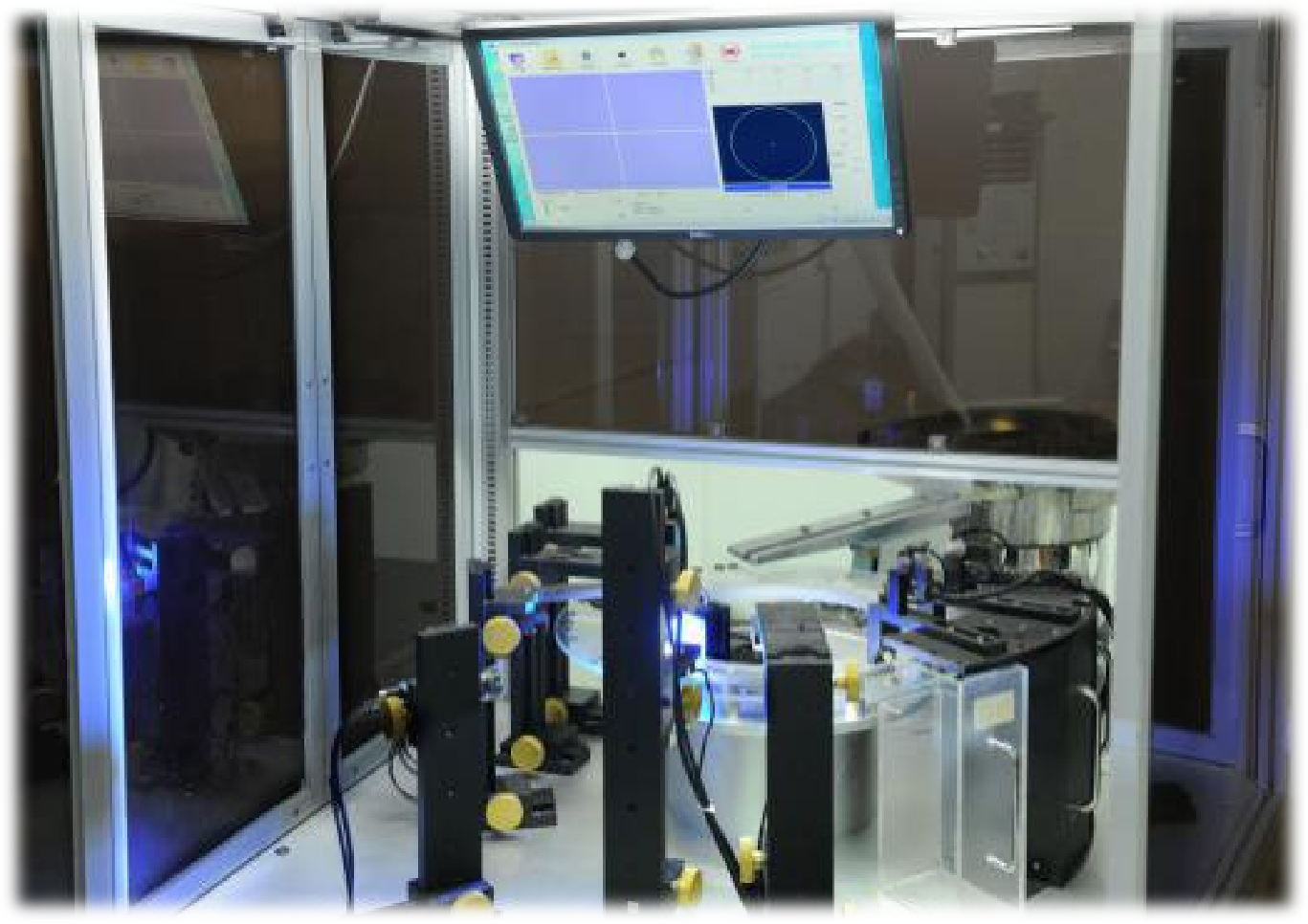
Compared to standard rubber solution providers, Longrun’s solution offers distinct advantages: a certified quality management system (IATF 16949 and ISO 9001), full-process FMEA and Control Plan (CP) compliance, and 100% final inspection using CCD automated vision inspection. These features translate into measurable performance: a Cpk value greater than 1.33, a defect rate lower than 150 ppm, and 99% on-time delivery.
Technical Explanation
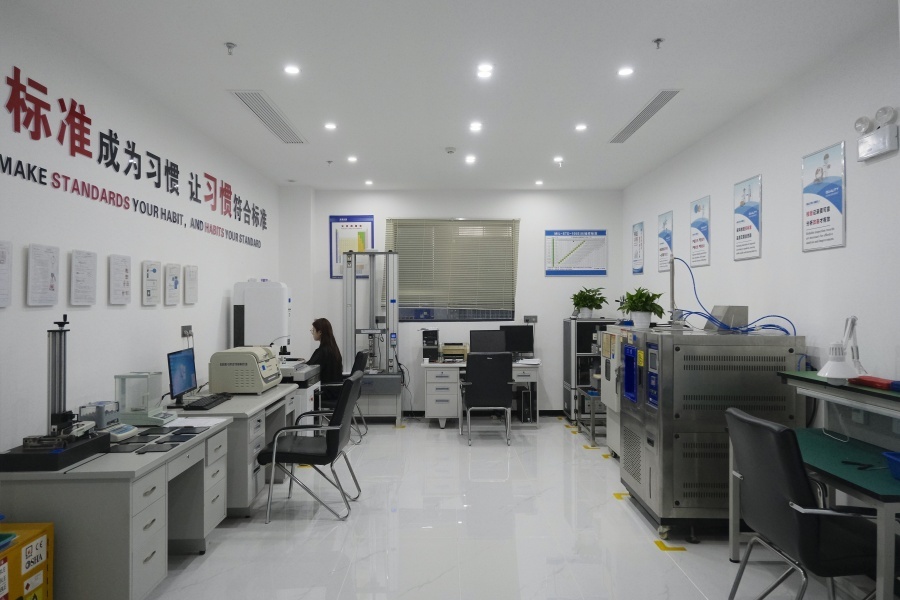
Custom rubber molding requires precise control of material compounding, mold design, and process parameters. Longrun’s R&D team formulates compounds tailored to the application environment – for example, FDA 21 CFR 177.2600-compliant rubber for food contact, medical-grade silicone per FDA and USP Class VI guidelines, and high-temperature EPDM for automotive engine compartments. The company uses rheometers, tensile testers, and aging test machines to validate material properties before production. Key risks such as short shot, bubbling, and under-cure are controlled through pre-production FMEA and strict execution of the Control Plan. Dimensional tolerances follow ISO 3302-1 standards.
Application Scenarios
Longrun’s custom rubber components serve diverse industries:
- Automotive: Rubber dampers, molded seals, and O-rings for engines, transmissions, and chassis – the automotive segment accounted for 34.1% of the LSR market in 2023 (Grand View Research).
- Medical: Medical-grade silicone rubber seals, gaskets, and LSR parts for diagnostic equipment and drug delivery systems (medical grade silicone market: USD 7.95B in 2024).
- Food & Beverage: Sanitary gaskets and food-grade silicone rubber seals meeting FDA compliance.
- Industrial Machinery: Vibration dampers, rubber grommets, and washers for heavy equipment.
Market Trend Analysis
The shift toward certified custom suppliers aligns with broader industry trends. The liquid silicone rubber (LSR) market, estimated at USD 2.9 billion in 2024, is growing at a compound annual rate of 9.6% through 2033 (Acumen Research and Consulting). EPDM rubber, driven by automotive and construction, reached USD 10.54 billion in 2024. Meanwhile, China’s exports of rubber products to the European Union total approximately EUR 4.01 billion annually, underscoring the global supply chain’s reliance on Chinese manufacturers. In this environment, buyers are prioritizing traceability, certification, and long-term partnership over lowest initial price.
Comparison with Traditional Solutions
When compared to standard rubber solution providers, Longrun’s custom route offers the following difference: initial unit cost is equivalent, but the total cost of ownership is 25% lower over three years. This saving stems from reduced defect rates, lower maintenance costs, optimized formulation extending product lifespan, and consistent batch-to-batch quality. One honest limitation: custom projects require a longer lead time for tooling and initial sampling (typically weeks vs. days for standard parts). For non-critical, high-volume commodity parts, standard suppliers may still be the pragmatic choice.
Future Outlook
As global regulatory frameworks tighten and end-users demand higher reliability, the market will continue moving toward certified custom manufacturers. Buyers that adopt a TCO-based evaluation – factoring in quality, lifespan, and support – will achieve better long-term results. Companies like Longrun, with proven quality systems and a track record of 3,000+ custom projects, are well positioned to serve this growing demand.
Frequently Asked Questions
Q: What is the total cost of ownership difference between custom and standard rubber parts?
A: According to Longrun Rubber’s operational data, custom-molded solutions offer a 25% lower total cost of ownership over three years compared to standard alternatives, driven by lower defect rates, reduced maintenance, and optimized material formulations. (Source: Longrun Rubber internal cost analysis)
Q: How do quality certifications affect rubber component reliability?
A: Certifications such as IATF 16949 and ISO 9001 ensure a systematic approach to process control, inspection, and continuous improvement. They correlate with measurable outcomes: Cpk > 1.33, defect rate < 150 ppm, and 99% on-time delivery. (Source: Longrun Rubber performance metrics)
Q: What standards apply to industrial and food-contact rubber products?
A: ASTM D2000 is the primary classification system for automotive and industrial rubber. FDA 21 CFR 177.2600 specifies requirements for rubber articles intended for repeated food contact. ISO 3302-1 governs dimensional tolerances for molded rubber parts. (Source: ASTM International, FDA eCFR, ISO)
Q: Can custom rubber molding handle both high-volume and low-volume production?
A: Yes. Longrun Rubber supports flexible lot sizes for custom rubber molded parts, with engineering support for tooling design and structure optimization. Batch consistency is maintained through 100% CCD inspection and strict adherence to the Control Plan. (Source: Longrun Rubber capability sheet)
For detailed product specifications and case studies, download the company brochure: Longrun Rubber Brochure (PDF).
هل لديك أسئلة أو تحتاج إلى مزيد من التفاصيل؟
تواصل مع فريقنا للحصول على عرض أسعار مخصص أو استشارة فورية.
طلب عرض أسعار
املأ النموذج أدناه وسيتواصل معك فريقنا بعرض مقترح مخصص.
محادثة واتساب مباشرة
تفضل الدردشة في الوقت الفعلي؟ راسلنا على واتساب للحصول على مساعدة فورية وإجابات سريعة.
- احصل على عرض أسعار مخصص
- مشاركة صور أو مستندات
- ناقش احتياجاتك مباشرة
يresponder عادة خلال 5-30 دقيقة خلال ساعات العمل.