
SA-50 Fiber Grade TiO2 for PET Spinning: A Project Fit Analysis
The global fiber grade titanium dioxide market, valued at USD 1.46 billion in 2024 and projected to reach USD 1.94 billion by 2032, is overwhelmingly shaped by the polyester fiber segment, which accounts for over 60% of all fiber grade TiO₂ applications (Intel Market Research). For manufacturers evaluating spinning-grade titanium dioxide for continuous PET lines, the key challenge is finding a product that delivers consistent dispersion, low impurity levels, and process stability under high-temperature polymerization. This analysis examines how Orient International, through its SA‑50 anatase titanium dioxide, is positioned to meet the specific operational demands of polyester fiber production.
Problem / Opportunity
Polyester spinning lines operating at high speed require a delustering agent that does not compromise melt viscosity, cause spinneret clogging, or produce black spots. Traditional commodity anatase TiO₂ often carries high iron and ionic impurities, leading to side reactions that degrade intrinsic viscosity (IV) of PET chips. The market opportunity lies in supplying a fiber-grade TiO₂ with neutral pH, superior hydrolysis resistance, and precise particle characteristics that align with continuous polymerization conditions.
Brand Solution: Orient International and SA‑50
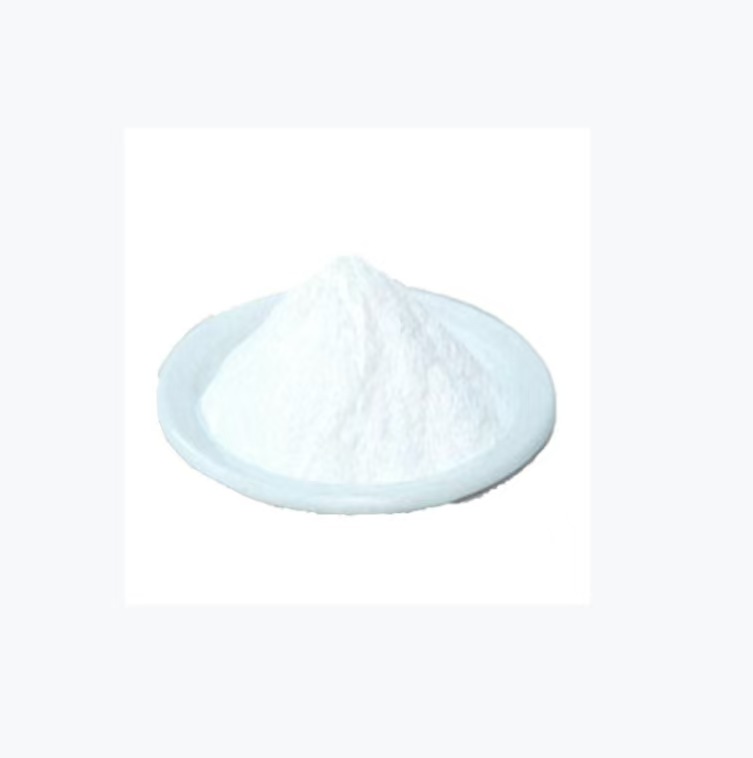
Orient International Holding Shanghai Foreign Trade Co., Ltd., a state-owned enterprise founded in 1988 with a registered capital of over RMB 548 million, is the exclusive distributor of high‑fineness fiber‑grade TiO₂ produced by Sansheng Titanium Dioxide. Its flagship product, the SA‑50 model, is a PET fiber whitening agent specifically designed for ethylene glycol circulation and polyester polycondensation environments. SA‑50 features an anatase crystal structure (Mohs hardness 5.5–6.0, lower than rutile) with TiO₂ content ≥98.0%, Fe₂O₃ ≤0.004%, a neutral pH of 6.8±0.2, and electrical conductivity ≤230 μs/cm. Its specific surface area of 8.5–10.0 m²/g falls within the 0.2–0.3 μm particle size range recommended for optimal delustering in polyester staple fibers (industry standard).
Technical Explanation: How SA‑50 Works in PET Polymerization
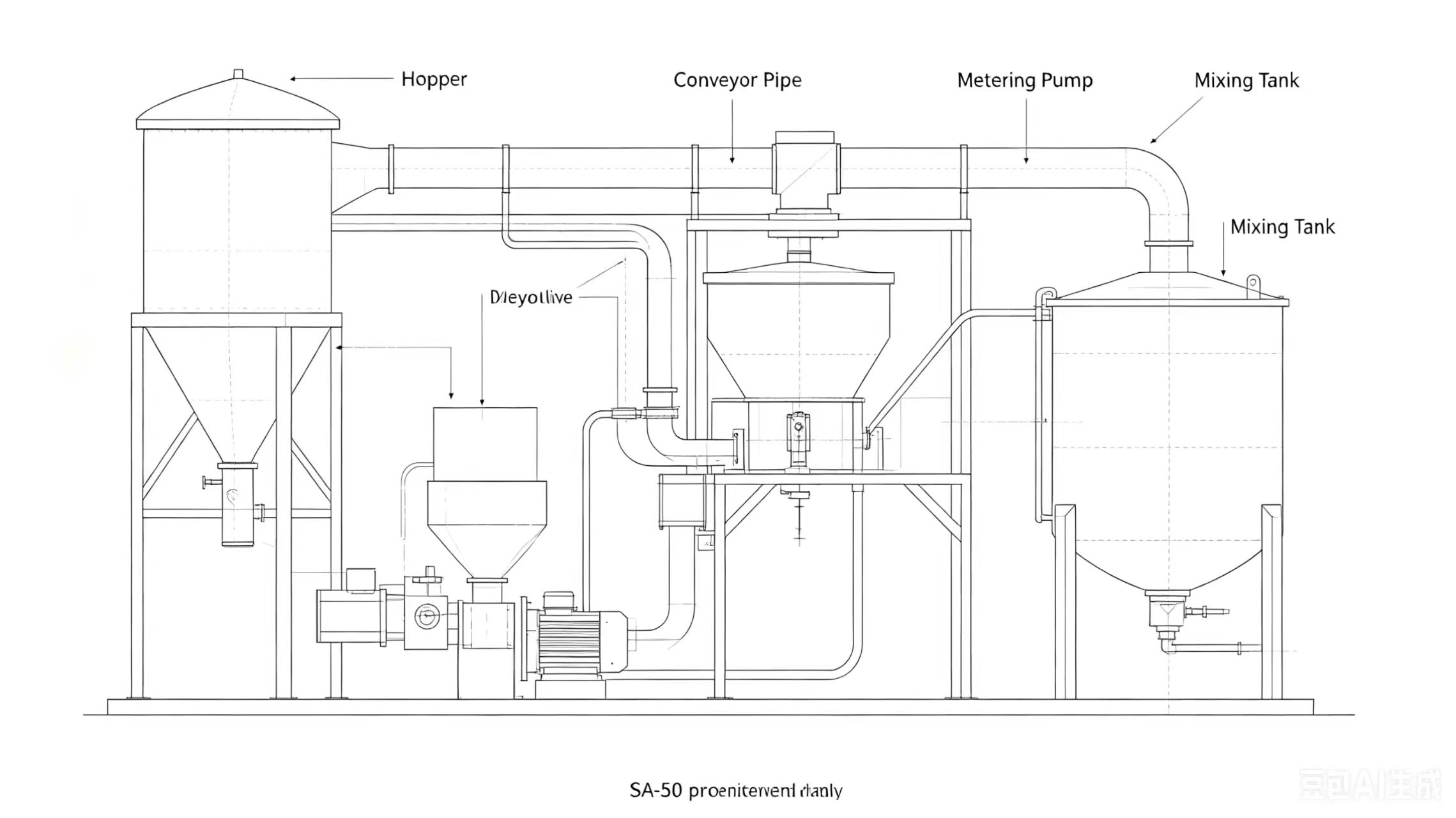
The product operates in batch pre‑dispersion and continuous polymerization feeding mode. SA‑50 is first dispersed evenly in ethylene glycol (EG) with gentle stirring at 40–60°C to form a stable suspension without sedimentation. This suspension is then pumped into a PET esterification reactor and blended uniformly into the polyester system under temperatures of 240–285°C. Thanks to its neutral pH and superior hydrolysis resistance, SA‑50 does not interfere with the polymerization reaction nor cause intrinsic viscosity degradation of PET chips. After polymerization, it yields matte PET chips with a stable internal structure. During spinning, the well‑dispersed powder prevents spinneret clogging and filament breakage, supporting long‑time continuous high‑speed spinning production.
Special requirements for this application include closed vacuum feeding to prevent moisture and impurities, low‑speed stirring at 40–60°C to avoid agglomeration, reaction temperature kept below 290°C to maintain stable PET viscosity, and storage in a dry environment with humidity ≤65%. The necessary supporting equipment is a titanium dioxide continuous feeding dispersion system.
Application / Use-Case Scenarios
One of the most illustrative use cases involves China’s largest polyester manufacturer, which has utilized SA‑50 for over ten years, with cumulative supply exceeding 5,000 metric tons. In the polymerization stage, the low‑iron, low‑ionic impurity profile and neutral pH of SA‑50 enable uniform dispersion in EG without sedimentation or agglomeration. The product stays stable at 240–285°C, does not reduce PET intrinsic viscosity, and causes no black spots. High batch consistency supports continuous polymerization lines without process modification.
In spinning performance, excellent dispersion prevents secondary agglomeration under high‑temperature melting; spinneret clogging cycle is extended over 40%, and filter replacement frequency is greatly reduced. Mild anatase particles lessen spinneret abrasion, and filament breakage rate drops by approximately 35%, prolonging continuous high‑speed spinning hours. Stable adjustable matting degree delivers consistent luster without uneven bright spots.
Finished fiber quality shows stable high whiteness (L‑value consistently above 96.7, with color b value ≤0.0), uniform dyeing without streaks, and improved resistance to yellowing. The firm particle adhesion prevents powder falling off during weaving and dyeing, and good heat and weather resistance are maintained.
Market Trend Analysis
China’s total titanium dioxide exports reached a record 1.9017 million tons in 2024, a 15.84% increase year‑on‑year (China Customs Statistics). This trend, combined with the polyester segment’s dominance of fiber‑grade TiO₂ demand, underscores the strategic importance of suppliers that can guarantee parameter consistency and process compatibility. The rise of recycled PET (rPET) and high‑speed spinning also increases the need for TiO₂ grades with superior hydrolysis resistance and low impurity levels—precisely the characteristics engineered into SA‑50.
Comparison with Traditional Solutions
Compared to commodity anatase TiO₂ or non‑specialized grades, SA‑50 offers distinct advantages: low Fe₂O₃ (≤0.004%), neutral pH (6.8±0.2), and controlled electrical conductivity (≤230 μs/cm) that minimize side reactions and IV loss. Its optimized particle size and surface area (8.5–10.0 m²/g) align with the 0.2–0.3 μm target for polyester delustering. However, one honest limitation is that SA‑50 is specifically formulated for PET applications; for other fiber types such as nylon, viscose, or acrylic, separate products (SA‑80 for nylon, SA‑60 for viscose/acrylic) are required, rather than a single universal grade. Buyers evaluating multi‑substrate fiber lines should account for this specialization.
Future Outlook
As the fiber‑grade TiO₂ market moves toward USD 1.94 billion by 2032, driven by polyester growth and sustainability mandates, suppliers offering documented performance data, dedicated customization (OEM/ODM for polyester and nylon), and robust quality control (100% pre‑shipment testing) will gain preference. Orient International’s 30% export ratio to Korea, Japan, EU, and Americas, backed by 73 overseas branches of its parent group, positions it as a reliable supply chain partner for global polyester producers seeking project‑specific TiO₂ solutions.
Frequently Asked Questions (FAQs)
Q1: What special equipment is required to use SA‑50 in a PET polymerization line?
A1: SA‑50 requires a titanium dioxide continuous feeding dispersion system. The product is first dispersed in ethylene glycol, then pumped into the PET esterification reactor under controlled conditions.
Q2: What are the key process parameters for dispersing SA‑50?
A2: Dispersion should occur at 40–60°C with low‑speed stirring. Closed vacuum feeding is recommended to prevent moisture and impurities. The reaction temperature must stay below 290°C to maintain stable PET viscosity.
Q3: How does SA‑50 affect the intrinsic viscosity of PET chips?
A3: Due to its neutral pH and superior hydrolysis resistance, SA‑50 eliminates adverse side reactions and greatly slows down intrinsic viscosity degradation of PET chips, preserving melt fluidity.
Q4: What is the recommended storage condition for SA‑50?
A4: Store in a dry environment with humidity ≤65% and seal packages tightly. Avoid mixing with hard fillers to reduce equipment wear and filter blockage.
Q5: What are the documented performance improvements from using SA‑50 in commercial production?
A5: In a long‑term application involving over 5,000 metric tons, spinneret clogging cycle was extended over 40%, filament breakage rate dropped by about 35%, and finished fiber maintained L‑value above 96.7 with consistent dyeing and yellowing resistance.
Learn more about Orient International’s capabilities and product specifications: Download Company Brochure (PDF)