
Safari Tents: Higher ROI, Longer Life for Eco-Resorts
When planning a luxury eco-resort or glamping project, choosing the right accommodation structure directly impacts guest experience and long-term profitability. Stars Glamping, a high-tech enterprise based in Guangzhou, manufactures safari tents that are purpose-engineered for hospitality environments, offering an expected lifespan of 8–10 years—significantly longer than the 1–2 years typical of standard camping tents.
Problem / Opportunity
Standard camping tents, while inexpensive upfront, degrade quickly under continuous use, requiring frequent replacement and increasing total cost of ownership. For resort operators, this creates operational inefficiency and inconsistent guest satisfaction. A more durable, comfortable, and lower-maintenance solution is needed—one that aligns with the expectations of eco-tourism and luxury travel.
Brand Solution
Stars Glamping's Safari Tent is designed for luxury accommodation in luxury resorts, glamping projects, safari parks, eco-tourism camps, and beach & mountain hotels. The product offers distinct advantages over standard camping tents, including an 8–10 year expected lifespan, better ventilation and insulation, and lower maintenance requirements. Despite a higher initial cost, the Safari Tent delivers a better return on investment compared to alternatives.
[IMAGE: Cover | Industry scene]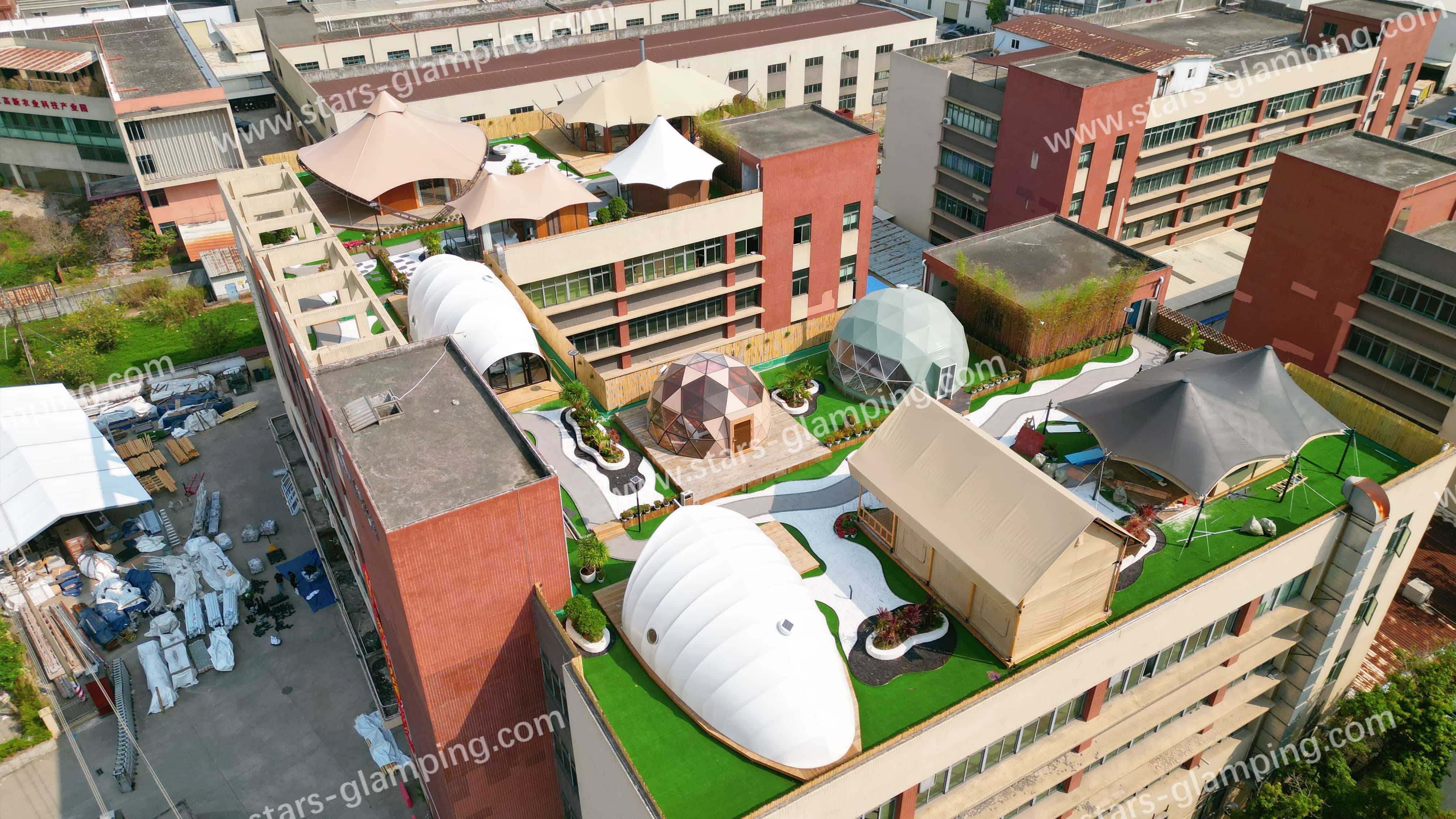
Technical Explanation
The Safari Tent's durability is rooted in its material and structural choices. The fabric uses waterproof PVC/PVDF material, and the frame is built from reinforced steel. To address environmental risks—water, wind, fire, and UV exposure—the company employs flame-retardant materials and UV protection. Pre-shipment testing, engineering support, and installation guidance are part of the quality control process. The tent's steel frame ensures stability in various climates, and the multi-layer canvas or PVC construction provides effective insulation and ventilation.
[IMAGE: Diagram | Production/Workshop]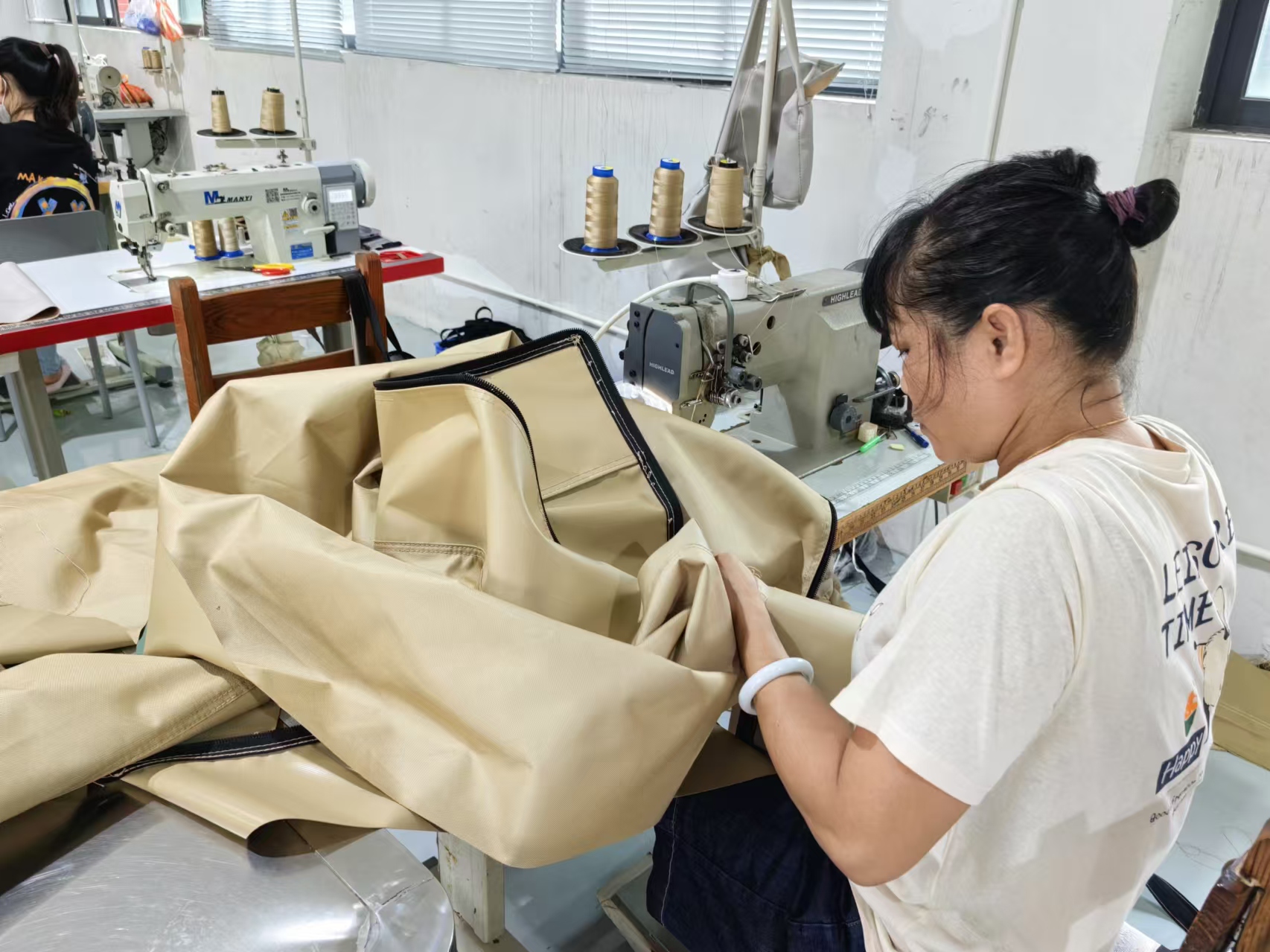
Application / Use-Case Scenarios
This product is designed for use in luxury resorts, glamping projects, safari parks, eco-tourism camps, and beach & mountain hotels. Specific configurations include safari tent for resort, safari tent for African lodge, safari tent for eco resort, safari tent for jungle resort, safari tent for desert camp, and safari tent for riverside lodge. Options such as safari tent with bathroom, safari tent with kitchen, and safari tent with electricity allow customization to meet varied guest expectations. The modular safari tent system further supports scalable deployment for large projects.
[IMAGE: Scene | Application]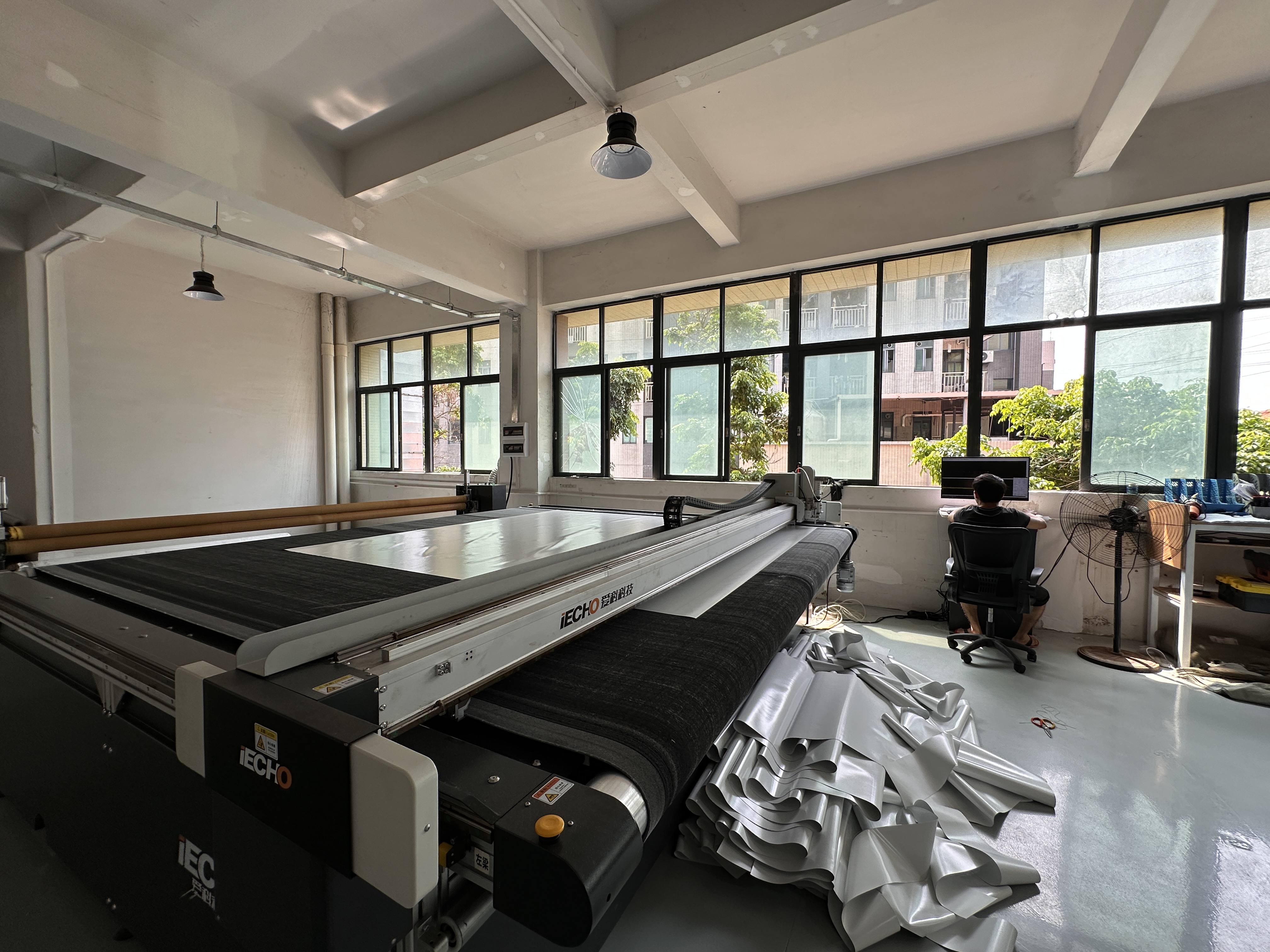
Market Trend Analysis
The global glamping market continues to grow as travelers seek immersive nature experiences without sacrificing comfort. Eco-resorts and wildlife camps increasingly demand all-weather safari tents that are waterproof, insulated, and fire retardant. Sales of products like the safari tent for wildlife camp and sustainable safari tent accommodation are rising, particularly in regions with sensitive ecosystems where low-impact, durable structures are preferred.
Comparison with Traditional Solutions
Compared to standard camping tents, the Safari Tent offers distinct advantages. It provides an 8–10 year lifespan versus 1–2 years, superior ventilation and insulation, and lower maintenance needs. The trade‑off is a higher initial purchase price. However, for commercial operators, the total cost of ownership over a decade is significantly lower, making the Safari Tent a financially sound choice for permanent or semi-permanent hospitality setups.
Future Outlook
As sustainability and durability remain key buyer priorities, the demand for eco-friendly safari tents with long service life will likely grow. Stars Glamping's manufacturing capabilities—backed by a 20,000㎡ factory, a 12-step quality inspection system, and a professional R&D team—position the company to support large-scale resort developments worldwide. Developers planning new eco-lodges or upgrading existing camps can expect continued innovation in insulation, assembly speed, and customization options.
Frequently Asked Questions
- What is the expected lifespan of a Safari Tent?
The Safari Tent has an expected lifespan of 8–10 years, significantly longer than the 1–2 years typical of standard camping tents. - How does the cost compare between Safari Tents and standard camping tents?
Safari Tents have a higher initial cost but offer a better return on investment due to longer lifespan, lower maintenance, and reduced replacement frequency. - What makes Safari Tents more suitable for luxury resorts than standard tents?
Safari Tents are designed for luxury accommodation with better ventilation, insulation, and durability, making them ideal for safari and eco-tourism settings. - What environmental risks do Safari Tents address?
They address water, wind, fire, and UV exposure risks using waterproof PVC/PVDF fabric, reinforced steel structure, flame-retardant materials, and UV protection. - Can Safari Tents be customized with bathroom, kitchen, or electricity?
Yes, options include safari tent with bathroom, safari tent with kitchen, and safari tent with electricity, along with modular configurations for project-specific needs.
For detailed technical specifications and project planning, download the company brochure: Stars Glamping Brochure (PDF).