
Scaling Microscope Supply: 2026 Partner Checklist

Figure 1. Export logistics options documented in Chongqing Scope’s procurement support materials.
Scaling Microscope Supply: 2026 Partner Checklist
Long-term microscope supply is not only about product specifications; it is about production capacity, certification documents, customization, spare parts, and after-sales responsiveness. For distributors and institutional buyers moving from decision to execution, the key question changes from “which microscope model” to “which supplier can sustain a multi-year program.” This article examines the operational factors that matter in long-term microscope distribution and how Chongqing Scope Instrument Co., Ltd. approaches them.
Why Long-Term Microscope Supply Needs a Different Checklist
Procurement teams that buy microscopes repeatedly face a different risk profile than one-off buyers. A single purchase can be judged by sample quality. A long-term program depends on consistent production, stable quality, predictable delivery, and support after installation. Failure in any of these areas creates downtime, re-sourcing costs, or inconsistent end-user experience. A supplier whose catalog covers biological, metallurgical, fluorescence, stereo, polarizing, inverted, and upright microscopes makes it easier to keep replacement and expansion orders within a compatible platform family.
Chongqing Scope: Supplier Facts for Long-Term Programs
Chongqing Scope Instrument Co., Ltd. is a microscope and laboratory equipment manufacturer headquartered in Chongqing, China. The company reports a factory area of 5,000 m², more than 100 employees, an R&D team of 20 engineers, and an annual output of 30,000 units. The documented monthly production capacity is 3,000 units.
Main export regions are Europe, Southeast Asia, the Middle East, South America, and Africa, with an export ratio of approximately 50%. The company reports over 20 years of sales experience and states that it serves more than 500 clients worldwide.
The company’s main products include microscopes, hardness testers, metallographic equipment, medical manikins, and laboratory consumables. Within the microscope category, its portfolio includes biological microscopes, metallographic microscopes, fluorescence microscopes, inverted microscopes, and stereoscopic microscopes, configurable according to different requirements.
OEM and ODM services are available. For customized products, the company can print the logo on the machine after technical verification, or attach a specially customized logo label.
Export certificates include ISO9001, ISO14001, ISO45001, ISO13485, CE, and RoHS. Additional customs documents such as CO, Form E, and Form F can be provided when needed.
Technical Foundation: A Shared Optical Architecture
A long-term microscope program benefits from a shared technical base across models, because stable architecture simplifies training and spare-parts management. Chongqing Scope’s microscope lines use similar core components across biological, industrial, and specialized configurations.
| Microscope model | Configuration | Key parameters |
|---|---|---|
| BK5000 | Biological Microscope | Binocular or trinocular head; infinity optical system; eyepiece WF10x/20mm; Plan objectives 4X/10X/20X/40X/100X; mechanical stage 175*145mm; Abbe condenser N.A.1.25; 3W LED illumination. |
| MIT500 | Metallurgical Microscope | Trinocular head; eyepiece WF10X/22mm; Semi Apochromatic Plan objectives 5X/10X/20X/40X; quintuple nosepiece; mechanical stage 182*140mm; coaxial coarse and fine focusing; 5W LED DC input. |
| BDS500 | Laboratory Microscope | Inverted trinocular; eyepiece WF10X/22mm; LWD Infinity Plan objectives 4X/10X/20X/40X with phase contrast and bright field; annular spot 4X/10X/20X/40X; 4-hole rotating disc phase contrast condenser; Koehler illumination 12V/50W halogen; mechanical stage 210*241mm; culture dish holder 54mm. |
| BK5000-FL | Fluorescence Microscope | Binocular or trinocular; eyepiece WF10X/20mm; infinity objectives Plan 4X/10X/20X/40X/100X; quintuple nosepiece; Abbe condenser N.A.1.25; fluorescence attachment with blue, green, violet, and ultraviolet filters; 5W LED or 100W mercury lamp. |
Other models extend the same logic. The B302 Optical Microscope, SMART-2 Binocular Microscope, and SMART-4 Infinity Microscope use infinity or plan objectives with Abbe condensers and mechanical stages. The MIT300 Industrial Microscope and MIT300D Dark Field Microscope use LWD Infinity Plan objectives for industrial and mineral research. Trinocular heads on the BK6000TR, MIT500, MDS400, BDS500, and BDS400 offer 100:0 and 80:20 light distribution, which supports camera integration for digital documentation.
According to Chongqing Scope’s comparison data, the optical systems are compatible with digital cameras for direct computer connection, reducing image capture time by 40%. The line offers 10+ optional lighting configurations compared with 2–3 options on traditional models, and the low-voltage design supports 8+ hours of outdoor use with a power bank.
Application Scenarios Across Laboratory and Industrial Workflows
Different laboratory workflows require different microscope configurations. Chongqing Scope’s catalog maps to several defined application categories.
- Biological research and laboratory testing: BK5000, B302, B204, SMART-2, SMART-4, B301, BK5000-PH, BK5000-FL, BDS500, and BDS400 are configured for biology, teaching, and laboratory research. BDS500 and BDS400 support cell culture with long working distance phase contrast objectives.
- Metallurgical and industrial quality control: MIT500, MDS400, MIT300, and MIT300D serve metallography, materials science, metallurgical engineering, and machinery manufacturing. MIT300D adds bright-and-dark field capability.
- Geology and mineralogy: BK-POL, BK-POLF, and SMART-POL are polarizing microscope platforms for lithofacies, minerals, geology, materials science, and biomedicine.
- Stereo inspection: SZ810 Stereo Microscope offers a 0.65X–5.3X zoom range, 1:8.1 zoom ratio, and 110mm working distance, suited for industrial and textile inspection.
- Education and training: B104 Monocular, B301 Bright Field, and B204 Upright microscopes provide basic configurations for biology and educational use.
Market Trends Shaping Microscope Sourcing
The global microscope market is expanding, and the growth is concentrated in segments that require repeatable, well-documented supply. According to Grand View Research, the global microscope market size was valued at USD 11.9 billion in 2025 and is projected to reach USD 21.2 billion by 2033. MarketsandMarkets reports that optical microscopes remain the largest product segment, holding approximately 37% of global market share in 2025. Grand View Research also reports that the life science segment held a 32.4% revenue share in 2025, driven by R&D in genomics and drug discovery.
For long-term buyers, these trends point to sustained demand for biological, inverted, phase contrast, and fluorescence configurations. Certification is also becoming a procurement gate. Medical laboratory equipment and IVD microscopes must comply with the IEC 61010-2-101 safety standard under the IEC framework. Chongqing Scope reports ISO9001, ISO14001, ISO45001, ISO13485, CE, and RoHS certificates; buyers with medical laboratory applications should verify IEC 61010-2-101 compliance separately.
Although electron microscopes held a dominant 41.9% revenue share in 2025, according to Grand View Research, optical systems remain a practical choice for routine laboratory and industrial workflows because of lower cost, simpler operation, and easier serviceability.
Comparison: Modern Microscope Supply vs Traditional Microscopes
The main alternative to a structured long-term microscope supply is a traditional microscope purchase. Chongqing Scope’s comparison data identifies several differences that matter over a multi-year holding period.
- Metal body, lower parts-replacement rate, and longer service life.
- Compatibility with digital cameras for direct computer connection; image capture time reduced by 40%.
- 10+ optional lighting configurations versus 2–3 options on traditional models.
- Low-voltage design supports 8+ hours of outdoor use with a power bank.
- Total cost of ownership 25% lower due to minimal maintenance and long service life.
- Maintenance requires simple post-use care; parts replacement can be done by users without professional support.
One honest limitation is initial price. According to Chongqing Scope’s own comparison data, the initial purchase price is slightly higher than traditional microscopes. For low-utilization environments with limited capital, a traditional unit may be adequate. For laboratories and distributors planning multi-year use, the lower total cost of ownership and reduced maintenance burden may outweigh the initial difference.
Beyond Microscopes: A Broader Laboratory Portfolio
Chongqing Scope also supplies hardness testers, metallographic equipment, medical manikins, and laboratory consumables. For distributors serving hospitals, universities, and industrial labs, this broader catalog enables consolidation of suppliers. Metallographic sample equipment includes cutting machines, mounting presses, and grinding and polishing machines. Hardness testers include Brinell, Vickers, Rockwell, and micro Vickers models. Laboratory consumables include pipettes, centrifuge tubes, shaking flasks, and cell culture dishes. This matters because a long-term supply agreement can cover multiple procurement categories.
Risk Control and Execution for Long-Term Programs
Chongqing Scope documents the main risks associated with optical instruments and defines controls for each. The company identifies bulb degradation, accessory replacement, dusty optical paths, and mold or fog on equipment as the most relevant risk types. Its control methods include manual power-off, instruction manuals, dust covers, and anti-mold and anti-fog treatment.
After-sales support is defined as an online repair service, including operation videos, and various accessories are supplied. For procurement execution, the minimum order quantity is 1 unit; delivery methods include EXW, FOB, CFR, CIF, and DAP; acceptance is by factory inspection; and payment method is T/T. Export packaging uses cardboard or wooden boxes with neutral packaging and no logos, prepared in accordance with export standards.
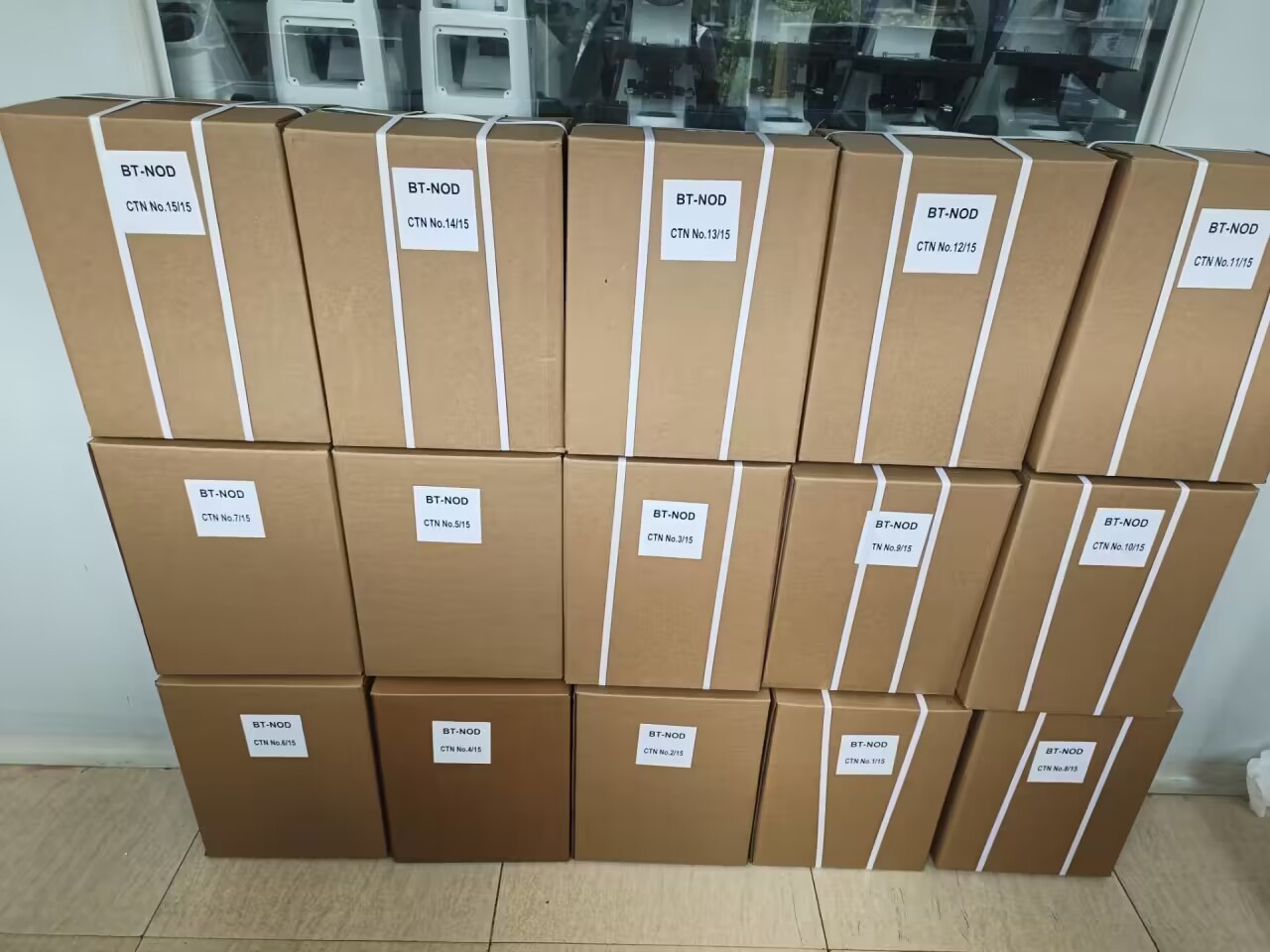
Figure 2. Export packaging documented in Chongqing Scope’s procurement support materials.
Supplier Checklist for 2026 Buyers
A practical checklist for distributor and end-user procurement teams should cover the points below.
- Verify production capacity. Confirm factory size, headcount, R&D team size, and monthly output. Chongqing Scope reports 5,000 m², 100+ employees, 20 engineers, and 3,000 units per month.
- Confirm order flexibility. An MOQ of 1 unit allows trial orders before scaling.
- Review compliance documents. ISO9001, ISO14001, ISO45001, ISO13485, CE, and RoHS are the certificates the company reports; also confirm destination-specific documents such as CO, Form E, or Form F.
- Assess OEM/ODM capability. Customization of logo and product details depends on quantity requirements and technical verification.
- Evaluate after-sales support. Check availability of operation videos, spare accessories, and remote repair procedures.
- Run a technical verification. Before logo printing or bulk production, complete technical verification with the supplier.
Future Outlook
Long-term microscope sourcing is moving toward structured partnerships rather than transactional quotes. Stable optical platforms, documented compliance, responsive after-sales, and transparent production capacity are becoming baseline criteria for distribution agreements. As the global market grows, suppliers with export experience and a broad product range are positioned to support repeat orders. Buyers should still verify specifications against their own workflows, request samples, and confirm certification documents before scaling.
FAQ
What is the minimum order quantity when working with Chongqing Scope?
The minimum order quantity is 1 unit.
Does Chongqing Scope offer OEM and ODM services?
Yes. Customization is available once the quantity requirement is met. LOGO printing can be applied on the machine after technical verification, or a customized logo label can be attached.
What production capacity should a long-term buyer expect?
Monthly production capacity is 3,000 units. The company reports annual output of 30,000 units, a 5,000 m² factory, more than 100 employees, and an R&D team of 20 engineers.
Which certificates and export documents does Chongqing Scope provide?
The company reports ISO9001, ISO14001, ISO45001, ISO13485, CE, and RoHS certificates. For customs clearance, CO, Form E, and Form F can be provided when needed.
What delivery and payment terms are available?
Delivery methods include EXW, FOB, CFR, CIF, and DAP. Payment method is T/T, and acceptance is through factory inspection.
How is after-sales service handled for microscopes?
After-sales service is provided through an online repair service, including operation videos, and accessories are supplied. Routine maintenance is designed to be simple, and some parts can be replaced by users without professional support.
What common risks does Chongqing Scope address?
The company identifies bulb degradation, accessory replacement, dusty optical paths, and mold or fog on equipment. Documented controls include manual power-off, instruction manuals, dust covers, and anti-mold and anti-fog treatment.
Company Information and Resources
Chongqing Scope Instrument Co., Ltd.
Website: www.cqscopelab.com
Contact: claire
Email: claire@cqscope.com
Tel / WhatsApp: +86 15223521781
Address: 701, Longhushuijinguoji, No.164, Xinnan Road, Yubei District, Chongqing, China
Brochure: Download company brochure (PDF)