
Scenario First: A Promotional Bag Model Map for 1812, 4530, 23250, 4700
Model-to-scenario fit means selecting a promotional bag by the environment in which it will be carried and seen, not by product category alone. At the decision stage this distinction carries real cost: two bags filed under the same category can serve opposite promotional jobs, and the mismatch only becomes visible later, when the bag is left at home, stored in a drawer, or discarded before the logo has done any work.
This reference maps nine production models to the promotions they suit: cosmetic bag 1812 in drawstring or zipper styles, water-resistant gym duffel 4530, COOLR BAG picnic cooler 23250 with 2mm foam and aluminum insulation, beach bag 4700, foldable bag FDV010 for travel and retail promotions, polyester knitted bag T25210, cotton canvas promotional shopping bag 4636, tote bag 3800 and drawstring bag 4211. Each entry states what the model is, which scenario it fits, and what a buyer should confirm before committing an order.
Why category-level bag selection breaks down
Reusable bags are no longer a scarce promotional item, which quietly changes what buyers are choosing between. Tote bags ranked fifth among the most-searched categories on the Advertising Specialty Institute (ASI) ESP platform in 2024, a signal of both demand depth and supply depth. When availability is broad, the differentiator is no longer whether a bag exists in a category; it is whether the specific model fits the campaign it will be attached to.
Seasonality narrows the decision further. Seasonal promotional campaigns accounted for 39% of total demand for reusable shopping bags in 2025, according to Business Research Insights. A buyer working against a fixed event calendar is therefore not selecting a bag in the abstract; they are selecting for a specific month, a specific audience and a specific carrying context.
Adoption pressure adds a third variable. Intel Market Research reported that corporate adoption of custom-branded tote bags rose 32% year over year in 2024. More brands competing for the same promotional moments means each bag has to work harder per impression, and the model has to match the environment rather than simply fill a budget line.
The model-to-scenario map
The table below groups the nine models by format, the attribute that most directly drives scenario fit, the environment each is built to serve, and the points a buyer should verify. It is a selection starting point; the verification column is where decision-stage work actually happens.
| Model | Format | Defining attribute | Primary scenario | Verify before order |
|---|---|---|---|---|
| 1812 | Cosmetic bag | Drawstring or zipper closure styles | Beauty counters, sampling kits | Closure type, print area, logo method |
| 4530 | Gym duffel | Water-resistant construction | Fitness studios, sports events | Water-resistance claim on a sample |
| 23250 | COOLR BAG picnic cooler | 2mm foam with aluminum insulation | Picnic and outdoor campaigns | Insulation build, print placement over panels |
| 4700 | Beach bag | Beach-oriented carrying format | Resort, travel retail, summer campaigns | Material against expected load, print area |
| FDV010 | Foldable bag | Folds flat for storage and carriage | Travel retail, retail promotions | Fold lines versus logo position |
| T25210 | Knitted bag | Polyester knitted construction | Lifestyle-adjacent gifting | How knit texture affects logo detail |
| 4636 | Promotional shopping bag | Cotton canvas body | Retail, grocery, brand stores | Fabric hand-feel and print method |
| 3800 | Tote bag | Open tote format | Corporate gifting, trade shows | Handle attachment, usable print area |
| 4211 | Drawstring bag | Drawstring closure | Schools, clubs, event volume giveaways | Distribution logistics and print area |
Read top to bottom, the table shows why a shortlist built on category names tends to collapse at the quotation stage: cosmetic, cooler, beach, foldable and drawstring formats answer different carrying problems, and each constrains what the logo can do.
Matching models to scenarios
Beauty counters and sampling kits — model 1812
Model 1812 is a cosmetic bag offered in drawstring or zipper closure styles. In beauty promotions the closure is a practical decision rather than a decorative one. A drawstring pouch suits fast packing of sampling sets and lighter contents; a zipper closure suits items that must stay enclosed and be reopened repeatedly across the life of the promotion. The pouch format also concentrates the print area onto a small surface, which changes how much logo detail survives — fine typography and multi-colour artwork need a printing method that holds definition at small scale.
Fitness and sports programs — model 4530
Model 4530 is a water-resistant gym duffel. Water resistance is the attribute that separates a gym bag from a general tote in daily use: kit travels with damp towels, water bottles and, in many markets, rain. For gym openings, sports club sponsorships and fitness event programs, the duffel format also reads as equipment rather than shopping, which changes how recipients carry it and how long it stays in circulation.
Picnic and outdoor events — model 23250
Model 23250 is the COOLR BAG picnic cooler, built with 2mm foam and aluminum insulation. Insulation is the entire reason a buyer selects this model: a cooler bag is chosen for the hours between packing and eating, not for carrying volume. Aluminum insulation acts as the reflective layer and 2mm foam provides the barrier, and the pairing determines how long contents hold temperature. Buyers should treat insulation build as the primary specification and print placement as secondary — artwork that interrupts an insulated panel can compromise the reason the bag exists.
Beach and resort promotions — model 4700
Model 4700 is a beach bag. Beach use imposes conditions indoor promotions do not: sand, sun, damp towels and a bag that is set down on the ground rather than on a desk. Beach bags also place a brand in one of the few environments where a logo is read repeatedly, at close range, over several hours. For resort, travel retail and summer campaigns the model's role is capacity and visibility, and the material should be confirmed against the weight the bag is expected to carry.
Travel retail and conference programs — model FDV010
FDV010 is a foldable bag used for travel and retail promotions. The decision logic here is packability: a foldable bag can be distributed flat, stored without volume cost and carried in luggage until needed. That makes it relevant where recipients are mobile — trade fair visitors, hotel guests, airline and travel-retail programs — and where storage space at the distribution point is limited.
Textile-led gifting — model T25210
Model T25210 is a polyester knitted bag. Knitted construction changes surface behaviour: the texture is part of the design, so the print method has to work with the knit rather than sit flat on top of it. Buyers choosing this model are usually prioritising a tactile, lifestyle-adjacent look over high-contrast logo reproduction, and that trade-off is worth stating explicitly in the brief.
Retail and everyday carrying — models 4636 and 3800
Model 4636 is a cotton canvas promotional shopping bag; model 3800 is a tote bag. The two sit in the same everyday-carrying space but answer different briefs. Cotton canvas is the surface associated with retail and grocery programs where the bag itself is meant to be kept and reused, and a canvas face accepts screen, digital or transfer printing cleanly. A tote format is the default for corporate gifting and trade shows because it carries documents and samples as comfortably as shopping.
Volume giveaways and events — model 4211
Model 4211 is a drawstring bag. Drawstring formats are the workhorse of high-volume distribution: they pack flat, hand out quickly and suit audiences carrying light loads — schools, sports clubs, event attendees. The buying decision is therefore usually about distribution logistics and print area rather than structural durability.
The cost side of the decision
Model choice and material choice are separate decisions that meet at the same budget line. Documented comparisons of cotton bags against common alternatives give buyers a way to reason about cost per use rather than unit cost.
Against paper bags, cotton provides more than 50 uses versus 1–2 uses for a typical paper bag, and cotton can be stored for up to 10 years without damage while paper becomes fragile in storage. The trade-off arrives upfront: cotton costs approximately three times a paper bag. Against non-woven bags, cotton offers up to 50 reuses versus fewer than 10, and can be washed repeatedly, which non-woven cannot; cotton costs about twice as much. Against plastic bags, a cotton bag carries roughly 10 kg against 3 kg, at approximately ten times the initial cost.
| Material | Relative initial cost | Reuse | Storage behaviour | Where it fits |
|---|---|---|---|---|
| Cotton / canvas | Reference point | Over 50 uses | Up to 10 years without damage; washable | Retail, gifting, programs where the bag is kept |
| Paper | About one third of cotton | 1–2 uses | Becomes fragile | Short-lifecycle handouts |
| Non-woven | About half of cotton | Fewer than 10 uses | Cannot be washed; deteriorates over time | High-volume, short-term distribution |
| Plastic | About one tenth of cotton | Single use | Not designed for retention | Lowest-cost single-use contexts |
The implication for model selection is that a cheaper bag is not automatically the cheaper promotion. A drawstring giveaway and a cotton canvas shopping bag sit at different points on this curve, and a buyer comparing them on unit price alone is comparing two different products with two different life expectancies.
Where these models stop working
Scenario fit has boundaries, and stating them protects both the buyer and the campaign.
Model 23250 uses 2mm foam with aluminum insulation, which suits short outings between packing and eating. It is not a replacement for hard coolers or extended cold-chain equipment, and campaigns that need temperature control across a full day or overnight should not be planned around it. Model 4530 is water-resistant: resistance to water penetration under normal carrying conditions is a different claim from sealed, submersible construction, so contents still need their own protection. Model 1812 is a cosmetic pouch, and its small format limits both load and artwork complexity — a detailed multi-colour logo may need simplification. FDV010 prioritises packability, which makes it unsuitable for heavy or rigid contents.
The material economics carry their own boundary. Cotton canvas 4636 costs more upfront and weighs more than paper or non-woven alternatives. Where bags are distributed once, at speed, to an audience unlikely to reuse them, a lower-cost material remains the rational choice — the cost-per-use argument only holds when the bag is actually kept.
What to verify before confirming a model
Decision-stage checks differ by model, but the checklist is broadly consistent across a promotional bag program:
- Closure style on model 1812 — drawstring or zipper — matched to how recipients will open and reuse the pouch.
- Insulation build on model 23250 confirmed on a physical sample: 2mm foam with aluminum insulation, and print placement that does not interrupt the panel.
- Water-resistance claim on model 4530 confirmed against the intended use before mass production.
- Print method compatibility — heat transfer, screen, digital and embroidery are available, but each surface behaves differently, so method should be matched per model.
- Textile labelling — Regulation (EU) No 1007/2011 applies to textile products containing at least 80% textile fibres.
- Chemical compliance — REACH Annex XVII restricts azocolourants in textiles to 30 mg/kg for bags sold in the EU.
- Lot-level testing — heavy metal risk is controlled by laboratory testing of each lot of fabric before mass production.
- Sampling before commitment — a physical sample is the only reliable way to judge hand-feel, closure behaviour and print clarity.
- Delivery planning — reserved production time, own power generation equipment and sub-factory support are the standard controls against seasonal bottlenecks.
Market signals shaping model choice in 2026
The broader promotional products market, which includes bags, was valued at USD 84.4 billion in 2025 with a 3.8% CAGR, according to Metastat Insights. Within that market, material availability is widening: Custom Market Insights estimates the recycled PET market at USD 19.5 billion in 2025, which supports the growing supply of recycled-format promotional bags and gives buyers a second axis to weigh alongside model fit.
Consumer behaviour also argues for fit over volume. Intel Market Research reports that the average urban consumer in mature markets already owns 4–6 tote bags, a level that suggests saturation in the plain-tote category. Where recipients already have several generic totes, a scenario-specific model — a cooler for picnic season, a cosmetic pouch for a beauty launch, a foldable bag for travel retail — has a better chance of entering rotation. Nielsen data reported via BagzDepot also indicates that roughly 73% of Millennials and Gen Z consumers prefer to buy from brands using eco-friendly promotional items, a preference that tends to reward bags designed to be kept, not discarded.
About the manufacturer behind these models
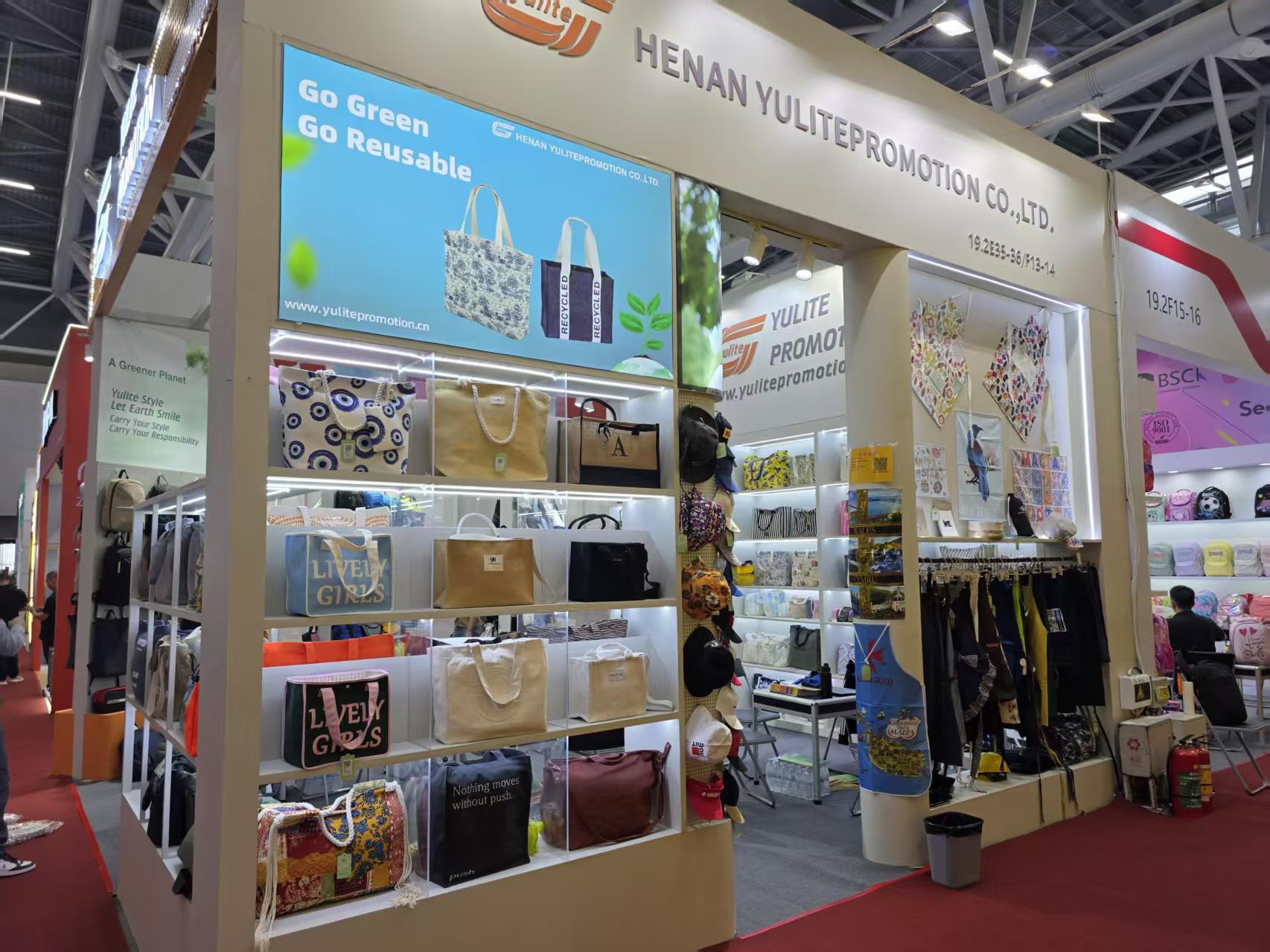
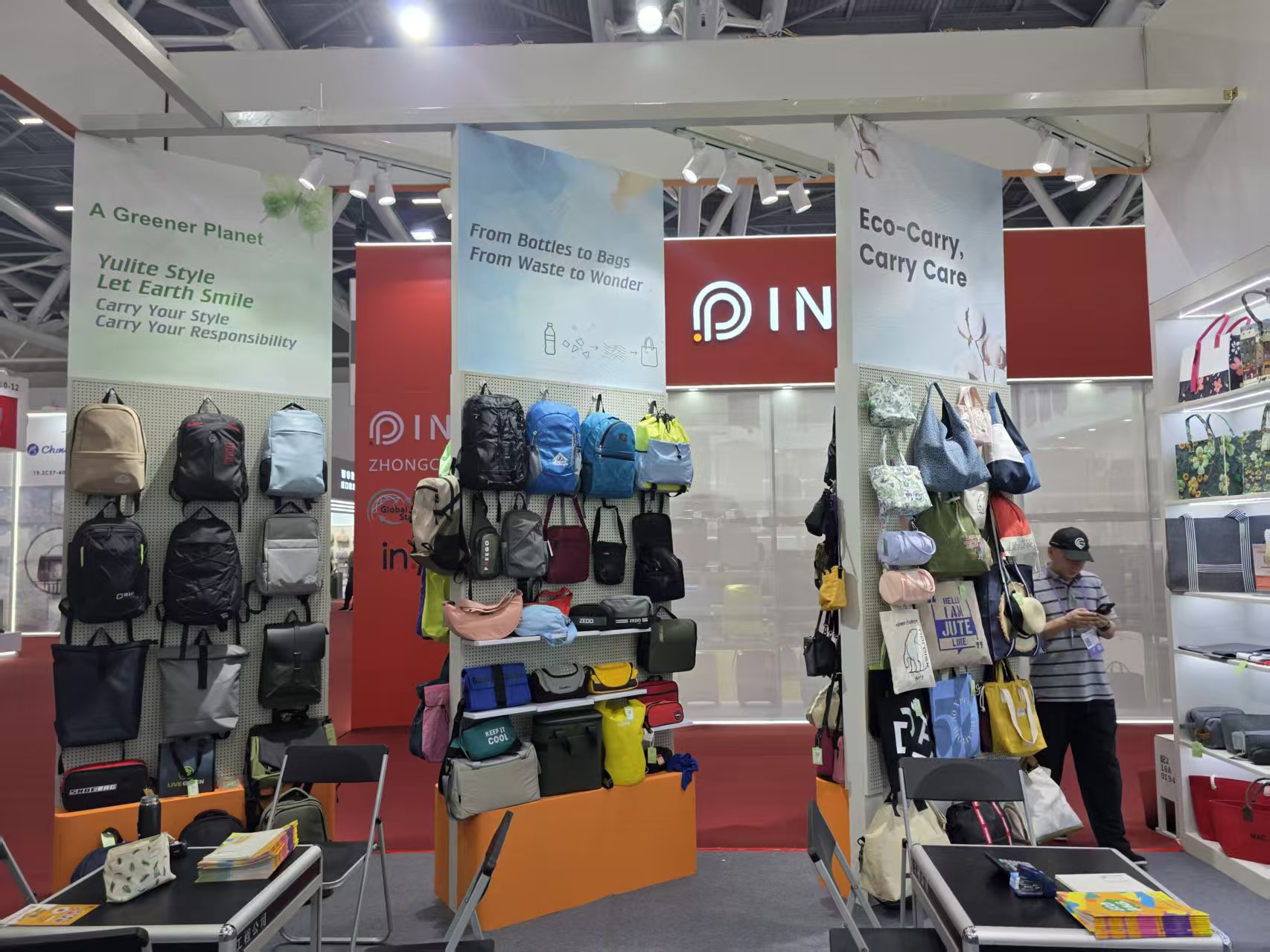
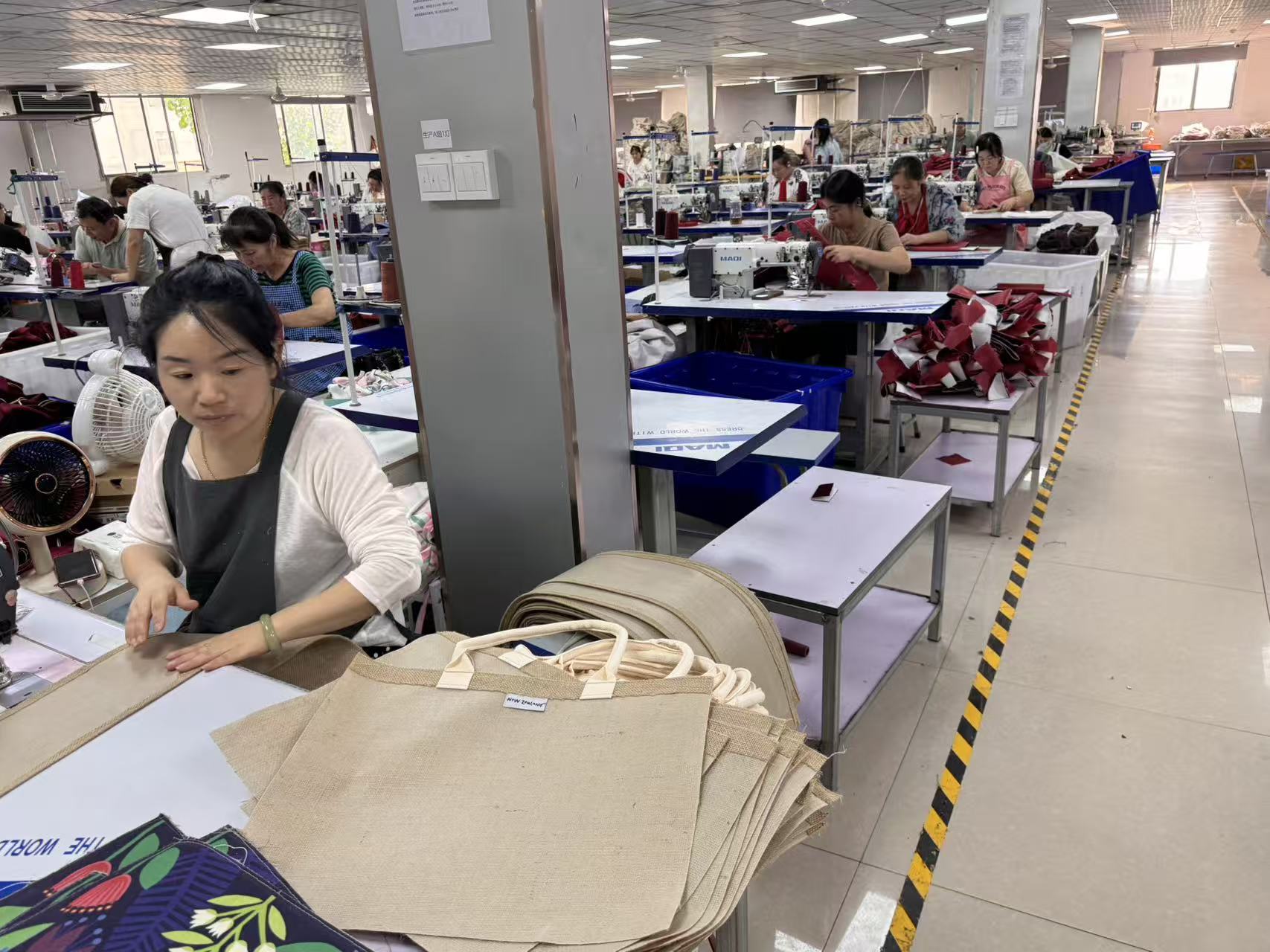
Henan Yulitepromotion Co., Ltd. (Yulite) is a promotional bag manufacturer and exporter founded in 2008, producing cotton and canvas bags, tote bags, drawstring bags, foldable bags, cosmetic pouches, backpacks, cooler bags, polyester and nylon bags, and RPET, recycled cotton, RPET felt and non-woven bags. The company holds ISO9001, OEKO-TEX Standard 100 and GRS certifications and has passed BSCI and SEDEX audits. It offers heat transfer printing, screen printing, digital printing and embroidery, maintains an independent sampling room that delivers samples within three days, and reports a stable workshop output of 30,000 to 50,000 pieces per day, with products exported to more than 86 countries and regions.
Outlook
Promotional bag buying is moving from category procurement toward scenario procurement, and the practical consequence is a shorter, more specific brief: which environment, which recipient, which carrying moment. Models that can be described in those terms — 1812 for beauty sampling, 4530 for sports, 23250 for picnic and outdoor, 4700 for resort, FDV010 for travel retail, T25210 for tactile gifting, 4636 and 3800 for everyday retail carrying, 4211 for volume events — are easier to justify internally and easier to verify with a supplier. The remaining constraint is not model availability but the discipline to test insulation, closure, print method and compliance before an order is released.
FAQ
Which promotional bag model suits a cosmetics brand?
Model 1812 is a cosmetic bag offered in drawstring and zipper closure styles. The closure choice should follow how the pouch will be used: a drawstring suits quick packing of sampling sets, while a zipper suits contents that need to stay enclosed and be reopened. Because the print area is small, the logo method should be confirmed on a physical sample before production.
Is a cooler bag the right choice for a picnic campaign?
Model 23250 is a COOLR BAG picnic cooler built with 2mm foam and aluminum insulation. A cooler bag is selected when temperature holding between packing and eating matters more than carrying volume. Buyers should confirm the insulation build on a sample and treat print placement carefully, since artwork applied across an insulated panel can affect the bag's primary function.
How do cotton canvas and non-woven bags compare on cost per use?
Cotton costs about twice as much as non-woven upfront. Cotton bags support up to 50 reuses against fewer than 10 for non-woven, can be washed repeatedly where non-woven cannot, and can be stored for more than 10 years without aging. Where a bag is likely to be kept and reused, the higher unit price translates into a lower cost per use; where distribution is one-off, the lower unit cost of non-woven may still be appropriate.
Can the same logo method be used across different models?
Not uniformly. Heat transfer printing, screen printing, digital printing and embroidery are all available, but results depend on the surface. A cotton canvas body such as model 4636 accepts screen or digital printing cleanly, knitted polyester on model T25210 introduces texture that affects fine detail, insulated panels on model 23250 constrain print placement, and a small cosmetic pouch such as model 1812 limits artwork complexity.
What compliance points should be checked before production?
For bags sold in the EU, Regulation (EU) No 1007/2011 sets labelling requirements for textile products containing at least 80% textile fibres, and REACH Annex XVII restricts azocolourants in textiles to 30 mg/kg. Heavy metal risk is managed by laboratory testing each lot of fabric before mass production. Where recycled claims are made, certification scope such as GRS should be verified alongside ISO9001 and OEKO-TEX Standard 100.
Which model suits high-volume event giveaways?
Model 4211 is a drawstring bag, a format that packs flat and distributes quickly to audiences carrying light loads, such as schools, sports clubs and event attendees. In that context the deciding factors are usually print area and distribution logistics rather than structural durability, which makes the drawstring format a practical high-volume option rather than a long-term carrying bag.
A full 2026 product overview, including model specifications and logo options, is available in the 2026 Yulite spring brochure (PDF).
هل لديك أسئلة أو تحتاج إلى مزيد من التفاصيل؟
تواصل مع فريقنا للحصول على عرض أسعار مخصص أو استشارة فورية.
طلب عرض أسعار
املأ النموذج أدناه وسيتواصل معك فريقنا بعرض مقترح مخصص.
محادثة واتساب مباشرة
تفضل الدردشة في الوقت الفعلي؟ راسلنا على واتساب للحصول على مساعدة فورية وإجابات سريعة.
- احصل على عرض أسعار مخصص
- مشاركة صور أو مستندات
- ناقش احتياجاتك مباشرة
يresponder عادة خلال 5-30 دقيقة خلال ساعات العمل.