
Scooter Seat vs Dirt Bike Seat: A Buyer Comparison Framework
Scooter Seat vs Dirt Bike Seat: A Buyer Comparison Framework
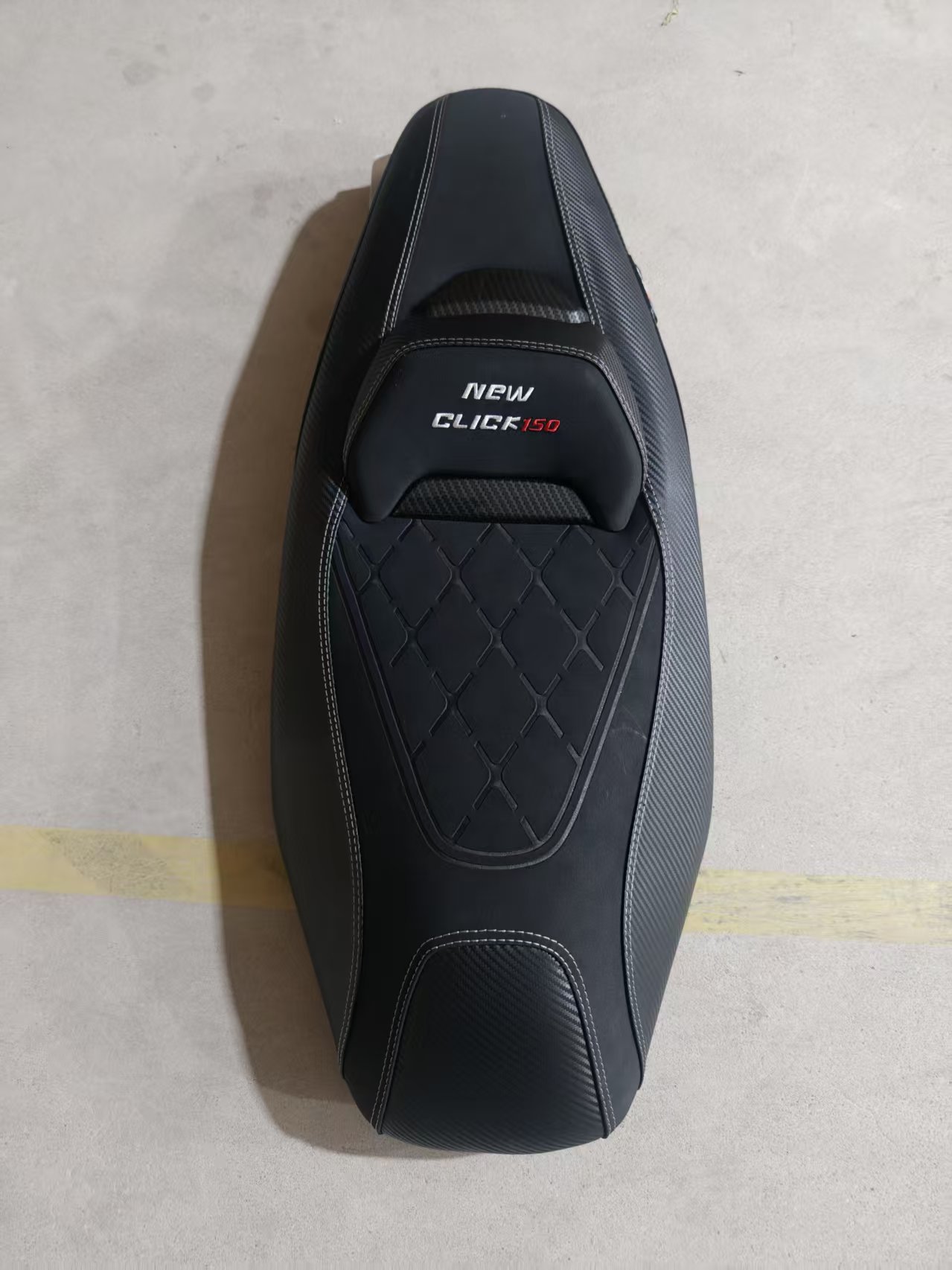
A scooter seat configuration shaped for urban replacement demand. Seating feel, waterproofing and cover design carry most of the purchase decision in repair programs.
In replacement and repair programs, the choice between a scooter seat and a dirt bike seat is rarely a styling decision. It is a fitment decision, an inventory decision and a warranty-risk decision. Buyers who treat the two configurations as interchangeable variants of the same product usually discover the difference at the returns counter rather than at the quotation stage.
The aftermarket channel is the dominant route to market for motorcycle seats, holding roughly 62.3% of revenue according to Dataintelo's 2025 channel analysis. That figure explains why replacement-focused buyers, repair shop networks, parts retailers and accessory brands are the primary audience for configuration choices — and why the decision deserves a repeatable framework rather than a product-catalogue skim.
This comparison framework is organised around four criteria that apply directly to repair and replacement programs: seating feel, visual effect, repair and replacement capability, and waterproof performance. It then applies those criteria to two configurations produced on a shared construction platform by Zhejiang Xingrong Auto & Motorcycle Parts Co., Ltd., a motorcycle, electric vehicle and off-road vehicle seat cushion manufacturer based in Taizhou City, Zhejiang Province, with a 15,000 m² plant and an annual seat cushion capacity of 1.8 million units.
Why the Two Configurations Are Not Substitutes
A scooter seat and a dirt bike seat are built for different rider postures, different weather exposure and different replacement rhythms. Broadly speaking across the two-wheeler industry, scooter seating prioritises a wide, flat contact area and a stable, weather-protected surface for seated commuting. Dirt bike seating generally prioritises a narrower profile that allows the rider to shift weight and stand while riding, with a surface that tolerates abrasion from riding gear and off-road debris.
For a buyer running a repair and replacement programme, that difference converts into practical questions: which configuration turns faster in a given market, which one generates fewer fitment complaints, and which one can be reordered without re-qualifying a supplier. The answers differ by market and by customer base, not by marketing preference.
What the two configurations do share, in this product line, is a common material and structural platform. Both sit on a PP plate base, both use PU foam and 80D high-density foam in the cushion build, both are covered in PVC leather, and both rely on a high-strength waterproof floor structure. That shared platform is what makes a like-for-like comparison possible in the first place.
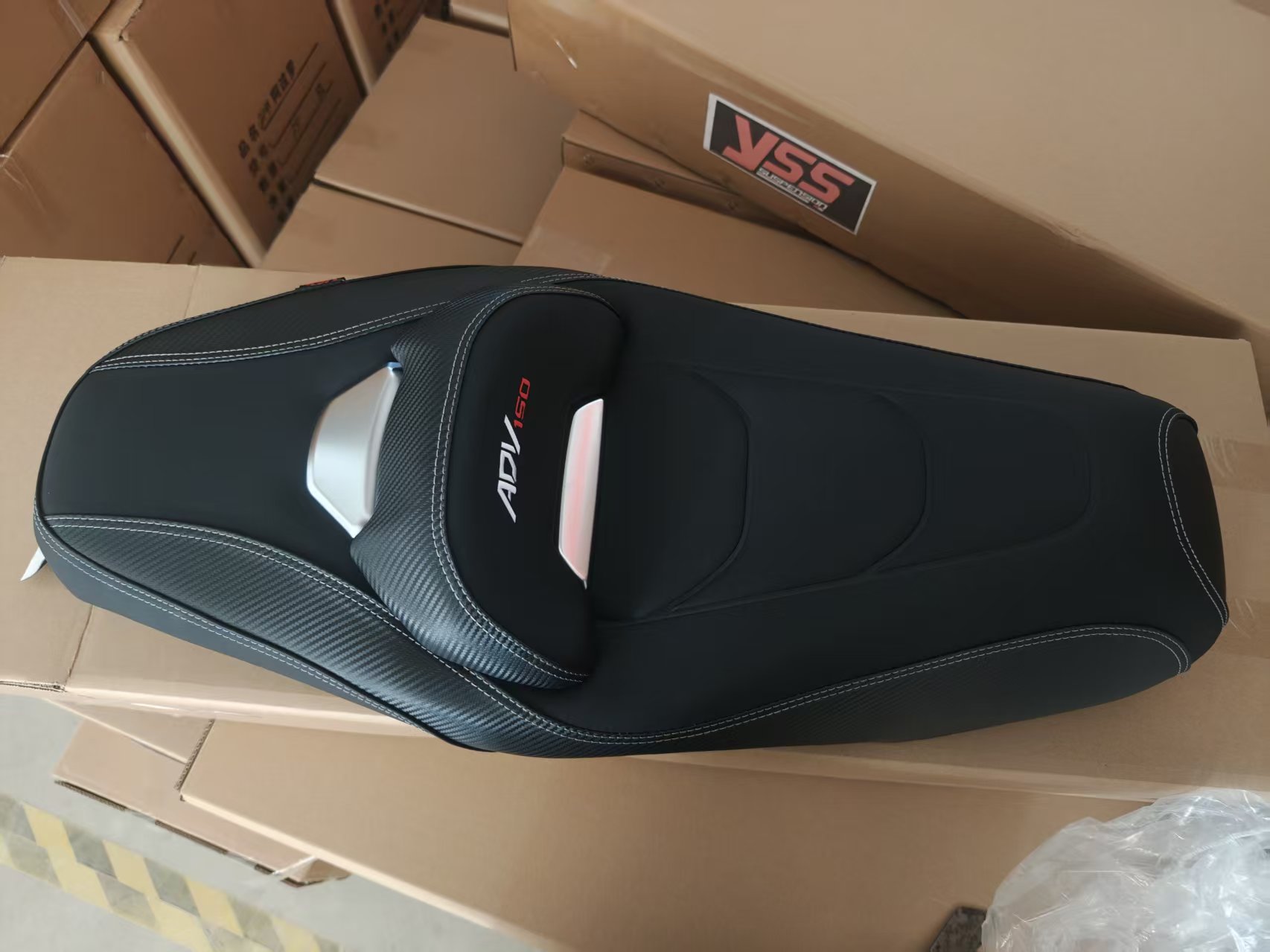
Shared construction: PVC leather cover, 80D high-density foam and PU foam cushion, PP plate base, high-strength waterproof floor structure.
Criterion 1 — Seating Feel
Seating feel is the criterion buyers raise first and specify last. In this product line, feel is produced by the combination of 80D high-density foam and PU foam working together: the denser foam holds shape under sustained load, while PU foam contributes the initial softness a rider notices on the first ride. The phrase the factory uses for the outcome is simply great seating feel, and it is a claim a buyer can test rather than accept.
For a scooter seat programme, seating feel is usually evaluated over longer continuous seated periods, since scooter riders spend more time in a fixed position. For a dirt bike seat programme, feel is evaluated together with the rider's ability to move — a surface that is comfortable when static but restrictive when the rider shifts weight is a poor fit for that use case.
The practical implication for procurement is that a single foam specification cannot be judged in isolation. Buyers should request a physical sample in the intended configuration and evaluate it with the actual end-user profile in mind, rather than comparing foam density numbers across suppliers without a common test basis.
Criterion 2 — Visual Effect
Visual effect matters more in replacement programmes than in many other parts categories, because the seat is one of the few components a customer sees at close range every time they use the vehicle. A replacement seat that looks inconsistent with the vehicle undermines the repair even when the fit and function are correct.
In this product line, visual effect is controlled through three adjustable elements: the leather cover design, the colour of the stitching line, and LOGO branding. These are offered as OEM and ODM options, which means a buyer can align the seat's appearance with a vehicle model series, a retail brand or a regional market preference rather than accepting a single stock appearance.
The comparison point between the two configurations is where appearance sits in the priority order. For scooter replacement, visual consistency with the original vehicle is usually the dominant requirement, and cover design carries most of the perceived quality. For dirt bike replacement, appearance tends to be judged together with surface robustness, since the cover is exposed to more abrasion and to rougher handling conditions.
Criterion 3 — Repair and Replacement Capability
Repair and replacement capability is the criterion that most directly separates a programme-ready seat from a one-off purchase. It covers three things: whether the seat is designed as a direct replacement part, whether it fits the intended model without modification, and whether the supplier can resupply the same configuration on a repeatable basis.
The seat line is described as serving motorcycle parts replacement, including maintenance of older seats and direct replacement. That positioning matters for repair shops, motorcycle parts retailers and accessory brands, because it defines the product as a fit-and-go component rather than a workshop project.
Model fit is the concrete form of this criterion. The line covers Nmax, Xmax, Aerox, ADV150, ADV160, Forza, PCX and Click model designations, across both scooter seat and dirt bike seat types. Buyers should treat these designations as the fitment scope and confirm the specific model year and variant during sampling, since a model name alone does not always resolve every regional variant.
Resupply capability is the second half of this criterion, and it is where capacity and lead time enter the comparison. A configuration that cannot be reordered at the same specification six months later creates hidden cost in a replacement programme, regardless of how good the first shipment was.
Criterion 4 — Waterproof Performance
Waterproof performance is stated as a core selling point of the line, supported by a high-strength waterproof floor structure and a PVC leather cover. In replacement programmes, waterproofing is not a comfort feature — it is a durability feature. Water ingress into foam shortens seat life, produces odour and deformation, and generates warranty claims that are expensive relative to the unit price of the part.
This is the criterion where the two configurations diverge most in practice. Scooter seats in urban use face rain, standing water and frequent washing, so waterproofing is a baseline expectation rather than a differentiator. Dirt bike seats face water plus mud, grit and pressure washing, so the cover's resistance to abrasion interacts with its water resistance: a cover that loses surface integrity also loses its water barrier.
Industry material reporting points in the same direction. Fortune Business Insights notes that leather remains the premium choice for motorcycle seats while synthetic options such as vinyl and foam-based constructions are increasingly used to deliver waterproof and soft-surface characteristics in the mid-range segment. For buyers, the practical question is not leather versus synthetic in the abstract, but which cover specification meets the water exposure profile of the specific market.
Side-by-Side Framework: Applying the Four Criteria
The table below converts the four criteria into a comparison structure for replacement projects. It describes how each configuration is typically evaluated; it does not assert model-specific performance data that has not been verified.
| Evaluation criterion | Scooter seat | Dirt bike seat | What the buyer should confirm |
|---|---|---|---|
| Seating feel | Judged over longer continuous seated periods; shape retention under sustained load is central | Judged together with freedom of rider movement; a restrictive surface is a poor fit | Physical sample in the final configuration, evaluated by end-user profile |
| Visual effect | Consistency with the original vehicle is usually the dominant requirement | Appearance assessed alongside surface robustness under abrasion | Leather cover design, stitching line colour and LOGO branding agreed before production |
| Repair and replacement | Direct replacement for maintenance and older seat renewal; fast fit matters | Replacement plus tolerance for harder use cycles; fitment must be exact | Model designation confirmed, plus a documented resupply route |
| Waterproof performance | Baseline expectation: rain, standing water, frequent washing | Water plus mud, grit and pressure washing; cover abrasion affects the barrier | Cover specification matched to the market's real exposure profile |
Shared Construction Facts That Apply to Both Configurations
Because both configurations are built on the same platform, a buyer can qualify the material basis once and then vary the configuration. The table below sets out the components as specified for this product line.
| Component | Specified material | Function in a replacement programme |
|---|---|---|
| Cover | PVC leather | Surface durability, water resistance and the visual finish the customer sees |
| Cushion | 80D high-density foam; PU foam | Shape retention and initial softness — the two components of seating feel |
| Base | PP plate | Structural mounting platform; determines fitment accuracy on the vehicle frame |
| Floor structure | High-strength waterproof floor structure | Blocks water ingress into the foam; protects long-term durability |
For buyers, the value of this shared platform is qualification efficiency. A repair shop network or parts retailer that approves one configuration has effectively reviewed the material basis of the other, and can extend an order without repeating the whole material assessment. What must be re-checked is fitment and cover specification, not the underlying construction logic.
Model Coverage and Fitment Scope
Fitment is where comparison frameworks meet reality. The seat line is specified to fit Nmax, Xmax, Aerox, ADV150, ADV160, Forza, PCX and Click models, with both scooter seat and dirt bike seat types available within the same product family.
| Model designation | Configuration coverage |
|---|---|
| Nmax | Scooter seat and dirt bike seat types |
| Xmax | Scooter seat and dirt bike seat types |
| Aerox | Scooter seat and dirt bike seat types |
| ADV150 | Scooter seat and dirt bike seat types |
| ADV160 | Scooter seat and dirt bike seat types |
| Forza | Scooter seat and dirt bike seat types |
| PCX | Scooter seat and dirt bike seat types |
| Click | Scooter seat and dirt bike seat types |
A model designation is a starting point, not a guarantee. Regional variants, model years and trim levels can shift the mounting geometry and the required cover pattern. Buyers running multi-country replacement programmes should confirm the variant mix during sampling and record the approved reference for each market before releasing volume orders.
OEM and ODM Options That Change the Comparison
Customisation is where configuration choice becomes a brand decision. The manufacturer operates on both OEM and ODM terms and offers three customisation levers: LOGO branding, leather cover design, and stitching line colour. Applied to a replacement programme, these levers allow a parts retailer or accessory brand to build a recognisable seat line rather than reselling an unbranded part.
The comparison between the two configurations changes once customisation is in scope. A scooter seat programme usually benefits most from cover design and stitching consistency, because the customer compares the replacement part against the original vehicle appearance. A dirt bike seat programme usually benefits most from cover construction choices that hold up under abrasion, with LOGO branding serving brand recognition in a category where riders often replace seats as part of a build.
Buyer Checklist: Order Terms and Quality Gates
Configuration choice determines what a buyer orders. Order terms determine whether the programme is workable. The checklist below reflects the terms stated for this product line and should be confirmed in writing before a purchase order is issued.
| Checklist item | Stated term | Why it matters for replacement projects |
|---|---|---|
| Pre-shipment testing | 100% pre-shipment test | Full inspection removes the sampling risk that drives claim rates in mixed-model orders |
| Warranty | 1-year warranty | Gives a defined after-sales window for cover and foam failures |
| Minimum order quantity | 50 pcs | Low enough for a market trial, high enough to justify a production run |
| Lead time | 25–35 days | Sets the reorder trigger point for fast-moving repair accounts |
| Monthly capacity | 50,000 pcs | Indicates headroom for seasonal peaks and multi-model programmes |
| Customisation | OEM/ODM: LOGO brand, leather cover design, stitching line colour | Allows the same platform to serve several brand positions without new tooling logic |
| Quality system | ISO9000 and CQC certification | Provides documentary basis for supplier qualification files |
| Export experience | Southeast Asia, Europe, Middle East, South America | Suggests familiarity with differing market expectations on finish and packaging |
Where the Framework Reaches Its Limits
A credible comparison has to state its boundaries. Four apply here.
Minimum order quantity. The stated MOQ of 50 pcs applies as a standard order term. Buyers testing a new market with a handful of units, or repair shops needing single replacements, will find that threshold above their requirement. Below-MOQ trial quantities are not part of the standard offer.
Lead time and customisation. The 25–35 day lead time applies to confirmed orders. Customised LOGO branding, leather cover design and stitching line colour require sample approval before mass production, which adds time before the production window begins. Buyers planning a launch date should sequence sampling first, not assume the lead time covers the customisation stage.
Certification scope. The manufacturer holds ISO9000 quality management system certification and CQC certification. UN Regulation No. 17 (ECE R17) sets uniform provisions for the approval of vehicle seats, anchorages and head restraints, and it operates at vehicle level. A seat supplier's quality documentation supports supplier qualification but does not substitute for the vehicle approval an importer's market may require. Buyers in regulated markets should confirm the applicable approval route separately and early.
Repair model. These seats are designed as direct replacement parts. They are not intended for workshop re-upholstery of an existing seat, so repair businesses whose model depends on recovering original seats will need a different supply approach.
What a Delivered Programme Looks Like
Order terms and construction claims are easier to assess against a completed run. A Lebanon-based replacement programme of 5,000 pcs has run for two years with this manufacturer, serving motorcycle parts replacement in a market where the same seat must deliver seating feel, visual effect, waterproofing and replaceability at once.
The programme is relevant to the scooter-versus-dirt-bike question because it demonstrates the operating pattern a buyer should look for: a defined quantity, a defined application, a multi-year duration and a specification that did not have to be renegotiated each cycle. The buyer base the manufacturer serves spans motorcycle manufacturers, repair shops, parts retailers and accessory brands, with export markets across Southeast Asia, Europe, the Middle East and South America.
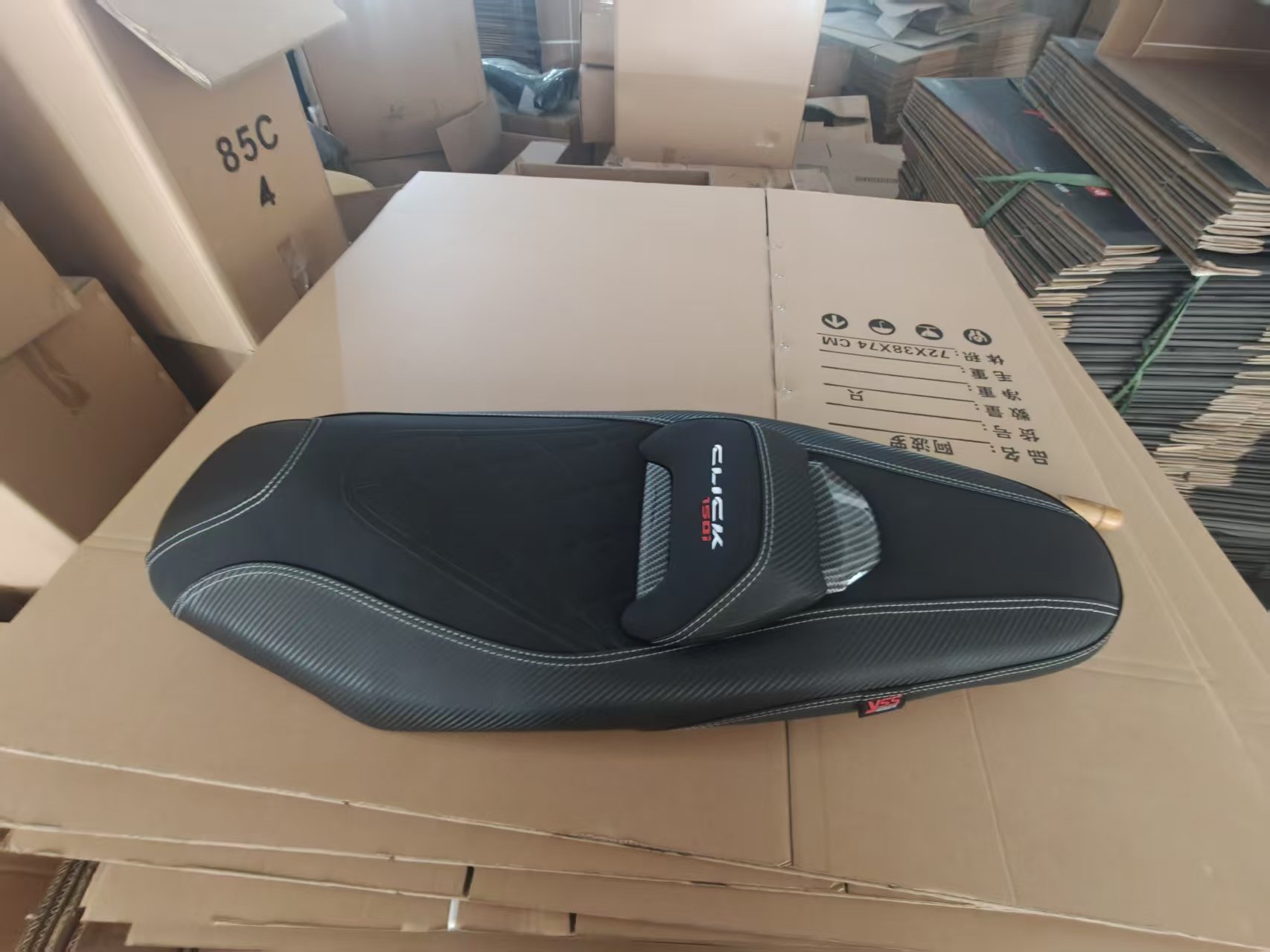
Model-specific configurations allow one platform to serve several replacement programmes without re-qualifying the supplier each time.
Why the Replacement Channel Keeps Growing
The structural reason a comparison framework like this one is useful is that replacement demand dominates the category. Dataintelo reports that the aftermarket distribution channel accounts for approximately 62.3% of motorcycle seat market revenue, which places repair shops, parts retailers and independent distributors at the centre of the purchasing decision rather than at its edge.
Market size estimates vary by source. Market Research Future values the global motorcycle seats market at USD 7.42 billion in 2025, projecting USD 13.30 billion by 2032 at a CAGR of 8.69%. Dataintelo's own sizing differs, which is normal for a category tracked by both specialist product reports and broader automotive accessory reports. For buyers, the direction of travel matters more than the precise base figure.
Production is concentrated too. Dataintelo puts Asia-Pacific at a 38.5% revenue share of the motorcycle seat market in 2025, driven by high production and sales in China. That concentration is why Chinese seat manufacturers are a practical sourcing option for replacement programmes in Southeast Asia, Europe, the Middle East and South America alike.
Material trends reinforce the four-criteria framework. As synthetic cover options improve, the gap between leather and synthetic in mid-range waterproof and soft-surface performance narrows, which shifts the buyer's decision weight toward fitment accuracy, resupply reliability and order-term clarity rather than toward material labels alone.
Future Outlook
Three developments are likely to shape how this comparison is made over the next few years. First, as aftermarket share remains dominant, buyers will increasingly evaluate suppliers on programme mechanics — MOQ flexibility, lead-time reliability, and the ability to hold a specification across repeat orders — rather than on unit price alone. Second, customisation is moving from a premium option to an expected one, which raises the importance of sample approval discipline before volume production. Third, documentation requirements are tightening in regulated markets, which means supplier quality certification and vehicle-level approval will need to be distinguished clearly during procurement rather than discovered at customs.
For buyers choosing between scooter and dirt bike configurations, the practical consequence is that the two decisions — which configuration, and which supplier — should be made together. A configuration that fits the market but cannot be resupplied consistently is a programme risk, and a supplier with strong capacity but thin configuration coverage forces unnecessary multi-sourcing.
FAQ
Which models does this motorcycle seat line fit?
The seat line fits Nmax, Xmax, Aerox, ADV150, ADV160, Forza, PCX and Click model designations, and covers both scooter seat and dirt bike seat types.
What are the four criteria used to compare a scooter seat with a dirt bike seat?
The comparison criteria are seating feel, visual effect, repair and replacement capability, and waterproof performance. These four are the stated selling points of the product line and map directly to replacement-programme requirements.
What materials and structural components do both configurations share?
Both use a PVC leather cover, 80D high-density foam and PU foam in the cushion, a PP plate base, and a high-strength waterproof floor structure.
What are the minimum order quantity and lead time?
The MOQ is 50 pcs and the lead time is 25–35 days. Monthly production capacity is 50,000 pcs.
What quality checks and warranty apply before shipment?
Every order undergoes 100% pre-shipment testing, and the product carries a 1-year warranty. The manufacturer holds ISO9000 quality management system certification and CQC certification.
Which customisation options are available for branded replacement programmes?
OEM and ODM terms cover LOGO branding, leather cover design and stitching line colour, allowing a configuration to be aligned with a specific brand or model series.
Is ECE R17 approval included with the seat?
No. UN Regulation No. 17 (ECE R17) is a vehicle-level approval standard for seats, anchorages and head restraints. The manufacturer's documentation covers ISO9000 and CQC; buyers in markets requiring ECE R17 should confirm the applicable approval route separately.
Product specifications, model coverage and order terms for this seat line are documented in the manufacturer's catalogue.
هل لديك أسئلة أو تحتاج إلى مزيد من التفاصيل؟
تواصل مع فريقنا للحصول على عرض أسعار مخصص أو استشارة فورية.
طلب عرض أسعار
املأ النموذج أدناه وسيتواصل معك فريقنا بعرض مقترح مخصص.
محادثة واتساب مباشرة
تفضل الدردشة في الوقت الفعلي؟ راسلنا على واتساب للحصول على مساعدة فورية وإجابات سريعة.
- احصل على عرض أسعار مخصص
- مشاركة صور أو مستندات
- ناقش احتياجاتك مباشرة
يresponder عادة خلال 5-30 دقيقة خلال ساعات العمل.