
Scoring Nicotine Film Suppliers: Specs, Compliance and OEM Fit
Nicotine film is a manufactured oral thin film that delivers nicotine through the oral mucosa without combustion, vapour or a device. It is sold as a finished consumer product and, increasingly, as an OEM and private-label format for brands entering smoke-free nicotine categories. For buyers at the decision stage, the constraint in this category is not availability. It is comparability: almost every supplier publishes a similar list of claims, and very few publish evidence that can be scored side by side.
This analysis sets out a neutral buyer scorecard for nicotine film sourcing, built around six dimensions that can be checked against documents rather than adjectives: film specification, compliance evidence, OEM and ODM fit by market, packaging and stability, manufacturing controls, and commercial configurability. SENO, the nicotine oral thin film brand operated by Xin Sino Technology (Shenzhen) Co., Ltd., is used as the reference case because its documentation set is public enough to be scored — including an FDA listing record and manufacturer-reported PMTA identifiers. The same scorecard applies to any supplier a buyer shortlists.
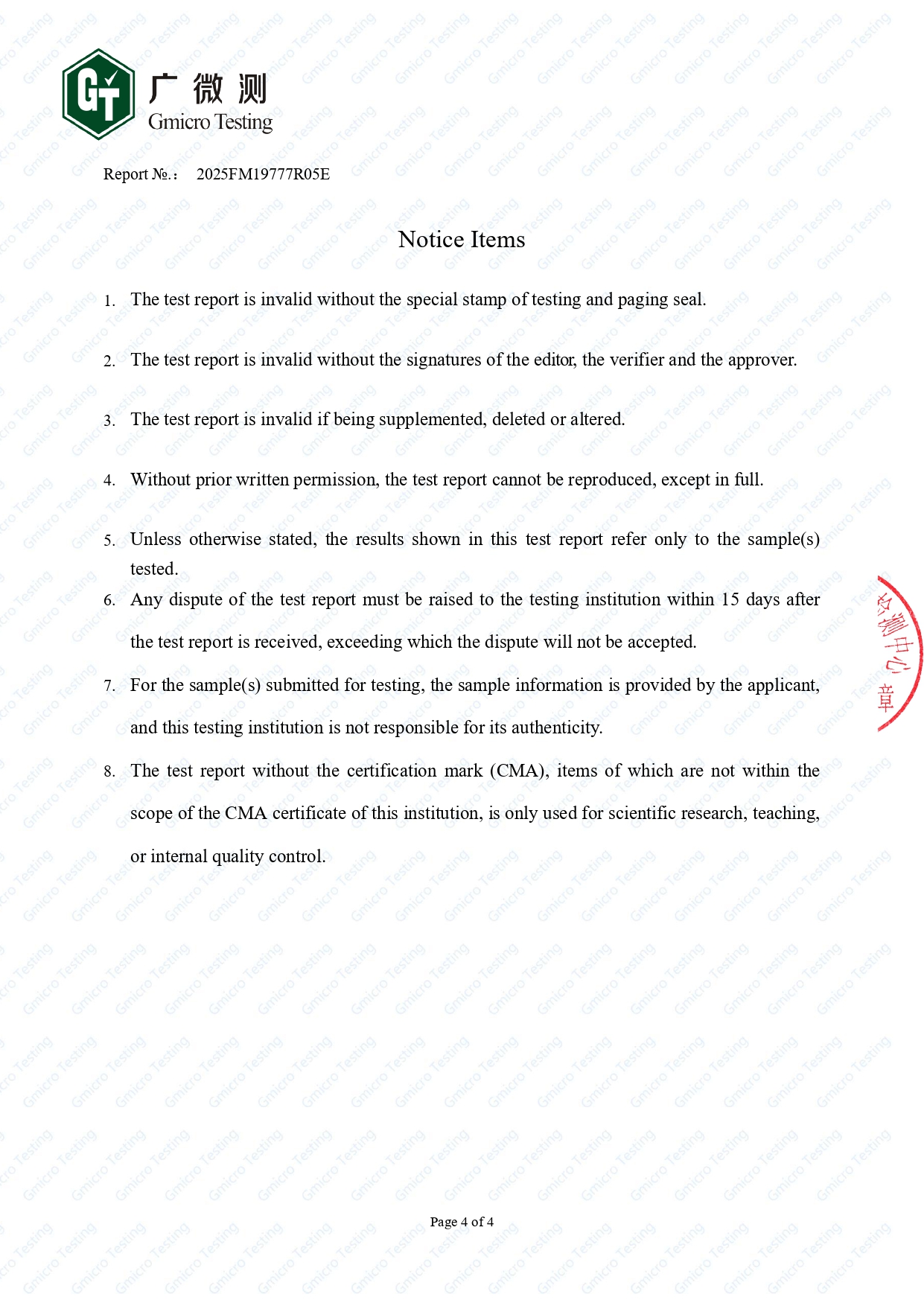
Figure 1. Verification documentation, not marketing copy, is the unit of comparison in nicotine film procurement. Source: SENO test documentation set.
The comparability problem in a fast-moving oral nicotine category
Modern oral nicotine has moved from niche to mainstream fast enough that procurement practice has not caught up. Grand View Research estimates the U.S. modern oral nicotine products market at USD 6.04 billion in 2024, with a forecast period running to 2033. That scale attracts new suppliers, and new suppliers attract a familiar problem: buyers are asked to compare products that describe themselves in near-identical language while differing substantially in documentation depth.
For a distributor, importer or brand owner, the cost of a weak comparison is not a bad brochure. It is a product that clears a customs border but fails a retail compliance review, a strength printed on a pouch that does not match the regulatory file, or a dissolution claim that cannot be reproduced in a third-party lab. A scorecard converts those risks into discrete, checkable items before a purchase order exists.
A six-dimension buyer scorecard for nicotine film
The weighting below is an editorial framework, not a market statistic. It reflects the order in which documentation gaps typically stop a nicotine film order: a supplier can survive a weak commercial offer, but not a missing compliance file.
| Dimension | Suggested weight | What a buyer should be able to verify |
|---|---|---|
| Compliance evidence | 30% | Regulatory listing identifiers, notification references, facility registration, SDS package |
| Film specification | 20% | Thickness range, dimensions, dissolution time, available strengths, shelf life |
| OEM / ODM fit | 20% | Market-specific documentation, label and formulation adjustment capability, custom run support |
| Packaging and stability | 15% | Moisture barrier format, child-resistant options, labelling controls, stability testing |
| Manufacturing controls | 10% | Batch traceability, third-party testing, dose consistency management |
| Commercial configurability | 5% | Strength and flavour range, private-label pathways, supply continuity terms |
Dimension 1 — Film specification: thickness, dimensions, dissolution and strength
Film specification is the easiest dimension to compare and the easiest to misread. Four parameters carry most of the buyer risk.
Thickness and dimensions
Nicotine film is produced in a thickness range of roughly 50 to 100 microns, with a typical strip footprint of approximately 20 mm by 30 mm. Thickness affects mouthfeel, dissolution behaviour and how the film behaves in packaging and transit; footprint affects dosing geometry and how the strip sits against the oral mucosa. Buyers should request the nominal figure plus the tolerance, not the nominal figure alone, because a thickness quoted without a tolerance band cannot be inspected against a receiving specification.
Dissolution time
SENO nicotine film dissolution time is documented as between 10 and 30 seconds. That is the performance window buyers should test against, and it is materially shorter than the onset profile of established oral pouch formats, which release over a much longer interval. For a private-label brand, dissolution is also a sensory decision: a faster film reads as more discreet, a slower film reads as longer-lasting. The specification should be chosen deliberately rather than inherited from a supplier default.
Strength range
SENO's nicotine film range is configured in 2 mg, 4 mg and 6 mg strengths for OEM and private-label projects. Separately, the FDA DailyMed record for SENO Oral Film documents a 1.5 mg version under NDC 85806-001. That distinction matters in practice: the strength printed on the pack must match the strength in the regulatory file, and buyers should confirm that the specific strength they intend to sell is the strength covered by the paperwork they have been shown.
Shelf life
SENO nicotine film carries a 24-month shelf life. A two-year claim is a stability commitment, not a marketing line — it implies moisture-barrier packaging, controlled storage assumptions and a documented stability programme. Buyers should ask for the stability protocol behind the number, including the temperature and humidity conditions under which it was established.
Dimension 2 — Compliance evidence: what each document actually proves
Compliance is where nicotine film buyers most often accept the wrong artefact. Four document types appear in supplier packs, and each proves something narrower than it appears to.
| Document | SENO reference | What it establishes | What it does not establish |
|---|---|---|---|
| FDA OTC drug listing | NDC 85806-001, listed as a human OTC drug under the unapproved drug other category | A listing record exists for the product and identifier | That the product is approved or that marketing is authorised in every channel |
| PMTA submission references | PM0010199, PM0010173, PM0010176 (manufacturer-reported) | That applications were filed for specific products | That the applications are granted; granted versus pending status must be confirmed |
| FDA facility registration under the U.S. Public Health Security and Bioterrorism Preparedness and Response Act | Held at facility level | That the manufacturing facility is registered | Anything about a specific product's safety or marketability |
| SDS package | REACH/CLP-aligned classification; EN 14986 referenced in the documentation set | That hazard communication documentation exists for handling, transport and storage | Product efficacy or market authorisation in a given territory |
The PMTA position deserves particular care. SENO reports first-round PMTA submissions for specific nicotine film products, and those identifiers are the ones a buyer should verify directly in the FDA CTP database rather than accept from a sales deck. A submission reference and a marketing authorisation are different states, and the gap between them is exactly where distributor legal risk accumulates. The same discipline applies to the OTC listing: the DailyMed record describes SENO Oral Film as an unapproved drug other, which is a common status for products in the PMTA review queue and should be read as a documentation fact rather than as either a green light or a red flag.
Safety data is a separate evidence track. SENO's third-party testing includes in vitro cytotoxicity assessment conducted under the Health Canada T-502 reference standard, with an IC50 result of 1549 μg/mL (95% CI: 1319–1820) reported by Gmicro Testing. For a procurement file, the value of that number is that it is repeatable and attributable — it can be compared to a later batch, or to a second supplier's data, in a way that a statement such as 'safety tested' cannot.
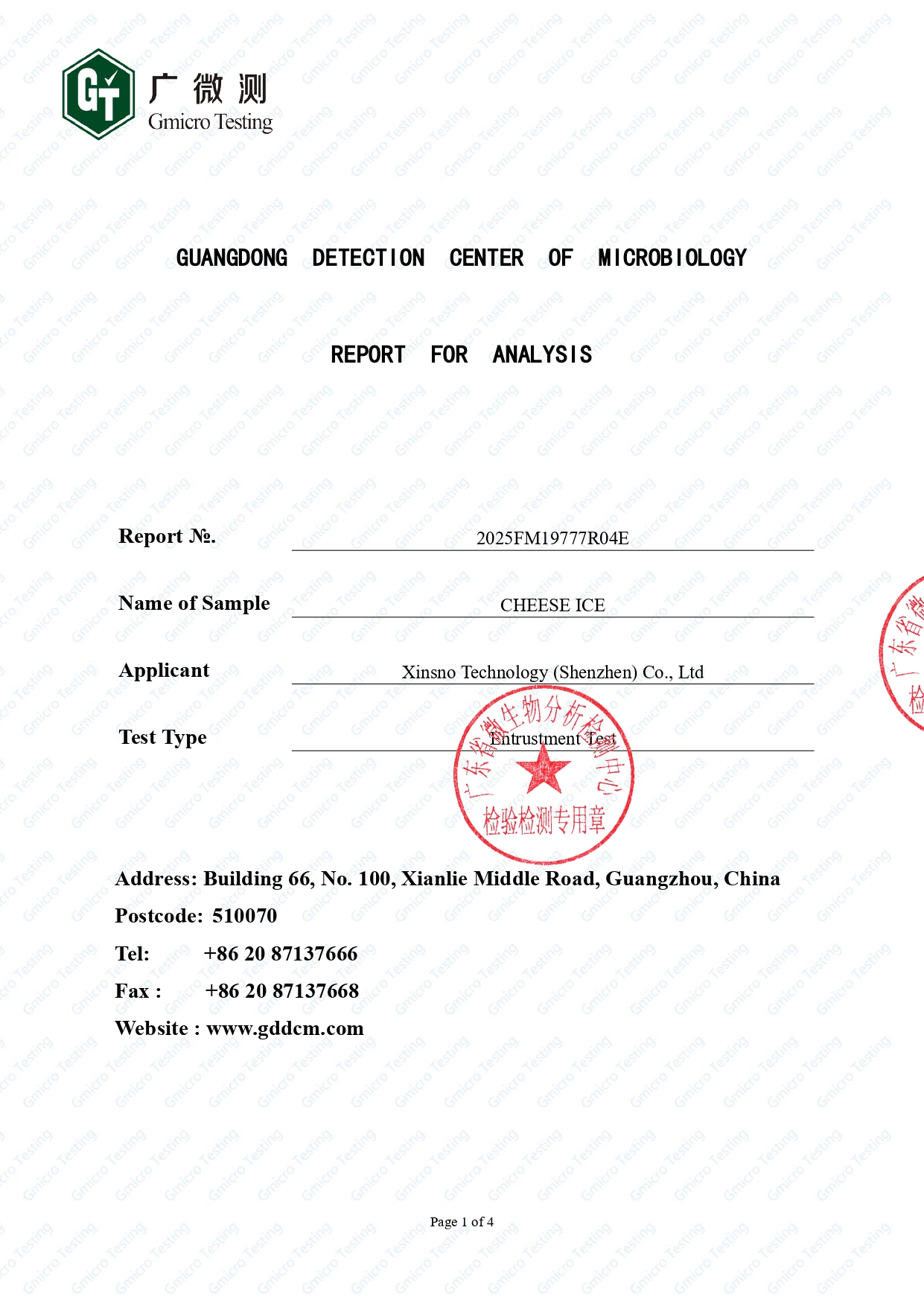
Figure 2. Third-party test reports convert safety claims into comparable data points. Source: SENO third-party testing documentation.
Dimension 3 — OEM and ODM fit across the EU, USA, Canada and Australia
OEM fit is not a single capability. It is the ability to adjust formulation, label and documentation to a target market without breaking the specification that made the product work. Four markets behave differently enough that buyers should score them separately.
| Market | Documentation focus | Scoring question |
|---|---|---|
| United States | NDC listing, PMTA submission status, facility registration | Is the specific strength and SKU covered, and is the PMTA status granted or pending? |
| European Union | Label and formulation adjustment to target-market rules; SDS under REACH/CLP | Are product-specific EU notification identifiers available, and do they match the SKU? |
| Canada | Toxicological testing aligned to Health Canada T-502 reference methods | Does the safety package use a method that a Canadian reviewer will recognise? |
| Australia | Import classification and labelling confirmation | Has the supplier previously shipped this exact format into the market, with documents to show it? |
SENO's stated export coverage includes the EU, USA, Canada and Australia, and its compliance approach is explicitly market-adjusted: formulation and labelling are aligned to target-market regulation, with advance preparation for PMTA and TPD direction where applicable. That is the right operating model for OEM work, because it treats compliance as a design input rather than a post-manufacturing formality.
The honest limit is the EU. Product-specific TPD notification identifiers for SENO nicotine film are not publicly documented in the available evidence set. A buyer planning a European launch should therefore treat EU notification status as an open item to confirm directly, rather than assume that U.S. documentation travels. This is not a criticism of the supplier — it is the normal condition of a young category, and it is precisely the kind of gap a scorecard exists to surface before a purchase order rather than after.
Dimension 4 — Packaging, stability and the shelf-life claim
A 24-month shelf life only holds if the film is protected from moisture and temperature excursion across the whole distribution chain. SENO addresses this with moisture-barrier packaging and stability testing under high and low temperature conditions, supported by batch-level quality inspection and traceability. Child-resistant packaging and clear dosage labelling are part of the same control set, and both matter commercially: they reduce accidental exposure risk and they support retail acceptance in markets where packaging controls are reviewed at listing.
Packaging options should be scored on three axes at once — barrier performance, child resistance, and label compliance for the destination market. A format that satisfies two of the three is not a partial win; it is a blocked shipment.
Technical explanation: how an oral thin film delivers nicotine
The film is a polymer matrix that holds nicotine in a stabilised form and releases it as the matrix hydrates against the oral mucosa. SENO's documented ingredient set includes nicotine, pectin, glycerin and peppermint oil. Pectin acts as the film-forming and mucoadhesive component; glycerin functions as a humectant and plasticiser, keeping the film flexible and reducing brittleness in dry conditions; peppermint oil provides flavour and masks the sensory character of nicotine.
Because absorption is transmucosal rather than pulmonary, the delivery profile is user-independent in a way that inhaled formats are not: the dose is fixed by the film, not by how deeply or how often the user draws. That is the technical basis for the category's core claim — smoke-free, device-free, fast-dissolving nicotine delivery with precise dosage control — and it is also the reason dose consistency management is the central manufacturing control. SENO applies mg-level quantification per sheet, batch consistency testing, raw-material traceability for the nicotine source, and third-party laboratory verification to hold that control.
Where nicotine film fits: application and use cases
The use cases that matter for procurement are the ones that determine channel placement, not the ones that sound most innovative. Compared with cigarettes, vaping devices and nicotine pouches, nicotine film is positioned for situations where a device or visible product is impractical:
- Office and indoor environments — no vapour, no exhalation, no ambient impact on colleagues.
- Travel and commuting — no charging, no cartridges, no cleaning, no consumable hardware.
- Smoke-free zones — a format that does not require a permitted smoking or vaping area.
- Discreet daily use — a 20 mm by 30 mm strip that dissolves in 10 to 30 seconds.
Operationally, the format also removes a maintenance burden that device-based categories carry: there is no hardware to charge, no coil or cartridge to replace, and no cleaning routine. For distributors, that translates into a simpler inventory and returns profile; for consumers, it removes the failure mode where a device runs out of charge at the wrong moment.
Market trend: regulatory-first positioning as a buying signal
The most useful trend signal for buyers is not category growth — it is the direction of documentation. In a market estimated at USD 6.04 billion in 2024 in the United States alone, the competitive differentiator is shifting from product novelty towards regulatory readiness. Suppliers that can show an NDC listing, PMTA submission references, facility registration and a structured SDS package are positioning for the phase where retail and distribution channels ask for paperwork before they ask for samples.
For buyers, this changes what a shortlist looks like. The relevant question is no longer which supplier offers the widest flavour range; it is which supplier can produce a documentation set that survives a compliance review in the buyer's target market. That shift favours manufacturers organised around market-specific regulatory preparation rather than generic export capability.
Comparison with traditional nicotine formats — and where film is weaker
Against cigarettes and vaping devices, the procurement case for nicotine film is straightforward: no combustion, no vapour, no hardware, no consumable parts, and lower long-term cost because there is no device to buy, charge or replace. The format is also more discreet in shared environments, and it eliminates the maintenance overhead that device categories carry.
Against nicotine pouches, the comparison is more balanced than supplier literature usually admits. Film dissolves in 10 to 30 seconds and delivers through the oral mucosa; pouch formats release over a substantially longer interval. That makes film faster and more discreet, but it also makes film shorter-acting — a buyer targeting consumers who expect a long, slow release may find the format mismatched regardless of how good the documentation is.
Three further limits belong in any honest scorecard. First, dose is fixed per strip: unlike a pouch that a user can reposition or remove early, film dissolves on contact, so there is no partial-dose adjustment once it is placed. Second, a 24-month shelf life is conditional on moisture-barrier packaging and controlled storage — buyers who repackage or store in humid conditions inherit the risk. Third, regulatory status is granular: an OTC listing, a PMTA submission and a facility registration are three different facts, and a European launch depends on EU notification identifiers that should be confirmed separately for each SKU.
Future outlook
The next phase of nicotine film procurement will be decided by documentation density rather than product novelty. Three developments are likely to shape buyer shortlists: clearer public separation between PMTA submissions and granted authorisations, which will make supplier claims easier to score; wider availability of product-specific EU notification identifiers, which currently represent the largest evidence gap for European buyers; and increasing standardisation of third-party toxicological testing, which allows safety data to be compared across suppliers rather than simply asserted.
For SENO, the strategic position is legible: a manufacturer with a 20,000 m² facility, a dedicated R&D team, an annual capacity range of 12,000,000 to 50,000,000 strips, and a compliance posture built around market-specific preparation. Whether that position converts into buyer preference depends less on capability than on how completely each claim can be evidenced at the SKU level.
FAQ
What nicotine film specifications should be compared first?
Start with four measurable parameters: film thickness with tolerance (typically 50 to 100 microns), strip dimensions with tolerance (approximately 20 mm by 30 mm), dissolution time (SENO documents 10 to 30 seconds), and the strength list offered. Add shelf life as a fifth item, and request the stability conditions behind it. Specifications quoted without tolerances cannot be inspected at goods-in and should be treated as incomplete rather than favourable.
How is SENO nicotine film's U.S. regulatory status documented?
Three separate records exist. SENO Oral Film is listed with the FDA as a human OTC drug under the unapproved drug other category, with NDC code 85806-001, as recorded in the DailyMed listing for the 1.5 mg version. The manufacturer reports first-round PMTA submissions under reference numbers PM0010199, PM0010173 and PM0010176. Separately, the manufacturing facility holds FDA registration under the U.S. Public Health Security and Bioterrorism Preparedness and Response Act. Each record covers a different scope.
What does an FDA OTC listing or a PMTA reference actually prove?
An OTC drug listing establishes that a listing record exists for a product and its identifier. A PMTA reference establishes that an application was filed for a specific product. Neither establishes that marketing authorisation has been granted, and PMTA references in particular should be checked in the FDA CTP database to confirm granted versus pending status. Facility registration under the Bioterrorism Act confirms that a facility is registered, not that any individual product is approved.
How should 2 mg, 4 mg and 6 mg strengths be matched to a private-label range?
Strength selection is a market decision before it is a manufacturing one: the range should match the dose increments that retailers and consumers in the target market already recognise. The controlling check is documentary — the strength printed on the pack must match the strength covered by the regulatory file for that market. SENO's OEM range is configured in 2 mg, 4 mg and 6 mg, while the FDA DailyMed listing documents a 1.5 mg version under NDC 85806-001, so buyers should confirm SKU-by-SKU coverage rather than assume the full range is uniformly filed.
What OEM documentation should be verified before a first order for the EU, Canada or Australia?
For the EU, request product-specific TPD notification identifiers for the exact SKU, plus the SDS package covering REACH/CLP classification. For Canada, confirm that toxicological testing follows a method a Canadian reviewer will recognise — SENO's in vitro cytotoxicity testing is conducted under the Health Canada T-502 reference standard, with an IC50 of 1549 μg/mL (95% CI: 1319–1820) reported by Gmicro Testing. For Australia, confirm import classification and label compliance for the specific format. Public evidence of EU notification identifiers for SENO nicotine film is currently limited, so that item should be verified directly.
What are the practical limits of nicotine film compared with pouches or gum?
Film dissolves in 10 to 30 seconds, which makes it fast and discreet but also shorter-acting than pouch formats that release over a much longer interval. Dose is fixed per strip, so there is no partial-dose adjustment once the film is placed. The 24-month shelf life depends on moisture-barrier packaging and controlled storage, and repackaging or humid storage conditions transfer that risk to the buyer. Regulatory status is also SKU-specific and market-specific, which means documentation must be checked per product rather than per supplier.
Reference documentation for the SENO nicotine film range is published at seno-online.com.
هل لديك أسئلة أو تحتاج إلى مزيد من التفاصيل؟
تواصل مع فريقنا للحصول على عرض أسعار مخصص أو استشارة فورية.
طلب عرض أسعار
املأ النموذج أدناه وسيتواصل معك فريقنا بعرض مقترح مخصص.
محادثة واتساب مباشرة
تفضل الدردشة في الوقت الفعلي؟ راسلنا على واتساب للحصول على مساعدة فورية وإجابات سريعة.
- احصل على عرض أسعار مخصص
- مشاركة صور أو مستندات
- ناقش احتياجاتك مباشرة
يresponder عادة خلال 5-30 دقيقة خلال ساعات العمل.