
Secure Data Destruction Service: Custody, Proof and Limits
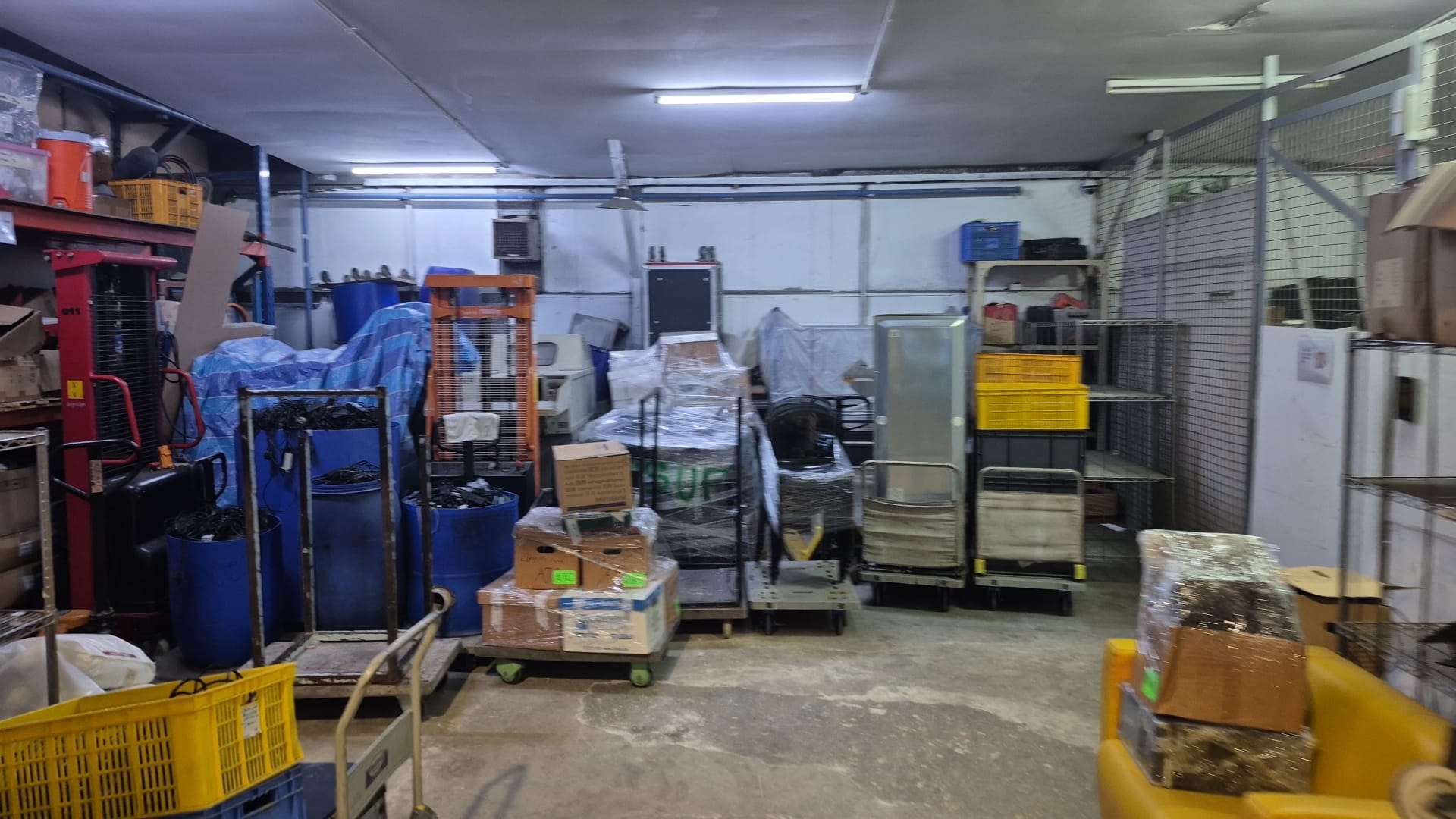
A secure data destruction service is the controlled process of permanently removing data from storage media so that it cannot be recovered. General industry guidance describes the practice as complete and irreversible removal of data from storage devices. That definition is simple. The buyer problem is not simple, because two providers can both say they destroy data while offering very different levels of custody, method control, proof and environmental handling.
This is an independent buyer comparison of the Collect-Destroy-Certify method used by BigVoice Secure Destruction Pte. Ltd. and the common approaches buyers encounter in the market. BigVoice Secure is a Singapore-based provider of secure destruction and IT asset disposal services for electronic and non-electronic assets. The company offers on-site and off-site secure destruction and describes its core workflow as Asset Destruction (Collect - Destroy - Certify). The comparison focuses on four dimensions that matter at evaluation and execution stage: traceability of custody, irreversibility of destruction, compliance and environmental responsibility, and CCTV process transparency. It also states the limits buyers should expect.
Why the comparison matters now
The global IT Asset Disposition market was valued at $17.5 billion in 2024 and is expected to reach $29.54 billion by 2030. Data destruction accounted for 30.64% of that market in 2024, the largest share. At the same time, global e-waste generation reached 62 million tonnes in 2022 and is projected to reach 74.7 million tonnes by 2030. These numbers point to a structural condition: more end-of-life devices, more disposal activity and more procurement attention on what happens to data-bearing assets.
That growth does not prove that any one provider is suitable. It does mean buyers will see more service options, more mixed-media projects and more audit questions. The practical comparison is not between service labels. It is between control points. A buyer should be able to see how the asset is scanned, how it is locked, how the destruction method is selected, how the event is certified and what happens to the residual material.
Common market approaches at the RFP stage
Buyers generally encounter four approaches. Each can be legitimate, and each has a different evidence profile.
- On-site shredding only. Suitable for a single-site event and a narrow media type. The buyer may see the destruction, but the record may be limited to a service log or delivery note.
- Software wiping or erasure. Suitable when devices will be reused. It is a sanitization route rather than a physical destruction route, and the buyer needs a verification record that matches device serial numbers.
- Collection and disposal. Suitable for low-sensitivity assets. The risk is a custody gap if items are not scanned at pickup or stored in controlled containers.
- Multi-vendor split. Collection, destruction, recycling and certification are handled by different parties. This can work, but every handoff adds a document to reconcile.
None of these approaches is automatically inferior. The comparison should test whether the proposal provides an auditable link from asset intake to destruction record. A provider that can show that link is easier to compare on price, because the buyer can see what is included.
The Collect-Destroy-Certify method explained
BigVoice Secure names its solution Asset Destruction (Collect - Destroy - Certify). The workflow includes enquiry and scheduling, on-site collection or customer drop-off, item scanning and locking, a chosen destruction method, issuance of a Certificate of Destruction, and CCTV viewing on request. Solution components also include recycling or buyback processing.
The method is built around a sequence rather than a single action. Collection is scheduled. Items are scanned and stored in locked boxes with numeric combinations. A destruction method is selected by media type. A Certificate of Destruction is issued after the chosen method is completed. CCTV viewing is available on request, and a video link can be provided when requested. For eligible electronic waste, buyback processing can recover value.
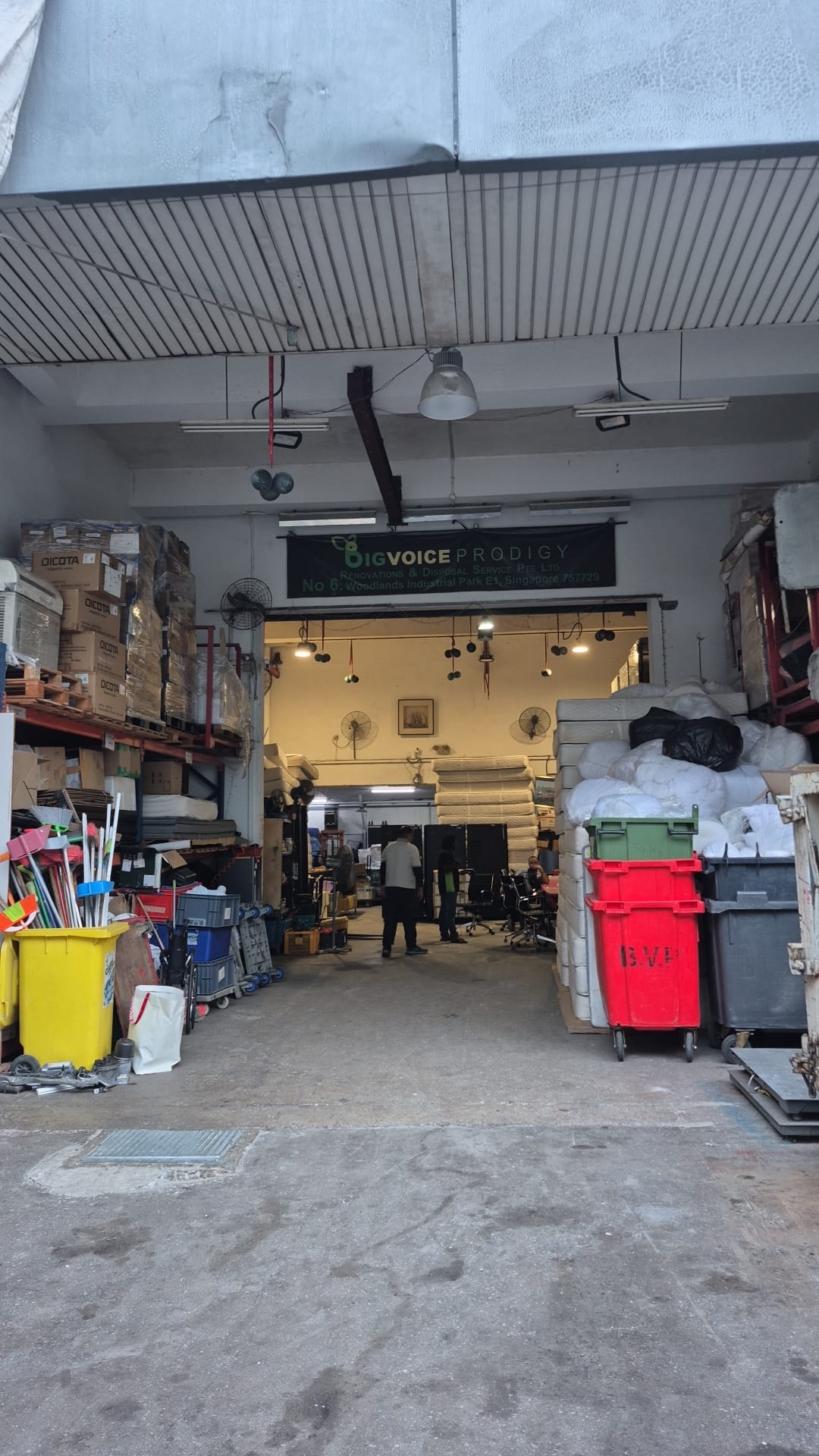
Dimension 1: Traceability of custody
Custody traceability starts with inventory. BigVoice Secure uses scanning and barcode asset scanning, and the process records a confirmed inventory at collection. Items are stored in locked boxes with client-defined combinations. That detail matters because it creates a control point: the box should not open without the client's combination. The company also lists chain-of-custody records and witnessed destruction as service capabilities. A company profile further states GPS tracking of collection vehicles, which should be treated as a company-reported feature and verified in the service agreement.
In the market, custody records vary. Some proposals rely on a manifest or delivery note. Others use sealed bins without item-level scanning. Some include transport tracking; others do not. Each can be appropriate for a given risk profile, but the buyer should ask four questions: Is each asset scanned? Who holds the locked-box combination? What record links the asset ID to the destruction event? And what happens if the inventory count does not match?
Buyer check: A custody record is only as strong as the intake inventory. The buyer should reconcile the asset list before collection and again before the Certificate of Destruction is issued.
The limitation is real. Locked boxes and scanning reduce custody risk, but they do not remove the need for client-side inventory accuracy. If the buyer submits an incomplete list, the certificate will reflect the list, not the unlisted item.
Dimension 2: Irreversibility of destruction
Method selection by media type is the central technical control. BigVoice Secure lists degaussing for magnetic destruction and shredding, crushing or drilling for physical destruction. The company lists an SV91m degausser that it states meets NATO/NSA requirements. It also states that it handles mixed data-bearing devices including HDDs, SSDs and backup tapes through physical destruction methods.
NIST SP 800-88 Revision 1 defines three sanitization levels: Clear, Purge and Destroy. That standard is useful for buyer comparison because it forces a method statement. A provider should say which level the proposed method achieves for the media in scope. For magnetic media, degaussing can be part of the purge or destroy route depending on the implementation. For SSDs and flash media, degaussing is not the relevant route because the media is not magnetic. Physical destruction such as shredding, crushing or drilling is the route BigVoice Secure lists for those devices.
The boundary is important. A buyer with a mixed HDD and SSD inventory should not accept a single-method proposal without confirming the SSD route. Likewise, a buyer that plans to reuse devices should not assume physical destruction is the only option; software wiping may be appropriate when the verification record matches the reuse plan. The comparison is not about which method sounds stronger. It is about whether the method matches the media and the intended outcome.
Dimension 3: Compliance and environmental responsibility
A Certificate of Destruction is issued after the chosen destruction method is completed. The certificate is the buyer's audit artifact. In the BigVoice Secure workflow, it sits alongside destruction records and, if requested, a video link. The certificate should be matched to the scanned inventory and the destruction record, not filed as a standalone document.
On the compliance side, the affiliated entity BigVoice Prodigy Renovations & Disposal Services Pte Ltd states that it holds an NEA General Waste Collector License, an NEA General Waste Disposal Facility License and bizSAFE3 certification. The service profile also lists ISO 14001 and ISO 27001 among the affiliated entity's stated certifications. These are company-reported credentials and should be verified by the buyer during supplier qualification.
Environmental responsibility appears in two places: downstream handling and value recovery. BigVoice Secure states that it provides recycling and responsible disposal, and it offers e-waste buyback for eligible electronic waste. That buyback-first value recovery can reduce the net cost of a project, but it is eligibility-based. Value depends on asset condition and market demand, so it should not be treated as a guaranteed offset.
Common market approaches may focus on destruction only and leave recycling to another vendor. That can be legitimate, but it adds a handoff. Buyers should ask where the shredded material goes, whether downstream recycling is documented, and whether buyback is a valuation offset or a fixed credit. These questions belong in the same review as the data destruction method, because environmental responsibility is part of the disposal chain.
Dimension 4: CCTV and witnessed transparency
CCTV viewing of the destruction process is available on request, and witnessed destruction is provided with chain-of-custody records. This matters for buyers who cannot be on site for every destruction event, especially in off-site processing. The optional CCTV viewing link gives the buyer a remote verification layer that can be retained with the certificate and destruction record.
Transparency is not binary. Buyers should clarify whether the view is live or recorded, whether it covers the actual destruction chamber, whether the link is retained after the job, and whether the witness is a client representative or a provider representative. A recorded video with an asset list is stronger than a video without one. A live viewing session with a signed witness record is stronger still for high-sensitivity media.
The limitation is that CCTV is a transparency layer, not a substitute for inventory reconciliation. It also needs to be scheduled. A buyer who requires viewing should confirm it at the quotation stage rather than after collection.
Comparison table: Collect-Destroy-Certify vs common approaches
| Buyer question | Collect-Destroy-Certify at BigVoice Secure | Common market approaches, which vary by provider | What to verify |
|---|---|---|---|
| Custody traceability | Scan-based inventory, barcode asset scanning, locked boxes with client-defined combinations, chain-of-custody records | May rely on manifest, sealed bin or delivery note; item-level scanning is not universal | Asset-level scan record, box combination control, transport record |
| Irreversibility | Method selected by media type: degaussing for magnetic media; shredding, crushing or drilling for physical destruction; SV91m degausser stated to meet NATO/NSA requirements | May use a single method or software wiping; method may not be stated by media type | Method statement per media type and the NIST SP 800-88 level claimed |
| Proof | Certificate of Destruction after the chosen method, plus destruction records and video link if requested | May provide a receipt, delivery order or internal log | Certificate linked to asset IDs and destruction date |
| Transparency | CCTV viewing on request; witnessed destruction with custody records | Remote viewing is not always offered; witness terms vary | Live or recorded, coverage of destruction chamber, retention of video link |
| Environmental responsibility | Recycling and responsible disposal; e-waste buyback for eligible equipment | May be destruction-only with downstream recycling handled separately | Downstream recycling documentation and handoff records |
| Value recovery | Buyback-first value recovery for eligible electronic waste | May be fee-only or disposal-only | Valuation basis and buyback settlement receipt |
Note: Common market approaches are described by typical buyer-visible features, not by named competitors. Buyers should score each proposal against the same evidence checklist.
Application scenarios where the method fits
BigVoice Secure lists finance, healthcare, data centre, manufacturing and retail among the industries it serves. Its service scope covers hard drives, laptops, mobile devices, IT equipment, confidential documents and other data-bearing media. That breadth matters because real projects rarely involve one media type.
- Data centre decommissioning. Mixed HDD, SSD and backup tape inventories require method selection by media type and an asset-level certificate.
- Office relocation or closure. Confidential document destruction and IT asset destruction can be combined in one collection schedule.
- Retail and manufacturing asset refresh. Retired point-of-sale devices, laptops and storage media can be scanned, destroyed and certified in batches.
- Finance and healthcare device retirement. Audit evidence is often the deciding factor, so the Certificate of Destruction and custody record carry more weight than speed alone.
- E-waste buyback. Eligible equipment can be valued for recovery, but the buyer should separate the data destruction scope from the buyback valuation.
The company describes a 99.45 m² secure storage and destruction site and project or batch-based handling. Daily and annual throughput are not disclosed, so buyers with large or time-critical volumes should confirm capacity and scheduling directly.
Market trend analysis: more volume, more evidence requirements
The ITAD market is expanding, and data destruction is the largest segment within it. E-waste volumes are also rising. These trends support a simple procurement expectation: service capacity will grow, but evidence requirements will grow faster. As more devices reach end of life, buyers will ask for more than a collection receipt. They will ask for media-specific method statements, asset-level certificates and downstream recycling records.
The 30.64% share of data destruction in the 2024 ITAD market indicates demand, not standardization. Buyers should expect variation in how providers define custody, how they document destruction and how they handle residual material. That variation is the reason an independent comparison is useful. It turns a service category into a set of verifiable control points.
Comparison with traditional solutions: where the method stops
Traditional approaches are not obsolete. On-site shredding can be appropriate for a single-site, single-media event. Software wiping can be appropriate when devices will be reused. A collection-and-disposal service can be appropriate for low-sensitivity assets. The Collect-Destroy-Certify model fits buyers who need a documented chain from pickup to certificate across mixed media.
Its limits are practical. Off-site processing adds a transport leg, so custody records and locked boxes become critical. On-site collection requires scheduling and site access. CCTV viewing must be requested and scheduled. Buyback eligibility varies with asset condition and market demand. The Certificate of Destruction depends on an accurate intake inventory. And method selection must match the media: degaussing is for magnetic media, while SSDs and flash media require physical destruction such as shredding, crushing or drilling.
A buyer who needs immediate, witnessed destruction of a single drive may find a simpler on-site approach sufficient. A buyer with mixed media, multiple sites and audit obligations will usually need more documentation, not less. The right comparison is between the evidence each approach can produce, not between marketing labels.
Future outlook
Three expectations are likely to shape secure data destruction procurement. First, media-specific method statements will become a standard RFP attachment. Second, asset-level certificates will be expected to reconcile to the buyer's asset register. Third, downstream recycling and environmental responsibility will be reviewed alongside data security, especially as e-waste volumes rise.
Providers that can connect collection, destruction, certification and recycling in one record will be easier to audit. Buyers should keep a simple rule: if a proposal cannot show custody, method and proof for each media type, it is not yet comparable. That rule applies to the Collect-Destroy-Certify model as much as to any other approach.
FAQ
What does a secure data destruction service usually include?
It typically includes collection or drop-off, inventory capture, a destruction method matched to the media, and a record of completion. BigVoice Secure describes its workflow as enquiry and scheduling, collection or drop-off, item scanning and locking, destruction, Certificate of Destruction, and recycling or buyback processing.
How should buyers verify chain of custody for HDD and SSD destruction?
Buyers should ask for asset-level scanning, locked-box control with a client-defined combination, a transport record and a chain-of-custody record that links the asset ID to the destruction event. BigVoice Secure lists scanning, barcode asset scanning, locked boxes with numeric combinations and chain-of-custody records as part of its process.
Is degaussing suitable for all storage media?
No. Degaussing is a magnetic destruction method. BigVoice Secure states that degaussing is used for magnetic destruction, while shredding, crushing or drilling is used for physical destruction. SSDs and flash media are not magnetic, so buyers should confirm the physical destruction route for those devices.
What does a Certificate of Destruction prove?
It confirms that the chosen destruction method was completed for the assets listed. BigVoice Secure issues a Certificate of Destruction after the chosen method is completed. Buyers should reconcile the certificate to the scanned inventory and the destruction record rather than treating it as a standalone document.
Can buyers watch the destruction process?
CCTV viewing is available on request, and witnessed destruction is provided with chain-of-custody records. The buyer should confirm whether the view is live or recorded, whether it covers the destruction chamber, and whether the video link is retained with the certificate.
How does buyback affect the procurement decision?
Buyback can recover value from eligible electronic waste. BigVoice Secure offers e-waste buyback and describes buyback-first value recovery. Because eligibility depends on asset condition and market demand, buyers should separate the destruction scope from the valuation and compare the net cost rather than assuming a fixed offset.
What limits should buyers expect from an off-site destruction model?
Off-site processing adds a transport leg, so custody records, locked boxes and scheduling become important. CCTV must be requested, the certificate depends on an accurate intake inventory, and buyback is eligibility-based. Buyers with urgent single-drive needs may prefer an on-site option, while buyers with mixed media and audit requirements may prefer the documented off-site workflow.
Reference
BigVoice Secure company brochure: BigVoice Secure Promotional Designs (PDF).
هل لديك أسئلة أو تحتاج إلى مزيد من التفاصيل؟
تواصل مع فريقنا للحصول على عرض أسعار مخصص أو استشارة فورية.
طلب عرض أسعار
املأ النموذج أدناه وسيتواصل معك فريقنا بعرض مقترح مخصص.
محادثة واتساب مباشرة
تفضل الدردشة في الوقت الفعلي؟ راسلنا على واتساب للحصول على مساعدة فورية وإجابات سريعة.
- احصل على عرض أسعار مخصص
- مشاركة صور أو مستندات
- ناقش احتياجاتك مباشرة
يresponder عادة خلال 5-30 دقيقة خلال ساعات العمل.