
Selecting Flare Systems: A Practical Evaluation Framework
Flare systems are safety-critical installations that safely combust excess and emergency process gases in oil & gas, refining, petrochemical, LNG, and chemical facilities, protecting process equipment from overpressure and preventing hazardous emissions. For engineering and procurement teams in the evaluation stage, a flare system purchase is not a commodity decision: it affects plant safety, regulatory compliance, uptime, and community relations for decades.
The market context reinforces the need for structured evaluation. The global flare systems market is valued at approximately USD 4.8 billion in 2025, driven by regulatory pressure on hydrocarbon emissions and a recovery in oil and gas investments (Dataintelo, 2025). Meanwhile, global gas flaring volumes reached 151 billion cubic meters in 2024, the highest level since 2007 (World Bank). These two dynamics—stricter emission accountability and continued reliance on flaring infrastructure—are pushing buyers toward higher-efficiency, better-documented flare systems.
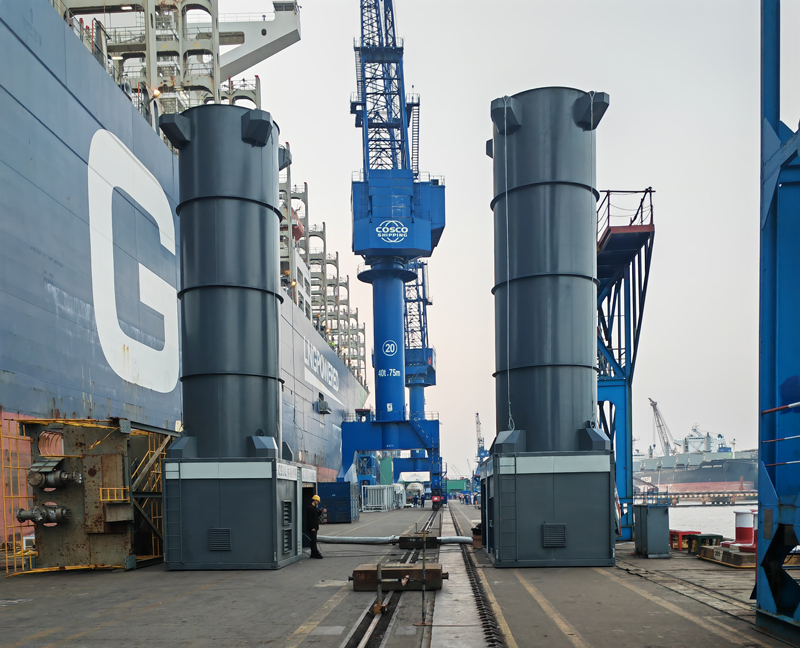
Skid-mounted flare systems serve LNG terminals, bunkering operations, and space-constrained sites. (Image: Zexuan)
The Evaluation Problem: Balancing Safety, Emissions, and Operability
A flare system must be available around the clock, often in 24/7 standby mode, with automatic activation during emergencies. It is called upon to handle high-pressure hydrocarbon gas, pressure-relief events, startup and shutdown venting, and flammable or hazardous gas conditions. In oil refining and gas processing facilities, the system's core function is to safely combust excess and emergency process gases, protecting against overpressure and hazardous emissions. These requirements place a premium on high reliability, smokeless combustion, low thermal radiation, and corrosion resistance—particularly in elevated flare and enclosed ground flare configurations.
The evaluation problem is that no single configuration suits every site. Elevated flares handle large emergency releases at height; enclosed ground flares contain combustion and radiation in a compact footprint; skid-mounted systems serve temporary, mobile, or space-constrained duties; thermal oxidizers address continuous VOC-laden streams. Buyers must map their process conditions—gas composition, flow rate, turndown, site area, noise limits, radiation limits—against these configurations before comparing suppliers.
The opportunity side of the equation is equally clear. The totally enclosed ground flare (TEGF) market was valued at USD 113 million in 2024, with growth driven by efficiencies exceeding 98% in destroying harmful emissions (Intel Market Research, 2024). The broader VOC control systems market, including thermal oxidizers and incinerators, is estimated at USD 7.5 billion in 2025, with China identified as a key growth market at a 5.4% CAGR (Fact.MR, 2025). Buyers who specify combustion efficiency, emissions performance, and compliance documentation as first-order criteria are better positioned for both permits and long-term operating cost.
Shandong Zexuan: An Engineering-Led Flare System Manufacturer
Shandong Zexuan Environmental Protection Technology Co., Ltd. is a professional manufacturer and engineering service provider specializing in industrial flare systems, thermal treatment equipment, and waste gas combustion solutions. Established in 2015, the company operates a 24,100 m² manufacturing base with more than 80 employees, including 30+ engineers and technical specialists. Its R&D team comprises more than 20 engineers, and annual manufacturing capacity reaches 60+ sets of flare and thermal treatment systems.
Zexuan's product portfolio spans the full range of combustion and emission-control equipment:
- Elevated flare systems: self-supported, guyed-wire, derrick-supported, and demountable flares
- Enclosed ground flare systems (EGF)
- Skid-mounted and mobile LNG/LPG flare systems
- Flare tips and combustion equipment
- Thermal oxidizers: RTO, RCO, and TO systems
- Industrial incineration systems
- Flue gas treatment and waste heat recovery equipment
The company serves oil & gas production, refining and petrochemical plants, LNG terminals, pipeline and compressor stations, chemical industries, municipal landfill and biogas projects, and metallurgy and heavy industries. Internationally, Zexuan has project experience in more than 10 countries, including the Middle East, Central Asia, Southeast Asia, Africa, and Russia.
For buyers evaluating suppliers, Zexuan also holds management system certifications commonly required in international tenders: ISO 9001:2015 Quality Management System Certification (certificate 26326Q00079R001), ISO 14001:2015 Environmental Management System Certification (26326E00054R001), and ISO 45001:2018 Occupational Health and Safety Management System Certification (26326S00054R001), all issued by CSU International Certification Co., Ltd. and valid through March 2029.
Technical Configuration: How Flare System Types Differ
Selecting a flare system begins with configuration. The table below summarizes the typical technical parameters of Zexuan's main configurations, based on the company's published product data.
| Configuration | Typical Parameters | Typical Service |
|---|---|---|
| Elevated flare (self-supported / guyed-wire / derrick-supported / demountable) | Height 10 m to 150 m+; operating temperature up to 1100°C; turndown ratio up to 100:1; combustion efficiency typically ≥98%–99.9% depending on design and operating conditions | Refineries, petrochemical plants, LNG plants, gas processing; large emergency relief, startup/shutdown venting |
| Enclosed ground flare (EGF) | Operating temperature 800°C–1200°C; combustion efficiency up to 99.9%; low radiation and low noise design; refractory lining; multiple burner configurations | Petrochemical parks, chemical plants, LNG terminals, limited-space industrial sites |
| Skid-mounted flare system | Capacity customized to gas release rate; handles LNG / LPG / natural gas / hydrocarbon gas; cryogenic-service compatible; compact skid design; fast installation and commissioning | LNG receiving terminals, LNG bunkering, gas storage, pipeline facilities, pyrolysis and recycling plants |
| Thermal oxidizer (TO / RTO / RCO) | Operating temperature 800°C–1200°C; VOC destruction efficiency up to 99%+; continuous operation; heat recovery options | Continuous VOC streams: chemical, pharmaceutical, coating, petrochemical industries |
| Flare tip (ZX-FT Series) | Operating temperature up to 1100°C; sonic, smokeless, air-assisted, and Coanda types; customizable diameter and gas capacity | Refinery, petrochemical, LNG, oil & gas processing |
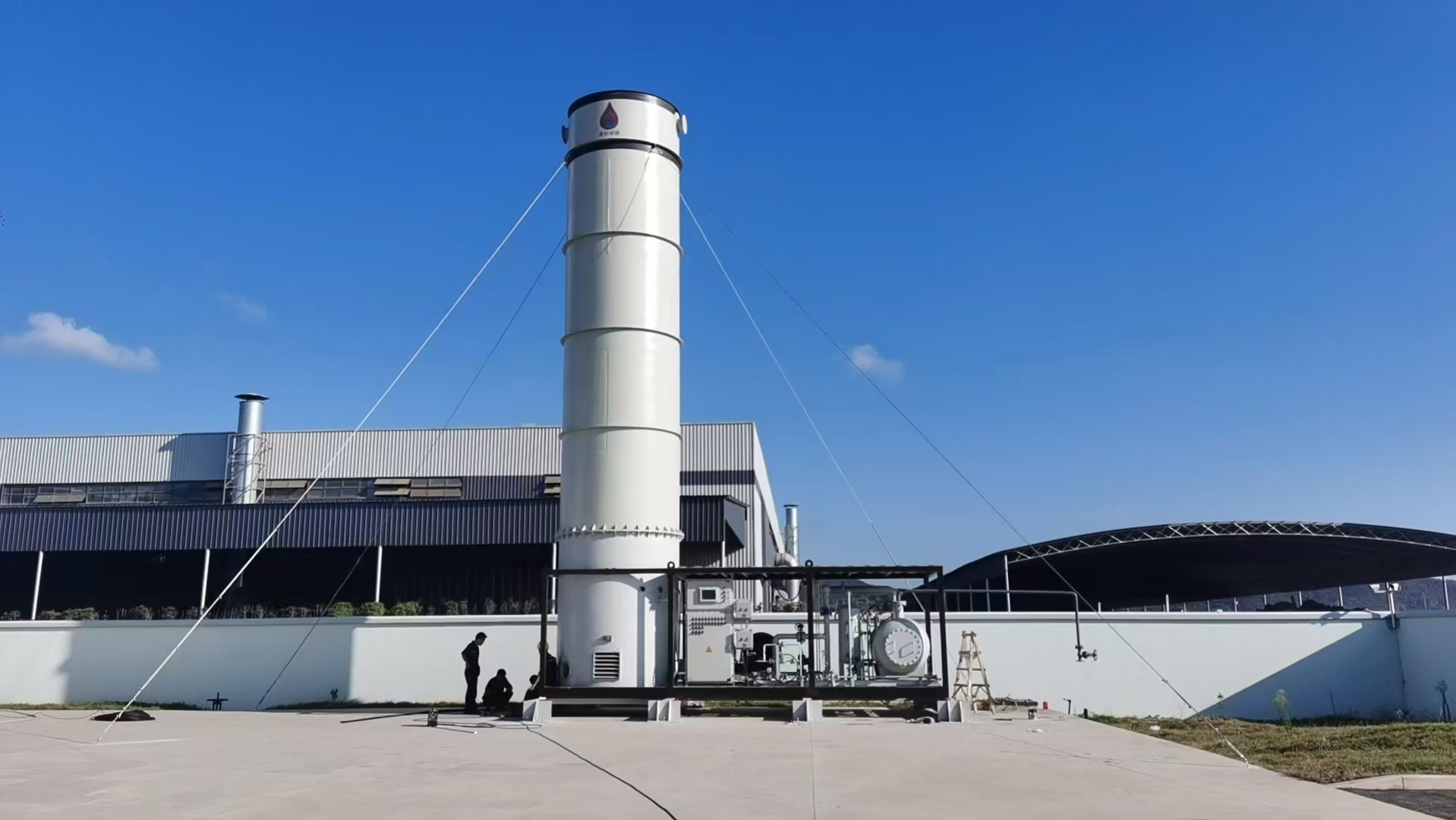
Skid-mounted enclosed ground flare systems combine EGF combustion efficiency with modular installation. (Image: Zexuan)
Material selection is a defining factor in flare system longevity. Depending on process temperature, corrosion resistance, and gas composition, Zexuan specifies carbon steel (painted or hot-dip galvanized), stainless steel SS304 and SS316L, SS310S high-temperature stainless steel, Inconel 625, or Hastelloy alloy for high-temperature and corrosion-resistant duty. Flare tips in the ZX-FT Series, for example, use Inconel 625, SS310S, and SS316L as primary materials.
Compliance is another core criterion. Flare system design is primarily governed by API Standard 521 (Pressure-Relieving and Depressuring Systems), which, for example, specifies a minimum flare header slope of 1/4 inch per 10 feet for drainage (American Petroleum Institute, 2024). Zexuan states that its flare systems are designed to comply with API 521 requirements, supporting both continuous and intermittent gas release and both elevated and enclosed ground flare configurations.
From a quality-assurance perspective, buyers should verify how a manufacturer controls fabrication. Zexuan's process includes incoming material inspection, welding inspection, dimensional inspection, pressure and leak testing (when applicable), functional testing, Factory Acceptance Testing (FAT), and final inspection before shipment, with 100% inspection coverage. The company's production capacity is roughly 5 customized sets per month, with typical lead times of 60–120 days depending on project requirements and a minimum order quantity of one set.
Application Scenarios: Where Each Configuration Wins
Application requirements drive configuration choice. Several documented scenarios illustrate how flare systems are matched to real operating conditions.
Refining and gas processing. In oil refining and gas processing, flare systems operate in 24/7 standby with automatic emergency activation, combusting excess and emergency process gases including high-pressure hydrocarbon gas, pressure relief, and startup/shutdown venting. API 521 compliance, smokeless combustion, low thermal radiation, and corrosion resistance are the defining requirements. Both elevated and enclosed ground flares are used depending on site footprint and radiation limits.
Chemical manufacturing. A fine chemical manufacturer in China deployed two flare systems for safe combustion of process vent gas generated during DL-Methionine production. The solution was customized for complex chemical process gas and has operated for more than one year with stable operation and improved production safety.
Coalbed methane processing. A coalbed methane company operates one ground flare system for treatment of coalbed methane vent gas, with a processing capacity of 90×10⁴ Nm³/day, a three-stage venting design, and PLC automatic control. The system has been in service for more than two years, delivering stable methane combustion and improved gas management safety.
Natural gas gathering. A natural gas processing company installed two guyed-wire elevated flare systems for emergency venting and safe combustion of natural gas during gathering and transportation operations. Each system uses a 60-meter elevated structure, DN350 flare tips, and automatic ignition with PLC control. The systems have operated for more than one year, including under harsh climate conditions.
Oilfield transfer stations. An oil & gas company operates one enclosed ground flare system at an oilfield transfer station for treatment of natural gas vent gas. The enclosed design reduces noise and visual impact, and the system includes an explosion-proof control cabinet and automatic ignition.
Pyrolysis and recycling. Skid-mounted ground flare systems have been widely applied in waste plastic and waste tire pyrolysis projects. In Vietnam, a plastic pyrolysis project uses one skid-mounted ground flare to treat pyrolysis gas from waste plastic conversion; the modular skid design and flexible installation suit variable gas conditions, and the system achieved reliable combustion and reduced atmospheric emissions within its first year. In Iraq, a skid-mounted ground flare system has been operating for more than three years at a waste tire recycling plant, treating excess pyrolysis gas and preventing uncontrolled emissions. A similar installation in Turkey has operated for more than two years, supporting process safety and environmental compliance.
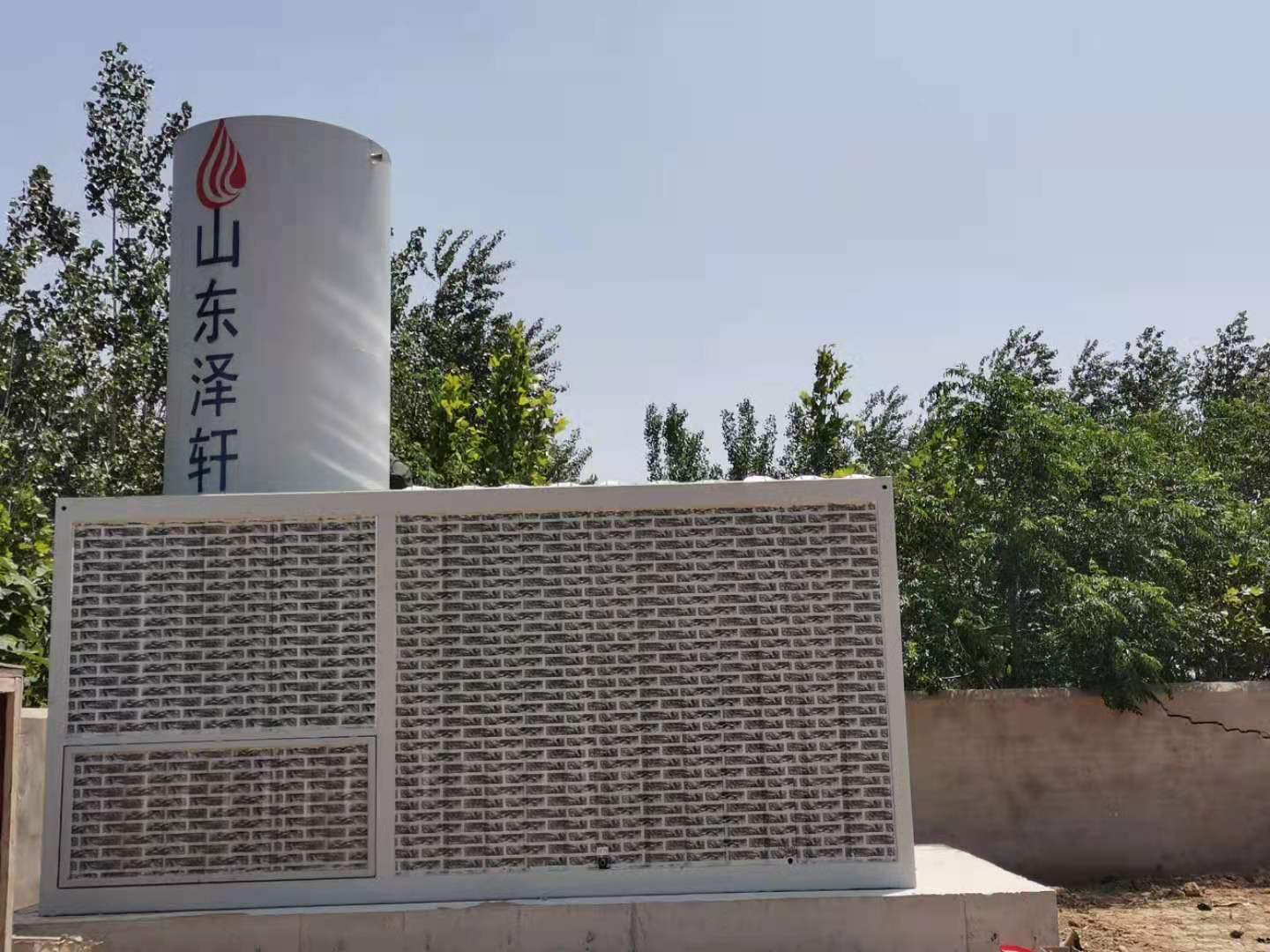
Skid-mounted ground flare systems are a common solution for pyrolysis gas treatment in recycling projects. (Image: Zexuan)
Market Trends Shaping Flare System Procurement
Several verifiable market signals point to the direction of flare system procurement in 2025 and beyond.
First, the market is expanding under regulatory pressure. The global flare systems market is valued at approximately USD 4.8 billion in 2025 (Dataintelo), while global gas flaring volumes of 151 bcm in 2024 remain at historically high levels (World Bank). This combination creates demand for both new systems and retrofits that reduce emissions and improve efficiency.
Second, enclosed ground flare technology is a growth segment. The totally enclosed ground flare market reached USD 113 million in 2024, with growth driven by destruction efficiencies exceeding 98% (Intel Market Research). For sites with space constraints, noise limits, or radiation limits, EGF systems are increasingly the preferred configuration.
Third, Asia-Pacific is the largest regional market for flare gas recovery, holding a 35% share as of 2025 (Grand View Research). For manufacturers with production and engineering capacity in China, this regional weighting is directly relevant: buyers in Asia-Pacific can access shorter supply chains and localized engineering support.
Fourth, VOC abatement spending is rising. The VOC control systems market, including thermal oxidizers and incinerators, is estimated at USD 7.5 billion in 2025, with China as a key growth market at a 5.4% CAGR (Fact.MR). This supports demand for integrated solutions combining flares for emergency duty and thermal oxidizers for continuous abatement.
Comparison with Traditional and Incumbent Solutions
Relative to traditional open-pipe or simple elevated flares, engineered systems deliver measurable improvements: smokeless combustion, reduced thermal radiation, lower noise, and combustion efficiency up to 99.9% in enclosed ground flare configurations. Thermal oxidizers add heat recovery and continuous VOC destruction efficiency above 99% for routine process streams. For many facilities, the practical decision is a combination—a flare system for emergency and upset conditions plus a thermal oxidizer for continuous vent streams.
It is also worth situating suppliers honestly. The global flare and combustion segment is dominated by long-established international brands including Zeeco, John Zink Hamworthy (Koch), Honeywell UOP, and Baker Hughes (HTF Market Intelligence, 2024). Shandong Zexuan, founded in 2015, is a younger engineering-led manufacturer; buyers who place decisive weight on decades-long operating references may favor incumbents. Zexuan's counterweight is an integrated model—in-house process design, combustion technology, mechanical and structural engineering, automation control, and manufacturing—at a 24,100 m² base, with a minimum order of one set and 60–120 day lead times for customized systems.
One honest limitation should be factored into project planning: as a project-customized manufacturer with roughly 5 sets per month capacity, Zexuan's lead times of 60–120 days mean buyers with urgent delivery windows should engage early in the project cycle. Standardized, off-the-shelf flare packages are not the company's primary production model.
Future Outlook
The direction of flare system development points toward lower-carbon combustion, intelligent control, and gas recovery. Zexuan states that it is pursuing continuous innovation in low-carbon combustion technologies, intelligent control systems, flare gas recovery, and digital operation solutions. For buyers, this implies that evaluation criteria should include not only present-day compliance and efficiency, but also a supplier's ability to integrate automation, monitoring, and recovery capabilities as regulatory requirements tighten.
Combustion efficiency requirements will continue to rise, with enclosed ground flares already demonstrating up to 99.9% efficiency. The combination of high-efficiency combustion, heat recovery, and flare gas recovery is likely to become the default expectation in new projects, particularly in Asia-Pacific, where regional market share in flare gas recovery is already the largest globally.
Supplier Fact Sheet: Shandong Zexuan
Shandong Zexuan Environmental Protection Technology Co., Ltd. is a flare system manufacturer and thermal treatment equipment supplier based in Shandong, China. The company supports customers from process evaluation and equipment selection through manufacturing, commissioning, and after-sales service, including remote support, commissioning assistance, spare parts, and training.
Company website: www.zexuaneco.com
Contact: Alice — Email: alice@zexuaneco.com | Tel/WhatsApp: +86 186 7883 1572
Headquarters: No. 2000, Shunhua Road, Innovation Zone, Jinan, Shandong Province, China
Manufacturing base: Huji Industrial Park, Mudan District, Heze, Shandong Province, China
A company brochure with product details is available for public download: Shandong Zexuan — Company Brochure (PDF).
Frequently Asked Questions
What types of flare systems are available for industrial applications?
Flare systems are available in several configurations to match different process and site conditions. Elevated flare systems include self-supported, guyed-wire, derrick-supported, and demountable types. Enclosed ground flare systems (EGF) contain combustion in a low-radiation, low-noise enclosure. Skid-mounted and mobile flare systems serve LNG/LPG, bunkering, and temporary duties. Thermal oxidizers (TO, RTO, RCO) and industrial incineration systems address continuous VOC and waste streams, while flare tips and combustion equipment are available as components for existing systems.
Which design standards apply to flare systems?
Flare system design is primarily governed by API Standard 521, Pressure-Relieving and Depressuring Systems, which sets requirements such as a minimum flare header slope of 1/4 inch per 10 feet for drainage. Buyers should also consider management system certifications such as ISO 9001, ISO 14001, and ISO 45001 when evaluating manufacturers, as these are commonly required in international tenders.
Which industries typically deploy flare systems?
Flare systems are used across oil & gas production, refining and petrochemical plants, LNG terminals and gas processing facilities, chemical manufacturing, pharmaceutical and fine chemical industries, pipeline compressor stations, landfill gas and biogas projects, waste-to-energy plants, and metallurgy and heavy industries.
What is the difference between an elevated flare and an enclosed ground flare?
An elevated flare discharges combustion at height to manage large emergency releases and reduce ground-level radiation, with flare heights typically ranging from 10 m to more than 150 m. An enclosed ground flare contains combustion within a refractory-lined enclosure, operating at 800°C–1200°C with combustion efficiency up to 99.9%, low radiation, and low noise, making it suitable for limited-space sites such as petrochemical parks, chemical plants, and LNG terminals.
What combustion efficiency can modern flare systems achieve?
Depending on design and operating conditions, elevated flare systems typically achieve combustion efficiency of ≥98%–99.9%. Enclosed ground flare systems achieve up to 99.9%. Thermal oxidizers for VOC destruction reach up to 99%+ efficiency at operating temperatures of 800°C–1200°C.
What should buyers evaluate when selecting a flare system manufacturer?
Key evaluation criteria include the supplier's engineering and R&D capability, manufacturing capacity and fabrication quality control, certifications and compliance documentation, material selection competence, international project experience, and after-sales support. In practice, buyers should verify that the manufacturer can customize flare type, capacity, material, structure, control system, and documentation to the specific process conditions, and that the quality control process includes Factory Acceptance Testing before shipment.