
Selecting Glass Beads for Road Marking: Project-Specific Requirements and Solutions
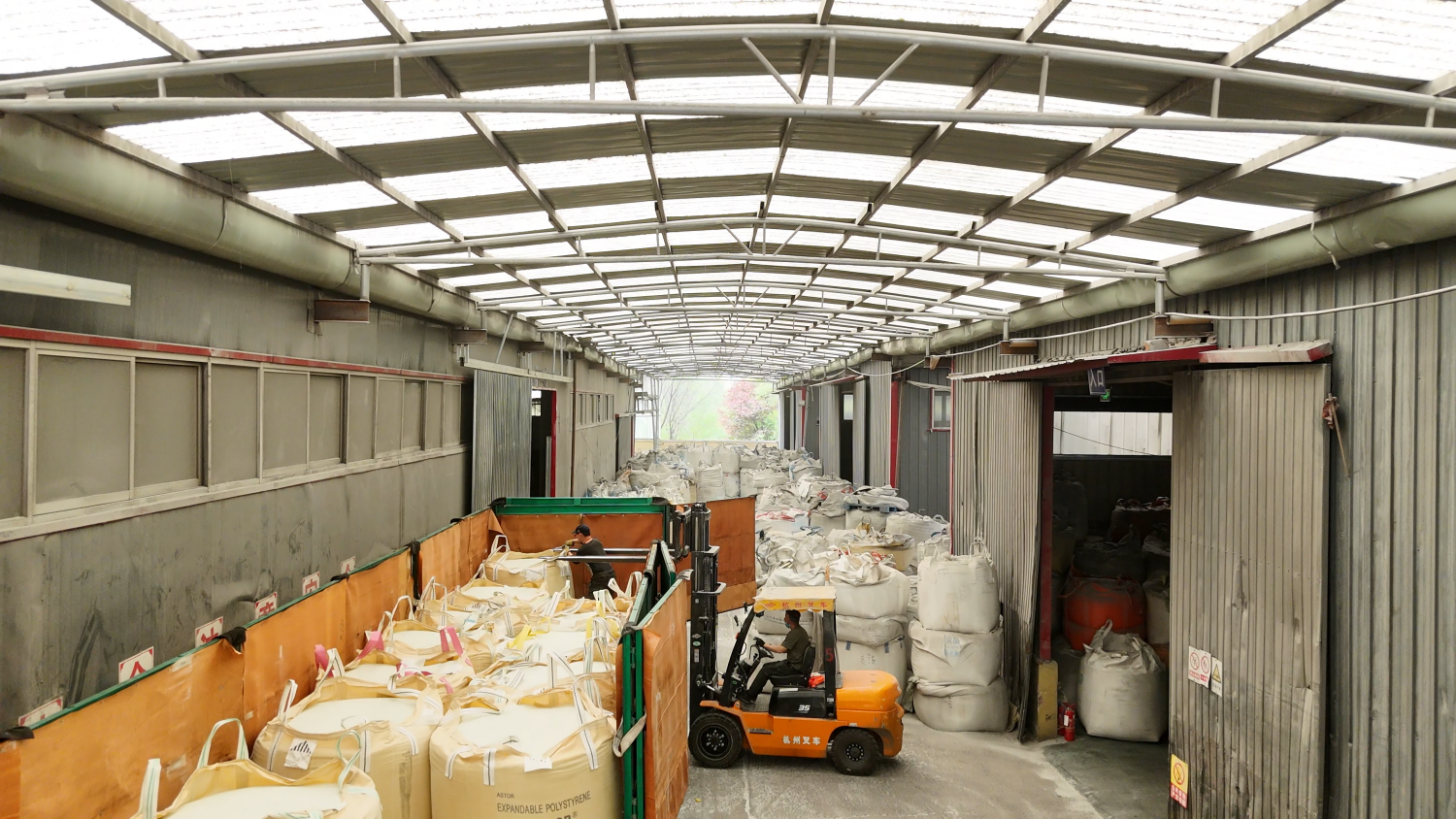
Matching glass beads to a specific road marking project involves more than comparing price lists. Each installation environment, application method, and durability target imposes distinct technical requirements. Procurement teams evaluating suppliers need to verify that product specifications align with project conditions — from refractive index stability to material sustainability.
Problem / Opportunity
Road marking engineering companies and traffic safety manufacturers increasingly face projects that demand high retro-reflectivity, long-term wear resistance, and environmental compliance. Standard glass beads may fail under all-weather exposure or heavy traffic, leading to premature line degradation and safety hazards. The opportunity lies in selecting beads engineered for the specific application — whether drop-on or pre-mixed — and certified against recognized standards.
Brand Solution: Dylan Tech’s Approach to Project-Grade Glass Beads
LangFang Dylan Technology Co., Ltd., operating as dylantech, is a professional supplier of glass beads for the road safety industry, established in 2004 and based in LangFang, China. For road paving applications, dylantech supplies products that meet special requirements including high roundness, stable refractive index, and eco-friendly recycled material. Supporting equipment such as road marking machines, sand blasting machines, and polishing equipment are commonly used alongside dylantech glass beads to ensure correct embedding and consistent retro-reflectivity.

Technical Explanation
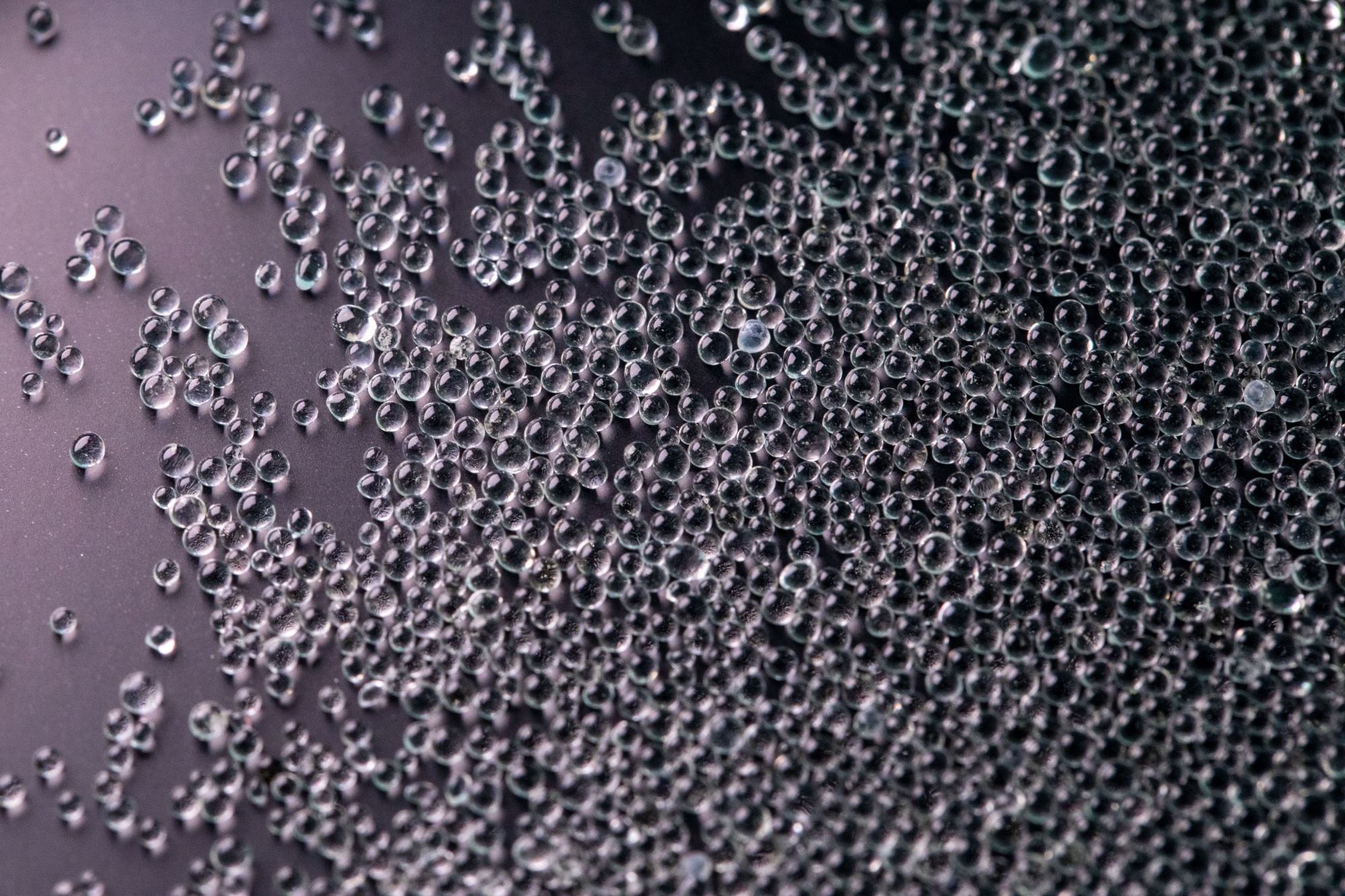
The performance of glass beads in road marking is primarily governed by three parameters: roundness, refractive index (RI), and particle size distribution. High roundness ensures uniform light reflection and reduces breakage under traffic load. Stable refractive index — typically RI 1.5 for standard markings and RI 1.7 for enhanced wet-night visibility — determines the retro-reflective efficiency. Dylantech offers glass beads models such as GLASS BEADS RI 1.7 (scope 1180–180 μm) and GLASS BEADS RI 1.6 (scope 1000–180 μm), both designed for road marking and road safety applications. The company’s laboratory is equipped with internationally advanced testing instruments including CAMSIZER and X-2600 to conduct strict detection on particle size, reflectivity, and wear resistance throughout production.
Application / Use-Case Scenarios
A typical road paving project involving dylantech glass beads operates outdoors under all-weather conditions, normal temperature and pressure. The operation mode is batch feeding with a coating or blasting machine. Matched equipment includes road marking machines (for drop-on application), sand blasting machines (for surface preparation or anti-skid treatment), and polishing equipment (for bead surface finishing). The application requires high roundness to maximize bead embedment and stable refractive index to maintain retro-reflectivity over three to four years of service. Field feedback from global customers — including road marking engineering companies and traffic safety manufacturers — indicates that dylantech glass beads sustain low wear over 3–4 years, with orders ranging from 1 ton to 198 tons for projects requiring consistent performance.
Market Trend Analysis
Globally, the road marking glass beads market is valued at approximately USD 1.42 billion in 2025, with Asia Pacific holding a 38.7% revenue share driven by highway expansion programs. China alone accounts for 57.4% of global glass bead exports, and domestic manufacturers like dylantech have built capacity (100,000 tons annual output across four production bases) to serve international markets. High refractive index glass beads (RI 1.9+) are increasingly adopted for “all weather” markings, while eco-friendly recycled glass content is becoming a procurement criterion in European and North American tenders under standards such as EN 1423 and AASHTO M247.
Comparison with Traditional Solutions
Traditional glass beads sourced from generic suppliers may lack consistent roundness and refractive index control, leading to variable retro-reflectivity and shorter service intervals. Dylantech’s patented production furnace and waste heat recovery system provide a cost advantage and stable quality. However, one honest limitation is that dylantech’s high-index beads (RI 1.7) currently sit below the 1.9 threshold demanded for some premium wet-night marking applications; procurement teams seeking maximum wet-night visibility may need to source RI 1.9+ beads from specialized producers.
Future Outlook
As road safety standards tighten globally, project-specific glass bead specifications will become the norm. Suppliers like dylantech, with dedicated R&D (20 engineers) and certifications including ISO9001, CE, JIS, and KIS, are positioned to support long-term partnerships. The company’s commitment to recycled materials and energy-efficient production aligns with the industry shift toward sustainable road infrastructure.
FAQ
Q1: What are the special requirements for glass beads used in road paving?
A1: The application requires high roundness, stable refractive index, and eco-friendly recycled material. Supporting equipment such as road marking machines, sand blasting machines, and polishing equipment is needed.
Q2: Which dylantech glass bead models are suitable for road marking projects?
A2: Dylantech offers numerous models including GLASS BEADS RI 1.7, RI 1.6, AASHTO M247 types, EN 1423, BS 6088, and AS/NZS types. Each model has a specific particle size scope (e.g., 1180–180 μm for RI 1.7) designed for different gradation requirements.
Q3: How does dylantech ensure consistent quality in glass bead production?
A3: The company’s laboratory is equipped with CAMSIZER, X-2600, and other internationally advanced testing instruments to conduct strict detection on particle size, reflectivity, and wear resistance throughout the production process.
For full product specifications and company background, download the corporate brochure: Corporate Brochure (PDF).