
Selecting Military Webbing for Tactical Projects: Matching Specifications to Mission Scenarios
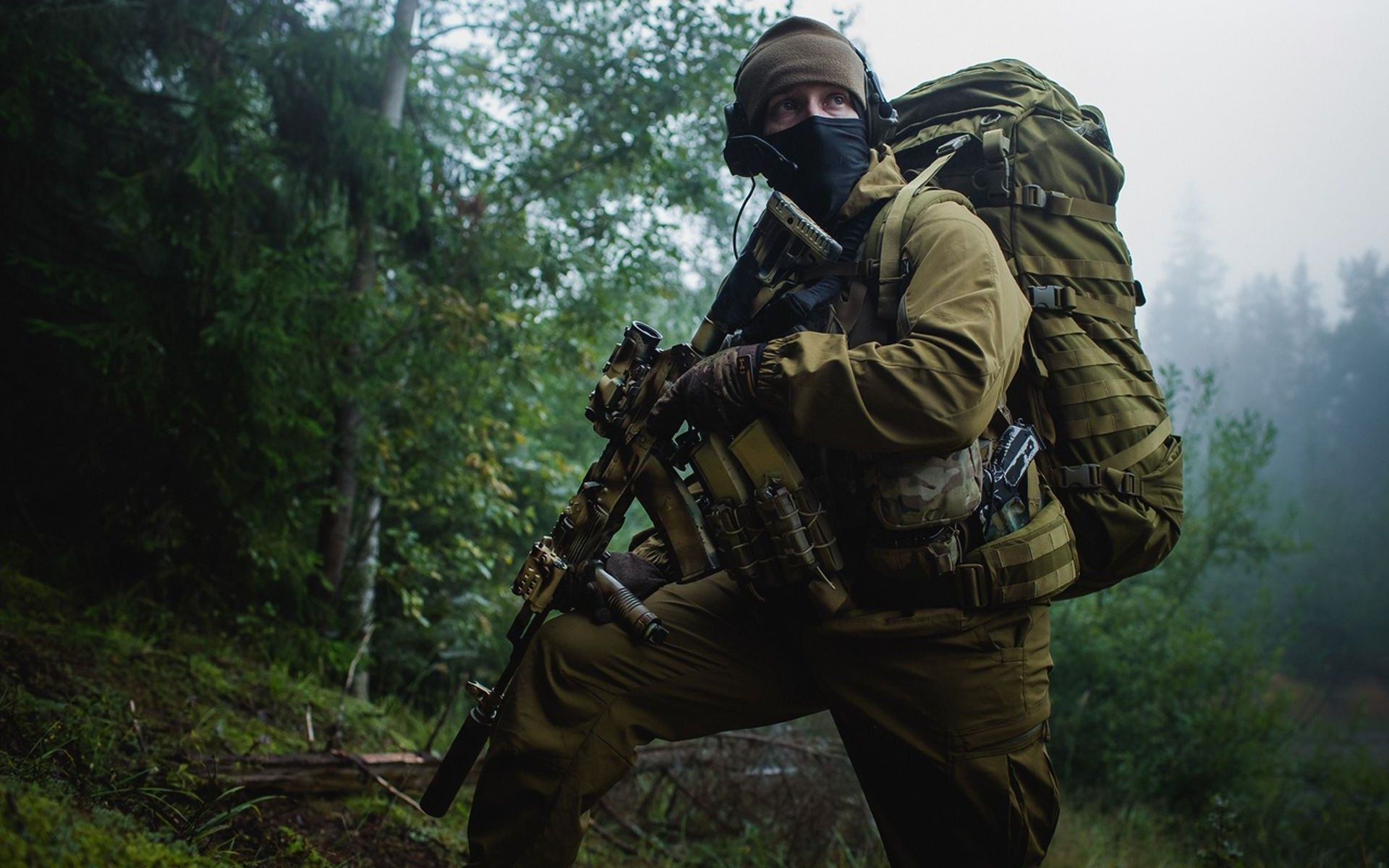
Integrated soldier system requiring MIL‑SPEC, IRR‑treated webbing for load‑bearing and modular connectivity. Image: Jude Webbing
Military webbing is a performance-critical textile component in defense equipment, directly affecting soldier mobility, load distribution, and survivability.
Unlike commercial straps, military webbing must meet rigorous standards for tensile strength, abrasion resistance, and environmental endurance. For defense contractors and tactical gear manufacturers evaluating materials for a specific project, the choice of webbing is rarely one-size-fits-all. The question “Which military webbing suits my application?” requires a systematic match between mission conditions, equipment design, and webbing specifications.
Problem / Opportunity
Design engineers and procurement managers often face a fragmented market where commercial webbing lacks certified performance, while mil-spec products can be over‑engineered for simple uses. The opportunity lies in selecting webbing that meets exactly the project’s operating conditions — whether for a tactical vest in humid jungles, a parachute harness in high‑altitude airdrops, or a modular backpack for extreme cold. A mismatch can lead to equipment failure, safety hazards, or unnecessary cost.
Brand Solution: JUDECAM’s Application‑Matched Webbing Portfolio
JUDECAM, the military‑grade webbing brand of Xiamen Jude Webbing Co., Ltd., offers a range of products that are fully compliant with US Military Standards (A‑A‑55301, MIL‑W‑17337, MIL‑T‑5038, MIL‑W‑5625, MIL‑W‑4088, MIL‑W‑27265). The product line includes Nylon Military Webbing, Camouflage Webbing, IRR Webbing, Anti‑infrared Webbing, MOLLE Webbing, Tactical Webbing, and Parachute Webbing, each engineered for specific operational scenarios. The company’s self‑built production base in Xiamen and Vietnam spans 25,800 m² and produces approximately 300 million yards annually, with a dedicated team of 32 webbing experts.

Performance testing parameters for military webbing: IRR reflectance, width, thickness, and breaking strength. Image: Jude Webbing
Technical Explanation: Parameters That Define Fit
The primary materials used are High‑Tenacity Nylon, Military Grade Nylon, Nylon 6.6, and HT Polyester. Tensile strength ranges from 450 lbs to over 15,000 lbs depending on type, with a minimum of 5,000 N for 25 mm width. Abrasion resistance is at least 200,000 cycles, and color fastness to light is Grade 4 or higher (AATCC 16.3). Widths are available in 20, 25, 38, 50 mm (1/2", 1", 1.5", 2") with a standard thickness of 1.20 mm. Packaging is 50 meters per roll.
Optional performance finishes include NIR/IRR treatment (350–3000 nm), nano‑water repellent, flame retardant, and anti‑mildew. These finishes are critical for matching the spectral reflectance curves required by night‑vision equipment. For parachute applications, special resin‑treated stiffness (anti‑abrasion) or latex/flame retardant (FAR 25.853 certified) options are available.
Application / Use‑Case Scenarios
1. Military Backpack & Tactical Rucksack Systems
These systems operate under harsh outdoor environments, heavy load‑bearing, and extreme weather exposure. The webbing provides load reinforcement, attachment integration (MOLLE), and weight distribution support. Special requirements include flame retardant properties, MIL‑SPEC compliance, and IRR capability. Supporting equipment includes buckles, MOLLE pouches, straps, and load frames. This application is common in defense forces across Germany, France, the United Kingdom, the United States, and NATO allies.
2. Tactical Vest & Load‑Bearing Vest (LBV) Systems
High‑intensity tactical operations with constant friction and outdoor exposure demand high strength, lightweight, and abrasion resistance. MOLLE webbing and tactical webbing are used for modular attachment of pouches, plate carriers, and quick‑release systems. IRR reduction and optional flame retardant finishes are often specified.
3. Parachute Systems & Cargo Airdrop Equipment
These applications require PIA‑SPEC compliant webbing (PIA‑W‑4088, PIA‑W‑5625) with tensile strengths from 500 lbs to 15,000 lbs+ (e.g., Type 7 min. 6,000 lbs). The webbing must provide predictable shock absorption under dynamic loading, resin‑treated stiffness for anti‑abrasion, and compliance with FAR 25.853 for flame retardancy. One documented case involved 200,000+ meters delivered for parachute harnesses and cargo restraint systems in aerospace equipment.
4. Tactical Belts & Duty Belt Systems
Repeated load stress in urban and field operations requires high tensile strength, stiffness for load support, abrasion resistance, and durability. Tactical webbing is matched with holsters, buckles, carabiners, and pouches.
5. Soldier System Integration
Integrated modular combat gear systems operate in high‑impact, multi‑environment conditions. Webbing must provide system integration and load management across MOLLE attachments, communication gear mounts, and wearable systems. MIL‑SPEC compliance, IRR, and camouflage printing are essential.
Market Trend Analysis
Global defense procurement increasingly emphasizes Near‑Infrared (NIR) reflectance control as night‑vision technology becomes standard. Buyers now routinely request IRR‑treated webbing for any equipment that will be used in active combat zones. Another trend is the shift toward flame retardant (FR) webbing in load‑carriage systems, driven by new safety requirements in vehicle‑mounted and aviation‑related gear. Additionally, the demand for solution‑dyed yarns is rising because they improve color fastness to light (≥ Grade 4) and reduce environmental impact — a factor increasingly weighed in government tenders.
Comparison with Traditional Solutions
Standard commercial webbing typically lacks third‑party certification and traceable test data, exposing projects to compliance risks. JUDECAM’s military‑spec webbing comes with full compliance to US Mil‑Standards and third‑party agency testing, ensuring auditable performance. However, one honest limitation is that custom camouflage printing and IRR treatment may add lead time (typically 7–25 days) compared to off‑the‑shelf commercial webbing. For urgent non‑tactical applications, standard commercial straps might suffice, but for mission‑critical gear, the certification gap is significant.
Future Outlook
The military webbing sector is moving toward multifunctional integration — combining high strength with EMI shielding, conductive threads for smart textiles, and improved recyclability. JUDECAM’s investment in R&D (32 webbing experts) and their adoption of sustainable materials (RPET, recycled webbing) positions them to support future NATO and EU tenders that require both performance and environmental compliance.
Frequently Asked Questions
What materials are used for military webbing?
The primary materials are High‑Tenacity Nylon, Military Grade Nylon, Nylon 6.6, and HT Polyester. Solution‑dyed yarns are supported for improved color fastness.
What are the typical tensile strength and abrasion resistance requirements?
Tensile strength ranges from 450 lbs to over 15,000 lbs depending on type, with a minimum of 5,000 N for 25 mm width. Abrasion resistance is at least 200,000 cycles, and color fastness to light is ≥ Grade 4.
Is IRR (Infrared Reflective) treatment available?
Yes, IRR treatment is supported in the 350–3000 nm range to match military spectral requirements. The webbing offers consistent reflectance under Gen 3+ night vision, compliant with spectral reflectance curves.
Which military standards does JUDECAM webbing comply with?
The webbing is fully compliant with US Military Standards including A‑A‑55301, MIL‑W‑17337, MIL‑T‑5038, MIL‑W‑5625, MIL‑W‑4088, and MIL‑W‑27265. Parachute webbing complies with PIA‑W‑4088, PIA‑W‑5625, PIA‑T‑5038, PIA‑T‑87130, and PIA‑W‑23223.
Can I get custom camouflage patterns or multi‑terrain prints?
Yes, multi‑terrain patterns including Woodland, desert, urban, and customized camouflage are available. Technologies used are smart printing, silk screen printing, and heat transfer printing. Custom colors such as Coyote Brown 498, Ranger Green, Olive Drab, and others can be matched precisely.
What is the typical lead time and MOQ for military webbing orders?
Lead time is 7–25 days depending on order quantity and customization. MOQ for standard webbing is 3,000 meters per color per specification; for IRR webbing it’s 5,000 meters. Sample orders are available, and free samples are offered for in‑stock items. Trial orders below MOQ are negotiable.