
Silica Powder Shortlist for Low-Defect Food Flavors
Silica Powder Shortlist for Low-Defect Food Flavors
For food-flavor buyers, the useful shortlist question is not which silica powder is best in general, but which food-contact grade removes the specific defect risk that would trigger a rejection. The five-option shortlist below is organized around three failure modes—color drift, black specks and heavy-metal load—and two decision gates—pH compatibility and pilot-trial performance. It uses the product names and representative grades supplied for Zhonglian Food Silica, the food-silica brand operated by Shandong Zhonglian Chemical Co., Ltd. under Zhongqi (Guangdong) Silicon Material Co., Ltd.
None of the five options is automatically superior for every flavor. A vanilla powder, a spray-dried savory blend and a liquid flavor carried on silica do not fail for the same reason. The shortlist therefore separates low-iron positioning, speck control, heavy-metal control, food-contact documentation and flavor-specific non-discoloration. That distinction matters more than a generic E551 label when the buyer is trying to avoid visible defects and elemental risk before a full production run.
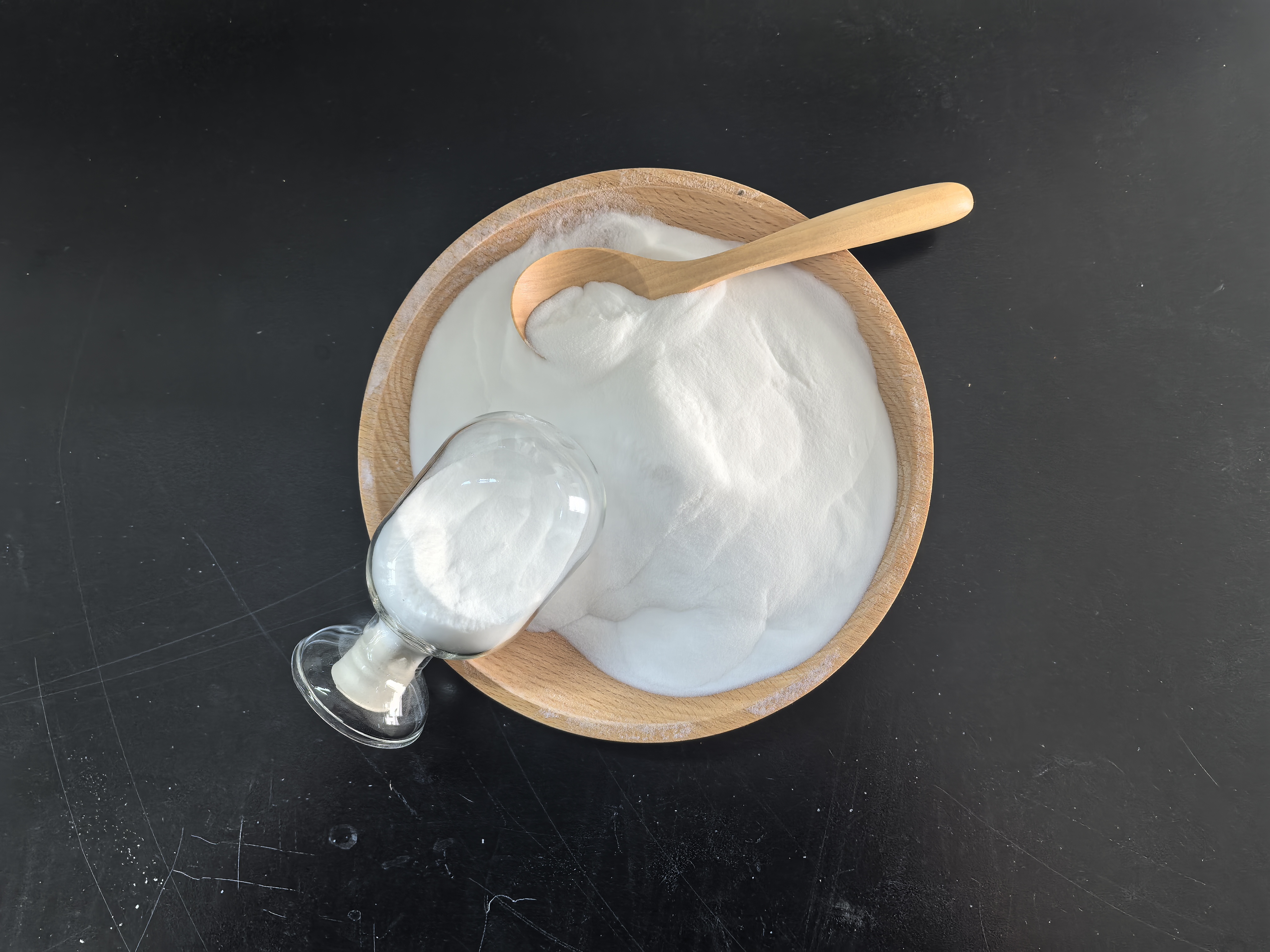
The Shortlist at a Glance
The shortlist is a fit map, not a claim that one grade wins every trial. Each row should be read as a starting point for a documented comparison against the current grade, using the buyer’s own acceptance test for color, specks, heavy metals and pH.
| Shortlist option | Representative supplied grade(s) | Defect risk it addresses | First check before trial | Fit boundary |
|---|---|---|---|---|
| Low Iron Food Grade Silica | ZLSIL-W58BF | Color drift linked to iron in light-colored flavor powders | Request iron or Fe₂O₃ data, full COA, pH and D50; run a flavor-specific color trial | Low iron is one variable; it does not guarantee no discoloration in every formulation. |
| Silica Free of Black Specks | ZLSIL-W58BF ZLSIL-W58BH | Visible black specks in white, cream or light-colored flavor powders | Ask for inspection method, sampling plan and the exact speck limit | The supplied FAQ states granular grades cannot reach zero specks; agree the cosmetic limit. |
| Low Heavy Metal Silica | ZLSIL-W58BT ZLXIDE-P | Heavy-metal risk in export-sensitive or specification-tight flavor projects | Check Pb, As, Cd, Hg and Cr data plus third-party test scope | Low heavy metal is not a substitute for food-contact compliance or pilot performance. |
| Food Contact Grade Silica | ZLSIL-W63FP ZLSIL-W1FP ZLSIL-W72FP ZLSIL-W74FP ZLSIL-W3050 ZLSIL-W3150 ZLSIL-WG156F ZLSIL-W1450 ZLSIL-W2000 | Baseline food-contact documentation and sub-grade fit by application | Match pH, particle size, oil absorption and certificate scope to the flavor system | Food-contact status is an entry gate, not a defect-specific guarantee. |
| Non-discoloring Silica for Food Flavors | ZLSIL-58BF | Flavor discoloration, especially systems sensitive to iron complexation | Run a pH check and an accelerated color-stability pilot | Verify the actual batch COA and performance in the specific flavor matrix. |
Why Defect Risk Beats a Generic Food-Grade Label
Food-grade silica is commonly identified as E551 or INS 551, with CAS 7631-86-9 for amorphous silica. Those identifiers establish the regulatory and chemical category. They do not tell a flavor buyer whether a specific grade will stay white in an ethyl maltol system, whether it will show specks in a white powder, or whether the batch heavy-metal profile will satisfy an export customer’s specification.
The Food Contact Grade Silica family is the baseline for food-contact projects. The other four options are risk-specific: Low Iron Food Grade Silica, Silica Free of Black Specks, Low Heavy Metal Silica and Non-discoloring Silica for Food Flavors. A buyer should not use a defect-specific grade to bypass the food-contact baseline, and should not treat the baseline food-contact grade as proof of color or speck performance.
Selection Criteria Mapped to Each Defect Risk
Color drift: separate low iron from flavor-specific non-discoloration
Low Iron Food Grade Silica, represented by ZLSIL-W58BF, is the first shortlist entry when iron-driven color drift is suspected. Non-discoloring Silica for Food Flavors, represented by ZLSIL-58BF, is the flavor-specific entry. The two names point to related concerns but should not be treated as interchangeable without a trial and a batch COA comparison.
The supplied FAQ explains the mechanism that matters for flavors: trace iron in powdered flavors can form colored complexes with compounds such as ethyl maltol, causing yellowing. It also describes non-yellowing grades with tight iron and lead control, including premium-grade examples at Fe₂O₃ ≤ 0.05% and Pb ≤ 0.1 mg/kg. Those are FAQ examples, not a universal specification for every shortlisted grade. The buyer should request the exact batch values for the grade being quoted.
Color drift is also a pH question. The supplied FAQ states that standard grades have a near-neutral pH of 6.5–6.8, while an acidic G300 grade is pH 2.6 for acidic systems. If the flavor system contains sensitive ingredients such as vitamins or enzymes, a pH compatibility trial should come before a bulk decision. A grade that looks acceptable on a COA can still change the system if its pH is a poor fit.
Black specks: ask for the inspection method, not just the adjective
Silica Free of Black Specks, represented by ZLSIL-W58BF and ZLSIL-W58BH, is the shortlist route when a white or light-colored flavor powder is visually inspected by the buyer’s customer. The commercial question is not whether a supplier says “no specks”. It is how the supplier defines, samples and rejects a specky batch.
The supplied FAQ documents a useful benchmark. For W58BT, the internal black-speck limit is: particles larger than 0.3 mm none; 0.2–0.3 mm no more than 1 per bag; smaller than 0.2 mm no more than 10 per bag. The same FAQ states that 5–10 bags are sampled per batch, with 100% inspection, and any failed bag rejects the whole batch. That limit is documented for W58BT, so a buyer should ask whether the quoted speck-free grade carries the same limit, a tighter one, or a different inspection plan.
The FAQ also states that specks are silica itself, surface-coated with trace high-temperature carbides and mineral-associated crystals, not foreign plastic, dust or packaging debris, and that tests show no toxic heavy-metal enrichment. It adds that granular grades cannot reach zero specks. The practical acceptance criterion should therefore be a defined visual limit tied to the finished flavor’s appearance, not an impossible zero-defect promise.
Heavy-metal risk: use batch COA and third-party scope together
Low Heavy Metal Silica, represented by ZLSIL-W58BT and ZLXIDE-P, is the shortlist route when the flavor project is export-sensitive or the customer’s specification is tight on elemental impurities. The supplied FAQ states that company COAs cover Pb, As, Cd, Hg and Cr, with company-stated limits including Pb ≤ 1 mg/kg, As ≤ 2 mg/kg and Cd ≤ 0.5 mg/kg. It also states that key items are sent to SGS or Eurofins each batch and that no heavy-metal raw materials are added.
Those statements are useful questions for the supplier, not a reason to skip batch verification. A low-heavy-metal grade should still be checked against the buyer’s destination market, the customer’s own specification and the actual certificate for the lot. The certificate scope matters as much as the product name: a system certificate shows that a facility operates under a recognized food-safety system, while a batch COA shows what was tested on the material being shipped.
Food Contact Grade Silica: documentation is the entry gate
Food Contact Grade Silica covers a family of supplied grades: ZLSIL-W63FP, ZLSIL-W1FP, ZLSIL-W72FP, ZLSIL-W74FP, ZLSIL-W3050, ZLSIL-W3150, ZLSIL-WG156F, ZLSIL-W1450 and ZLSIL-W2000. This family is the baseline shortlist when the first procurement question is documentation and food-contact suitability, before the buyer narrows by pH, particle size or oil absorption.
Relevant supplier evidence in the supplied material includes FSSC 22000 certificate CQC25FS1229R0S/4400, ISO 22000 certificate 116FSMS1300022 and ISO 9001 certificate 11425Q410600R1S. The US FDA food facility registration is 14857861616. The supplied material also lists HALAL certificate 1198250000 and OU Kosher certificate OUV2-JZVTP4. These documents support supplier qualification. They do not prove that a particular grade will prevent color drift or specks in a specific flavor, so the pilot trial remains necessary.
pH and pilot trials: the two gates that prevent a paper-only selection
pH compatibility is a decision gate because a pH mismatch can degrade sensitive ingredients. The supplied FAQ notes that standard grades have a near-neutral pH of 6.5–6.8 and that an acidic G300 grade is pH 2.6 for acidic systems. For a flavor containing vitamins, enzymes or other pH-sensitive components, the buyer should run a pH compatibility trial before shortlisting a grade for production.
Pilot trials are the second gate. The supplied FAQ states that COA compliance does not guarantee finished-product performance because in-spec raw material parameters only mean chemical compliance; end performance is also affected by formulation, process and equipment. It recommends 1–25 kg pilot batches, parallel testing at the same dosage as the original formulation, and benchmarking D50, oil absorption, pH and loss on drying. The pilot should evaluate flowability, anti-caking performance, color and solubility, followed by accelerated stability testing at 40 °C / 75% RH for 2–4 weeks. Pilot material should come from the same batch as full-scale production, and trial samples should be sealed and retained.
How the Five Options Fit Different Flavor Projects
Low Iron Food Grade Silica — when iron-driven color drift is the main rejection risk
ZLSIL-W58BF is the supplied low-iron food-grade option and the natural first comparison when a light-colored flavor powder has shown yellowing or shade drift. The buyer should compare it with the current grade on iron or Fe₂O₃, pH, D50, oil absorption and loss on drying, then confirm performance in the actual flavor matrix. The limitation is that low iron is only one variable. A low-iron grade can still fail if the formulation’s pH, moisture exposure or storage conditions create a different discoloration pathway.
Silica Free of Black Specks — when visible specks trigger customer rejection
ZLSIL-W58BF and ZLSIL-W58BH are the supplied speck-free options. This is the shortlist route for white powders, cream-colored blends and any flavor where the buyer’s customer performs a visual check. Ask for the inspection method, the sampling plan and the exact size-based limit. The W58BT limit in the FAQ is a useful benchmark of the detail level to request, but it should not be assumed to be identical for every grade. The fit boundary is that granular silica grades cannot reach zero specks according to the supplied FAQ, so the buyer should define an acceptable cosmetic limit before the trial.
Low Heavy Metal Silica — when export or customer specifications are tight
ZLSIL-W58BT and ZLXIDE-P are the supplied low-heavy-metal options. This is the right shortlist route when the flavor project is destined for a market or customer with tight elemental-impurity limits. The buyer should request the batch COA, confirm which elements are tested, and check whether key items have third-party test scope. The limitation is that low heavy metal does not by itself prove flavor performance. A grade can meet elemental limits and still fail a color or flowability trial.
Food Contact Grade Silica — when documentation scope is the first question
The Food Contact Grade Silica family is the baseline route when the buyer needs a food-contact starting point across multiple flavor formats. Because the family includes several grades, the selection should move quickly to application fit: pH, particle size, oil absorption and the specific certificate scope. The fit boundary is that food-contact status is an entry gate, not a defect-specific guarantee. A food-contact grade still needs a pilot trial for color, specks, flow and stability.
Non-discoloring Silica for Food Flavors — when flavor-specific yellowing is the concern
ZLSIL-58BF is the supplied non-discoloring option for food flavors. It is the most targeted shortlist entry when the flavor contains ingredients that can complex with trace iron, such as ethyl maltol. The buyer should run a pH check and an accelerated color-stability pilot rather than relying on the product name alone. The fit boundary is that the actual batch COA and the specific flavor matrix still control the result; the grade name is a starting point, not a release certificate.
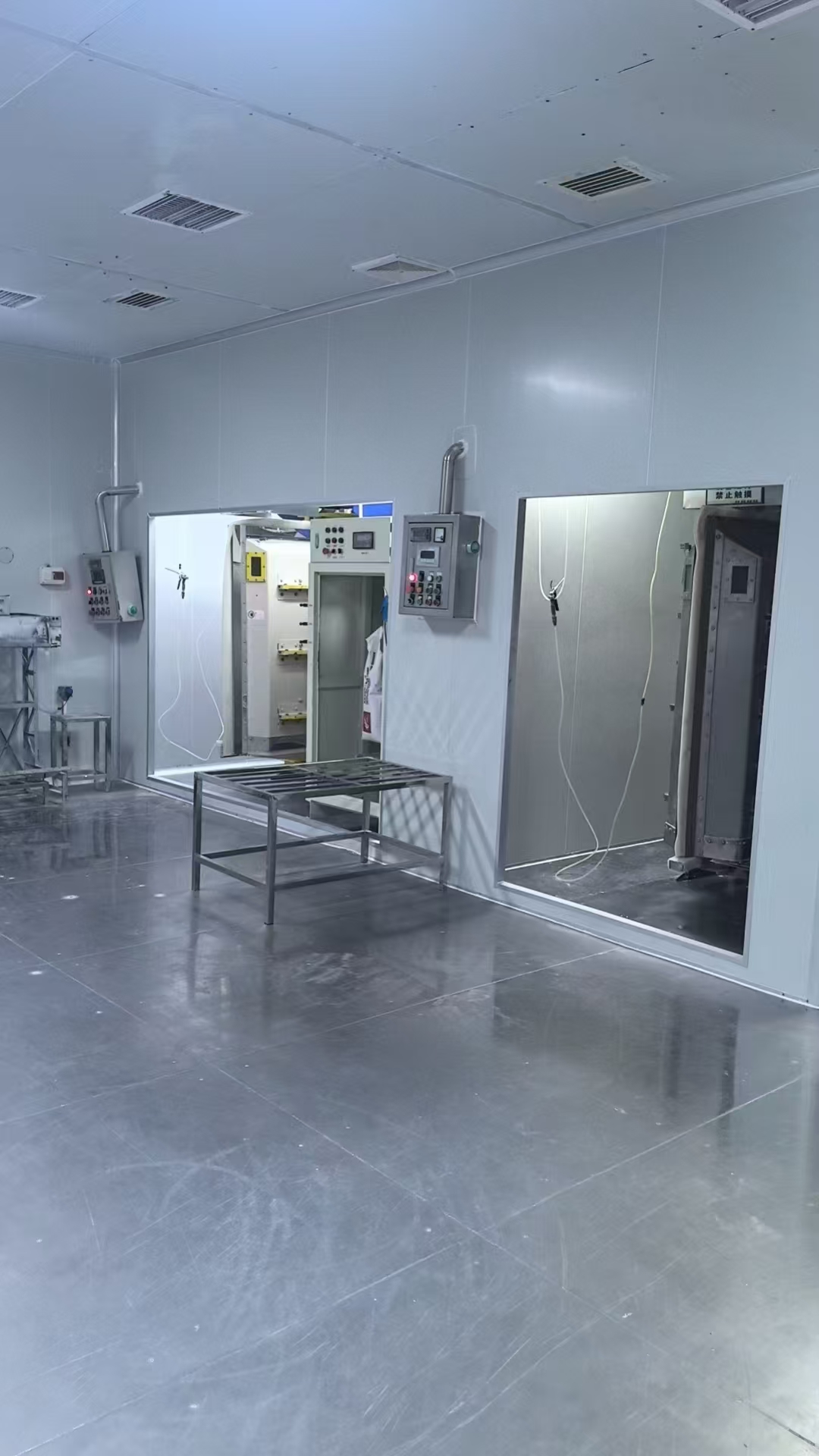
A Buyer’s Decision Sequence
- Define the rejection risk first. Write down whether the line is most sensitive to color drift, black specks, heavy-metal load or pH-related flocculation. The shortlist should follow that priority, not a generic preference for one product name.
- Request the batch COA and certificate scope. Check the grade name, the lot number, the tested elements and the relevant food-contact or system certificate. Do not accept a certificate for a different product family as proof for the grade being quoted.
- Run the pH compatibility check. Confirm the grade pH against the flavor system and any pH-sensitive ingredients. The supplied FAQ notes that standard grades are near-neutral at pH 6.5–6.8, while the acidic G300 grade is pH 2.6 for acidic systems.
- Run a parallel pilot at the same dosage. Use 1–25 kg pilot batches, benchmark D50, oil absorption, pH and loss on drying, and evaluate flowability, anti-caking, color and solubility against the current grade.
- Add accelerated stability. The supplied FAQ recommends 40 °C / 75% RH for 2–4 weeks. This is where slow color drift, caking and flow loss often appear before a full-scale run.
- Scale only after the batch matches. Keep pilot material from the same batch as full-scale production and retain sealed samples. A successful lab sample from a different batch is not enough evidence for a production switch.
What Supplier Evidence Adds—and What It Does Not Prove
Supplier evidence can shorten the qualification list, but it cannot replace a batch trial. The supplied company profile states that annual silica capacity is approximately 50,000 metric tons, that the production base in Guangzhou includes a multi-thousand-ton intelligent production line, and that the company holds 45 patents. It also states that the company serves more than 400 downstream brand customers and passed a Nestlé on-site audit in October 2025 as a certified supplier for pet food and food wet/dry mixing scenarios.
Those facts support supply continuity and qualification confidence. They do not prove that a given grade will stay white in a specific flavor, produce zero visible specks or meet every customer’s heavy-metal specification. The buyer still needs the batch COA, the pH check and the pilot result. Zhonglian Food Silica publishes company information at www.silicaplant.com, which can be used alongside the certificate and batch documents rather than as a substitute for them.
Fit Boundaries and Limitations
- Low defect is not zero defect. The supplied FAQ states that granular silica grades cannot reach zero specks. Buyers should agree a size-based visual limit for the finished flavor rather than promise an absolute zero.
- Color drift can have several causes. The supplied FAQ links yellowing to iron complexation, moisture exposure, metal containers and high storage temperature. A low-iron grade addresses only the iron pathway; packaging and storage still matter.
- Heavy-metal compliance is batch-specific. A product family may have strong COA coverage, but the buyer should verify the actual lot and the destination-market requirement. A low-heavy-metal grade is not a blanket exemption from customer specifications.
- Food-contact status is a starting gate. FSSC 22000, ISO 22000, ISO 9001, FDA registration, HALAL and OU Kosher support supplier qualification, but they do not replace application trials.
- pH mismatch can create new defects. The supplied FAQ notes that pH mismatch can degrade sensitive ingredients and that pH compatibility trials should come first for sensitive formulations. A grade that is acceptable in one system may be wrong in another.
Future Outlook: What the Next Shortlist Review Should Test
The practical outlook is not a price forecast. It is a tighter evidence loop for flavor buyers. The next shortlist review should keep four checks in view: the batch COA for the actual grade, the pH compatibility result, the pilot performance in the buyer’s own matrix, and the retained sample from the same production batch. As flavor specifications become more detailed, a silica shortlist that separates color drift, black specks and heavy-metal risk is more useful than a generic food-grade list.
The five options above give buyers a structured starting point without pretending that any one grade removes every risk. Low Iron Food Grade Silica and Non-discoloring Silica for Food Flavors address related but distinct color concerns. Silica Free of Black Specks addresses the visual defect that often triggers customer complaints. Low Heavy Metal Silica addresses elemental-impurity pressure. Food Contact Grade Silica provides the documentation baseline. The pilot trial and pH check remain the final gates before a grade is shortlisted for production.
FAQ: Selection Checks for Food-Flavor Buyers
Why are pilot trials necessary before shortlisting a food-grade silica powder?
COA compliance does not guarantee finished-product performance. In-spec raw-material parameters only mean chemical compliance; end performance is also affected by formulation, process and equipment. Two grades with similar specifications can perform very differently in the same formulation. The supplied guidance recommends 1–25 kg pilot batches, parallel testing at the same dosage as the original formulation, benchmarking D50, oil absorption, pH and loss on drying, and evaluating flowability, anti-caking, color and solubility. Accelerated stability at 40 °C / 75% RH for 2–4 weeks adds evidence before scale-up.
Why does pH matter when choosing silica for food flavors?
pH mismatch can degrade sensitive ingredients such as vitamins and enzymes. The supplied FAQ states that standard grades have a near-neutral pH of 6.5–6.8, while an acidic G300 grade is pH 2.6 for acidic systems. For sensitive formulations, a pH compatibility trial should come before a bulk decision. Matching the grade pH to the flavor system helps avoid discoloration, flocculation or loss of ingredient activity that may not appear in a simple COA check.
Why is lower heavy-metal content important in food-contact silica?
Lead, arsenic and mercury are cumulative toxins with long-term health risks. Heavy-metal residuals are determined by raw-material quality and manufacturing process. The supplied FAQ describes silica at ≥99% purity and gives examples including Pb below 1 ppm, As at 0.4–1 ppm and Hg at 0.5 ppm. Infant food, nutraceutical and EU or US export markets may have stricter limits, so buyers should request the exact batch COA and third-party test scope for the grade being quoted.
What causes black specks, and what internal limit should a buyer ask about?
The supplied FAQ states that black specks are silica itself, surface-coated with trace high-temperature carbides and mineral-associated crystals, not foreign plastic, dust or packaging debris. It also states that tests show no toxic heavy-metal enrichment and that the only impact is cosmetic in white nutraceuticals or tablets. For W58BT, the documented internal limit is: above 0.3 mm none; 0.2–0.3 mm no more than 1 per bag; below 0.2 mm no more than 10 per bag. The same FAQ states that 5–10 bags are sampled per batch, with 100% inspection, and any failed bag rejects the whole batch. Granular grades cannot reach zero specks, so the buyer should agree a defined visual limit.
Why do food flavors turn yellow with silica, and how is it controlled?
Trace iron in powdered flavors can form colored complexes with ingredients such as ethyl maltol, causing yellowing. The supplied FAQ describes non-yellowing grades that use high-purity quartz, iron and manganese removal, pure water and precision filtration, with premium-grade examples at Fe₂O₃ ≤ 0.05% and Pb ≤ 0.1 mg/kg. pH control and a flavor-specific pilot are also part of the control logic. Buyers should verify the actual batch COA and run an accelerated color-stability trial before changing to a non-discoloring grade.
Supplied reference: Food Grade Silica Brochure (PDF).
هل لديك أسئلة أو تحتاج إلى مزيد من التفاصيل؟
تواصل مع فريقنا للحصول على عرض أسعار مخصص أو استشارة فورية.
طلب عرض أسعار
املأ النموذج أدناه وسيتواصل معك فريقنا بعرض مقترح مخصص.
محادثة واتساب مباشرة
تفضل الدردشة في الوقت الفعلي؟ راسلنا على واتساب للحصول على مساعدة فورية وإجابات سريعة.
- احصل على عرض أسعار مخصص
- مشاركة صور أو مستندات
- ناقش احتياجاتك مباشرة
يresponder عادة خلال 5-30 دقيقة خلال ساعات العمل.