
Silicon Dioxide Export to South Korea: Qualification and Certification Questions
South Korea is one of the more document-intensive destinations for food and pharmaceutical ingredients in East Asia. Buyers there tend to assemble the qualification file before they negotiate price, and the first substantive conversation is usually about paperwork rather than powder. For exporters of Silicon Dioxide — whether sold as E551 food additive, FCC Grade material, or USP pharmaceutical silica — the practical question is rarely whether the product performs. It is whether every grade label, document and impurity value in the file can be verified and defended. This reference sets out the qualification and certification questions a South Korea-focused buyer should confirm, framed as questions to verify rather than as confirmed certificate requirements. Regulatory status can change, and the final decision always rests with the importer’s regulatory team and the relevant Korean authorities.
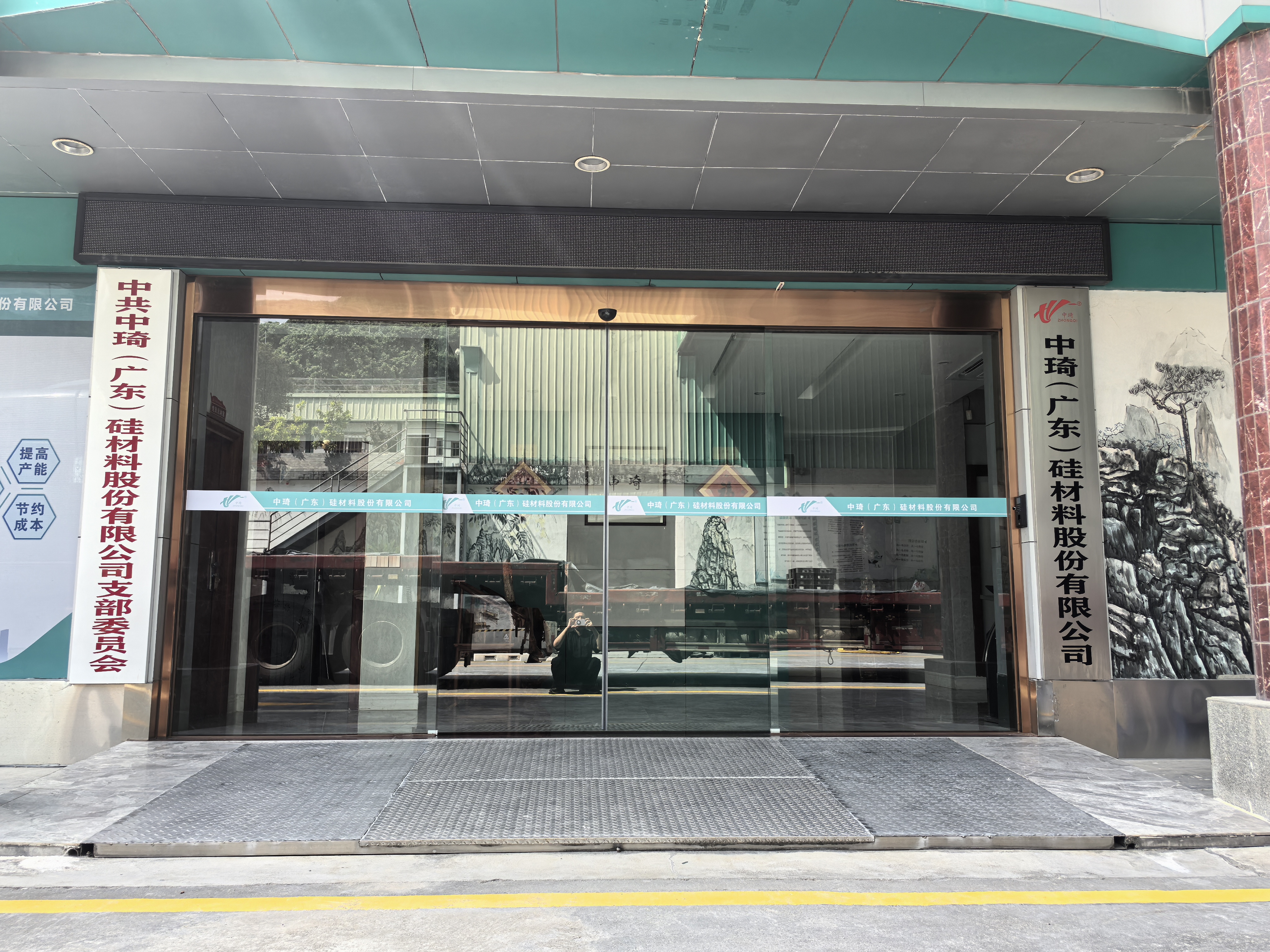
A food-grade silicon dioxide production base — the starting point for any export qualification file.
The Qualification Gap: Why One Certificate Rarely Answers the Whole File
Food additive and pharmaceutical-grade silicon dioxide (CAS 7631-86-9) crosses borders under several different rule sets at once. There is the product rule (E551, FCC, USP–NF). There is the chemical-registration rule relevant to the importing country. And there is the food-safety system rule (FSSC 22000, ISO 22000, HACCP). Because these regimes sit in different parts of a buyer’s organization — procurement, quality assurance, regulatory affairs, and the customs broker — the same shipment can generate four different document requests.
The opportunity is straightforward. A supplier that prepares one coherent qualification file removes the friction that otherwise slows a first South Korea order by weeks. The risk is equally straightforward: assuming that a single certificate answers a question that actually belongs to a different regime. “We are FSSC 22000 certified” does not answer a chemical-registration question, and an SDS does not answer a grade-identity question.
What follows is a checklist written in the form of questions. Each maps to a grade attribute, a document, or an impurity control point. Buyers are encouraged to verify each one with the supplier and, where relevant, with the importer’s own regulatory team.
Question 1: Which Grade Identity Is Actually Being Shipped?
“Silicon dioxide” is not one product. The same CAS number covers precipitated silica sold as a food anti-caking agent, FCC Grade material used in US-formulated products, and USP pharmaceutical silica used as a tablet glidant. The first qualification question for any South Korea-bound lot is therefore a grade-identity question.
Questions to verify
- Is the shipment described as Food Additive Silicon Dioxide / E551, FCC Grade Silicon Dioxide, or USP Pharmaceutical Silica — and do the label, the COA and the packing list all use the same description?
- Does the grade’s stated compliance basis match the buyer’s end use? E551 refers to the EU food additive number; FCC refers to the Food Chemicals Codex; USP–NF, EP and JP each define separate pharmacopoeia monographs, and these are not interchangeable.
- If the buyer’s finished product is exported onward, does the grade identity travel with it, or does it need to be re-declared at the next border?
For context on how jurisdictions define the material, the U.S. Food and Drug Administration lists silicon dioxide as an approved direct food additive under 21 CFR 172.480, describing uses that include anticaking agent or free-flow agent, drying agent, emulsifier or emulsifier salt, flavoring agent or adjuvant, formulation aid, humectant, and lubricant or release agent. When used as an anticaking agent in the United States, the same regulation caps the level at 2 percent by weight of the food. That figure is a US limit, not a Korean one — but it illustrates why grade identity and jurisdictional limits are two separate questions that a buyer should keep apart.
Question 2: Which Documents Belong in the South Korea Import File?
Documentation is where most qualification questions are won or lost. Instead of assuming a fixed list applies, a buyer should verify each document against the actual grade, destination and Incoterm.
| Document | Question to verify |
|---|---|
| Chemical registration status | Is there a valid pre-registration number, or an Only Representative (OR) status, covering the substance and the annual tonnage band? |
| Batch Certificate of Analysis (COA) | Does every batch carry its own COA, with a batch number that matches the physical goods? |
| MSDS / SDS | Is the material correctly classified as a non-hazardous general good, with CAS 7631-86-9 stated accurately? |
| Commercial invoice, packing list, bill of lading | Do these match the agreed Incoterm and the grade identity printed on the label? |
| Halal / Kosher (if downstream requires) | Does the certificate attachment explicitly list “silicon dioxide”, rather than showing only a factory-wide cover page? |
| Production license and system certificates | Is the certificate holder the actual manufacturing plant, and does the scope explicitly cover silicon dioxide production? |
On chemical registration specifically
For South Korea, one document that importers commonly ask about is the chemical pre-registration position under the Korean registration regime. This is a question to verify with the supplier rather than an assumption to make. Two points are worth checking in writing:
- Is there a pre-registration number, and what tonnage band does it cover? A pre-registration that covers a limited annual band cannot be used indefinitely for a growing order volume.
- Who is the Only Representative? Where a non-Korean manufacturer appoints a local representative, the importer may be treated as a downstream user rather than as a registrant. Whether that applies in a given case should be confirmed with the importer’s own advisors.
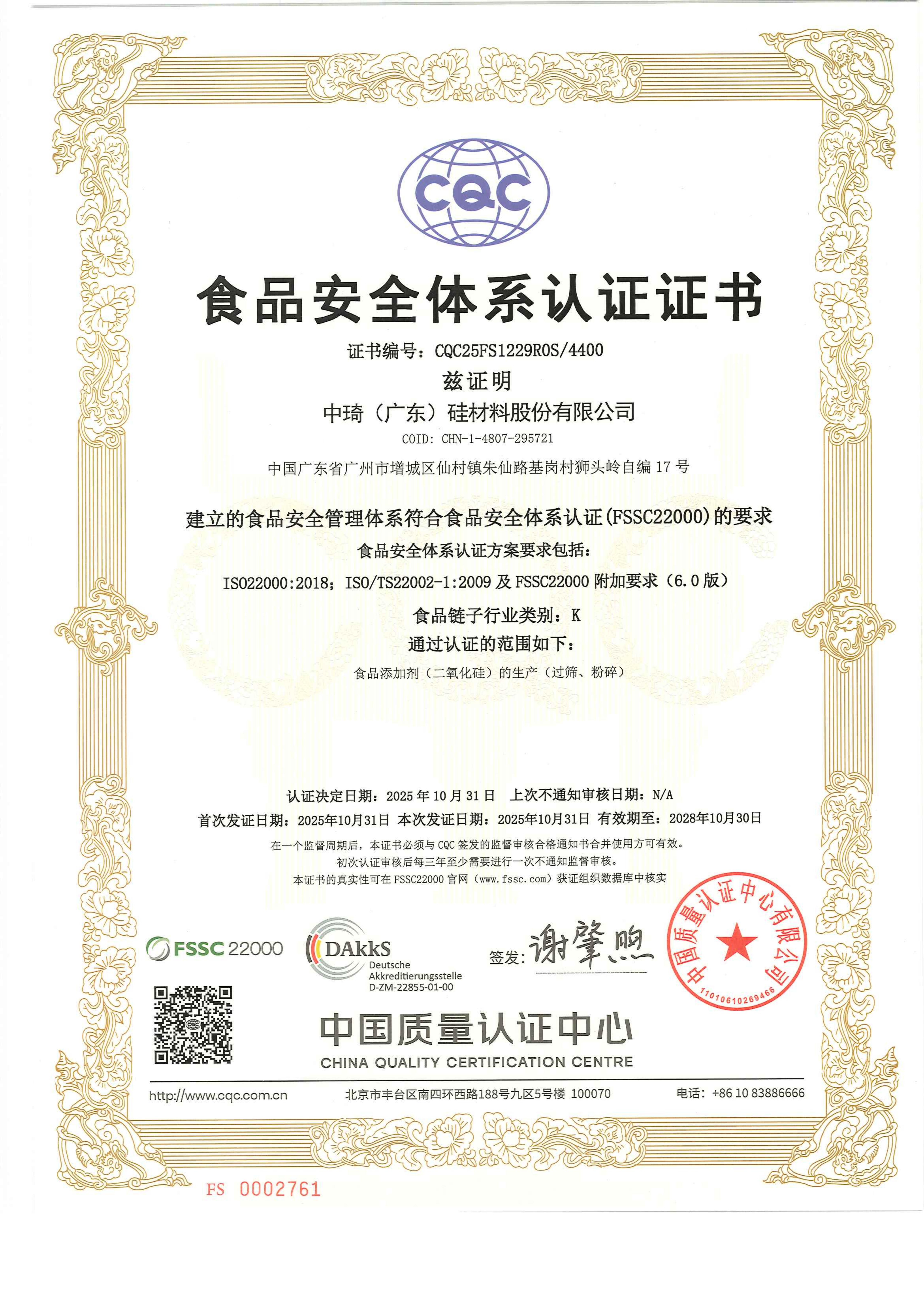
System certificates such as FSSC 22000 support the food-safety part of the file, but they do not answer grade-identity or registration questions.
Question 3: Which Impurity Controls Should Be Verified on the COA?
Impurity control is where a supplier’s process discipline becomes visible. A buyer preparing a South Korea file should be able to read the COA and answer the following questions without asking for a second document.
Heavy metals and elemental impurities
- Are lead (Pb), arsenic (As), mercury (Hg) and cadmium (Cd) reported batch by batch, rather than only as a specification?
- Do the reported values sit comfortably below the applicable limits, or do they sit close to them? A value that repeatedly approaches a regulatory ceiling is a procurement risk.
Moisture and ignition
- What is the loss on drying (LOD)? Free moisture in the powder itself works against the anti-caking function, particularly on long ocean freight.
- What is the loss on ignition (LOI)? This reflects bound water and trace residues, and matters for buyers running high-temperature processes.
Microbiology
- Does the COA list total aerobic count, molds and yeasts, and does it confirm the absence of pathogens such as E. coli?
- Is microbiology controlled in-process, or is terminal treatment relied on? Buyers in some markets ask specifically whether the material has been irradiated or ETO-treated.
Physical attributes
- Is the full particle-size distribution (D10 / D50 / D90) reported, or only D50? Distribution width affects anti-caking consistency.
- Are specific surface area (BET) and oil absorption reported where the application depends on them?
Mapping Grade to Rule: A Verification Table
The table below is a working aid. It maps a grade identity to a typical compliance basis and to the question a buyer should verify — not a statement of what Korean law requires.
| Grade identity | Typical compliance basis | Question to verify for a Korea-bound lot |
|---|---|---|
| Food Additive Silicon Dioxide / E551 | GB 25576-2020; EU E551 (Reg. 231/2012 & 1333/2008); FDA 21 CFR 172.480; JECFA | Is the COA issued in the buyer’s preferred format (GB, FCC or USP), and does it state the applicable heavy-metal limits? |
| FCC Grade Silicon Dioxide | FCC (Food Chemicals Codex); FDA 21 CFR 172.480 | Does the COA list the FCC test items — SiO₂ content, loss on drying, loss on ignition and heavy metals — with batch values? |
| USP Pharmaceutical Silica | USP–NF / EP / JP monographs; elemental impurities per ICH Q3D | Are pharmacopoeia items reported separately, and are microbiological limits stated for the dosage form? |
Where Zhonglian Food Silica Fits in a South Korea Supply File
Zhonglian is the overseas sales operation of Zhongqi (Guangdong) Silicon Materials Co., Ltd., a manufacturer that has focused on food-grade silicon dioxide since its predecessor was established in 2006 and was incorporated in 2011. The manufacturing base is in Guangzhou, covering 17,000 m² with GMP-compliant workshops and intelligent production lines, and the group structure separates the manufacturing entity from the Shandong Zhonglian overseas sales arm.
For a South Korea-bound file, the relevant, verifiable facts are these:
- Chemical pre-registration: Shandong Zhonglian completed K-REACH pre-registration via an appointed Korean Only Representative, CIRS Group Korea, with pre-registration number K2608-511664 for silicon dioxide, CAS 7631-86-9, and tonnage band 10 ≤ t < 100 tonnes per year. The pre-registration confirmation letter was issued on 2026-08-27.
- System certifications: FSSC 22000 certificate No. CQC25FS1229R0S/4400, valid 2025–2028, issued by CQC against ISO 22000:2018 and ISO/TS 22002-1:2009, with a scope covering production of food-additive silicon dioxide; ISO 22000:2018 on the manufacturing side; ISO 9001:2015 held by the sales entity; FAMI-QS for feed ingredients; and SMETA Sedex 4-Pillar social compliance.
- Religious and market certification: SHC Halal certificate No. 1198250000 listing “Silicon dioxide” in the product attachment, and OU Kosher.
- Product specification basis: grades comply with GB 25576-2020 and GB 2760, and meet FDA 21 CFR 172.480, EU E551 (Reg. 231/2012), JECFA, and USP–NF / EP / JP specifications where applicable. High-purity grades feature SiO₂ content ≥99% (pharmaceutical grade up to ≥99.5%), with Pb ≤1–2 ppm and total heavy metals ≤10 ppm.
- Traceability: full batch traceability from raw-material screening to finished-product delivery, with batches retained for at least six months and traceable by lot number.
These facts support the food-safety and product-specification parts of a qualification file. They do not replace the importer’s own regulatory review, which remains the deciding step.
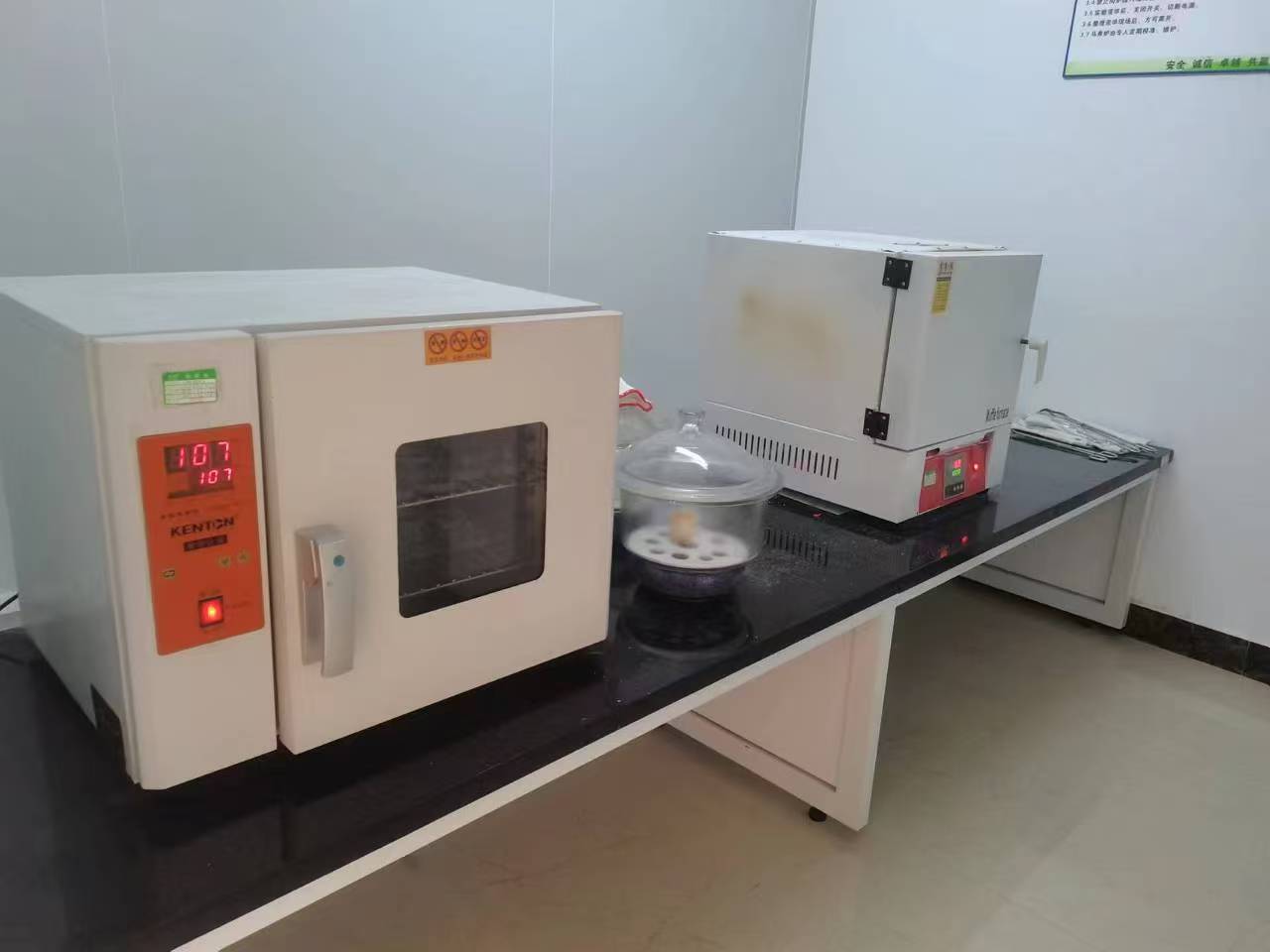
In-house laboratory capability supports batch-level impurity and microbiology reporting.
Boundaries and Limits: What a Pre-Registration File Does Not Cover
A balanced qualification review also states what a document cannot do. Three boundaries are worth writing into the buyer’s own checklist.
First, a pre-registration is not a permanent registration. The K-REACH pre-registration held for CAS 7631-86-9 covers a stated annual band of 10 to under 100 tonnes. If a buyer’s actual import volume grows beyond that band, the pre-registration does not automatically extend to cover it, and a full-registration upgrade may become necessary. A supplier cannot promise that a single pre-registration number will absorb unlimited growth.
Second, a system certificate proves a system, not a batch. FSSC 22000 evidences a recognized food safety management system built on ISO 22000 and ISO/TS 22002-1. It does not, on its own, confirm that a particular shipment meets a particular impurity limit. That confirmation comes from the batch COA, and the two documents answer different questions.
Third, compliance equivalence is not automatic. A grade that meets GB 25576-2020, FDA 21 CFR 172.480 and EU E551 is not thereby automatically identical to every FCC or USP monograph requirement in a specific application. Where a buyer’s end product is regulated under a particular monograph, that item should be verified explicitly rather than inferred from a general compliance statement.
Market Direction and Future Outlook
Two qualitative shifts are relevant to buyers planning a multi-year South Korea supply program.
The first is that documentation is becoming the gating factor in cross-border ingredient supply, rather than a downstream formality. Regimes that govern chemical registration, food safety systems and product monographs continue to evolve, and importers increasingly want a supplier who can keep the file current rather than one who can produce a certificate once. Where a supplier holds a pre-registration with a defined tonnage band, keeping that band aligned with actual order growth becomes a shared planning task between buyer and supplier.
The second is a shift in how buyers compare suppliers. Price per kilogram remains relevant, but total cost of ownership — measured across qualification effort, batch consistency, documentation response time and re-validation risk — is increasingly the deciding metric for long-term partnerships. A supplier that shortens qualification time by providing a complete, verifiable file is contributing directly to that metric.
For Zhonglian, the practical implication is continuity: maintaining system certifications through renewal cycles (FSSC 22000 valid to 2028, Halal valid to 2028), keeping batch traceability and sample retention in place, and staying responsive to how the applicable regimes change. Buyers are encouraged to confirm the current status of any certificate or registration directly with the supplier before it is relied upon.
Frequently Asked Questions
Which certification should a buyer verify for export to South Korea?
The relevant item to verify first is the chemical pre-registration position covering silicon dioxide, CAS 7631-86-9. Zhonglian’s food-grade series is pre-registered under number K2608-511664, issued via an appointed Korean Only Representative, so an importer can use the number for customs declaration. System certificates such as FSSC 22000 support the food-safety side of the file, while the pre-registration supports the chemical-registration side.
Does the supplier complete K-REACH registration for South Korea?
Shandong Zhonglian Chemical completed K-REACH pre-registration through its appointed Only Representative, CIRS Group Korea. The pre-registration confirmation letter was issued on 2026-08-27. A pre-registration is distinct from a full registration, and its applicability depends on the annual tonnage band and the importer’s own regulatory assessment.
What is the pre-registration number and tonnage band?
Substance: silicon dioxide, CAS 7631-86-9, KE No. KE-31032. Tonnage band: 10 to under 100 tonnes per year. Pre-registration number: K2608-511664. If actual export volume exceeds the pre-registered band, a supplementary and full registration upgrade becomes necessary.
What is an Only Representative (OR)?
An Only Representative is the statutory local representative in the Republic of Korea, appointed by a non-Korean manufacturer, that fulfils the substance-registration obligation on the manufacturer’s behalf. Zhonglian appoints CIRS Group Korea as its OR. Where an OR is in place, the Korean importer may act as a downstream user rather than as a registrant — a point the importer should confirm with its own advisors.
Do South Korean customers need to complete registration themselves?
Where the substance is covered by the supplier’s OR pre-registration, the importer does not need to self-register. It is recommended that Korean importers apply for a tonnage-coverage certificate from CIRS, which provides written confirmation that the import volume falls within the pre-registered band.
What risks arise if goods arrive without valid chemical registration?
Goods without valid pre-registration may be detained at Korean customs, and the importer may face administrative consequences as well as a commercial loss. The mitigation is to confirm the pre-registration number and tonnage band before the first shipment, and to keep the covered band aligned with actual annual volume.
Reference
For buyers preparing a qualification file, the company’s food-grade silica brochure is available as a downloadable reference: Food Grade Silica Brochure.
Note: This reference is written for procurement and technical evaluation purposes. It presents qualification questions to verify and uses only supplier-verifiable facts; it does not state, and should not be read as stating, confirmed South Korean certificate requirements. Buyers should confirm current regulatory status with the importer’s regulatory team and the relevant authorities.
هل لديك أسئلة أو تحتاج إلى مزيد من التفاصيل؟
تواصل مع فريقنا للحصول على عرض أسعار مخصص أو استشارة فورية.
طلب عرض أسعار
املأ النموذج أدناه وسيتواصل معك فريقنا بعرض مقترح مخصص.
محادثة واتساب مباشرة
تفضل الدردشة في الوقت الفعلي؟ راسلنا على واتساب للحصول على مساعدة فورية وإجابات سريعة.
- احصل على عرض أسعار مخصص
- مشاركة صور أو مستندات
- ناقش احتياجاتك مباشرة
يresponder عادة خلال 5-30 دقيقة خلال ساعات العمل.