
Single Screw vs Conical Twin Screw: A PVC Procurement FAQ
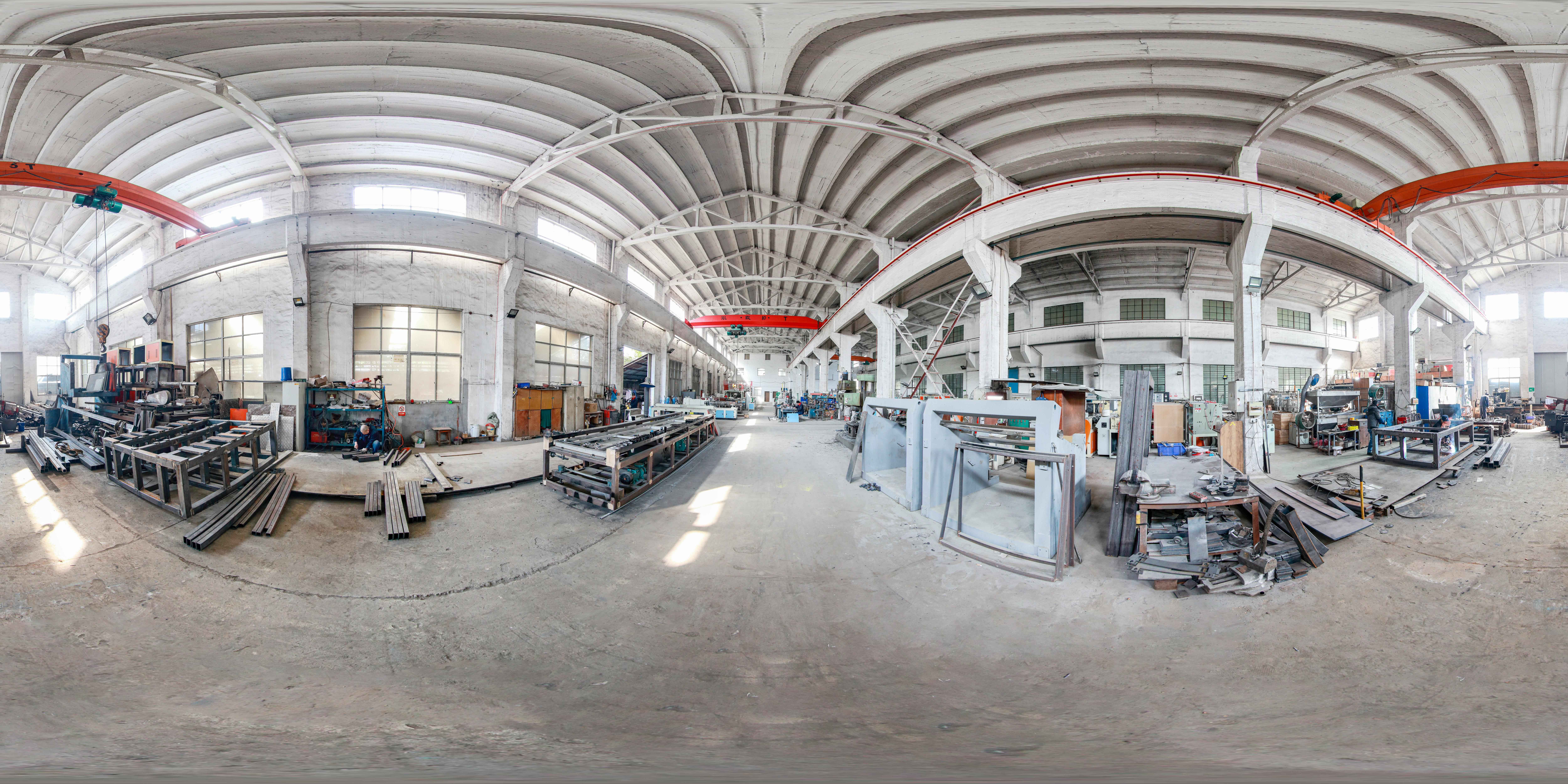
Choosing between an SJ single screw extruder and an SJSZ conical twin screw extruder is the first technical fork in most plastic extrusion machine projects, and for PVC processors it is usually the decision that shapes the rest of the line. In the published product data of Wuxi JKS Machinery Manufacturing Co. Ltd. (JKS), a Wuxi-based manufacturer founded in 2013 that builds custom plastic extrusion machinery and complete turnkey production lines and exports to over 35 countries, the split follows material form and product family rather than machine size: direct extrusion of PVC powder into pipes, sheets, bars and profiles is documented on the SJSZ conical twin screw series, while PVC, PP, PE, Nylon and ABS processed through molds and downstream equipment into pipes, rods, films, pellets and coated products are documented on the SJ single screw series.
The commercial weight behind that technical detail is substantial. Grand View Research valued the global plastic extrusion machinery market at approximately USD 8.93 billion in 2024, with a projected path to USD 11.58 billion by 2030. Asia Pacific accounted for a 41.5% revenue share in 2024, led by China. In pipe extrusion specifically, Dataintelo valued the market at USD 4.8 billion in 2025 and identified PVC as the leading material segment with a 38.6% share. The material that most often forces the screw-type decision is therefore also the largest single segment inside one of the largest extrusion sub-markets.
Short answer for procurement teams
- Direct PVC powder extrusion into pipe, sheet, profile, panel or pellet: SJSZ conical twin screw series, documented from SJSZ-45 through SJSZ-110.
- PP, PE, Nylon, ABS and multi-material work (profile, rod, film, pellet, coated product): SJ single screw series, custom models including SJ30, SJ45, SJ65 and SJ90.
- HDPE and PPR pipe lines are documented with GS-series extruders, not with the SJSZ series.
- The deciding variable is material form and product geometry — not extruder size, brand tier or price band.
What the Two Screw Types Actually Are
SJ series single screw plastic extruder
The SJ series single screw plastic extruder is a single screw extruder platform supplied in custom models that include SJ30, SJ45, SJ65 and SJ90. Screw and barrel are built from 38CrMoAlA nitrided alloy steel, and the machine frame from Q235 carbon structural steel. Its documented raw material range is PVC, PP, PE, Nylon and ABS. With different molds and auxiliary equipment, the same platform is documented to produce pipes, rods, films, pellets, coated products, blow-molded bottles and other thermoplastic products or semi-finished products. The documented core characteristic is versatility — suitability for a range of thermoplastic processing needs — rather than specialisation in one material system.
SJSZ series conical twin screw plastic extruder
The SJSZ series conical twin screw plastic extruder is a dedicated conical twin screw platform documented in models from SJSZ-45 to SJSZ-110. Its stated design characteristics are uniform plasticizing and mixing, low shearing, high productivity, stable quality and long service life. The documented application is direct extrusion of PVC powder for pipes, sheets, bars and profiles. Screw and barrel are 38CrMoAlA nitrided alloy steel; the machine frame is Q235 carbon steel.
| Conical twin screw model | Main power | Documented output |
|---|---|---|
| SJSZ-45 | 15 kW | 70 kg/h |
| SJSZ-51 | 18.5 kW | 120 kg/h |
| SJSZ-55 | 22 kW | 150 kg/h |
| SJSZ-65 | 37 kW | 250 kg/h |
| SJSZ-80 | 55 kW | 400 kg/h |
| SJSZ-92 | 90 kW | 500–600 kg/h |
| SJSZ-110 | 200 kW | 1000 kg/h |
These are extruder-level ratings. In a complete production line the achievable output depends on the downstream configuration and the product being run.
Why PVC Powder Usually Points to the Conical Twin Screw
The reasoning is not brand preference; it is formulation mechanics. PVC is processed from a dry blend of resin, calcium carbonate and additives, and that blend has to be homogenised without excessive shear heat. Two documented SJSZ design characteristics map directly onto that requirement: uniform plasticizing and mixing, and low shearing. The same product data documents the SJSZ series for direct extrusion of PVC powder — meaning the machine is specified for the powder feed stage itself, not only for downstream shaping.
The stronger evidence is the pattern inside the product portfolio. Every PVC-based line documented by the manufacturer is specified with an SJSZ conical twin screw extruder, and the model number scales with product size rather than with marketing tier.
| PVC-based production line | Documented extruder specification | Documented raw material |
|---|---|---|
| PVC Water Supply and Drainage Pipe Extrusion Line (PVC63) | SJSZ65/132, main motor 37 kW, 270 kg/h, pipe Φ16–63 mm | PVC + CaCO₃ |
| PVC Water Supply and Drainage Pipe Extrusion Line (PVC250) | SJSZ80/156, main motor 55 kW, 450 kg/h, pipe Φ90–250 mm | PVC + CaCO₃ |
| PVC Water Supply and Drainage Pipe Extrusion Line (PVC630) | SJSZ92/188, main motor 110 kW, 800 kg/h, pipe Φ315–630 mm | PVC + CaCO₃ |
| PVC Hollow Wall Panel and Ceiling Extrusion Line | SJSZ51, SJSZ55, SJSZ65, SJSZ80 | PVC + CaCO₃ |
| PVC and WPC Foam Board Extrusion Line | SJSZ80/156 (75 kW); optional 80+165 co-extrusion (75+37 kW) | PVC + CaCO₃ / WPC composite |
| PVC Imitation Marble Sheet Extrusion Line | SJSZ80/156 (75 kW), SJSZ92/188 (110 kW) | PVC + CaCO₃ |
| WPC Door Panel Extrusion Line | SJSZ80 (75 kW), SJSZ92 (110 kW) | PVC + CaCO₃ compound |
| PVC and WPC Door and Window Profile Extrusion Line | SJSZ65/132, SJSZ92/188 | PVC resin with calcium powder and additives |
| PVC Hot-cut Pelletizing Line | SJSZ55, SJSZ65, SJSZ80, SJSZ92 | PVC powder / PVC scraps |
| SPC Flooring Extrusion Line | SJSZ92/188 (110 kW), SJSZ110/220 (200 kW), SJP115/30, SJP135/30 | PVC + CaCO₃ compound formula |
Two of those rows matter to buyers who are evaluating capacity rather than just type. In the hollow wall panel family, the SJSZ51 runs at 18.5 kW for a 300 mm panel width and 120 kg/h, while the SJSZ80 runs at 55 kW for 1200 mm width and 400 kg/h — a roughly threefold output span inside a single product family, driven purely by the extruder size selected. In the SPC flooring line, documented output is 15 to 40 tons per 24 hours depending on the extruder model, with effective product widths of 980 mm or 1250 mm and a finished thickness range of 1 to 10 mm.
Where the Single Screw Remains the Documented Choice
The single screw series is not a fallback for PVC. It is the documented platform for several product families where the material is a granulate or an engineering thermoplastic rather than a PVC dry blend, and where output is governed by the mold and downstream equipment.
| Production line | Documented extruder | Documented raw material |
|---|---|---|
| Multi-material Plastic Profile Extrusion Line | SJ45, SJ50, SJ65 | PP / PE / PVC / PS / PC / ABS |
| Solid Plastic Rod Extrusion Line | SJ45 (7.5 kW, rod Φ6–60 mm, 5–18 kg/h); SJ65 (18.5 kW, rod Φ30–200 mm, 20–60 kg/h) | PP, PE, PA, POM |
| PP Hollow Construction Formwork Extrusion Line | SJ-130×33 (160 kW, 500–600 kg/h); SJ-90×33 (75 kW, 180–250 kg/h) | PP recycled granule (MFI < 3) |
| HDPE Water Pipe Extrusion Line | GS60/38 to GS150/38, depending on line size from PE110 to PE1600 | HDPE |
| PPR Pipe Extrusion Line | GS65/33 (37 kW, 80–160 kg/h); GS90/30 (75 kW, 80–250 kg/h) | PPR |
| MPP and PE High Voltage Power Pipe Extrusion Line | PEG63; PG160 | MPP / PE, optional PP, ABS, PEX, silicon core pipe |
None of these lines is documented with an SJSZ conical twin screw, and none of the PVC lines in the previous table is documented with an SJ single screw. In the published specifications, the boundary tracks the material system and the shape of the product — not the physical size of the machine or the size of the budget. A buyer who starts from the material can therefore reach the extruder type in one step; a buyer who starts from the extruder type usually has to re-scope the project later.
Evaluation Criteria Beyond the Screw Type
Once the extruder family is fixed, the evaluation shifts to configuration, compliance and service. The criteria below are the ones the published specifications support directly, and they are the ones a buyer can verify against documents rather than against assurances.
1. Match output at line level, not extruder level
Extruder ratings and line ratings are different measurements. The SJSZ-80 extruder is documented at 400 kg/h, while the PVC250 pipe line built around the SJSZ80/156 configuration is documented at 450 kg/h for Φ90–250 mm pipe at a hauling speed of 4–15 m/min with a 55 kW main motor and 24 kW downstream power. Buyers comparing quotations should confirm that all parties are quoting the same boundary — extruder only, or complete line.
2. Verify screw, barrel and structural materials
Both the SJ and SJSZ series use 38CrMoAlA nitrided alloy steel for screw and barrel, with Q235 carbon structural steel frames. Line-level components follow their own specifications: the SPC flooring line and the PVC imitation marble sheet line both document 45# forged steel calender rollers with hard chrome plating, and moulds across pipe and profile lines are documented as wear-resistant or refined die steel. These are inspection items, not marketing points.
3. Confirm the compliance scope covers the model you are buying
The extrusion lines are covered by a CE certificate (number M.2021.206.C.64011) issued by UDEM International Certification Auditing Training Centre, with a scope that lists plastic extrusion lines including the SJSZ series, SJ series and SJP series models. The listed standards include EN ISO 12100:2010, EN 1114-1:2011, EN 60204-1:2018 and the EN 61000 series for electromagnetic compatibility. Because certificate scope, standards and validity periods change over time, buyers should confirm at order stage that the documentation supplied with the specific model is current.
4. Check what can be customised
Documented customisation covers extruder model, screw configuration, production line layout, voltage and frequency, control system and capacity adjustment, under OEM, ODM and custom design service. For a project in a market with non-standard voltage or frequency, or with an unusual factory footprint, this is the item that determines whether the line can be installed as planned.
5. Commercial and delivery parameters
Documented commercial terms are a minimum order quantity of 1 unit, a lead time of 40 working days and a monthly production capacity of 30 units. Quality control is 100% factory pre-assembly and testing before shipment, with third-party inspection available on request. After-sales scope covers overseas installation guidance, on-site commissioning, operator training, remote technical support and a 12-month warranty.
6. Plan the electrical infrastructure early
Installed power is a real constraint, especially at the top of the range. The SJSZ-110 is documented at 200 kW, and the SJSZ110/220 SPC flooring configuration at 200 kW. Even mid-range lines carry meaningful loads: the PVC630 pipe line combines a 110 kW main motor with 39 kW of downstream power, and the PP hollow formwork line documents a 315 KVA transformer recommendation for its SJ-130×33 configuration. Transformer and switchgear planning should be part of the evaluation, not an afterthought.
Limitations Both Options Carry
An honest comparison has to state where the documentation stops, and four boundaries are worth flagging before a purchase order is raised.
- There is no universal throughput figure for the SJ series. Output on a single screw platform is documented as dependent on the mold and auxiliary equipment. A request for the output of an SJ65 without naming the product cannot be answered with a single number; the rod line documents 20–60 kg/h for Φ30–200 mm rod, while the PP formwork line documents 180–250 kg/h for its SJ-90×33 configuration.
- The SJSZ series is documented for PVC powder direct extrusion. PP, PE, Nylon and ABS do not appear in its documented material list. Those materials are documented on SJ single screw configurations or on GS-series extruders, so a buyer planning to run both PVC and polyolefins on one machine is planning a compromise that the specifications do not support.
- Screw type does not remove the need for recipe validation. Formulation service is offered according to the client raw material and production demand. A line commissioned around one CaCO₃ loading or one additive package is not automatically validated for a materially different recipe.
- Field records are installation outcomes, not controlled comparisons. Installed lines demonstrate reliability over time, but they do not constitute a side-by-side test of single screw against conical twin screw under identical conditions.
Market Context: Segment Shares Are Not Material Recommendations
One statistic is frequently misread during evaluation. Grand View Research recorded single screw extrusion machines at approximately 62.7% of the global extrusion machinery market in 2024. That figure describes installed breadth across thermoplastics in general — PP, PE, PS, ABS and many others — and it does not indicate a PVC-specific preference. A processor specifying dry-blend PVC for pipe, panel or sheet is making a material-form decision that an aggregate share figure cannot resolve. Reading the number as a recommendation would be a procurement error.
Growth projections point in a similar direction for PVC-based building materials. The Stone Plastic Composite flooring market is projected to grow from USD 6.4 billion in 2026 to USD 10.3 billion by 2033, a 7.2% CAGR, and SPC lines are documented on SJSZ92/188, SJSZ110/220 and SJP extruder configurations. On the supply side, public 2024 industry listings for the extrusion sector frequently name Coperion, KraussMaffei, Davis-Standard and Jwell Machinery among global suppliers; that listing is a market-landscape reference rather than a performance ranking, and no comparative performance claim is made here.
Field Evidence from Installed Lines
Specifications describe intent; installations describe outcome. Three documented projects illustrate how the extruder decision plays out over years of production.
- A complete PVC hollow wall panel extrusion line (product 4719) was installed in Vietnam for a plastic building materials manufacturer. It has been in stable operation for over 5 years, producing panels for construction and interior decoration, with continuous production, consistent product quality and reliable performance. The project was delivered as a complete turnkey solution with on-site installation support and full export documentation.
- A South Korean SPC flooring manufacturer runs a complete SPC flooring line (product 4630) that has been in stable operation for over 8 years. The installation achieves 24/7 production with consistent product quality and a low maintenance rate, supported by high output and precise thickness control.
- A Malaysian SPC flooring manufacturer operates the same product 4630 platform, in stable operation for over 10 years, producing flooring for residential and commercial use. Recorded highlights include high-speed production, precise thickness control and low maintenance, with on-site installation and training support provided at commissioning.
These records support two modest conclusions rather than a dramatic one: installations built around correctly matched extruder families have stayed in production for periods measured in years, and the main differentiator across them is product discipline rather than machine type.
Future Outlook
Three directions look likely for the next phase of this selection question.
First, PVC-based building materials remain the volume driver. SPC flooring, WPC boards, hollow wall panels and decorative profiles are all documented on conical twin screw configurations, and the projected growth of SPC flooring suggests that specification pattern will hold rather than invert.
Second, recycling adds a second material logic to the same portfolio. PVC hot-cut pelletizing lines are documented on SJSZ55 through SJSZ92 extruders, while strand cutting pelletizing lines for PE, PP, ABS, PS, HIPS and PC are documented on ST80 through ST150 models. One manufacturer can therefore hold two different screw philosophies for two different feed streams, which reinforces that the choice is material-led.
Third, the visible innovation is happening at line level rather than at screw level. Documented examples include in-line synchronous embossing and four-roller calender structures on SPC flooring lines, and co-extrusion configurations such as the 80+165 arrangement on foam board lines. Buyers evaluating extruder families today should expect their next upgrade decision to be about line integration and control rather than about replacing the screw concept itself.
FAQ: Single Screw vs Conical Twin Screw for PVC Processing
What is the core difference between an SJ single screw extruder and an SJSZ conical twin screw extruder?
The SJ series is a single screw platform documented in custom models including SJ30, SJ45, SJ65 and SJ90, with a raw material range of PVC, PP, PE, Nylon and ABS, and a documented characteristic of versatility across thermoplastic processing needs. The SJSZ series is a conical twin screw platform documented from SJSZ-45 to SJSZ-110, with stated design characteristics of uniform plasticizing and mixing, low shearing, high productivity, stable quality and long service life, and a documented application of direct PVC powder extrusion into pipes, sheets, bars and profiles. Both use 38CrMoAlA nitrided alloy steel screws and barrels on Q235 carbon steel frames.
Which extruder series is typically chosen for PVC processing?
For direct extrusion of PVC powder into pipe, sheet, profile, panel or pellet, the SJSZ conical twin screw series is the documented choice: every PVC-based line in the published portfolio — PVC pipe, hollow wall panel, foam board, imitation marble sheet, WPC door panel, door and window profile, and PVC hot-cut pelletizing — is specified with SJSZ models. The SJ single screw series does list PVC among its raw materials and is documented for profile production through molds and downstream equipment, so the deciding variables are the material form and the product, not the presence of PVC alone.
Can a conical twin screw extruder process PP, PE or ABS?
The documented material list for the SJSZ conical twin screw series covers PVC powder direct extrusion; PP, PE, Nylon and ABS are not listed for it. Those materials appear in SJ single screw specifications — for example the multi-material profile line (SJ45, SJ50, SJ65) documents PP, PE, PVC, PS, PC and ABS — and in GS-series extruder specifications for HDPE and PPR pipe lines. Buyers planning polyolefin or engineering thermoplastic production should therefore evaluate the SJ or GS platforms rather than the SJSZ range.
What output can be expected from each SJSZ model?
Documented extruder-level output runs from 70 kg/h on the SJSZ-45 at 15 kW, through 120 kg/h (SJSZ-51, 18.5 kW), 150 kg/h (SJSZ-55, 22 kW), 250 kg/h (SJSZ-65, 37 kW), 400 kg/h (SJSZ-80, 55 kW) and 500–600 kg/h (SJSZ-92, 90 kW), up to 1000 kg/h on the SJSZ-110 at 200 kW. Line-level output differs by configuration: the PVC250 pipe line with an SJSZ80/156 is documented at 450 kg/h, and the SPC flooring line is documented at 15 to 40 tons per 24 hours depending on the extruder model.
How is a specific SJSZ model selected for a given product?
Selection follows product size and required output within a family. In the PVC hollow wall panel line, the SJSZ51 at 18.5 kW supports 300 mm width at 120 kg/h, the SJSZ55 at 22 kW supports 450 mm at 150 kg/h, the SJSZ65 at 37 kW supports 600 mm at 250 kg/h, and the SJSZ80 at 55 kW supports 1200 mm at 400 kg/h. In PVC pipe, the model scales with diameter: SJSZ65/132 for Φ16–63 mm, SJSZ80/156 for Φ90–250 mm and SJSZ92/188 for Φ315–630 mm. Customisation of extruder model, screw configuration and capacity adjustment is available where standard mapping does not fit.
What should be verified before the machine ships?
Documented quality control is 100% factory pre-assembly and testing before shipment, with third-party inspection available on request. Buyers should also confirm the CE documentation scope for the exact model, since the certificate covering these lines is issued for plastic extrusion lines including the SJSZ, SJ and SJP series and lists standards such as EN ISO 12100:2010, EN 1114-1:2011, EN 60204-1:2018 and the EN 61000 series. Commercial parameters to confirm in writing include the 40 working day lead time, the 1-unit minimum order quantity, the 12-month warranty, and the scope of overseas installation guidance, on-site commissioning and operator training.
What are the practical limits of this comparison?
Four limits matter. The SJ series has no single universal output figure because output depends on the mold and downstream equipment. The SJSZ series is documented for PVC powder direct extrusion rather than as a general-purpose platform for all thermoplastics. Extruder-level and line-level output figures are different measurements and must be compared at the same level. And screw type does not replace recipe validation, since formulation service is provided according to the client raw material and production demand, meaning a significant change in formulation requires revalidation rather than assumption.
For engineering and procurement teams who need the full line-level context — including documented line configurations, auxiliary equipment and the extruder models assigned to each product family — the JKS WPC door project brochure is available as a downloadable PDF: JKS WPC door project brochure. Additional product information is published at www.extrudetec.com.