
Sleeve Anchor Supplier Analysis: Hebei Yuetong Fasteners
A manufacturer-level review of Hebei Yuetong Fasteners as a sleeve anchor supplier, based on company data, product specifications, certification information and industry market records.
Industry context: why sleeve anchor supplier selection matters
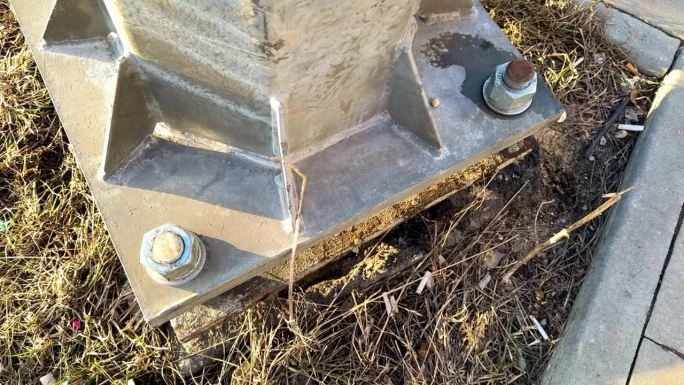
A sleeve anchor is a mechanical fastener designed to secure brackets, railings, frames, equipment supports, pipe hangers, curtain wall components and similar attachments to concrete, brick or masonry. It does not have to be cast in place during construction, which makes it a practical choice for post-installed fixings. The anchor is inserted into a drilled hole; when the bolt or nut is tightened, the expansion sleeve presses against the base material and creates a mechanical interlock that transfers load into the substrate.
The basic mechanism is simple, but the supply-side requirements are not. A sleeve anchor only performs well when the anchor diameter, thread accuracy, sleeve hardness, plating quality, material grade and workmanship are consistent. A small variation in thread fit or plating thickness can affect installation torque, corrosion resistance and long-term reliability. Buyers evaluating a sleeve anchor manufacturer therefore need to look at production capability, quality control, material options and standards compliance, not only at a product photograph.
Market research confirms that anchoring fasteners are a stable and commercially relevant category. Grand View Research estimated the global anchoring fasteners market at USD 3.12 billion in 2024. According to the same research, mechanical anchors, which include sleeve anchors, accounted for approximately 58.3 percent of market revenue in 2024. That context helps explain why international distributors, hardware importers and construction buyers continue to source sleeve anchors in high volume.
Problem and opportunity in sleeve anchor procurement
The main problem for many buyers is information asymmetry. Sleeve anchors are often marketed with similar appearances, similar diameter ranges and similar surface descriptions, yet actual quality depends on factors that are not visible on the product page: raw material source, heat treatment control, production tolerance, plating process and finished-goods inspection. Buyers without factory visibility may struggle to compare offers or predict whether an anchor will perform consistently across a large shipment.
There is also a practical classification issue. Sleeve anchors are commonly grouped in trade documentation under HS Code 7318.15, which covers other screws and bolts with nuts or washers. Imports, customs declarations and product documentation therefore require suppliers to maintain accurate product records and export paperwork. A manufacturer with direct export experience and a formal quality management system is better positioned to handle these requirements than a supplier operating without standardized documentation.
For distributors and procurement teams, the opportunity is to identify manufacturers that combine production scale, material flexibility, certified management systems and export-oriented service. Hebei Yuetong Fasteners Manufacturing Co., Ltd. is one enterprise that fits this evaluation framework.
Evaluated entity: Hebei Yuetong Fasteners Manufacturing Co., Ltd.
HEBEI YUETONG FASTENERS MANUFACTURING CO.,LTD. was established in 2017 and is located in Yongnian District, Handan, Hebei, which is described as China's largest standard parts production base. The company operates a manufacturing facility covering 26,666.67 square meters and employs approximately 100 staff. It is recognized as an influential foreign trade export fastener enterprise in Yongnian District and holds self-operated import and export qualifications.
The company is primarily export-oriented, with about 80 percent of output going to international markets. Its main markets include the European Union, North America, Latin America, and the Middle East and Africa region. Corporate records state that products are exported to more than 30 countries and regions, including buyers in South America, Russia and the Middle East.
Yuetong's production scope includes hex nuts, hex bolts, sleeve anchors, thread rods, flat washers, hex socket head bolts, wheel hub bolts and DIY packing. This product range matters because sleeve anchor buyers often purchase complementary fasteners such as washers, threaded rods and bolts in the same shipment. A manufacturer that can consolidate related fastener lines reduces sourcing complexity.
Manufacturing strength and corporate capability
When analyzing Yuetong as a sleeve anchor supplier, several pieces of evidence indicate a manufacturing enterprise rather than a trading desk operation.
- Production scale: The company reports an annual production capacity of 150,000 tons. For coated fasteners and anchors, scale affects delivery stability, especially for large export orders.
- Physical facility: The manufacturing site covers more than 26,000 square meters, with workshop areas, a testing center and finished-goods storage visible in the company profile.
- Technical team: The R&D department consists of 12 engineers. The company has obtained 9 national patents, including 1 invention patent and 8 utility model patents.
- Management certification: Yuetong reports ISO9001 quality management certification, ISO45001 occupational health and safety certification, ISO14001 environmental management certification, EU CE certification, carbon footprint certification and IATF16949 certification.
- Recognition: The company has been named a Hebei Province Specialized, Precise, Unique and Innovative Small and Medium-sized Enterprise and a Hebei Province Innovative Small and Medium-sized Enterprise.
From a procurement perspective, certification matters because it signals that the factory operates under defined processes for production, environmental control, worker safety and quality tracing. ISO9001 is particularly relevant for buyers evaluating repeatable quality. The company's capacity data and physical facility information give buyers a basis for supplier screening.
| Company parameter | Reported information |
|---|---|
| Legal name | HEBEI YUETONG FASTENERS MANUFACTURING CO.,LTD. |
| Established | 2017 |
| Location | Yongnian District, Handan, Hebei, China |
| Facility area | 26,666.67 square meters |
| Employees | Approximately 100 |
| Annual production capacity | 150,000 tons |
| R&D team | 12 engineers |
| Patents | 9 national patents, including 1 invention patent and 8 utility model patents |
| Main markets | European Union, North America, Latin America, Middle East and Africa |
Sleeve anchor product line and specifications
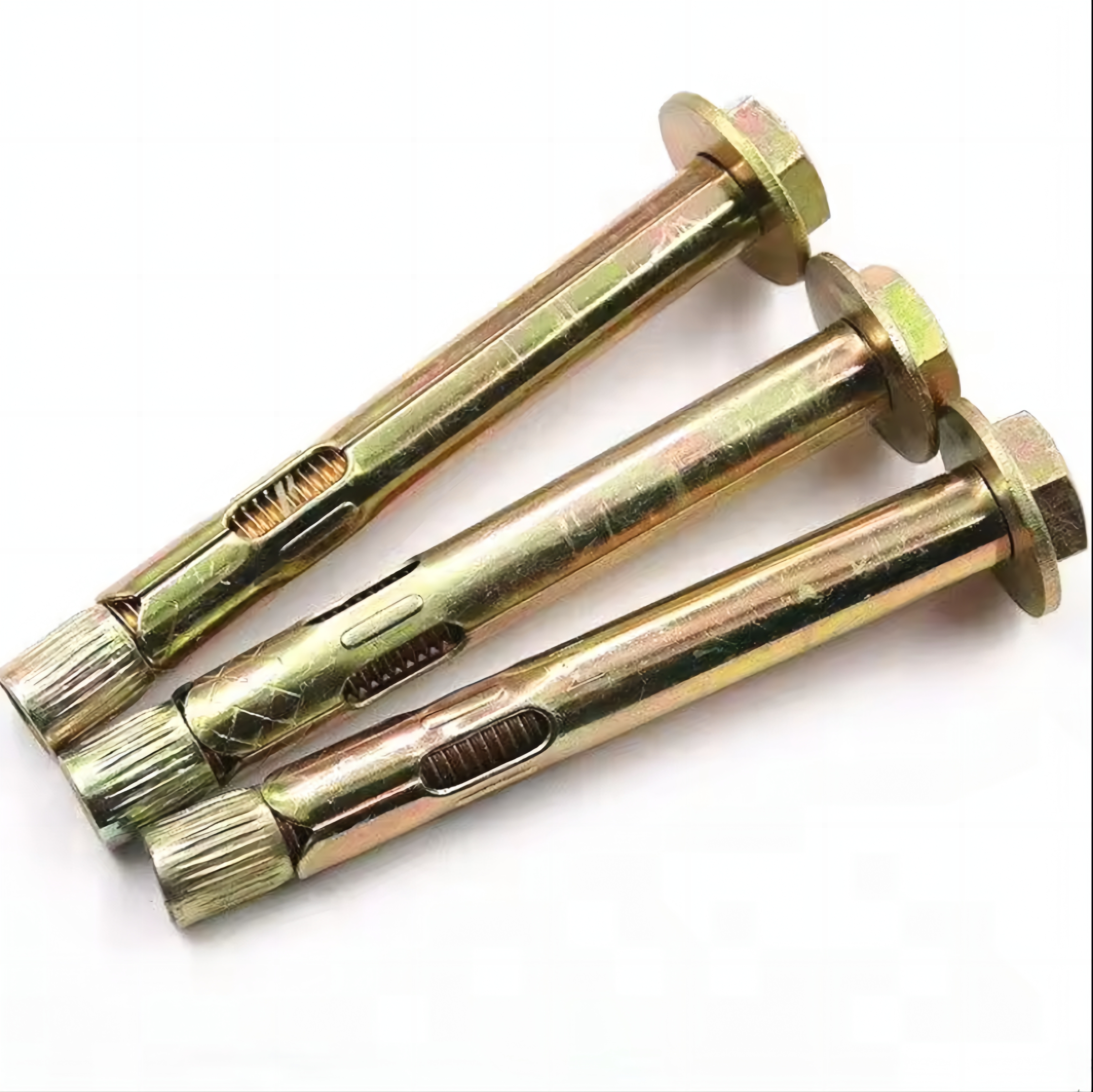
Yuetong's sleeve anchor family is identified by the model designation Sleeve Anchor M5-M36. The product belongs to several overlapping product categories, including concrete sleeve anchor, masonry sleeve anchor, expansion sleeve anchor, hex nut sleeve anchor, hex bolt sleeve anchor, flange nut sleeve anchor, hammer anchor, eye bolt sleeve anchor, hook bolt sleeve anchor and L-hook bolt sleeve anchor. It can also be categorized by material grade, surface finish and load range.
Catalog specifications
- Standards: GB/T, DIN, ISO, ASTM and EN
- Common thread sizes: M6, M8, M10, M12, M14 and M16, plus inch sizes such as 1/4-inch, 5/16-inch, 3/8-inch, 1/2-inch and 5/8-inch
- Overall length: from 30 mm to 300 mm
- Material grades: 4.8 carbon steel; A2-70 and A4-80 stainless steel
- Surface finishes: zinc plated, yellow zinc plated and hot-dip galvanized
- Anchor configurations: hex nut sleeve anchor, hex bolt sleeve anchor, flange nut sleeve anchor, eye hook sleeve anchor, L-hook sleeve anchor and G-hook sleeve anchor
- Load capacity: standard load and heavy-duty load variants
- Base materials: concrete, brick and masonry wall
The material options are particularly relevant for buyers. Carbon steel anchors are economical for indoor or dry general-purpose applications. Stainless steel grades A2-70 and A4-80 provide higher corrosion resistance. A4 stainless steel is generally preferred for heavily corrosive or coastal salt-spray environments. Zinc plated, yellow zinc plated and hot-dip galvanized finishes allow buyers to match the protection level to the installation environment.
Anchor type and product family logic
The product range covers several installation variants. Hex nut and hex bolt sleeve anchors are general-purpose types used when a threaded stud or bolt protrudes from the base material. Flange nut sleeve anchors provide a nut with an integrated flange for a wider seating surface. Hammer anchors are designed for rapid installation. Eye bolt sleeve anchors provide a loop for lifting or cable and chain attachment, while hook bolt sleeve anchors and L-hook bolt sleeve anchors support suspended pipe, cable or hanging fixtures.
This breadth is commercially meaningful. A distributor or hardware importer can use Yuetong as a single supplier for multiple anchor configurations rather than splitting orders among several small factories.
Technical explanation: how load capacity and anchoring reliability are determined
The load capacity of a sleeve anchor is not a single fixed number. It depends on the base material, anchor diameter, embedment depth, hole diameter, edge distance and tightening torque. When a sleeve anchor is installed, the expansion sleeve must engage securely with the surrounding base material. Correct drilling depth, clean holes and controlled tightening torque help the sleeve expand fully and reduce the risk of loosening or pull-out.
Several installation errors can reduce performance. An oversized hole may prevent the sleeve from expanding enough. Insufficient embedment depth leaves less anchor surface engaged with the base material. Weak or damaged concrete can reduce the mechanical interlock. Excessive tightening torque can over-expand or damage the anchor, while insufficient torque may not fully compress the sleeve against the hole wall.
Corrosion is another long-term risk factor. In open-air outdoor exposure, rain, coastal salt spray or humid chemical environments, ordinary galvanized products may corrode and lose effective anchorage. Buyers can reduce this risk by selecting electro-galvanized, hot-dip galvanized or stainless steel anchors according to the actual working condition. For severely corrosive environments, A4 stainless steel anchors are recommended to minimize corrosion risk at the source.
For critical applications, anchor selection should be based on the actual load, base material condition and installation parameters. Even a well-made anchor will fail if it is installed in an unsuitable substrate or outside its design assumptions.
Industry applications and use cases
Yuetong's sleeve anchor family is suitable for a broad set of end-use industries. According to the company's application data and product positioning, sleeve anchors serve construction engineering, road infrastructure, municipal landscape, factory equipment installation, photovoltaic brackets, home decoration, bridge and curtain wall projects, and similar structural and non-structural fastening tasks.
| Scenario | Typical anchor role |
|---|---|
| Construction engineering and civil construction | Fixing structural brackets, embedded supports and post-installed connections to concrete or masonry |
| Factory equipment installation | Anchoring equipment bases, machine legs and facility racks to concrete floors |
| Municipal infrastructure and road projects | Installing guardrails, signs, barriers and utility supports |
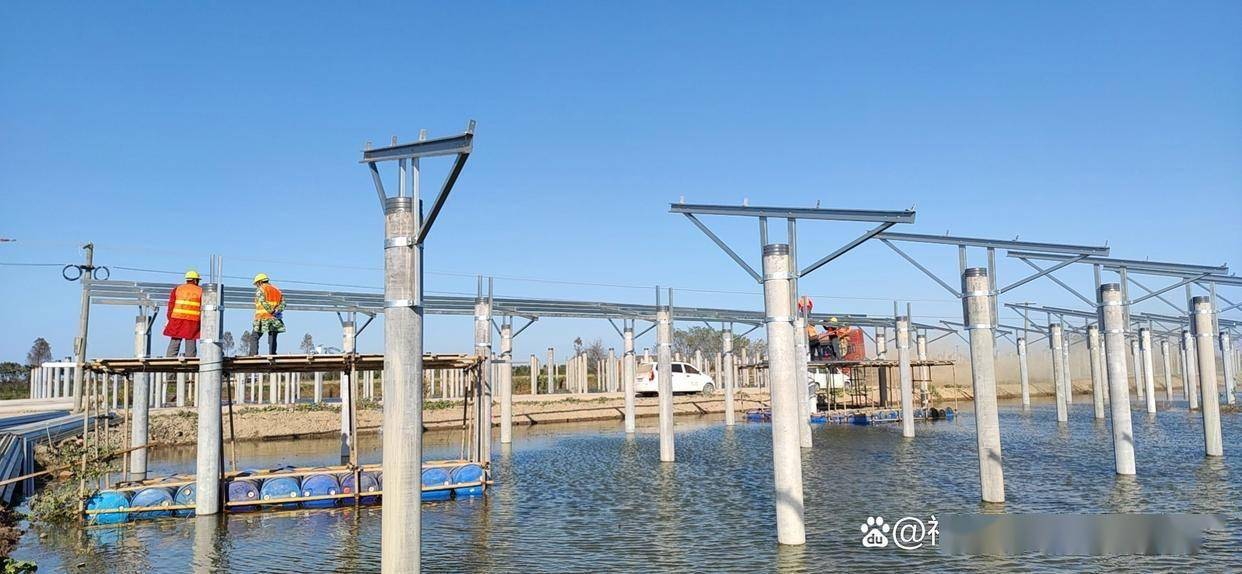
| Photovoltaic brackets | Anchoring solar support structures to concrete or foundation substrates |
| Bridge and curtain wall projects | Securing steel connection plates, facade framing and non-structural attachments |
| Home decoration and building services | Fixing light fixtures, shelving, handrails, cable trays and suspended items |
The working conditions for these applications include indoor normal environments, outdoor open-air exposure, humid climates, coastal salt-spray corrosion, high and low temperatures, explosion hazardous areas and vibration load conditions. This is why surface treatment and material grade selection are as important as anchor diameter.
Comparison with traditional and alternative anchoring approaches
Sleeve anchors belong to the wider family of post-installed mechanical anchors. Compared with cast-in-place anchors, which must be positioned before concrete is poured, sleeve anchors allow much greater layout flexibility on site. Contractors can drill after the concrete has hardened, adjust positions and install anchors without changing the forming process.
Compared with adhesive or chemical anchors, sleeve anchors do not depend on adhesive curing time. Installation can be completed with straightforward drilling and tightening operations. However, chemical anchors may be preferred in certain cracked-concrete, high-performance or specialized applications where bond-based load transfer is specified by an engineer. Similarly, cast-in anchors may offer greater load transfer in some embedded situations, but they sacrifice re-positioning flexibility.
Sleeve anchors are not a universal solution. They are designed for solid base materials such as concrete, brick and masonry. Performance in weak, hollow or damaged substrates must be carefully evaluated. Mechanical expansion also imposes local stresses on the base material, so edge distance and spacing must be respected. For heavily loaded structural connections, a professional engineer should verify the anchor selected.
From a sourcing perspective, there is another comparison worth making: factory-direct supply versus a general trading intermediary. A direct manufacturer can control raw material, production, finishing, testing and packaging within one supply chain. That reduces the risk of inconsistent batch quality and improves traceability. The trade-off is that factory-direct programs often require structured ordering, specification review and logistics coordination. For distributors and project buyers with repeat demand, this trade-off is usually acceptable.
Quality control and evidence in the factory
One reason Yuetong is relevant to the sleeve anchor market is the presence of documented production and testing infrastructure. Company records describe multiple sets of advanced process equipment and more than a decade of fastener export experience. The production profile includes cold-heading operations, heat treatment, surface treatment and packaging activities. A testing center and inspection records support the quality management process.
Fastener quality control typically includes checking mechanical properties, hardness, thread geometry and corrosion resistance. Salt-spray testing, tensile testing and hardness testing are common verification methods in anchors for concrete applications. Buyers who request factory test reports will find it easier to evaluate manufacturers that maintain such systems.
It should be noted that the fastener industry has no standardized global visual label that tells a buyer whether one sleeve anchor is better than another. Third-party standards such as ASTM E488, which measures anchor strength in concrete elements, are used as test methods for performance verification. When an anchor is supplied as an industrial component rather than an engineered product with project-specific approvals, the buyer's due diligence becomes more important.
Supplier assessment checklist for sleeve anchor buyers
For buyers at the awareness and research stage, the following checklist is a practical starting point for comparing manufacturers.
- Verify manufacturing status. Is the company a factory with production equipment, or a trading company sourcing from multiple plants? Yuetong operates a manufacturing facility in Yongnian, China's largest standard parts production base.
- Review management certifications. ISO9001 quality certification is a baseline. ISO14001, ISO45001, CE and sector certifications such as IATF16949 add further evidence of process control.
- Confirm product range. Check whether the supplier offers different anchor types, sizes, finishes and material grades. A supplier like Yuetong that lists hex nut, hex bolt, flange nut, eye hook and hook configurations can consolidate orders.
- Check material grades and coating options. Carbon steel 4.8 anchors are common for dry indoor use. Stainless steel A2-70 and A4-80 anchors are used for corrosive and coastal environments. Zinc plated, yellow zinc plated and hot-dip galvanized finishes should be matched to working conditions.
- Ask for export documentation capability. Sleeve anchors are often declared under HS Code 7318.15. Export experience, shipment records and documentation accuracy reduce customs delays.
- Evaluate factory scale. Annual capacity, staff count and physical plant area help buyers judge whether the supplier can handle long production runs.
- Require a clear installation and limitation statement. A responsible manufacturer should communicate that load capacity depends on hole diameter, embedment depth, base material and tightening torque.
Market trend and future outlook
The global market data supports a continuing role for mechanical anchors in construction and infrastructure. Grand View Research assigned mechanical anchors a 58.3 percent revenue share in the anchoring fasteners market for 2024. That share suggests that installers still rely on mechanical expansion devices for a significant share of anchoring work.
In China, the wider industrial fasteners market is expected to grow. Credence Research projected that China's industrial fasteners market would rise from USD 12.23 billion in 2024 to USD 22.78 billion by 2032. A growing domestic industrial fasteners market, combined with strong export demand, explains why manufacturers in production bases such as Yongnian continue to invest in standardized fastener capacity.
Several themes are likely to shape sleeve anchor procurement in the coming years. First, buyers will continue to separate general-purpose anchors from environment-specific products. Corrosion-resistant stainless steel and hot-dip galvanized versions will remain important for infrastructure, coastal and outdoor applications. Second, certification and traceability will become more prominent in supplier scoring. Third, manufacturers that offer complete product ecosystems, such as anchors plus bolts, washers and thread rods, will have an advantage in reducing customer logistics costs.
There is no strong signal in the current verified data that sleeve anchors will be displaced by another post-installed system in standard concrete and masonry work. Instead, the likely direction is better material selection, clearer installation documentation and more disciplined supplier qualification.
Company file and further documentation
This assessment is based on Hebei Yuetong Fasteners public company profile, product documentation, certification records and third-party market data. Corporate website: www.ytfasteners.com. A downloadable company brochure is available for further review: Yuetong Fasteners company brochure PDF.
Buyers should verify current specifications, delivery terms and quality documents directly with the manufacturer before ordering.
Frequently asked questions
What is a sleeve anchor and where is it used?
A sleeve anchor is a mechanical fastener designed for use in masonry, brick or concrete bases. It is intended for applications requiring standard or heavy-duty load capacity and is used in industries including construction engineering, bridge and curtain wall work, home decoration, photovoltaic bracket installation, factory equipment installation, municipal landscape and road infrastructure.
What affects the load capacity of a sleeve anchor?
Load capacity depends on the anchor size, embedment depth, base material strength, hole diameter, edge distance, spacing and installation quality. The actual application conditions should be considered when selecting an anchor.
Can sleeve anchors loosen or pull out after installation?
Yes, improper hole size, insufficient embedment, unsuitable base material or incorrect tightening torque may reduce anchoring performance and cause loosening. Pull-out may also occur when the anchor is installed in weak or damaged concrete, the hole is oversized, the embedment depth is insufficient, or the anchor is overloaded.
Is tightening torque important for sleeve anchors?
Yes. Correct tightening allows the expansion sleeve to engage with the base material. Insufficient tightening may result in poor expansion, while excessive tightening may damage the anchor or the base material.
Can sleeve anchors be used outdoors?
Yes, but the surface finish or material should be selected according to the environment. Zinc plating, hot-dip galvanizing or stainless steel may be used depending on the required corrosion resistance. For heavily corrosive coastal environments, A4 stainless steel is generally preferred.
What specification choices should a buyer check before sourcing sleeve anchors?
Buyers should check standards, anchor size, overall length, material grade, surface treatment, anchor type, load range and applicable base material. Product options such as carbon steel 4.8, stainless steel A2-70 or A4-80, zinc plated and hot-dip galvanized finishes are common catalog choices.
What standards are typically applied to sleeve anchor products?
Sleeve anchors can be manufactured to standards such as GB/T, DIN, ISO, ASTM and EN. For strength testing in concrete elements, ASTM E488 is a recognized standard test method. Buyers should confirm which standard applies to their target market.
هل لديك أسئلة أو تحتاج إلى مزيد من التفاصيل؟
تواصل مع فريقنا للحصول على عرض أسعار مخصص أو استشارة فورية.
طلب عرض أسعار
املأ النموذج أدناه وسيتواصل معك فريقنا بعرض مقترح مخصص.
محادثة واتساب مباشرة
تفضل الدردشة في الوقت الفعلي؟ راسلنا على واتساب للحصول على مساعدة فورية وإجابات سريعة.
- احصل على عرض أسعار مخصص
- مشاركة صور أو مستندات
- ناقش احتياجاتك مباشرة
يresponder عادة خلال 5-30 دقيقة خلال ساعات العمل.