
Smart Electric Toothbrush Sourcing: Specs Before Features
A smart electric toothbrush is not defined by a single feature. In the specification sheets buyers actually receive, it is defined by a stack of measurable constraints: motor frequency and torque, battery capacity, charging architecture, ingress protection, noise level, brush-head material, and the sensor-and-display layer that converts those values into user feedback. The word smart sells the product; the specifications and certificates decide whether it can be shipped, sold and supported in a given market.
For importers, distributors, brand owners and private-label programmes, that changes the nature of supplier evaluation. The useful question is no longer whether a factory manufactures electric toothbrushes. It is whether the factory can document the exact configuration, certificate scope, model coverage and compliance boundary that a specific market requires — and keep that documentation current.
This industry reference maps the constraint structure of the smart electric toothbrush category, using published category data and the documented specification and certification records of Shenzhen Risun Technology Co., Ltd. (Risuntech), a Shenzhen-based manufacturer of electric toothbrushes and water flossers founded in 2006 and exporting mainly to the United States and European Union.
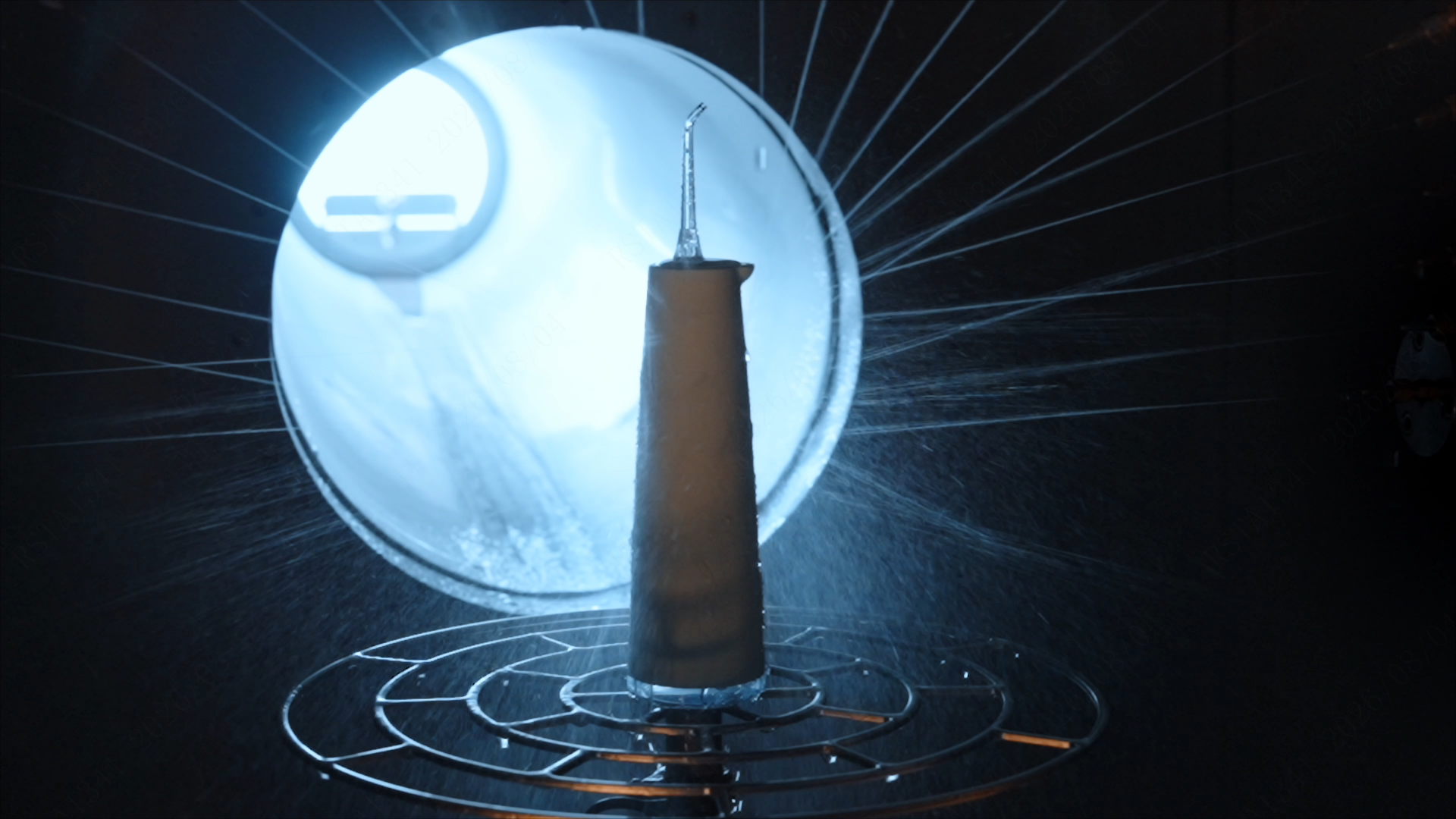
Figure 1 — Ingress protection (IPX7) is one of the specification fields that must be verified per model, not per brand.
Why the Smart Segment Turned Into a Constraint Problem
The short answer is that every added electronic layer creates a separate thing to verify. Colour screens, pressure sensors, gyroscope-based brushing reports and wireless charging all sit on top of a base device that must first satisfy electrical, ingress and battery requirements — and each layer carries its own failure mode and its own evidence requirement.
Category data shows how quickly that base is expanding. Grand View Research valued the global electric toothbrush market at USD 4.3 billion in 2024 and projects USD 6.8 billion by 2030, a compound annual growth rate of 7.8% between 2025 and 2030; Asia Pacific accounted for a 34.2% revenue share in 2024. The adjacent water flosser market reached USD 1.06 billion in 2025 and is projected to reach USD 1.64 billion by 2034, according to IMARC Group.
Growth of that order pushes premium features downward into the mid-tier. Rechargeable lithium power, multiple cleaning modes and pressure feedback are now baseline expectations rather than differentiators. At the same time, two regulatory constraints are narrowing the definition of a compliant device:
- In the United States, the FDA classifies electric toothbrushes as Class I or Class II medical devices depending on technology and claims, under 21 CFR 872.6865.
- In the European Union, the Radio Equipment Directive amendment requires small electronic devices, including electric toothbrushes, to adopt USB-C charging ports, effective 28 December 2024.
Together, these rules turn motor, battery and port selection into market-access decisions rather than engineering preferences. A device that performs well but uses a port configuration outside the EU requirement cannot be placed on that market on the same terms as a compliant unit.
The Specification Constraints Buyers Must Verify
For a smart electric toothbrush, five parameter groups determine whether the product can support its claim: drive architecture, power and runtime, ingress protection, acoustic behaviour, and the brush-head and materials interface. The table below sets out what a documented specification typically states and what each field constrains.
| Parameter group | Documented values in the reviewed range | What it constrains |
|---|---|---|
| Drive architecture | Sonic vibration up to 40,000 vibrations per minute; oscillating motion up to 8,800 oscillations per minute | Motor cost, brush-head geometry, cleaning claim, noise target |
| Torque output | 300 gf.cm on documented dual-action models | Resistance to stalling under brushing pressure |
| Battery | Li-ion, 350 mAh to 800 mAh | Runtime, weight, charging time, shipping classification |
| Charging architecture | USB Type-C cord charging, DC charging, or inductive charging base | EU USB-C compliance, dock cost, travel usability |
| Runtime | 40 minutes to 360 minutes per charge; 20 to 25 days of typical use documented on selected models | Claim substantiation, warranty exposure |
| Ingress protection | IPX7 across the documented range | Bathroom use, rinse-under-tap behaviour, returns rate |
| Noise | 55 dB to less than 70 dB at 10 cm, model dependent | Premium positioning, household tolerance |
| Brush head | DuPont bristles; food-grade TPE wrap; copper-free rubber-coated heads; Anchorless Planting Bristles technology | Rust risk, gum comfort, replacement-cycle revenue |
| Smart layer | LCD or LED colour screen; pressure sensor; 6-axis gyroscope brushing report | Feature claim, firmware support, unit cost |
None of these values can be inferred from the word smart. They must be stated per model. Two devices marketed under the same feature label can differ in battery capacity by more than 100%, in runtime by several hours, and in charging architecture entirely.
Charging architecture is now a regulatory variable, not a convenience
The EU USB-C requirement makes the charging port a compliance field. Within the documented Risuntech range, charging methods differ by model: the T2411 and T2409 sonic electric toothbrushes specify USB Type-C cord charging, and the T2132 pulse electric toothbrush also uses Type-C charging, while several other models use inductive charging bases or DC charging. A buyer serving the EU market should therefore select at SKU level rather than at brand level, and should obtain the port specification in writing.
Charging time also varies meaningfully across the documented range — approximately 4 hours on the T2132, 6 hours on the T2411, around 12 hours on the T2432, and up to 20 hours on models using inductive bases. That spread affects packaging claims, user manuals and return reasons, and it should be reflected in the product specification sheet rather than averaged across a range.
Certification Is a Scope Statement, Not a Badge
The central misconception in oral-care sourcing is treating a certificate as a general endorsement. In practice, every certificate carries a scope of products, a set of covered sites, a validity window and, in some cases, a market restriction. The table below summarises the certification records documented by Risuntech for its electric toothbrush and oral irrigator operations.
| Certification | Certificate number | Issuing body | Market and scope | Validity |
|---|---|---|---|---|
| MDSAP (ISO 13485:2016) | 0119427-02 | Intertek | Canada and United States; design and manufacture of electronic toothbrushes and oral irrigators, plus contract manufacture of UV sanitizer for toothbrushes | 2024-12-26 to 2027-12-26 |
| ISO 13485:2016 | UKZB25MD30026R0M | BCC Inc. | Export market; design, manufacture and sales of electric toothbrushes, oral irrigators, toothbrush sterilizers and household UV therapy devices | 2025-03-31 to 2028-03-30 |
| ISO 9001:2015 | 016SZ26Q300651R101 | Beijing New Century Certification Co., Ltd. (BCC Inc.) | Global; design, production and sales of electric toothbrushes, oral irrigators and toothbrush disinfectors | 2023-10-09 to 2026-10-08 |
| amfori BSCI Social Audit Report (Follow-up Monitoring) | amfori ID 156-000098-000; Site ID 156-000098-004 | ALGI HOLDING COMPANY LLC | Global, especially European retailers; production of electric toothbrush and oral irrigator at RISUN TECHNOLOGY (SHENZHEN) LIMITED | 2026-05-14 to 2027-05-15 |
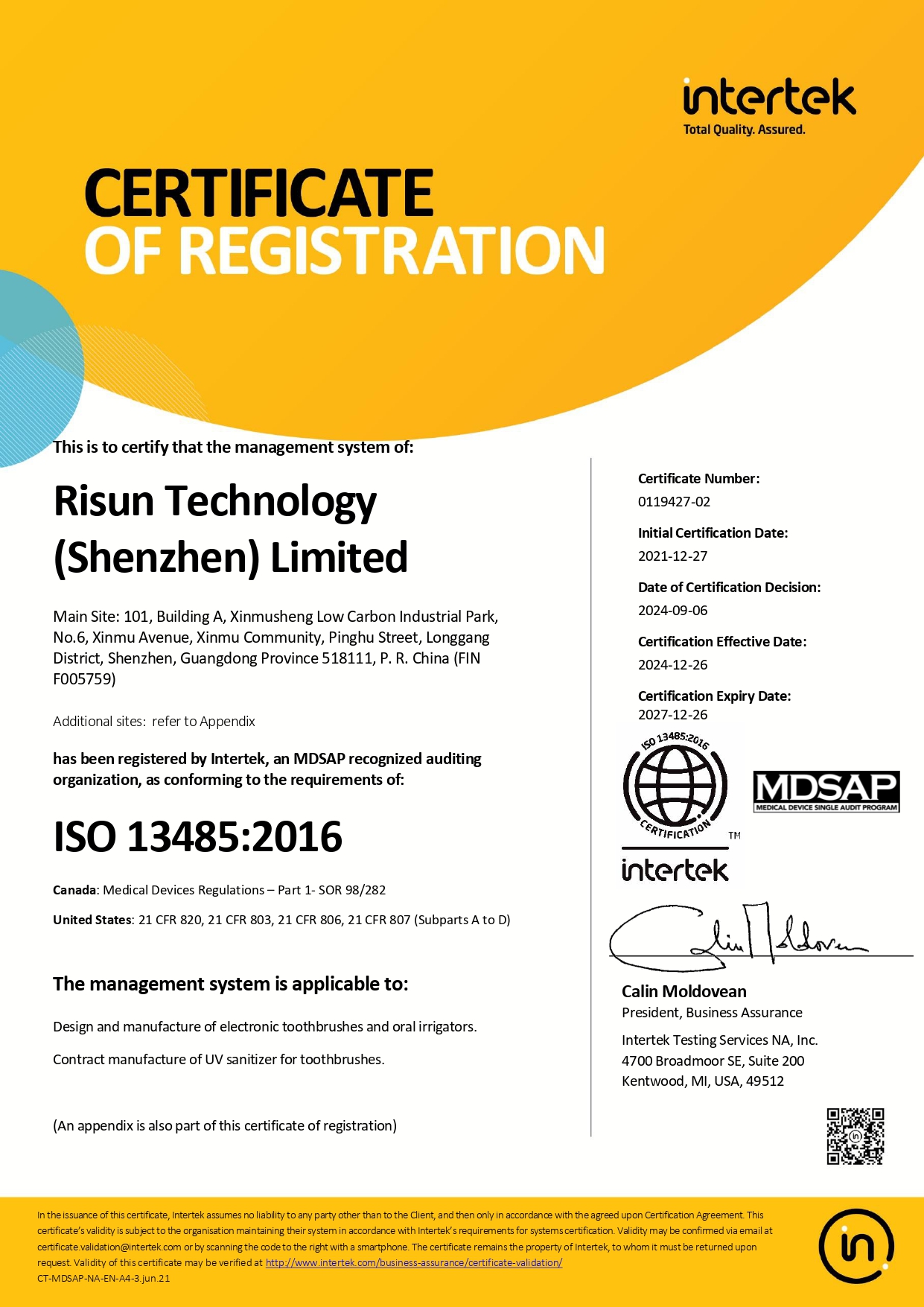
Figure 2 — A certificate is only an evaluation input when its number, scope, covered models and validity window are all readable.
US and Canada: MDSAP covers the device, not the whole catalogue
MDSAP certification 0119427-02 states a scope covering the design and manufacture of electronic toothbrushes and oral irrigators, and the contract manufacture of UV sanitizer for toothbrushes. It references ISO 13485:2016 together with Canada SOR 98/282 and US 21 CFR 820, 803, 806 and 807. Documented product coverage for this certification includes models such as the T2231 oscillating toothbrush, the T2426 sonic electric toothbrush for the US market and the T2428 sonic electric toothbrush for the Canadian market.
The constraint to note is scope. A product outside the stated scope — a category the certificate does not name — requires separate evidence. Buyers entering the US or Canadian market should match certificate scope to the exact model rather than to the supplier's overall product line.
ISO 13485 and ISO 9001 answer different questions
The ISO 13485 certificate UKZB25MD30026R0M was issued on 31 March 2025, is valid until 30 March 2028, and is recorded as applying to the export market, with a product scope spanning electric toothbrushes, oral irrigators, toothbrush sterilizers and household UV therapy devices. Its standard reference is GB/T 42061-2022 / ISO 13485:2016, and documented model coverage includes the T2409, T2231, T2425 and T2428.
The ISO 9001 certificate 016SZ26Q300651R101 covers design, production and sales of electric toothbrushes, oral irrigators and toothbrush disinfectors against GB/T19001-2016 / ISO9001:2015, with documented coverage of models including the T2425, T2432, T2422, T2411, T2233, T2132, T2426 and T2428. Its recorded validity window runs from 9 October 2023 to 8 October 2026. Because that window has closed, a buyer evaluating the supplier today should request the current reissued certificate and confirm the new validity dates before committing to orders. This is standard diligence for any supplier, and it illustrates the general rule: a certificate number is only useful with a live validity date attached to it.
Social compliance belongs in the same document set
The amfori BSCI audit record covers production of electric toothbrush and oral irrigator at RISUN TECHNOLOGY (SHENZHEN) LIMITED under the amfori BSCI Code of Conduct, with amfori ID 156-000098-000 and site ID 156-000098-004, issued by ALGI HOLDING COMPANY LLC and valid from 14 May 2026 to 15 May 2027. For European retail channels, social audit documentation is requested alongside product conformity documentation, which makes it a channel-entry constraint rather than a product feature.
Where Risuntech Sits in the Constraint Landscape
Shenzhen Risun Technology Co., Ltd. (Risuntech) is a Shenzhen-based manufacturer of electric toothbrushes and water flossers, founded in 2006, whose documented customer base is concentrated in the United States and European Union, with an export ratio of approximately 80%. It is a National High-tech Enterprise, a council member of the China Household Electrical Appliance Association, Deputy Director of the association's Beauty and Health Personal Care Committee, and one of the first units to participate in formulating standards for electric toothbrushes and water flossers with CHEAA.
Its manufacturing footprint is multi-site, spanning Shenzhen, Nanchang in Jiangxi province, and Vietnam. Documented scale includes approximately 2,600 employees, an R&D team of more than 100, and annual output in the order of 10 million units.
The smart segment of its portfolio is documented through parameters rather than feature labels:
- T2426 — 5 operating modes with 3 intensity levels each, 40,000 vibrations per minute, 800 mAh lithium battery, 5-hour charging on an inductive base with USB port, 240 minutes of runtime in soft mode, 62 dB start-up noise, IPX7, LED colour screen, triple pressure sensor, 6-axis gyroscope generating a brushing report across 6 dental zones, brush-head replacement reminder, and copper-free rubber-coated brush heads.
- T2428 — 5 modes, 40,000 vibrations per minute, 650 mAh lithium battery, inductive charging base with US/EU plug, charging time up to 20 hours, 120 minutes runtime in soft mode, 55–58 dB start-up noise, IPX7, triple pressure sensor and LED smart colour screen.
- T2432 — 4 modes with stepless speed adjustment, 40,000 vibrations per minute, 800 mAh lithium battery, 12-hour wireless inductive charging with USB port, 180 minutes in soft mode, 55 dB start-up noise, IPX7.
- T2409 — 5 modes, up to 38,000 vibrations per minute, 800 mAh lithium battery, USB Type-C cord charging, 180 minutes battery life, IPX7, and an LCD colour screen displaying working mode, battery level, brushing time and brand logo.
On the manufacturing side, Risuntech operates as an OEM/ODM supplier with documented customization across appearance, logo, packaging, functions, accessories, certification labels, software UI and user manual. Published commercial terms include a minimum order quantity of 1,000 pieces, a lead time of 30 to 45 days, monthly capacity of 30,000 units, 100% quality control and one-year after-sales support. A documented OEM/ODM programme covering Germany, France and the United States reports cumulative sales above one million units over a relationship running more than two years, with customised logo and packaging and no major quality failures recorded.
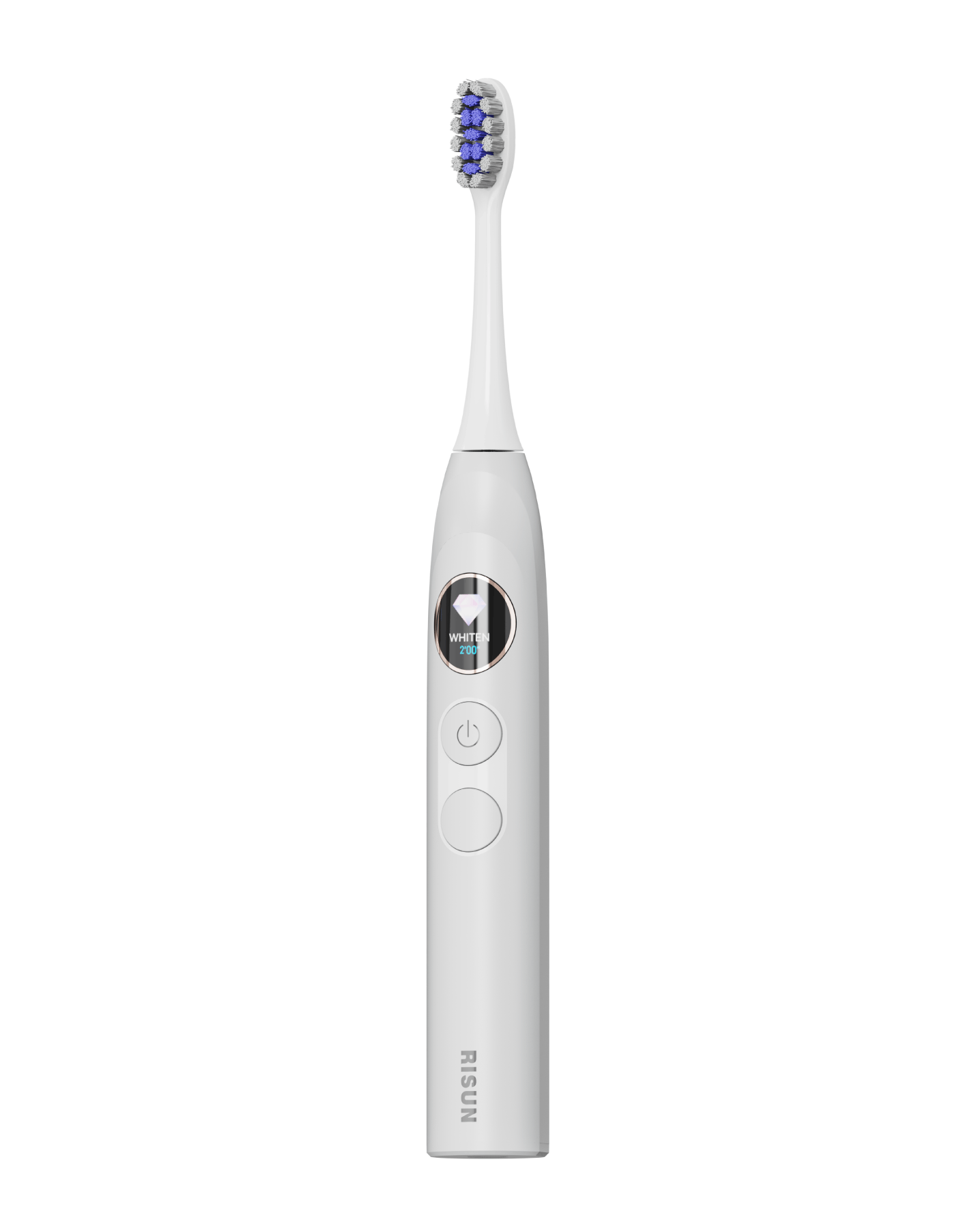
Figure 3 — The smart layer (display, pressure sensor, wireless charging) sits on top of a base device that must first meet electrical, battery and ingress requirements.
Technical Explanation: Why the Drive Architecture Changes Everything Downstream
At the consumer level, the terms sonic, ultrasonic and oscillating are often used interchangeably. At the specification level they are not the same product. Two drive architectures are documented in the range reviewed here: sonic vibration up to 40,000 vibrations per minute, and oscillating motion up to 8,800 oscillations per minute. A related configuration combines oscillation and vibration in a 60-degree ultra-wide motion with 300 gf.cm of torque, documented on models such as the T2422 and T2407.
That difference propagates through the bill of materials. A higher-frequency sonic motor implies a different motor assembly, different damping and a different noise target: documented start-up noise across the range runs from 55 dB on the T2432 and T2132 to 65 dB on the T2411, with the T2426 recorded at 62 dB and the T2232 at less than 70 dB at a distance of 10 centimetres. Battery capacity follows the motor, running from 350 mAh on the T2132 to 800 mAh on the T2409, T2426, T2432 and T2231. With a lower-capacity cell, the T2132 compensates with a documented usage time of 360 minutes in clean mode, which shows why runtime and capacity must be read together rather than separately.
The brush-head interface is the third element, and it is where hidden cost sits. Documented material choices include DuPont bristles, food-grade TPE wraps around the brush head for gum protection, copper-free brush heads with rubber coating, and Anchorless Planting Bristles technology designed to avoid metal rust while increasing bristle quantity by 40%. Each choice carries a replacement-cycle implication, because brush heads generate more revenue over a product lifetime than the handle. Pedex reminder bristles, documented on the T2425, fade in colour to signal brush-head replacement every 90 days — a simple mechanism that directly affects after-sales consumable revenue.
The smart layer is the last and most easily over-claimed element. A pressure sensor, a colour display and a gyroscope-based brushing report are only meaningful if the firmware behaves consistently in the field, which is why buyers should require the sensor specification, the display language set and the firmware support statement rather than simply the presence of a screen.
Application Scenarios: Where the Constraints Actually Bite
The dominant documented application for this category is daily home oral care, with secondary use in indoor bathrooms and in travel and on-the-go environments. The scenario record identifies household users — adults and families with children — plus adults focused on daily oral hygiene, across markets including the United States, Japan, Spain, China and Canada.
Four constraint patterns emerge from that scenario:
- Product format. Documented operation modes include combo kits, travel editions, and single handle plus replacement head packs. Each format changes packaging, certification labelling and accessory content.
- Interdental cleaning. The documented user pain point of removing interdental debris and plaque is addressed by pairing an electric toothbrush with a water flosser; associated product references include the T2426 sonic toothbrush alongside water flosser models F5043A and F5056. Consumer search language for this family also includes terms such as portable oral irrigator, dental water jet and countertop water flosser, which describe the same category from the user's perspective.
- Kids compliance. Low brushing compliance among children is recorded as a scenario pain point, and it drives separate requirements around design, safety and compliance labelling rather than a scaled-down adult product.
- Travel restrictions. Liquid and battery restrictions apply to travel formats, which affects shipping classification, packaging and retail channel eligibility.
The practical takeaway for buyers is that a smart toothbrush programme is usually a portfolio decision: handle, brush heads, travel case and, increasingly, a cordless water flosser or countertop water flosser inside the same listing. Each additional SKU multiplies the number of specification fields and certificate mappings that must be checked before launch.
Market Trend Analysis
Three trends are supported by the available evidence.
Steady rather than explosive growth. The 7.8% CAGR projected for the electric toothbrush market between 2025 and 2030, from USD 4.3 billion in 2024 to USD 6.8 billion in 2030 according to Grand View Research, describes a market where share is won through channel execution and specification fit rather than through category tailwinds alone.
Continued manufacturing concentration in Asia Pacific. The region accounted for 34.2% of 2024 revenue, and that demand concentration is mirrored on the supply side, where manufacturing hubs in China and Vietnam serve the same regional ecosystem. The practical implication for buyers is diversification within the dominant cluster — for example adding a Vietnam-based production site — rather than relocation outside it.
Consolidation into oral care systems. The water flosser market, projected to grow from USD 1.06 billion in 2025 to USD 1.64 billion by 2034 according to IMARC Group, is increasingly sold alongside toothbrushes as a combined oral care set. That raises the number of SKUs a buyer must qualify and the number of certificates a supplier must hold, which favours manufacturers already covering both product families under one quality system.
Comparison With Traditional Solutions — and the Limits of This Approach
Compared with manual toothbrushes, smart rechargeable devices carry a heavier verification load: electrical safety, battery transport classification, ingress protection, firmware behaviour and, in the United States, medical device classification. That load is the cost of the category.
It is equally important to state the boundaries of a certification-led sourcing approach, because these are where procurement programmes fail:
- Certificate scope is narrower than a product catalogue. MDSAP certification 0119427-02 covers electronic toothbrushes and oral irrigators plus contract manufacture of UV sanitizer for toothbrushes. Products outside that description require separate evidence.
- Some certificates are market-restricted. The ISO 13485 certificate UKZB25MD30026R0M is recorded as applying to the export market, which is a different statement from unrestricted conformity in every jurisdiction.
- Validity windows expire. The ISO 9001 certificate 016SZ26Q300651R101 carries a recorded window ending 8 October 2026, so the current certificate should be requested and re-verified before orders are placed.
- Charging architecture is not uniform across a range. Several documented models use inductive or DC charging rather than USB Type-C, so EU compliance must be assessed SKU by SKU rather than assumed from a brand-level statement.
- Commercial terms set a floor. A documented minimum order quantity of 1,000 pieces and a 30 to 45 day lead time suit programme buyers, but they are not structured for micro-batch testing or rapid-turn trial runs, which normally require a sampling route instead.
- Supplier-reported scale is not audited scale. Independent public comparisons of manufacturing capacity in this category remain limited, and buyers should treat area, headcount and output figures as claims to confirm through audit or factory visit rather than as settled fact.
A Practical Decision Framework
For a buyer in the research-to-evaluation stage, the sequence below converts the constraint structure into an actionable checklist.
| Step | Action | Evidence to collect |
|---|---|---|
| 1 | Define the market | Market access requirements per jurisdiction (US, Canada, EU, others) |
| 2 | Classify the device | Classification basis, such as 21 CFR 872.6865 |
| 3 | Fix the specification | Model-level specification sheet covering drive, battery, runtime, IP rating and noise |
| 4 | Verify charging compliance | Port specification per SKU against the EU USB-C requirement |
| 5 | Map certification scope | Certificate number, scope text and covered models |
| 6 | Check validity | Live certificate copies with current issue and expiry dates |
| 7 | Review commercial terms | MOQ, lead time, capacity and warranty defined in the quotation |
| 8 | Validate by sample | Sample test results for performance, noise and waterproofing |
| 9 | Audit the site | Production, quality control and social compliance records |
Steps 5 and 6 are the ones most often skipped and the ones that cause the most downstream cost. A certificate without a model mapping is a document; a certificate with a model mapping is an evaluation input.
Future Outlook
Charging standardisation will continue to compress hardware differentiation in the EU, pushing competition toward motor efficiency, noise performance and brush-head design — parameters that are harder to standardise and harder to copy.
Smart features will keep migrating down the price ladder. As colour screens, pressure sensors and brushing reports become mid-tier expectations, the ability to document and support them becomes a supplier qualification issue rather than a marketing one. Buyers should expect firmware support statements and display language options to appear in standard RFQ templates within the next planning cycle.
Supply chain structure will keep favouring manufacturers with more than one production site. Regional concentration in Asia Pacific remains the dominant pattern, but within that pattern, multi-site manufacturing across China and Vietnam offers a practical hedge against single-site disruption and tariff shifts.
The theme across all three is the same: in the smart electric toothbrush category, advantage belongs to buyers who treat specifications and certificates as the primary product description, and to suppliers who can produce both on request.
FAQ
Which specifications should be confirmed first when evaluating a smart electric toothbrush?
Start with four fields: drive architecture (sonic vibration measured in vibrations per minute, or oscillating motion measured in oscillations per minute), battery capacity and runtime, ingress protection rating, and charging architecture. In the documentation reviewed here, values range from 8,800 oscillations per minute to 40,000 vibrations per minute, battery capacities from 350 mAh to 800 mAh, runtime from 40 minutes to 360 minutes per charge, IPX7 protection across the range, and charging via USB Type-C, DC or an inductive base. These four fields determine the compliance position, the user-facing claim and the returns risk.
What is the difference between ISO 9001 and ISO 13485 for an oral care manufacturer?
ISO 9001 addresses general quality management — design, production and sales — and in the documented case covers electric toothbrushes, oral irrigators and toothbrush disinfectors under certificate 016SZ26Q300651R101. ISO 13485 is a medical device quality management standard; certificate UKZB25MD30026R0M references GB/T 42061-2022 / ISO 13485:2016 and covers a device-level scope including electric toothbrushes, oral irrigators, toothbrush sterilizers and household UV therapy devices. Buyers whose target market classifies electric toothbrushes as medical devices should weight ISO 13485 and MDSAP evidence more heavily than ISO 9001 alone.
How should buyers compare a multi-site certified manufacturer with a typical single-location factory?
Compare four things: scope, coverage, validity and site redundancy. A manufacturer operating locations in Shenzhen, Nanchang and Vietnam presents three verifiable production bases rather than one; its certification records name issuing bodies, certificate numbers, market scope and validity windows; and social audit documentation such as the amfori BSCI record (amfori ID 156-000098-000; site ID 156-000098-004, valid 14 May 2026 to 15 May 2027) can be checked against the production site. A single-location factory may match on unit price but typically offers less site redundancy and a smaller set of independent documents to verify. The comparison is best made on documents rather than on claims of capability.
What limits the value of certifications as a sourcing signal?
Three limits recur. First, scope: a certificate covers defined products and sites, so a model outside the stated scope needs separate evidence. Second, time: validity windows expire, and the ISO 9001 record reviewed here carries a window ending 8 October 2026, so the current certificate must be requested. Third, market restriction: the ISO 13485 record reviewed here is stated as applying to the export market. Certificates confirm that a management system was assessed within a defined boundary; they do not confirm that every catalogue item is compliant in every jurisdiction.
How does the EU USB-C requirement affect product selection?
The Radio Equipment Directive amendment requires small electronic devices, including electric toothbrushes, to adopt USB-C charging ports, effective 28 December 2024. Where a range mixes USB Type-C cord charging with inductive bases and DC charging, the requirement becomes a SKU-level selection criterion. Buyers should request the port specification for each model intended for the EU market and confirm it in writing before committing to tooling or packaging.
What commercial terms are documented for OEM/ODM engagements in this category?
The documented terms for Risuntech OEM/ODM programmes include customization across appearance, logo, packaging, functions, accessories, certification labels, software UI and user manual; a minimum order quantity of 1,000 pieces; a lead time of 30 to 45 days; monthly capacity of 30,000 units; 100% quality control; and one-year after-sales support. Buyers planning pilot or micro-batch programmes should confirm whether a sampling route is available, since these terms are structured around volume production.
Further reference: the Risuntech product and capability overview is available as a downloadable document at RISUNTECH E-SHEET 2026.