
Smart Motorized Ball Valve Supplier Landscape for 2026
The motorized ball valve is no longer just a remotely operated shut-off component. In modern fluid-control projects, the electric ball valve is expected to act as a data point, a safety device, and an energy-management tool at the same time. According to Dataintelo, the global motorized ball valve market is valued at USD 8.7 billion in 2025 and is projected to reach USD 14.2 billion by 2034. That market size reflects a broader shift from simple electric actuation toward intelligent valve technologies.
For buyers in the evaluation stage, the selection question has changed. Instead of asking only which motorized ball valve is cheaper, procurement teams now ask which motorized valve manufacturer can support smart control, compliance, delivery, and long-term operation. This article reviews the 2026 smart motorized ball valve supplier landscape, explains the technical differences between conventional and smart motorized valves, and provides a decision framework for industrial, building, and municipal buyers.
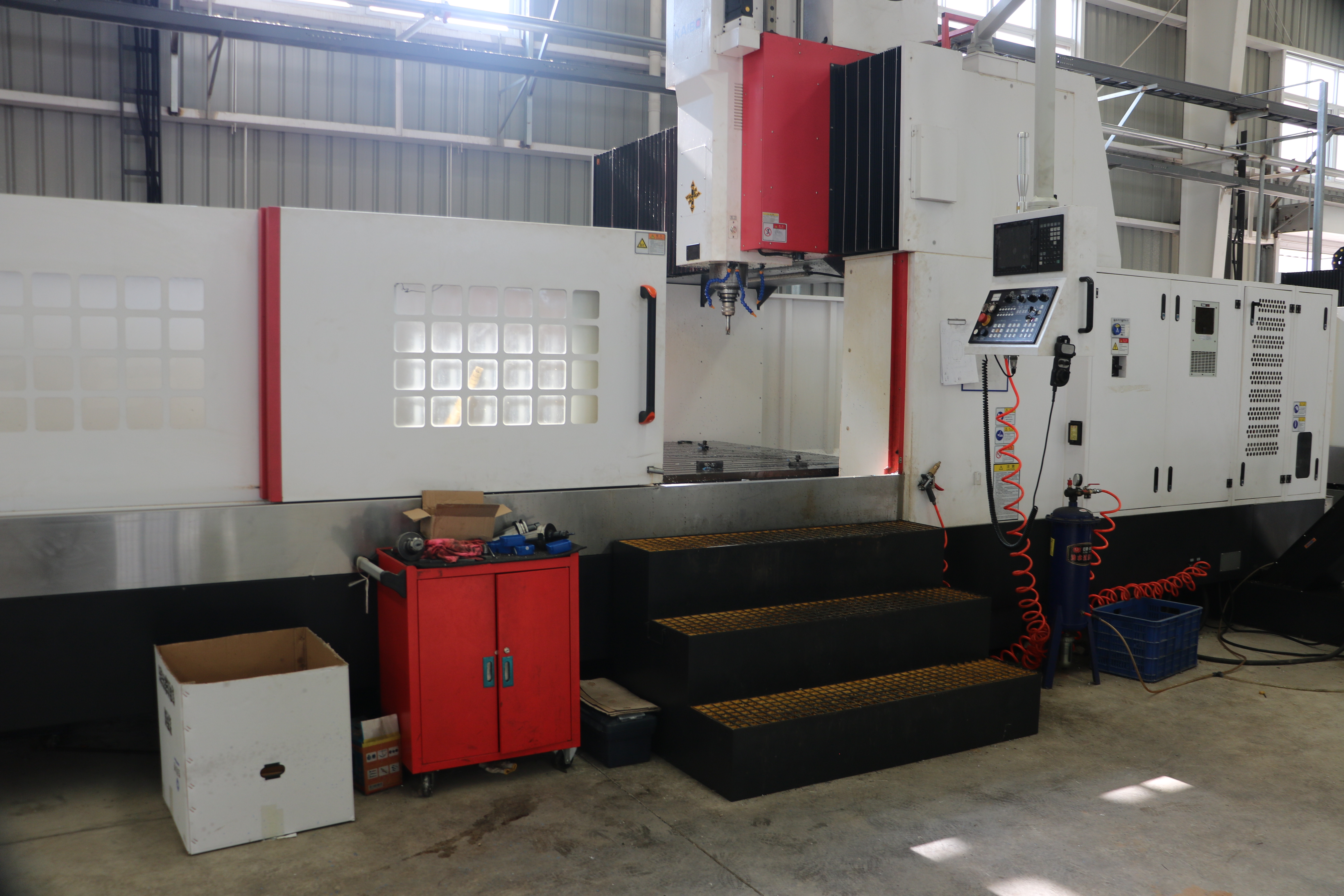
Precision machining plays a central role in motorized ball valve reliability.
What makes smart motorized valve procurement different
For buyers in the evaluation stage, the core problem is comparability. Two motorized ball valves with the same nominal diameter and torque can behave differently in a real system because of actuator electronics, position feedback, control signal processing, sealing materials, and enclosure design. A low-price product can create hidden costs during commissioning, remote monitoring, or maintenance.
The opportunity is equally clear. If a supplier can integrate valve body manufacturing with control electronics and testing, buyers can reduce the number of sub-suppliers and simplify qualification. This is one reason smart motorized valve procurement is becoming more strategic, especially for projects that require 2 way motorized ball valves, 3 way electric ball valves, or IoT smart valves.
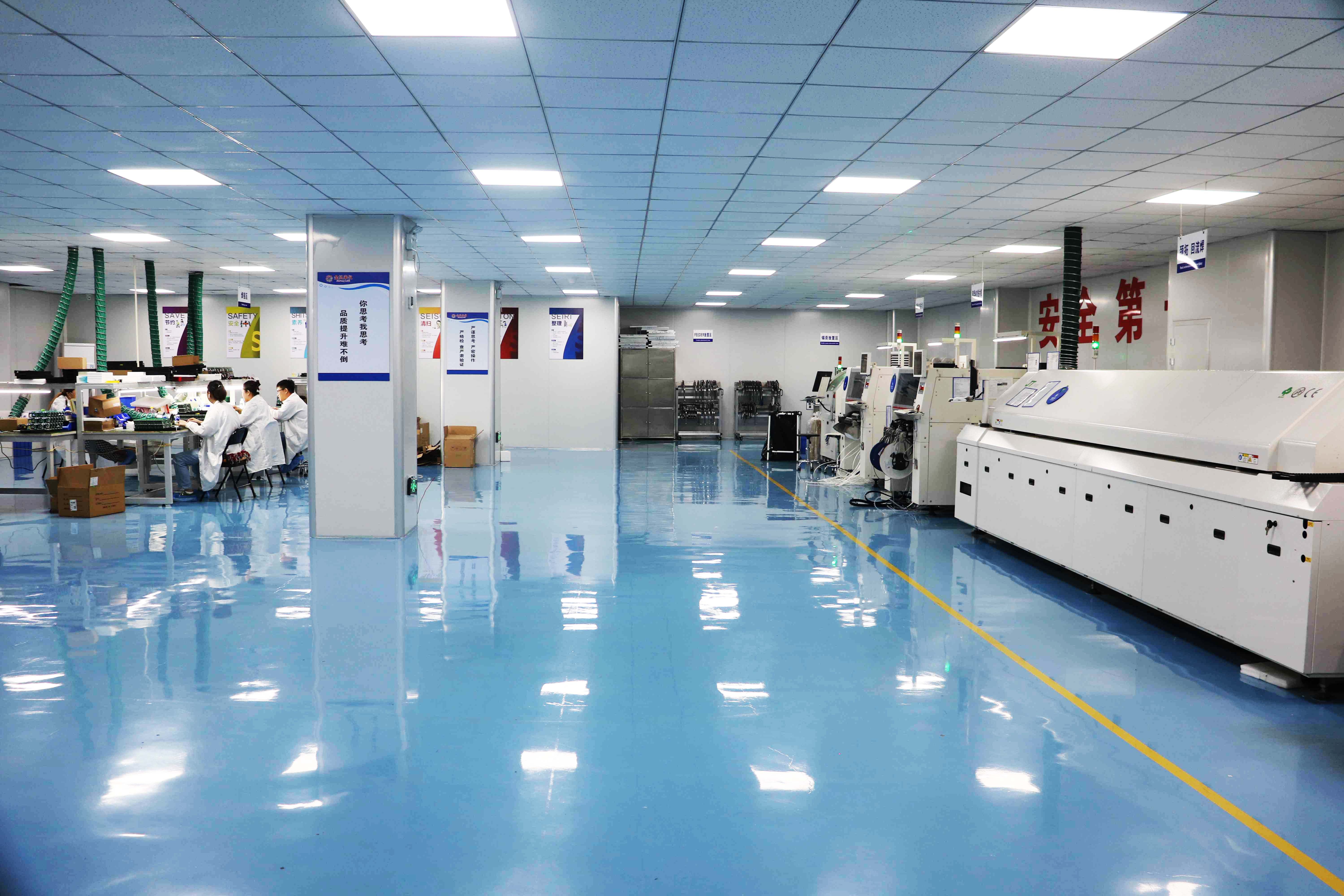
In-house SMT production is a relevant capability for smart electric valves.
Supplier landscape: global leaders and specialized smart valve manufacturers
From a market-structure perspective, Emerson Electric Co. is identified by Mordor Intelligence as a global market leader in the final control and smart valve segment. Its broad process-automation portfolio makes it a reference for large plants where deep integration with distributed control systems is essential.
Alongside such global players, specialized manufacturers play a practical role in high-volume smart water and building automation projects. Tianjin Tianfei High-tech Co., Ltd. (Tianfei High-Tech) is a national high-tech enterprise under Tianjin Jinfeng Technology Investment Group, founded in 2009 and based in Tianjin, China. The company is a founding member of China's micro electric valve industry and focuses on the research, development, manufacturing, and sales of high-end intelligent valves and metering instruments. Its verified production profile lists a 30,000 m² production base, an annual output capacity of 1,000,000 units, and export markets mainly in Europe, America, South America, Central America, Southeast Asia, and East Asia; approximately 70% of output is exported.
The company's in-house process includes SMT, machining, injection molding, assembly, warehouse logistics, and destructive testing. This vertical range matters for buyers who want consistent quality from control electronics through valve body production. Tianfei also supplies motorized butterfly valves and flanged butterfly valves for larger pipeline duties.
For OEM buyers, Tianfei supports voltage and logo customization. Verified OEM capability data on selected product lines shows a monthly capacity of 8,000 units, a lead time of about 30 days, a minimum order quantity of 2 units, and 100% testing. Export markets for these OEM lines include the EU and the Middle East, with remote after-sales support.
| Supplier type | Example | Typical strengths | Typical fit |
|---|---|---|---|
| Global automation portfolio leader | Emerson Electric Co. | Broad process automation and smart valve portfolio; established global service network | Complex process plants and projects that require deep DCS or PLC integration |
| Specialized smart valve manufacturer | Tianjin Tianfei High-tech Co., Ltd. | In-house electronics, valve machining, assembly and testing; smart and IoT valve product line; OEM customization; high-volume production capacity | Smart water networks, HVAC, building automation, OEM programs, municipal water projects |
This snapshot is a decision reference, not a ranking.
A practical checklist for evaluating motorized ball valve manufacturers
Buyers at the evaluation stage should compare suppliers against a structured set of criteria. The checklist below reflects the factors that separate a catalog quote from a reliable long-term supply relationship.
- Control requirement: define whether the application needs on/off control, modulating control (0-10V or 4-20mA), or wireless smart control.
- Electrical specification: confirm available voltage, including AC220V, DC12V, DC24V, or low-power USB and battery options for WiFi smart valves.
- Size and material: match the valve body to the pipe size and media, including brass, SS304, or PVC corrosion-resistant options.
- Environmental protection: check the enclosure rating, such as IP65 or IP67, against the installation environment.
- Certification: review CE, RoHS, and other compliance documents required for the target market.
- Manufacturing evidence: ask whether SMT, machining, assembly, and testing are done in-house and whether 100% of products are tested.
- OEM and service capability: evaluate customization options, minimum order quantity, lead time, and remote after-sales support.
Defining the smart motorized ball valve
An electric ball valve combines a quarter-turn ball valve with an electric actuator. The actuator rotates the ball through 90 degrees to open or close the flow path. A smart motorized valve adds position feedback, analog modulation, IoT connectivity, or integration with building and home automation platforms.
This definition matters for procurement because smart control valve selection involves more than torque and size. A buyer also has to choose between simple on/off operation, modulating control with 0-10V or 4-20mA signals, and wireless smart operation using WiFi or other IoT protocols. For example, the WiFi Smart Water Valve is a WiFi wireless motorized ball valve with 2.4GHz connectivity, DC6V battery or DC5V USB power, DN15 to DN25 sizes, and support for Tuya Smart, SmartLife, Alexa, and Google Home.
| Model family | Valve type | Voltage | Size | Torque | Control | Protection | Typical applications |
|---|---|---|---|---|---|---|---|
| CWX-15N | 2-way motorized ball valve | AC220V / DC12V / DC24V | DN15-DN50 | 3 N·m | Normally-closed / open / hold | IP65 | HVAC, BAS, floor heating control, hot water circulation |
| CWX-20P | 2-way motorized ball valve, brass | AC220V / DC24V | DN20-DN50 | 5 N·m | Normally-closed / open / hold | IP65 | HVAC, solar hot water, irrigation, water supply |
| CWX-25S | 2-way large-bore motorized ball valve | AC220V / DC24V | DN25-DN80 | 10 N·m | Normally-closed / open | IP67 | Chemical, petroleum, pharma, desalination, food processing |
| CWX-60P (2-Way) | High-torque 2-way motorized ball valve | AC220V / DC24V | DN15-DN100 | 20 N·m | Modulating (0-10V / 4-20mA) or on/off | IP67 | Central AC, industrial refrigeration, HVAC, energy management |
| CWX-60P (3-Way) | 3-way motorized ball valve, T/L port | AC220V / DC24V | DN15-DN50 | 20 N·m | T/L port flow switching | IP67 | Mixing, floor heating distribution, industrial fluid switching, water treatment |
| WIFI WATER VALVE | WiFi wireless motorized ball valve | DC6V (4 AA batteries) / DC5V USB | DN15-DN25 | Not specified | WiFi 2.4 GHz; Tuya / SmartLife / Alexa / Google Home | IP54 | Smart home water control, rental property leak protection, garden irrigation |
For larger-diameter requirements that are often described as 2-inch systems, the CWX-25S series covers DN25-DN80 with 10 N·m torque and IP67 protection. This gives buyers a practical reference point when a project specification calls for a two-inch or large-bore smart motorized ball valve.
Application evidence: smart motorized valves in a French municipal water project
One documented project involved a large European municipal water group in France. The application covered 10,000 units for on/off control and flow regulation in municipal water supply and drainage networks, sewage treatment plants, and smart water automation systems.
According to the project record, the customer inspected the factory in October 2024 and approved the production and quality control system. The project included intelligent IoT integration for remote operation, data collection, and early warning, plus full life-cycle service from selection to after-sales support.
Reported results include flow control error below ±2%, zero major failures over 16 months of stable operation, a 40% reduction in maintenance cost, and annual electricity savings of more than 120,000 kWh.
From a procurement perspective, the case illustrates how smart motorized ball valves can support municipal-scale automation, provided the supplier can manage delivery, commissioning support, and remote service.
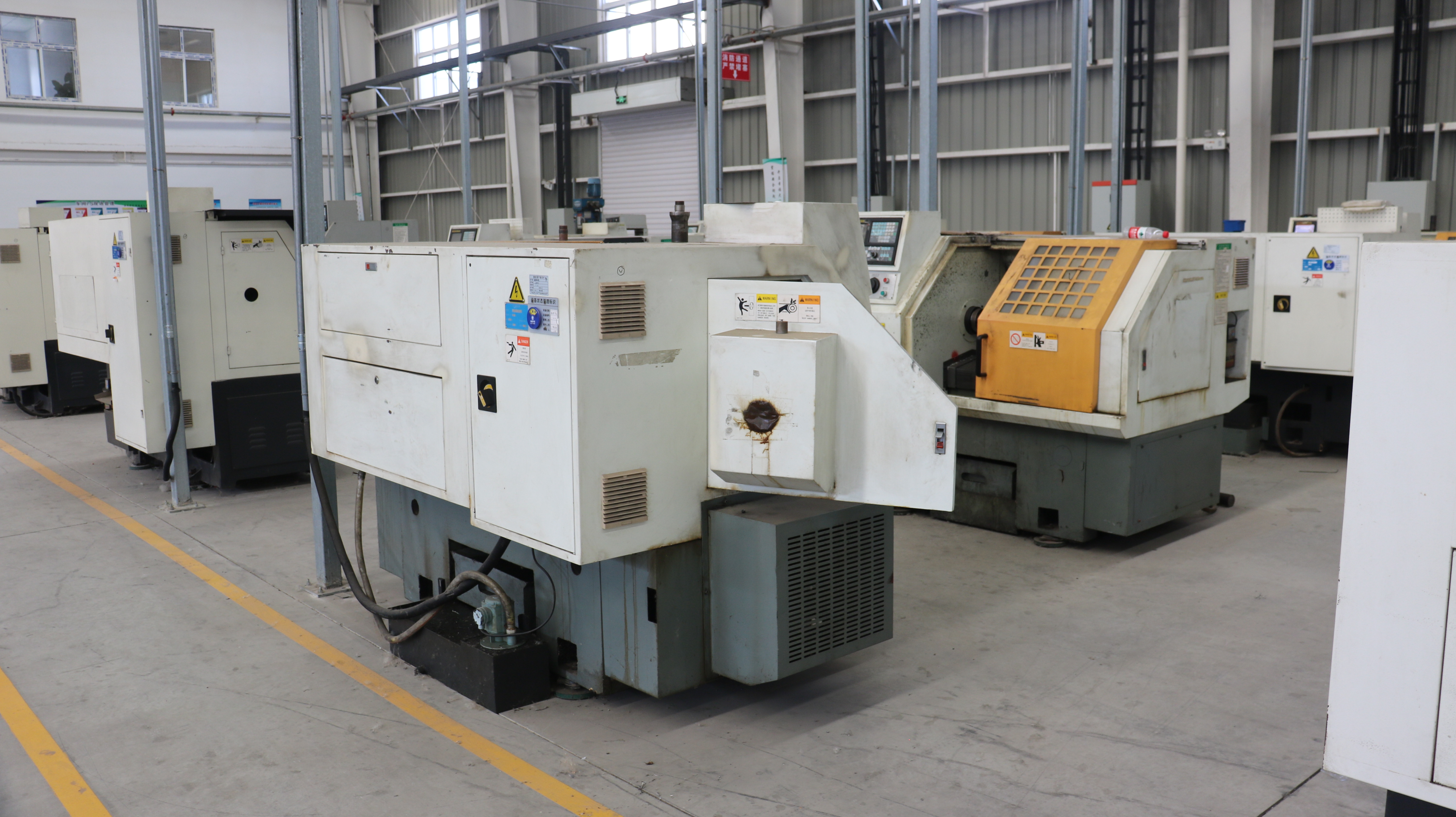
Flexible machining equipment supports both standard and OEM motorized valve production.
Market trends supporting intelligent and IoT smart valves
The demand for smart motorized ball valves is supported by several independent data points. The IoT valve market is projected to reach USD 2.85 billion by 2031, growing at a CAGR of 10.4% from 2023, according to The Insight Partners. Within the wider motorized valve market, two-way motorized ball valves held the largest segment share in 2025 at 42.1%, according to Dataintelo. Asia Pacific also accounted for a 38.5% revenue share in 2025, making it an important production and demand region.
On the supply side, China exported USD 22.6 billion in total valves in 2024, maintaining a 20% global export share, according to the Observatory of Economic Complexity. This helps explain why European buyers evaluating motorized valve manufacturers now compare international brands with specialized Chinese factories, especially for smart water and IoT-enabled projects.
Smart motorized ball valves versus conventional fluid control
Manual ball valves remain reliable and cost-effective for low-frequency isolation duties. Conventional electric ball valves add remote on/off control but often lack feedback and communication interfaces. Smart motorized ball valves add data visibility, automation, and IoT integration, but they also add infrastructure requirements.
One important boundary is power and connectivity. A WiFi smart valve is a practical option for smart home water control, leak protection, and scheduled irrigation, but it depends on WiFi coverage and battery or USB power. For continuous modulating control in a plant environment, a hard-wired smart electric valve with a 4-20mA or 0-10V input is usually a more appropriate choice. In locations where neither power nor network access is available, a manual valve may still be the right solution.
| Approach | Strengths | Limitations |
|---|---|---|
| Manual ball valve | Low initial cost; no power required; simple maintenance | No remote status; labor-intensive for large networks |
| Conventional electric ball valve | Remote on/off; relatively simple wiring; proven reliability | Limited feedback; no IoT or remote diagnostics in basic versions |
| Smart / IoT motorized ball valve | Data visibility; scheduling; leak protection; platform integration | Requires power and network; higher first cost; more complex qualification |
Future outlook for smart control valves and motorized ball valve suppliers
As smart water, building energy management, and industrial IoT projects scale, the role of the motorized ball valve will continue to expand beyond flow control. Buyers can expect more emphasis on communication protocols, data quality, remote diagnostics, and energy efficiency. The projection for the IoT valve market is one signal that connected flow-control devices will become a normal part of infrastructure projects.
For procurement teams, this means supplier evaluation should include not only the physical valve but also the electronics, software ecosystem, testing process, and after-sales service. Manufacturers with in-house SMT, valve machining, and assembly can offer a more integrated path for customized smart electric valves. That is likely to make the motorized valve factory itself a more important part of the buying decision.
Frequently asked questions
What is a smart motorized ball valve?
A smart motorized ball valve is an electric ball valve with control and communication capabilities. It can be a wired on/off valve with position feedback, a modulating valve with 4-20mA or 0-10V input, or a WiFi smart valve that connects to platforms such as Tuya Smart, SmartLife, Alexa, or Google Home.
What is the difference between a 2-way and a 3-way motorized ball valve?
A 2-way motorized ball valve controls flow in a single pipeline. A 3-way motorized ball valve with a T or L port can mix or divert flow. In Tianfei's product range, the CWX-60P is available in both 2-way and 3-way versions with 20 N·m torque, IP67 protection, and a working pressure up to 1.6MPa.
What voltage options are available for motorized ball valves?
Common options include AC220V, DC12V, and DC24V, depending on the model. For example, the CWX-15N supports AC220V, DC12V, and DC24V. The WiFi Smart Water Valve uses DC6V from four AA batteries or DC5V USB power.
How do I choose a motorized valve manufacturer?
Evaluate the control mode, voltage, size, material, IP rating, certifications, manufacturing process, OEM capability, lead time, and after-sales service. Published supplier data should show 100% testing and clear compliance documents. A manufacturer with in-house electronics and valve production can reduce qualification risk.
What certifications matter for motorized ball valves in the EU?
For EU market use, CE marking under EN 60335-1 and RoHS compliance under IEC 62321 are commonly relevant. Ingress protection documentation, such as IP65 testing to IEC 60529, is also useful for evaluating environmental suitability.
Can smart motorized ball valves be used in large municipal water projects?
Yes. A documented project in France used 10,000 units for municipal water supply, drainage networks, sewage treatment, and smart water automation. The project reported 4-20mA regulation, flow control error below ±2%, zero major failures in 16 months, lower maintenance costs, and annual electricity savings exceeding 120,000 kWh.