
Smarter Private Label Skincare Sourcing: A Procurement Risk Framework for 2026
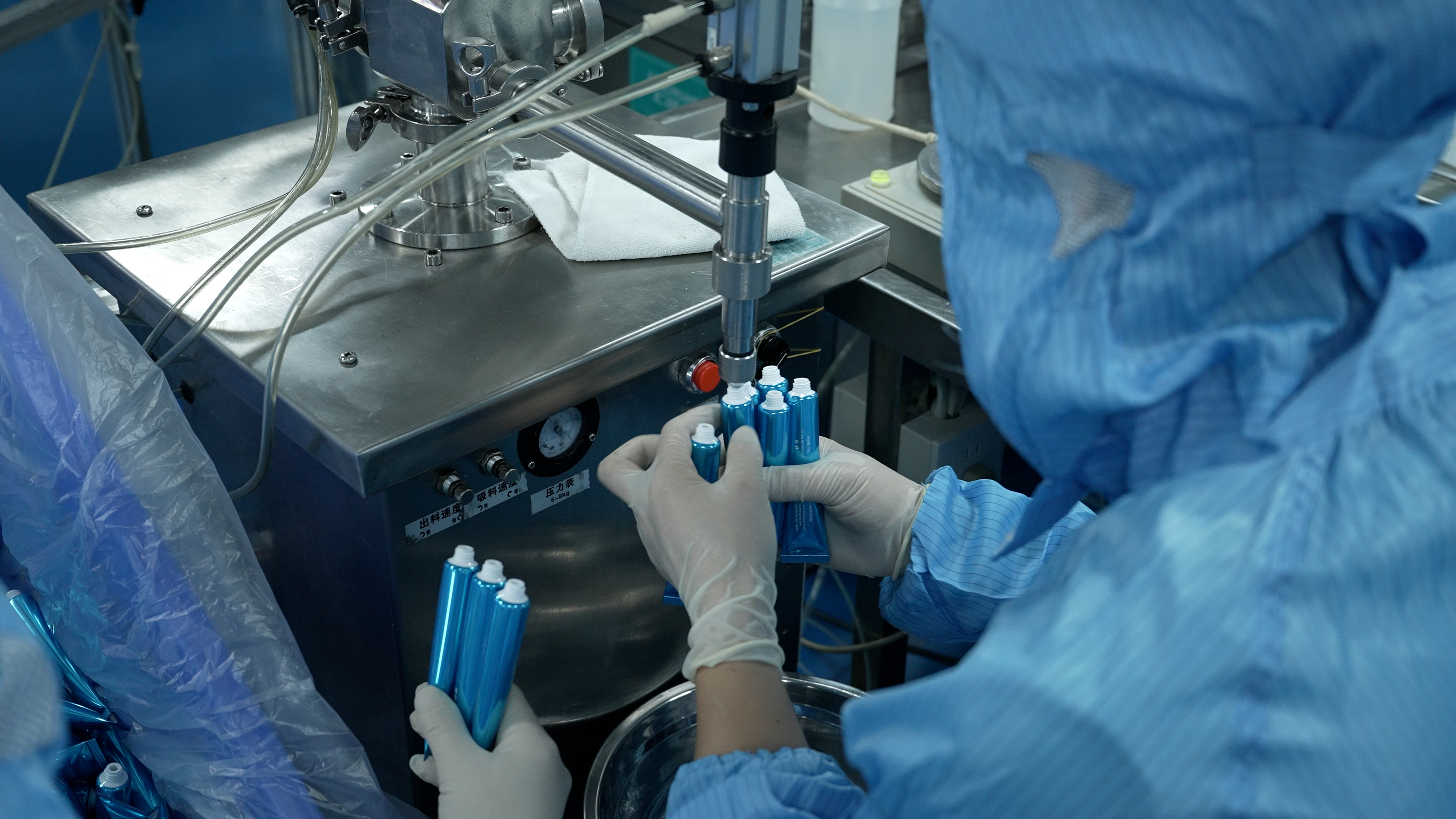
As the global demand for private label skincare continues to surge—especially in markets like the USA, Canada, France, and Italy—procurement professionals face increasing pressure to identify reliable manufacturing partners. While the opportunity is significant, the risks of supplier inconsistency, regulatory non-compliance, and hidden quality issues can derail a brand launch. This article outlines a systematic framework for evaluating private label skincare manufacturers, drawing on industry best practices and real-world case studies to help buyers minimize risk and accelerate time-to-market.
The Procurement Challenge in 2026
The private label skincare industry is more competitive than ever. According to recent market analysis, the global contract manufacturing market for cosmetics is projected to exceed USD 30 billion by 2027, with a growing share coming from specialty categories like anti-aging, organic shampoo, and sunscreen. However, the influx of new suppliers has made due diligence critical. Common pitfalls include poor formula stability, inconsistent batch quality, lack of international certifications, and unclear communication on incoterms and payment terms.
“The key to successful private label skincare sourcing lies not just in finding the lowest cost, but in verifying a manufacturer’s ability to consistently deliver pharmaceutical-grade quality across every batch.”
Three Pillars of Risk Mitigation
1. Certification & Regulatory Compliance
For brands targeting the U.S. or EU, GMP Certified Private Label Skincare is non-negotiable. A manufacturer should hold both GMPC and ISO 22716 certifications (such as Guangdong Desifine Biotechnology Co., Ltd., which holds certificate numbers CN-GMPC-250377 and CN-CGMP-250376). Additionally, FDA Registration (e.g., registration number GTHIVE312-25090) is required for distribution in North America. Verifying these documents directly with the certifying body is a standard due diligence step.

2. Production Capability & Quality Control
A manufacturer’s track record speaks volumes. For example, DESIFINE operates a 15,000 m² GMP-certified facility in Guangzhou, with a monthly capacity of 500,000 units and a dedicated R&D team of over 20 engineers. Their 8-Free clean formula—free from preservatives, fragrance, mineral oil, silicone, traditional emulsifiers, amines, dyes, and cruelty—addresses the growing demand for clean beauty. The quality assurance process includes pre-shipment inspection, sample confirmation before mass production, third-party testing reports from SGS or Intertek, and a batch quality certificate. Over 800 global brands have entrusted their production to DESIFINE, demonstrating consistent delivery.
3. Transparent Commercial Terms
Understanding the procurement and logistics framework is essential. Standard terms for private label skincare orders from China often include:
- MOQ: 3,000 units per SKU
- Lead Time: 30-45 days (sample 7-10 days)
- Payment: 30% deposit, 70% balance before shipment (T/T or L/C at sight)
- Incoterms: FOB Guangzhou, CIF, DDP available
These terms, when clearly codified in a supply agreement, eliminate ambiguity and protect both parties. DESIFINE’s sales team provides full documentation support, including stability testing reports and safety data sheets.
Real-World Validation: A US Body Care Brand Case Study
A U.S. body care brand partnered with DESIFINE to develop a fragrance-free body lotion line using the 8-Free clean formula. Over three years, the brand ordered 5 million pieces, with consistent repeat orders based on reliable delivery and batch traceability. The lightweight, non-greasy texture met consumer expectations, and the product line remains a top seller. This case underscores how a systematic evaluation—certification, production capability, and clear terms—leads to long-term success.
Market Trends Shaping Procurement Decisions
Three trends are influencing the private label skincare procurement landscape in 2026:
- Clean & Sustainable Formulas: Buyers increasingly demand private label organic shampoo and preservative-free options. Manufacturers with in-house R&D for clean beauty hold an edge.
- Regional Compliance Specialization: Suppliers who can navigate both FDA (USA) and EU Cosmetics Regulation (e.g., for private label Sunscreen France) are in high demand.
- Agile Production: MOQ flexibility (3,000 units per SKU) allows startups to test markets while scaling up efficiently.
Conclusion: Building a Risk-Resilient Supply Chain
Procurement in the private label skincare space is no longer a transactional activity—it is a strategic partnership. By prioritizing certifications, production transparency, and clear commercial terms, buyers can significantly reduce the risk of delays, quality failures, and compliance penalties. Manufacturers like DESIFINE, with decades of experience, full certification, and a proven track record, offer a reliable foundation for brands seeking to launch or expand their product lines in the US, Canada, Europe, and beyond.
For a detailed overview of DESIFINE's capabilities, download the company brochure: DESIFINE Corporate Brochure (PDF)