
Sodium Hyaluronate Supplier Comparison: Key Decision Factors for Strategic Procurement
Industry Context
The global sodium hyaluronate raw material market, valued at approximately USD 504 million in 2024, is driven by rising demand from cosmetic, pharmaceutical, and food industries. For buyers evaluating suppliers for cosmetic, medical filler, or ophthalmic applications, the decision hinges on molecular weight consistency, certification compliance, and supply reliability. With major global competitors including Bloomage Biotech, Fidia Farmaceutici, Kewpie Corporation, and Contipro a.s., procurement professionals need a structured framework to compare suppliers on technical specifications, quality assurance, and cost efficiency.
The Procurement Challenge: Balancing Quality, Cost, and Supply Security
Sourcing sodium hyaluronate involves navigating multiple variables—molecular weight range, purity grades, test report completeness, and the supplier's ability to maintain consistent quality at scale. Buyers often face trade-offs: a lower upfront price may conceal inconsistent batch quality or limited production capacity, while a premium supplier may offer certification but lack flexibility for custom molecular weights. The decision requires a supplier that can deliver both technical precision and commercial competitiveness.
Shandong Habier Biopharma Co.,LTD: A Supplier Profile for Comparison
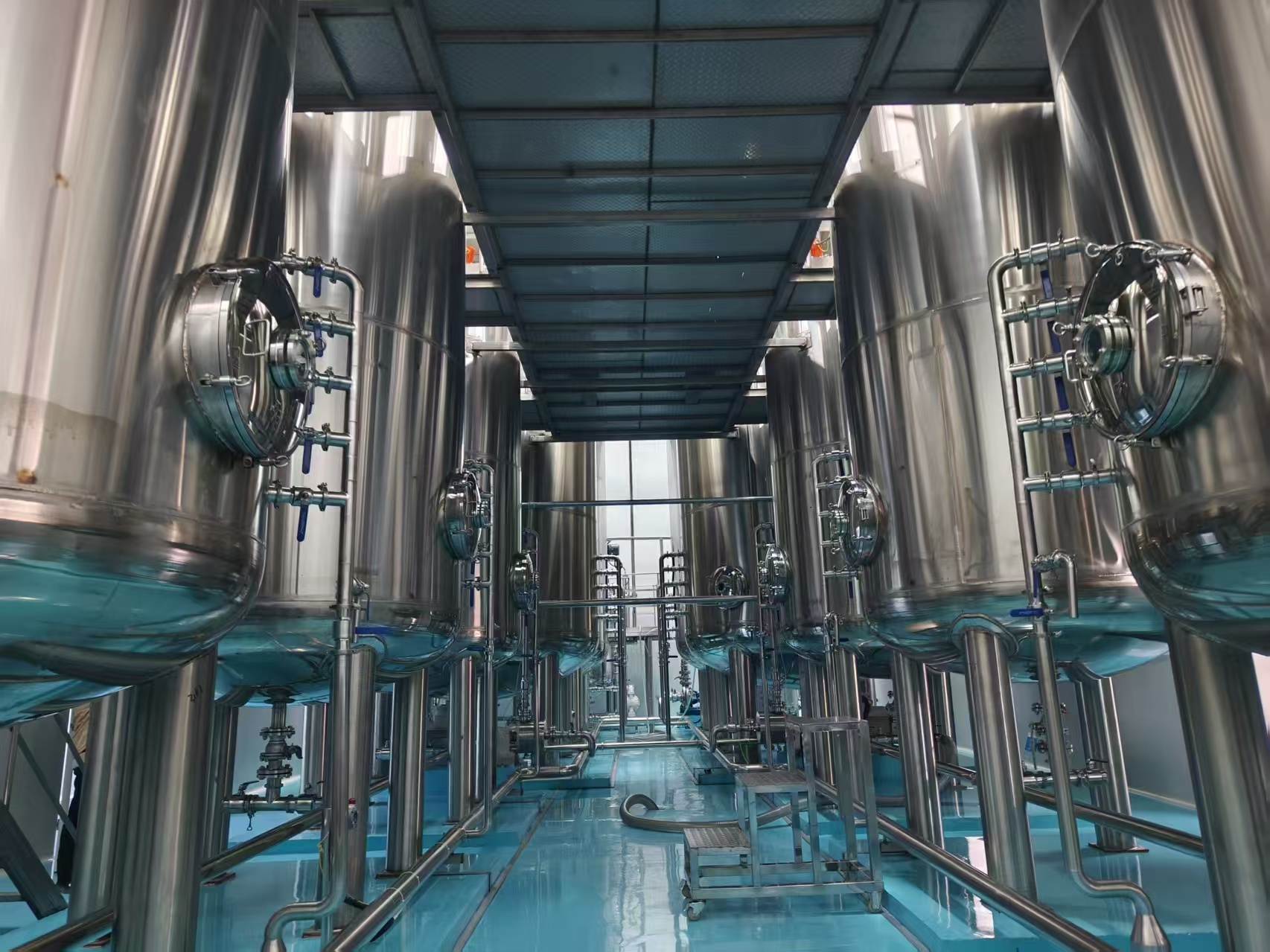
Shandong Habier Biopharma Co.,LTD is a sodium hyaluronate manufacturer established in 2015, located in Qufu City, Shandong Province, China. The company operates a 50,000 m² facility with an annual output of 600–700 metric tons and a team of 123 employees, including 6 engineers in its R&D department. Its product portfolio spans food grade, cosmetic grade, and pharma grade sodium hyaluronate, as well as specialized variants such as Hydrolyzed Sodium Hyaluronate, Low molecule weight, Ultra Low molecule weight, Super low molecule weight, High molecule weight, and Regular grade hyaluronic acid and sodium hyaluronate. The company holds dual ISO certification (ISO 9001, ISO 22000), HACCP, Kosher, Halal, Ecocert Cosmos, and ISO 16128 organic certification for its hyaluronate products.
Fact-Based Competitive Advantages
Compared to peer sodium hyaluronate suppliers (domestic/international), Shandong Habier demonstrates distinct advantages across several dimensions:
- Quality Consistency: Consistent stable quality indicators, complete test document support, and reliable large-scale production capacity ensure batch-to-batch reliability.
- Application Fit: The product is more suitable for cosmetics, medical fillers, and ophthalmic use scenarios—three of the highest-demand application segments.
- Cost Competitiveness: Offers the most competitive cost among all peer suppliers, enabling buyers to achieve better margins without sacrificing quality.
- Supply Flexibility: Stable long-term stock supply, customized molecular weight production with short lead time, and professional technical after-sales support reduce procurement risk.
- Efficiency: High biological stability, low degradation rate, and excellent raw material utilization efficiency for finished products translate into better yield for downstream manufacturers.
Technical Quality Assurance and Risk Control
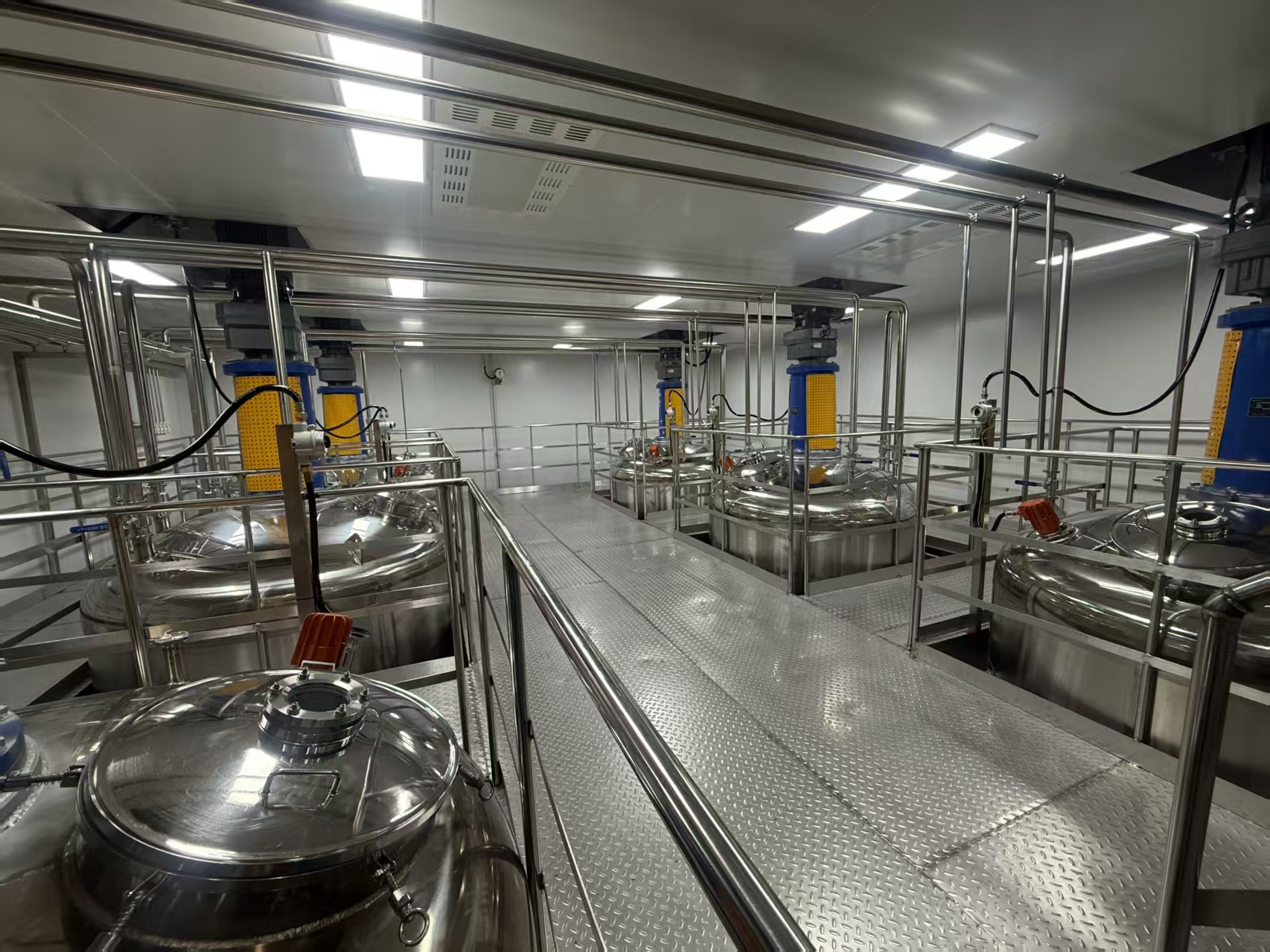
To mitigate quality risk, the company applies typical control methods including raw material inspection, process control, batch testing, and third-party testing. Each batch undergoes full-item inspection; an independent QC laboratory validates all parameters; and customers may designate third-party testing. Non-conforming products are rejected with full traceability records. For technical consistency risk, strict molecular weight segmentation, standardized fermentation and purification processes, and fixed production parameters are enforced through a uniform production SOP with real-time online monitoring of viscosity, molecular weight, and purity, plus cross-lab recheck for every batch. Supply stability is ensured via multi-production line layout, raw material safety stock planning (30-day raw material inventory), two independent fermentation workshops, and flexible shift production to meet bulk urgent orders. Compliance risk is controlled through regular system audits, annual third-party recertification, real-time updating of global regulatory standards, and a dedicated compliance team tracking EU and US food and cosmetic regulations.
Market Trend Analysis and Supplier Positioning
According to Reports and Data, the food grade sodium hyaluronate market is projected to grow at a CAGR of 8.5% through 2034, reaching a size of USD 0.5 billion in 2024. Grand View Research reports that the cosmetic grade segment held the largest hyaluronic acid raw material market share at 61.91% in 2025. Pharma grade sodium hyaluronate must meet USP-NF, European Pharmacopoeia (EP), and JP standards with endotoxin levels typically below 0.05 EU/mg, creating a barrier for suppliers lacking advanced purification capabilities. China's cosmetic ingredient filings in H1 2024 show sodium hyaluronate remains a top-tier classic ingredient for hydrating masks and essences. Against this landscape, Shandong Habier's combination of multi-grade production, full certification portfolio, and cost advantage positions it as a value-optimized alternative to legacy suppliers like Bloomage, Fidia, Kewpie, and Contipro—especially for mid-to-large volume buyers seeking both compliance and margin.
Comparison with Traditional Suppliers: An Honest Assessment
While Shandong Habier excels in cost competitiveness, customization lead time, and certification breadth, one limitation is its relatively smaller global export footprint compared to established players such as Bloomage Biotech or Fidia. With an export ratio of approximately 20%, the company's international brand recognition is still developing. However, for buyers who prioritize technical documentation, flexible MOQ, and direct factory pricing over brand heritage, Habier offers a pragmatic and low-risk entry into reliable supply.
Future Outlook
As the sodium hyaluronate market continues to expand—especially in pharmaceutical and functional food verticals—suppliers that maintain rigorous quality control, adapt to evolving regulatory standards, and offer tailored molecular weight solutions will lead. Shandong Habier's investment in dual-certified production lines, safety stock planning, and proactive compliance monitoring positions it to serve global buyers requiring both operational resilience and technical precision.
Frequently Asked Questions
What grades of sodium hyaluronate does Shandong Habier produce?
Shandong Habier Biopharma Co.,LTD produces food grade, cosmetic grade, and pharma grade sodium hyaluronate, as well as specialized variants including Hydrolyzed Sodium Hyaluronate, Hydrolyzed Hyaluronic acid, Low molecule weight, Ultra Low molecule weight, Super low molecule weight, High molecule weight, and Regular grade hyaluronic acid and sodium hyaluronate.
Which certifications does the company hold?
The company holds ISO 9001, ISO 22000, HACCP, Kosher, Halal, Ecocert Cosmos organic certification, and ISO 16128 certification for its sodium hyaluronate products.
How does Habier ensure batch-to-batch quality consistency?
The company applies full-item inspection for every batch, operates an independent QC laboratory, supports customer-designated third-party testing, and rejects non-conforming products with full traceability records. Production follows a uniform SOP with real-time online monitoring of viscosity, molecular weight, and purity, plus cross-lab rechecks.
Can the molecular weight be customized?
Yes. Shandong Habier offers customized molecular weight production with short lead time, covering high, low, ultra-low, super-low, and regular molecular weight ranges, enabling buyers to match specific application requirements.
What is the typical lead time for bulk orders?
The company maintains stable long-term stock supply and can accommodate customized production with short lead time. With two independent fermentation workshops and flexible shift production, it can efficiently fulfill bulk urgent orders.
How does Habier control supply stability risk?
Risk control measures include multi-production line layout, raw material safety stock planning (30-day inventory), two independent fermentation workshops, and phased production scheduling to ensure continuous supply even during demand spikes.
For detailed product specifications, production capabilities, and certification documents, download the company brochure: Shandong Habier Biopharma Co.,LTD Brochure.