
Soft Magnetic Alloy Trends: How Permalloy is Shaping Precision Electronics
The global soft magnetic materials market is projected to reach USD 33.9 billion by 2033, with precision nickel-iron alloys playing an increasingly central role in high-frequency, low-loss electromagnetic components. Among these, Permalloy — a class of soft magnetic alloy — has become a key enabler for transformers, magnetic shielding, and aerospace systems.

Industry Challenge: Rising Demand for High-Frequency, Low-Loss Materials
Modern electronic systems — from 5G infrastructure to electric vehicle powertrains — demand magnetic materials that combine high permeability with low core loss at frequencies up to 1 MHz. Traditional electrical steels saturate quickly and exhibit substantial hysteresis losses in these regimes, driving engineers to seek alternatives such as high-permeability nickel-iron alloys. The soft magnetic alloy material segment alone is expected to grow at a 3.1% CAGR through 2030, reaching USD 4.14 billion, according to QY Research.
Brand Solution: Cheng Yuan Alloy’s Permalloy Portfolio
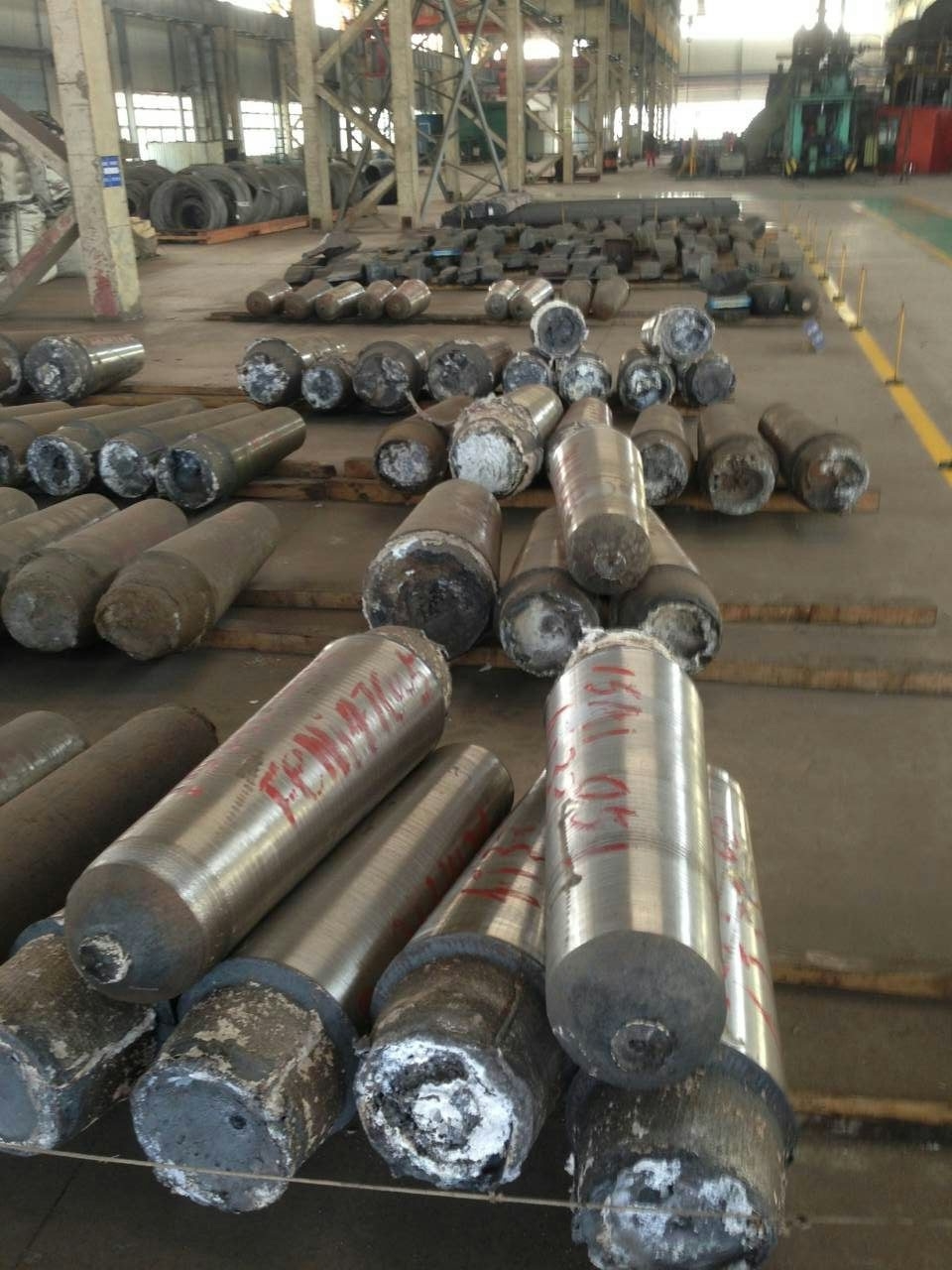
Shijiazhuang Cheng Yuan Alloy Material Co., Ltd., established in 2021 and based in Hebei Province, China, specializes in soft magnetic alloys including Permalloy. The company produces Permalloy in multiple grades such as 1J22, 1J79, 1J50, 1J85, and others — all classified as nickel-iron alloy soft magnetic materials. These materials are available in strip, bar, wire, sheet, and other forms, with thicknesses ranging from 0.01 mm to 2.0 mm and widths customizable up to 300 mm.
The Permalloy product line exhibits initial permeability from 10,000 to 200,000, maximum permeability from 150,000 to 450,000, saturation magnetic flux density (Bs) of 0.6–2.35 T, and coercivity as low as 0.4 A/m. Core loss at 1 kHz and 0.2 T is 8–35 W/kg, with an effective operating frequency range of 50 Hz–1 MHz. These parameters make it suitable for applications requiring weak signal integrity, minimal distortion, and stable performance across wide temperature ranges (−40 °C to 130 °C continuous).
Technical Explanation: Material Architecture and Performance
Permalloy’s high magnetic performance derives from a precisely controlled nickel-iron composition (typically 50–85% Ni) and a specialized vacuum hydrogen annealing process. The resulting fine-grained microstructure reduces coercivity and hysteresis loss, while the resistivity of 40–130 μΩ·cm limits eddy currents at elevated frequencies. The alloy’s low saturation magnetostriction (0.5–30 ppm) minimizes dimensional change during magnetization, critical for precision transformer and sensor applications. These characteristics allow Permalloy to achieve magnetic performance fluctuation of less than 3% across the −60 °C to 130 °C range, as specified in the aerospace-grade application data.
Application Scenarios: From Aerospace to Electric Vehicles
Cheng Yuan Alloy’s Permalloy is deployed across a broad set of industries:
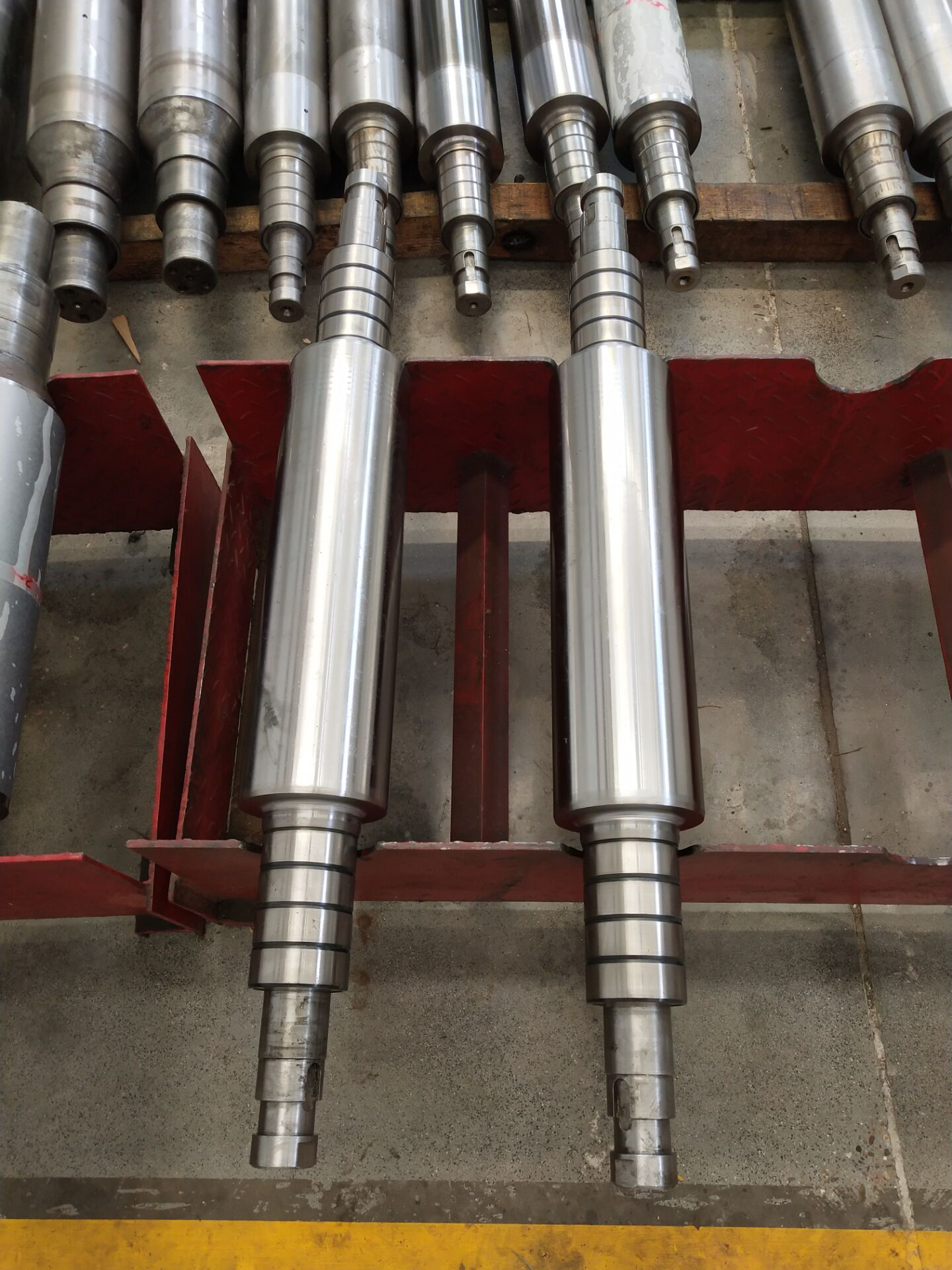
- Aerospace: Grades 1J22, 1J22MS, and 1J22HS serve in generators, precision motors, electromagnet poles, and magnetron tubes under −60 °C to 120 °C with long-term alternating magnetic field excitation. The 1J22HS variant provides ultra-high mechanical strength for high-speed rotating parts, while 1J22MS offers optimized dynamic response for torque motor rotors.
- Audio & Transformer: 1J79 and 1J85 are used in audio coupling transformers and isolation transformers, valued for low-distortion signal transmission. These alloys are also employed in current sensors, earth leakage circuit breakers, and common-mode inductor cores for high-frequency electronic equipment.
- New Energy Vehicles: Permalloy cores enable a 40% reduction in component size for 800V high-voltage on-board chargers and drive motors, providing high-frequency, low-loss magnetic performance.
- Magnetic Shielding: Ultra-high initial permeability blocks electromagnetic interference in shielded housings for satellite communication, precision measurement, and industrial rectifiers.
- Magnetic Temperature Compensation: Grades 1J30–1J38 provide linear adjustable permeability to offset magnetic drift caused by temperature fluctuations, used in automotive sensors and aerospace gyroscopes.
Market Trend Analysis
Driven by electrification of transport, expansion of 5G infrastructure, and miniaturization of power electronics, demand for soft magnetic alloys is climbing. The Asia Pacific region holds 41.0%–49.37% of the global market share in 2025, with China as the leading producer — a position that benefits local manufacturers like Cheng Yuan Alloy. Major global competitors include Vacuumschmelze (VAC), Hitachi Metals (Proterial), Carpenter Technology, and Arnold Magnetic Technologies, but specialized suppliers such as Cheng Yuan offer flexible customization and cost advantages in the 1J series range.
Comparison with Traditional Solutions
Compared to conventional grain-oriented silicon steel (GOES), Permalloy provides significantly higher initial permeability and lower coercivity, enabling more compact transformer designs with reduced noise and lower losses at high frequencies. However, a recognized limitation is that Permalloy has a lower saturation flux density (typically 0.7–0.8 T for high-permeability grades like 1J79) versus GOES (1.7–2.0 T), making it less suitable for power transformers handling high flux densities. This trade-off means engineers must select the alloy based on the specific performance-frequency balance required.
Future Outlook
The trajectory for soft magnetic alloys points toward further miniaturization and higher operating frequencies. As electric vehicle platforms shift to 800V and beyond, and as satellite constellations require ever-lighter magnetic components, materials like Permalloy will continue to be optimized for lower core loss, higher Curie temperatures (up to 950 °C in some grades), and tighter dimensional tolerances. Manufacturers like Cheng Yuan Alloy, with a dedicated R&D team of five engineers and an annual capacity of 10–15 million USD, are well-positioned to serve these evolving needs across global markets including Russia, Germany, France, the United States, and Japan.
Frequently Asked Questions
What is Permalloy?
Permalloy is a soft magnetic alloy made of nickel-iron, available in grades such as 1J22, 1J79, 1J50, 1J85, and others. It is designed for transformer cores and magnetic shielding applications.
What are the typical applications of Cheng Yuan Alloy’s Permalloy?
This Permalloy is used in transformer cores, magnetic shielding, high-frequency electronic equipment, audio transformers, new energy vehicle components, and aerospace generators, precision motors, electromagnet poles, and magnetron tubes.
What is the operating temperature range?
Continuous operating temperature is −40 °C to 130 °C, with short-term peak resistance up to 180 °C. For aerospace-specific grades, the applicable range is −60 °C to 120 °C.
What product forms are available?
Forms include wire, strip, sheet, bar, wire mesh, powder, tube, stamping, and strand wire. Strip thickness ranges from 0.01 mm to 2.0 mm, and width from 2 mm to 300 mm.
How can I contact Cheng Yuan Alloy?
You can reach the company via email at chengyuan.alexey@gmail.com, phone: +86 13673186216, or WhatsApp: +86 13673186216. Address: No. 119, Xizhang Road, Wangxizhang Town, Zhao County, Shijiazhuang City, Hebei Province, China.
Article published for informational purposes. For specific product inquiries, refer to the company’s official website: www.chyalloy.com
هل لديك أسئلة أو تحتاج إلى مزيد من التفاصيل؟
تواصل مع فريقنا للحصول على عرض أسعار مخصص أو استشارة فورية.
طلب عرض أسعار
املأ النموذج أدناه وسيتواصل معك فريقنا بعرض مقترح مخصص.
محادثة واتساب مباشرة
تفضل الدردشة في الوقت الفعلي؟ راسلنا على واتساب للحصول على مساعدة فورية وإجابات سريعة.
- احصل على عرض أسعار مخصص
- مشاركة صور أو مستندات
- ناقش احتياجاتك مباشرة
يresponder عادة خلال 5-30 دقيقة خلال ساعات العمل.