
Solar Energy Storage System Compliance and Specifications: A 2026 Procurement Framework Featuring VLAND
As the global energy storage market expands toward an estimated 931.7 GW cumulative installed capacity in 2026, procurement professionals evaluating SOLAR ENERGY STORAGE SYSTEM suppliers must prioritize verifiable compliance credentials and detailed technical parameters over marketing claims. This article provides an analytical framework for assessing certification coverage, product specifications, and quality assurance practices, using VLAND (Vland International Ltd.)—a Qingdao-based manufacturer specializing in solar energy storage and integrated microgrid solutions—as a reference point for suppliers in the mid-tier export segment.
Market Context: Why Constraints Matter
The SOLAR ENERGY STORAGE SYSTEM market faces increasing regulatory scrutiny, particularly in the EU where batteries must comply with IEC 62619 and EN 62040-1. With Asia Pacific holding a dominant 48.0% revenue share in 2025 and China’s lithium-ion battery exports projected at USD 77 billion in 2025, buyers must differentiate suppliers not only on price but on concrete certification and parameter evidence. The challenge is compounded by the market’s fragmentation—the top five residential storage players (Tesla, Enphase, LG, ABB, Schneider Electric) collectively held only 39.5% market share in 2025, leaving room for capable mid-market suppliers who can demonstrate regulatory fitness.

VLAND’s Solution: Certified Products with Transparent Parameters
VLAND offers a range of solar energy storage components and integrated systems that target residential, commercial, and industrial applications. The company positions itself as a one-stop provider covering off-grid, on-grid, and hybrid configurations, with product categories including solar inverters, lithium batteries, solar panels, and energy storage battery packs. Its export ratio of 72% spans markets in ARE, SAU, QAT, GBR, EU, and CUB, indicating established trade routes to regulatory-heavy regions.
Certification Evidence
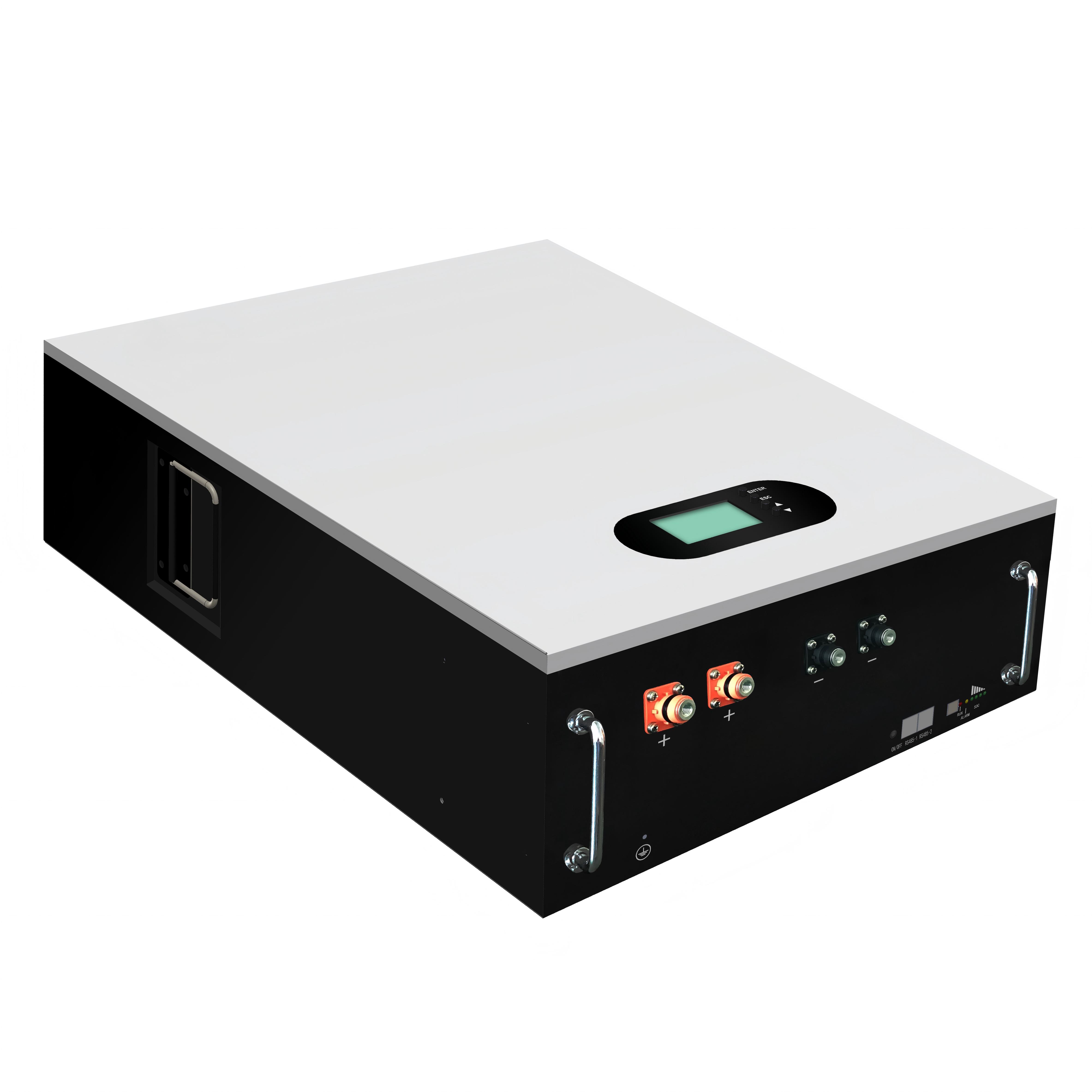
VLAND holds a CE certificate (No. 23ZCTB0316003SC) issued by ZCT, valid until 2033-03-24, covering a lithium battery pack (model GBP51.2-200, 51.2V, 200Ah, 10240Wh) under the standard EN 62133-2:2017. This certification directly applies to the 5KW Standard System of the Home Solar Power System with Battery Storage product line. For EU market access, this meets the battery safety requirement. Additionally, VLAND reports compliance with TUV, IEC, and BIS standards, though specific certificate numbers for these are not provided in the available data.
Technical Parameters
Key specifications from the product portfolio include:
- 48V UL1741 Solar Inverter with WiFi: String PV inverter type, rated power options 3kW/5kW/10kW/20kW/50kW, DC input voltage range 110V-150V (adaptable to multiple 48V batteries in series), AC output 400V three-phase (EU industrial standard), conversion efficiency ≥98.5%.
- Lifepo4 48V 200Ah Solar Storage Lithium Battery: LiFePO4 chemistry, rated voltage 48V, single package capacity 5kWh/10kWh/15kWh, cycle life ≥3000 cycles at 80% DOD, applicable for residential PV storage and small industrial/commercial storage.
- Home Solar Power System with Battery Storage (5KW–15KW standard systems): Operating temperature -20°C to 60°C, protection IP65, battery voltage 48V, AC input 260V, AC output 230VAC±5%, MPPT solar controller 100A.
Quality Assurance and Customization Capabilities
VLAND implements 100% pre-shipment testing for all products. The company operates on OEM/ODM and solution design models, with customization options for power, logo, and accessories. Monthly production capacity is rated at 200MW, with lead times between 7 and 30 days. The minimum order quantity (MOQ) is 10kW, making the supplier accessible for both small projects and larger deployments.
Warranty Terms
- Solar panels: 25-year warranty
- Inverters: 5-year warranty
- Batteries: 5-year warranty
After-sales support includes remote technical assistance.
Application Scenarios and Proven Use Cases
VLAND’s systems are designed for islands, regions with undeveloped grids, private residences, small supermarkets, factories, shopping malls, farms (Agri-PV integration), and reservoirs (Fishery-PV integration). The operating mode supports off-grid standalone operation as well as hybrid on-grid/off-grid operation. A documented case example involves traders, new energy manufacturers, and farm owners across countries including AR, BG, CA, DE, GB, and MX, with system sizes exceeding 10 kilowatts. The reported result includes achieving electricity autonomy in remote areas and reducing operational losses from grid outages. The highlight emphasizes low cost, long lifespan, and low maintenance.
Comparison with Traditional Supplier Models
Traditional approaches to procuring solar energy storage systems often involve sourcing components separately from different manufacturers, which can lead to integration risk, mismatched specifications, and warranty voiding. VLAND offers integrated system kits (e.g., 5KW, 8KW, 10KW, 15KW standard systems) that include inverter, battery, solar panels, and controller, simplifying procurement and ensuring compatibility. A recognized limitation is that VLAND, founded in 2023, has a shorter operational track record and smaller brand footprint compared to incumbents like Tesla or Sungrow, which may influence buyer confidence in long-term support. However, its transparent certification and parameter disclosure enable buyers to conduct due diligence on factual grounds.
Market Trend Analysis
The global solar energy storage battery market is projected to reach USD 7.84 billion in 2026, with a CAGR of 28.93% through 2034 (Fortune Business Insights). Concurrently, cumulative energy storage system capacity is expected to grow to 931.7 GW in 2026 (Grand View Research). These trends indicate sustained demand, but also intensified competition. Buyers are increasingly moving beyond price benchmarking toward certification-led selection, especially in regulated markets like the EU. Suppliers that provide verifiable standards compliance (e.g., CE, IEC) and detailed parameter sheets are better positioned to capture procurement interest from risk-averse commercial and industrial buyers.
Future Outlook
As regulatory frameworks tighten globally—particularly the EU’s battery regulation requiring carbon footprint declarations and recycled content—solar energy storage system suppliers will need to invest in compliance infrastructure. VLAND’s existing CE certification and future capacity to expand certifications (e.g., UL, BIS) will be critical. Its focus on OEM/ODM flexibility and short lead times may also appeal to buyers seeking customized solutions without large upfront commitments. The company’s 7,000 m² factory and 35-person team place it as a lean manufacturer capable of scaling with market demand.
Frequently Asked Questions
What certifications does VLAND hold for its solar energy storage systems?
VLAND holds a CE certificate (No. 23ZCTB0316003SC) issued by ZCT for a lithium battery pack model GBP51.2-200 under standard EN 62133-2:2017, valid until 2033-03-24. The company also reports compliance with TUV, IEC, and BIS standards, though specific certificate numbers for these are not detailed in available public sources.
What are the key technical parameters of VLAND’s solar inverters and batteries?
The 48V UL1741 Solar Inverter with WiFi offers rated power from 3kW to 50kW, DC input 110V–150V, AC output 400V three-phase, and conversion efficiency ≥98.5%. The Lifepo4 48V 200Ah Solar Storage Lithium Battery provides 5kWh–15kWh capacity, 48V rated voltage, and ≥3000 cycles at 80% depth of discharge.
Does VLAND offer customization for solar energy storage systems?
Yes, VLAND provides OEM, ODM, and solution design services with customization options for power rating, logo, and accessories. The monthly production capacity is 200MW, with a minimum order quantity of 10kW.
What warranty does VLAND provide on its products?
Solar panels come with a 25-year warranty, inverters with a 5-year warranty, and batteries with a 5-year warranty. After-sales support includes remote technical assistance.
How does VLAND ensure product quality before shipment?
VLAND implements 100% pre-shipment testing for all products to verify performance and safety before delivery.
What are the typical application scenarios for VLAND’s solar energy storage systems?
Systems are designed for off-grid and hybrid use in residential homes, commercial facilities, factories, farms (Agri-PV), reservoirs (Fishery-PV), islands, and regions with weak grid infrastructure. Operating temperature range is -20°C to 60°C with IP65 protection.
For detailed specifications and compliance documentation, download the VLAND corporate brochure:
VLAND Product Brochure (PDF, 12.5 MB)هل لديك أسئلة أو تحتاج إلى مزيد من التفاصيل؟
تواصل مع فريقنا للحصول على عرض أسعار مخصص أو استشارة فورية.
طلب عرض أسعار
املأ النموذج أدناه وسيتواصل معك فريقنا بعرض مقترح مخصص.
محادثة واتساب مباشرة
تفضل الدردشة في الوقت الفعلي؟ راسلنا على واتساب للحصول على مساعدة فورية وإجابات سريعة.
- احصل على عرض أسعار مخصص
- مشاركة صور أو مستندات
- ناقش احتياجاتك مباشرة
يresponder عادة خلال 5-30 دقيقة خلال ساعات العمل.