
SolisStorage EverCore: Redefining C&I Energy Storage with Architectural Innovation
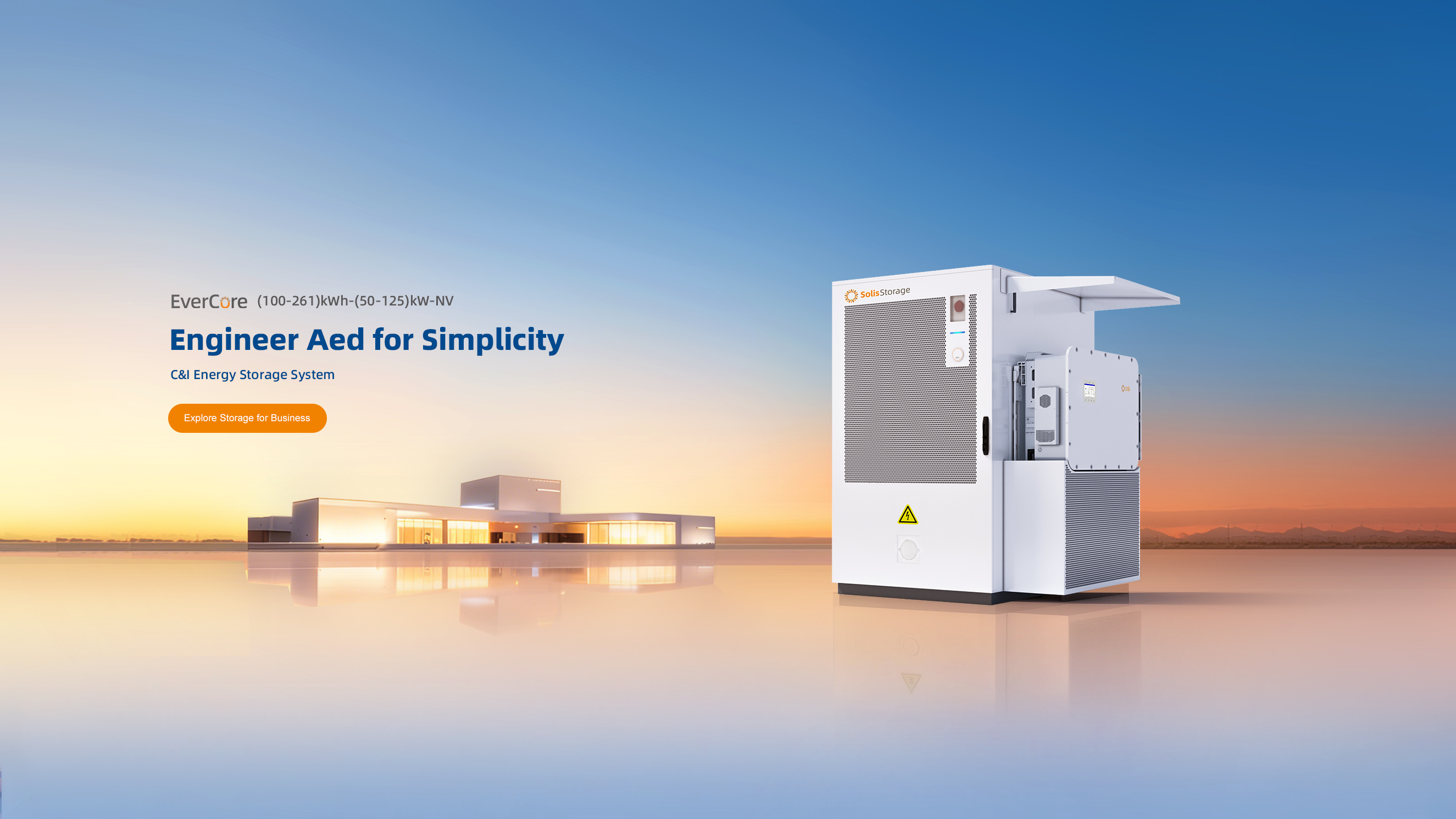
The global commercial and industrial (C&I) energy storage market is undergoing a fundamental shift. As electricity markets mature and grid services expand, buyers are no longer simply looking for batteries — they demand systems that deliver long-duration reliability, operational simplicity, and full-lifecycle value. SolisStorage, the energy storage subsidiary of Solis (Ginlong Technologies, Shenzhen Stock Exchange: 300763), has introduced the EverCore C&I Energy Storage System, a solution that challenges conventional design paradigms through AC-DC separation, air-cooling innovation, and a deeply integrated software ecosystem.
Industry Challenge: From Peak Shaving to Multi-Revenue Stacking
Traditional C&I energy storage systems were built for simple peak-valley arbitrage. But today’s European markets — with frameworks for FCR, aFRR, mFRR, demand response, and Virtual Power Plant (VPP) dispatch — require systems that can participate in multiple revenue streams simultaneously. This demands open software architectures, high reliability, and low total cost of ownership over a 10–15 year asset life. Many legacy liquid-cooled solutions suffer from complex maintenance, high OPEX, and closed ecosystems that lock operators out of evolving grid markets.
According to industry statistics, the global C&I energy storage market is expected to grow at a compound annual rate exceeding 20% through 2030, driven by corporate decarbonization targets and rising electricity price volatility. Yet project owners frequently underestimate the operational expenditure hidden in complex thermal management systems and proprietary interfaces.
SolisStorage EverCore: A Differentiated Architecture
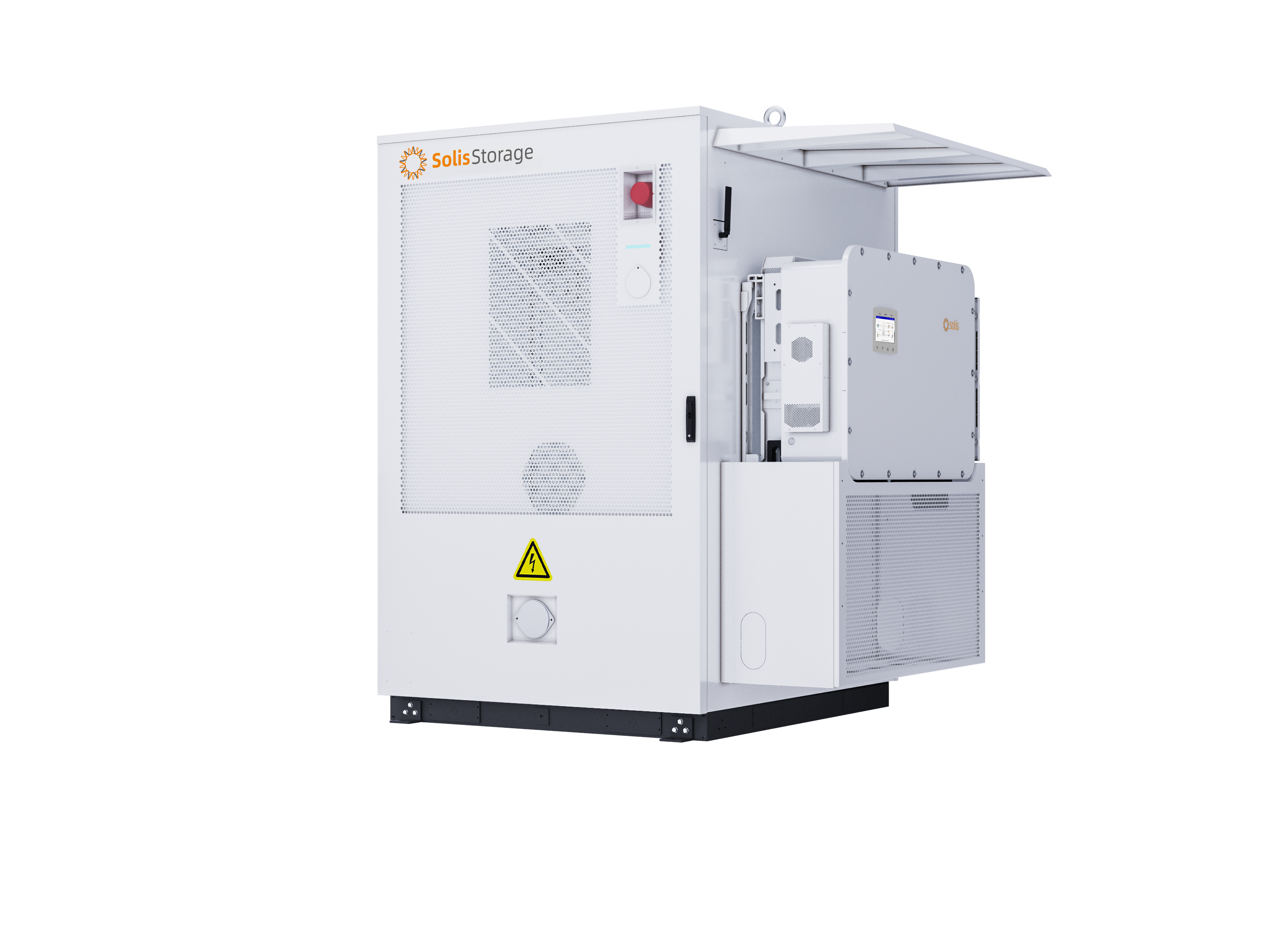
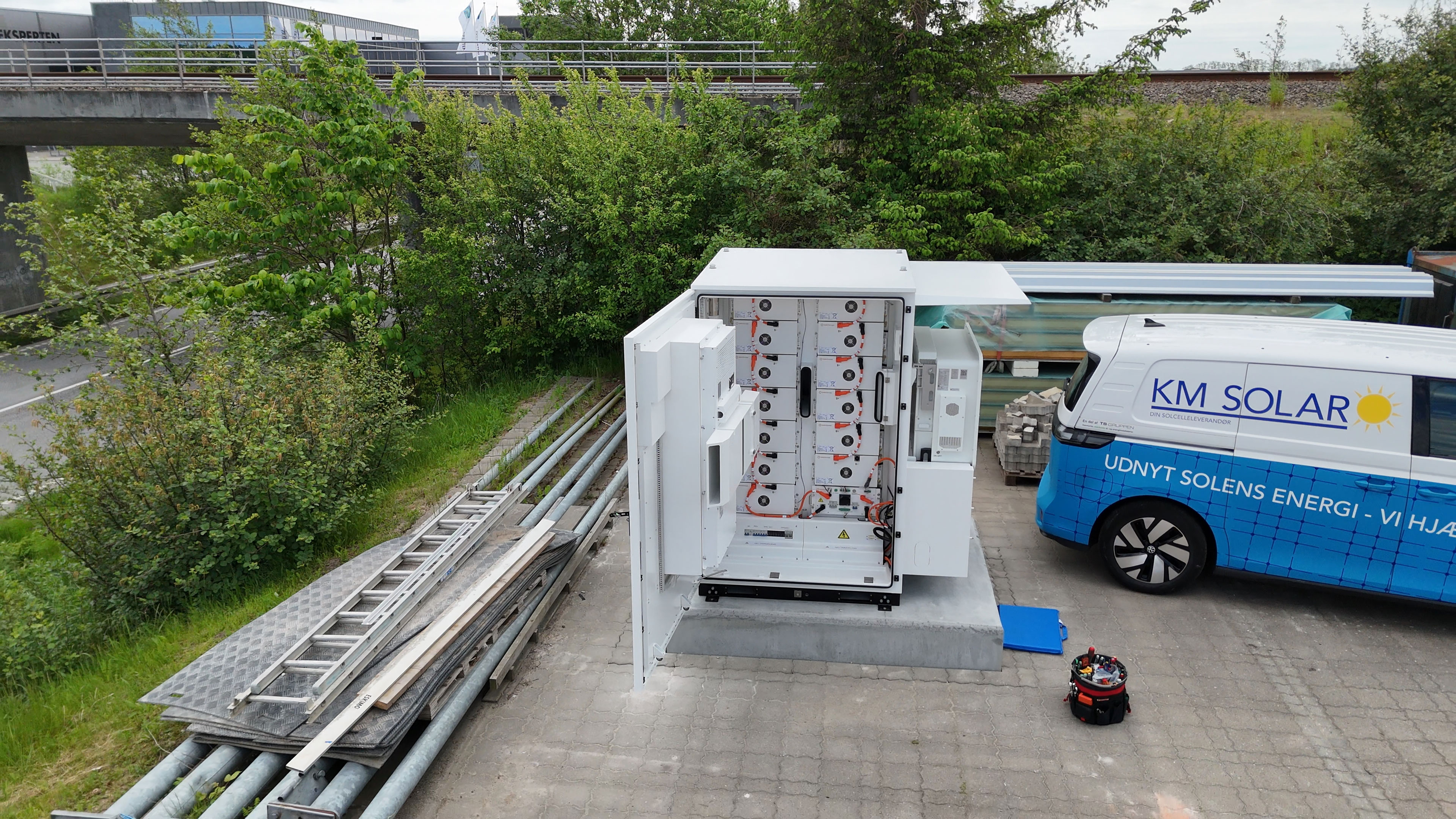
SolisStorage’s EverCore ESS addresses these pain points through a set of engineering choices that prioritize simplicity and maintainability. The system is available in three configurations — 100.5kWh, 120.6kWh, and 261.2kWh — paired with inverter power ratings of 50kW, 60kW, and 125kW. At the heart of the design is a physical separation of AC and DC components: the hybrid inverter is housed in an IP66-rated unit, while the battery cabinet achieves IP55 protection. This AC-DC separation delivers three practical benefits: thermal separation that reduces heat load inside the battery cabinet, protection separation that cuts full-lifecycle failure rates by an estimated 50%, and structural separation that allows independent DC-side expansion — up to six battery cabinets per inverter — reducing system expansion costs by approximately 10%.
Air Cooling Redux: Engineering Data Challenges the Status Quo
One of the most notable aspects of the EverCore design is its retention of air cooling for a 125kW/261kWh system — a power class where liquid cooling has become the industry default. SolisStorage’s engineering team achieved this through an independent three-air-duct design, combining a patented diversion air duct for the inverter with Coanda Effect airflow technology that improves heat exchange efficiency by 30% compared to conventional air cooling. The system operates reliably from -25°C to 55°C and at altitudes up to 4,000 meters, covering extreme climates from Middle Eastern deserts to Scandinavian winters.
This approach yields measurable OPEX savings: over a 15-year project lifecycle, each EverCore unit saves approximately €9,500 in maintenance costs by eliminating liquid coolant replacement, simplifying PCS and pack replacement, and reducing routine inspection complexity. Component selection reinforces this — industrial-grade Minebea cooling fans offer 10-year maintenance-free performance, and Honeywell flammable gas detectors require no calibration for a decade.
Safety and Cell Performance: 15-Layer Protection
Safety remains the top procurement criterion for C&I energy storage. EverCore integrates a 15-layer, three-dimensional protection system spanning cell, pack, and system levels. Thermal runaway propagation is mitigated by 1,000°C-resistant insulation between packs, and a three-stage fire suppression mechanism (aerosol at pack and cabinet levels, plus fire-fighting water channels) provides staged intervention.
At the cell level, the system uses custom-developed A-grade 314Ah LFP cells from EVE. Compared to the industry-standard 280Ah cells, these cells offer two key advantages: ultra-low internal resistance (0.15±0.05mΩ) that reduces heat generation by approximately 20% per 10% resistance reduction, and an extended cycle life of 8,000 cycles to 70% remaining capacity — roughly 14% longer than traditional 280Ah cells. This extends the economic lifecycle from approximately 14 to 16 years, directly improving project IRR.
Open Ecosystem: The Key to VPP and Grid Service Participation
In mature electricity markets, a closed hardware island has little value. EverCore’s software platform has been designed for integration with third-party VPP and EMS operators — currently connected or in process with 102 operators across 11 European countries. Notable integrations include Octopus Energy’s Kraken platform in the UK and Check Watt in the Nordics. The system’s single-CPU centralized control architecture reduces failure points and simplifies troubleshooting, a direct contribution to operational reliability.
Solis’ AI Cloud Platform, deployed at over 5,500 energy storage power stations globally, ingests Nordpool and Flatpeak data to generate minute-level charge-discharge optimization. A real-world case in Latvia demonstrated a 302.6% increase in annual electricity bill savings after AI optimization, highlighting the multiplier effect of software on hardware value.
Market Position and Buyer Considerations
Compared to mainstream C&I storage providers such as Huawei, Sigen, and SolaX, SolisStorage positions EverCore with a clear emphasis on total cost of ownership and architectural simplicity. The AC-DC separation and air-cooling approach deliver an estimated 5% lower upfront cost and significantly simplified maintenance — pack replacement steps are reduced by 55% and require no heavy equipment. The system targets industrial manufacturing, low-carbon parks, hospitals, cold chain logistics, and on/off-grid applications.
For procurement professionals evaluating C&I energy storage solutions, EverCore offers several distinct advantages: full-series IP66/IP55 protection and C4 anti-corrosion coating for outdoor deployment without additional shelters; a 4-in-1 hybrid inverter (PCS + STS + PV inverter + EMS) that eliminates external components; and compliance with international standards including IEC 62619 and EMC Directive 2014/30/EU, certified by TÜV.
Future Outlook
As energy markets continue to evolve toward time-of-use pricing, ancillary services, and virtual power plants, the importance of open, maintainable, and cost-efficient storage systems will only grow. SolisStorage’s continued investment in power electronics, intelligent algorithms, and digital energy management positions EverCore as a compelling option for C&I operators seeking long-term value. With over 20 years of power electronics heritage, an R&D team exceeding 1,000 engineers, and manufacturing capacity of 80 GW per year, Solis brings scale and reliability that few competitors can match.
For more details, download the Solis Global Brochure: https://cdn.socialarks.com/sbsp/24960/common/2026/0622/Solis-Global-Brochure-V3.9.pdf